Gentle Yoga for Stress Relief FAQ: Your Questions Answered

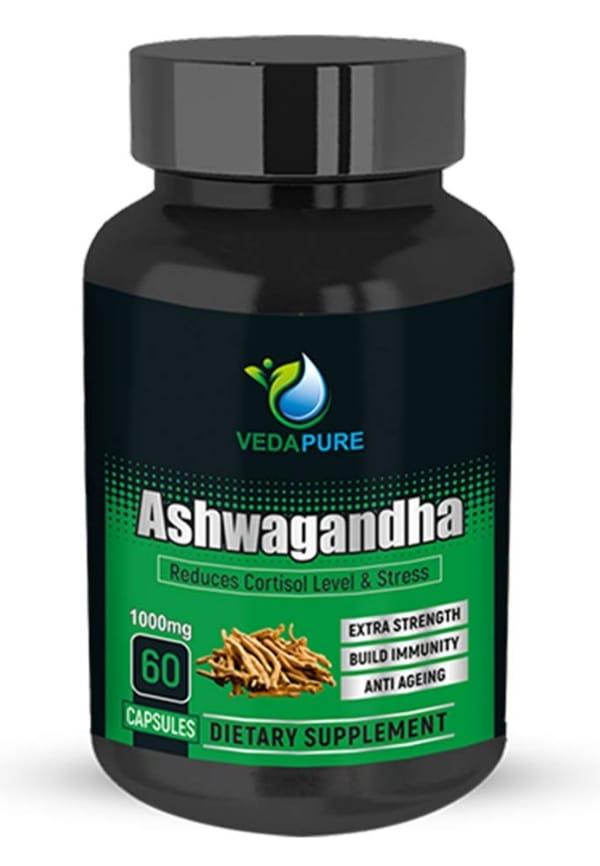
Ashwagandha Anxiety & Stress Relief
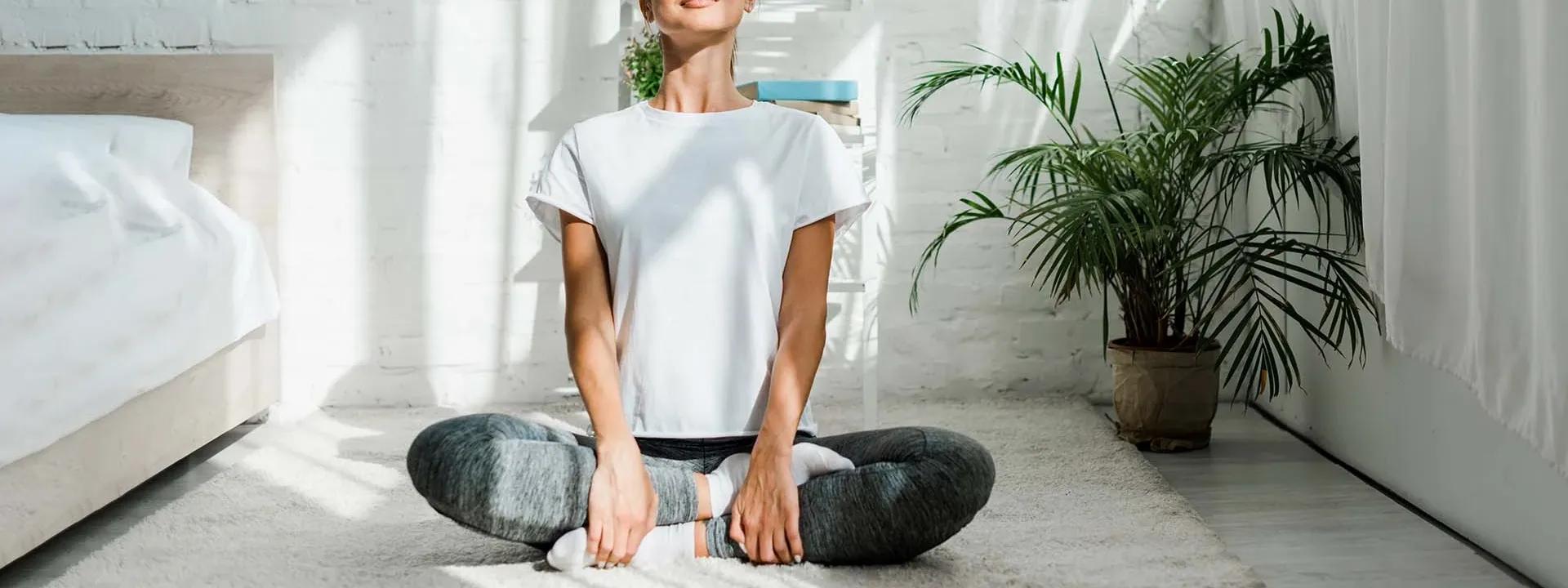
Feeling overwhelmed by daily stress? You're not alone. In our fast-paced world, finding effective ways to unwind has become more crucial than ever. Gentle yoga for stress relief offers a perfect solution—combining mindful movement with deep breathing to help your nervous system reset. Unlike high-intensity workouts that might add to your stress, gentle yoga creates a safe space where you can slow down and reconnect with yourself. Whether you're dealing with work pressure, relationship challenges, or just the general chaos of modern life, this ancient practice provides practical tools for managing stress naturally. At Smytten, we understand the importance of holistic wellness, which is why we've curated this comprehensive guide to answer all your questions about gentle yoga and stress relief.
Gentle yoga activates your parasympathetic nervous system, naturally reducing stress hormones like cortisol
Key styles include restorative yoga, yin yoga, and gentle hatha—all perfect for beginners
Essential calming poses like child's pose and legs-up-the-wall can provide immediate relief
Breathing exercises such as 4-7-8 breath and box breathing enhance the stress-relief benefits
Even 10 minutes of daily practice can significantly improve your stress management and overall mental health
Gentle yoga is a slower, more mindful approach to yoga that focuses on accessibility and relaxation rather than athletic achievement. Unlike power yoga or hot yoga, gentle yoga emphasises breath awareness, longer holds in poses, and modifications that work for every body type. This style prioritises the connection between mind and body, making it ideal for stress management exercises.
The science behind gentle yoga for stress relief is fascinating. When you're stressed, your sympathetic nervous system kicks into overdrive, flooding your body with stress hormones like cortisol and adrenaline. Gentle yoga activates the parasympathetic nervous system—your body's "rest and digest" mode—which naturally counteracts this stress response. The combination of mindful movement, deep breathing, and present-moment awareness signals to your brain that you're safe, allowing your nervous system to reset.
Research shows that regular yoga practice can reduce cortisol levels by up to 23%, whilst also increasing GABA (gamma-aminobutyric acid) production in the brain. GABA is your body's natural anti-anxiety neurotransmitter, which explains why yoga for mental health has become such a popular therapeutic tool. The beauty of gentle yoga lies in its accessibility—you don't need to be flexible or strong to experience these benefits.
Not all yoga styles are created equal when it comes to managing stress and anxiety. Whilst vigorous practices like Ashtanga or Bikram yoga have their place, they might actually increase stress for some people. Here are the most effective yoga styles for anxiety and stress management.
This is the ultimate stress-busting practice. Restorative yoga uses props like bolsters, blankets, and blocks to support your body in passive poses held for 5-20 minutes. The extended holds allow your nervous system to fully relax, making it perfect for those dealing with chronic stress or anxiety disorders.
Yin yoga targets deep connective tissues through long-held poses, typically lasting 3-7 minutes. This meditative practice encourages introspection and helps release both physical and emotional tension stored in the body.
Traditional hatha yoga focuses on basic postures and breathing techniques. The slower pace allows beginners to learn proper alignment whilst developing body awareness and mindfulness skills essential for stress management.
A modified version of flow yoga that links breath with movement at a slower pace. This style helps quiet mental chatter whilst gently warming the body and releasing tension.
These calming yoga poses are your go-to toolkit for managing stress in the moment. Each pose targets different aspects of the stress response, from physical tension to mental overwhelm. You can practice these individually or combine them into a flowing sequence.
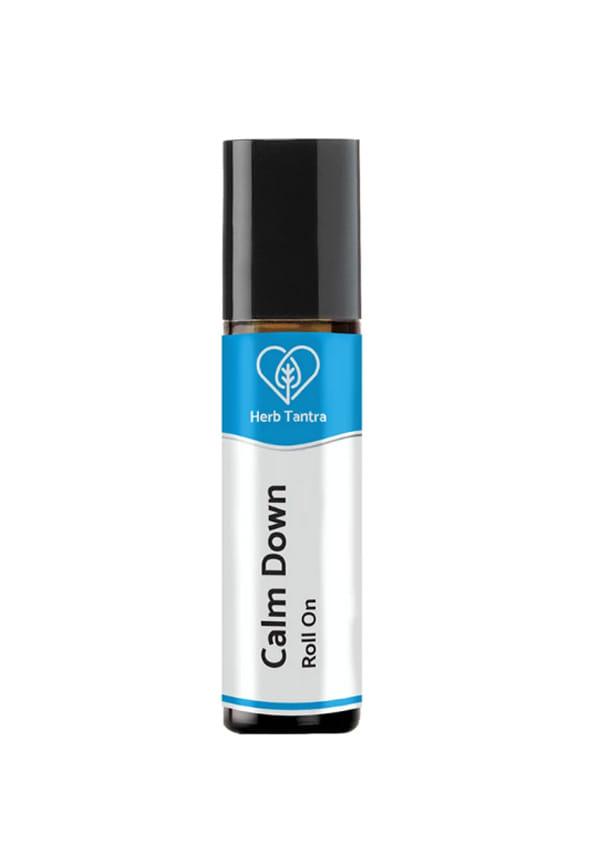
Calm Down Anxiety Relief Roll-On
This grounding pose activates the parasympathetic nervous system whilst providing a sense of safety and introspection. Kneel on the floor, touch your big toes together, and sit back on your heels. Separate your knees hip-width apart and fold forward, extending your arms in front of you.
This gentle inversion helps reset your nervous system by encouraging blood flow back to the heart and brain. Lie on your back near a wall and extend your legs up against it. This pose is particularly effective for anxiety and insomnia.
This gentle spinal movement helps release tension in the back and neck whilst connecting you to your breath. Start on hands and knees, then alternate between arching your back (cow) and rounding it (cat) with each breath.
Often considered the most important pose, Savasana allows complete relaxation of body and mind. Lie flat on your back with arms at your sides, palms facing up, and focus on releasing tension from every muscle group.
Gentle twists help release emotional tension stored in the torso whilst improving digestion. Sit with legs extended, cross one leg over, and gently twist towards the bent knee whilst maintaining a tall spine.
Breathing exercises for calm are the secret weapon of stress management. Your breath is the only part of your autonomic nervous system that you can consciously control, making it a powerful tool for shifting from stress to relaxation. These mindfulness meditation techniques can be used anywhere, anytime you need to centre yourself.
This technique, developed by Dr. Andrew Weil, is incredibly effective for immediate stress relief. Inhale for 4 counts, hold for 7, and exhale for 8. The extended exhale activates your parasympathetic nervous system, promoting instant calm.
Used by Navy SEALs and emergency responders, box breathing helps maintain focus under pressure. Inhale for 4 counts, hold for 4, exhale for 4, and hold empty for 4. This creates a "box" pattern that balances your nervous system.
Also known as belly breathing, this foundational technique ensures you're breathing deeply rather than shallowly into your chest. Place one hand on your chest and one on your belly—focus on expanding the lower hand whilst keeping the upper hand relatively still.
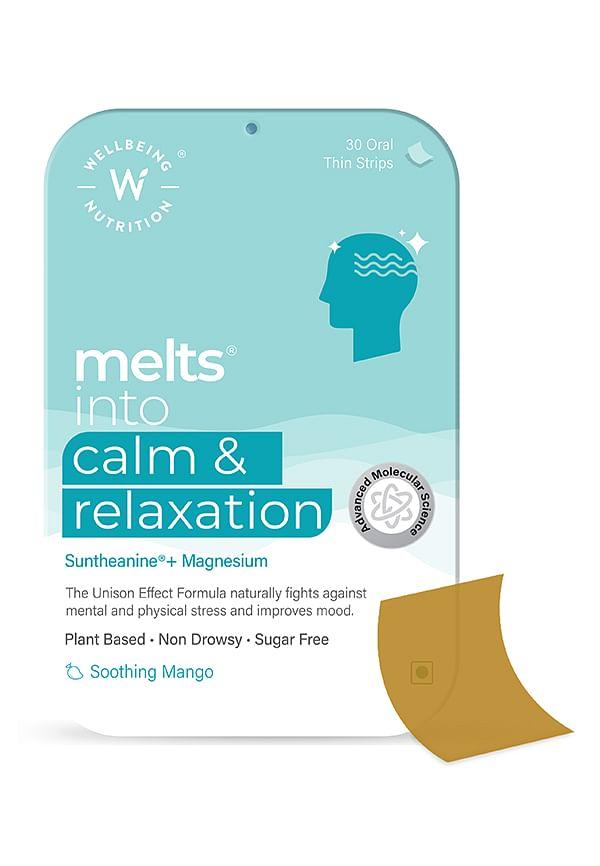
Melts Calm & Relaxation Plant Based Stress & Anxiety Reliever
This traditional pranayama technique balances the left and right hemispheres of your brain. Use your thumb to close your right nostril, inhale through the left, then switch and exhale through the right. Continue alternating for 5-10 rounds.
The restorative yoga benefits extend far beyond immediate stress relief. This gentle practice creates lasting changes in your nervous system, sleep patterns, and overall resilience to stress. Understanding these long-term benefits can help motivate you to maintain a consistent practice.
Regular restorative yoga practice literally rewires your brain's response to stress. Studies show that consistent practitioners develop a stronger prefrontal cortex—the brain region responsible for emotional regulation and decision-making. This means you'll naturally handle stressful situations with more clarity and less reactivity over time.
Restorative poses activate your parasympathetic nervous system, which is essential for quality sleep. Many practitioners report falling asleep faster and experiencing deeper, more restorative sleep cycles after incorporating gentle yoga into their evening routine.
Chronic stress leads to chronic inflammation, which contributes to various health issues. Gentle yoga helps reduce inflammatory markers in the blood whilst boosting immune function, creating a foundation for better overall health.
The mindfulness component of gentle yoga helps you develop a healthier relationship with your emotions. Rather than being overwhelmed by stress or anxiety, you learn to observe these feelings with compassion and respond rather than react.
Building a sustainable gentle yoga practice doesn't require hours of daily commitment. These stress reduction tips will help you create a routine that fits your lifestyle whilst maximising the mental health benefits. The key is consistency over intensity—even 10 minutes daily is more beneficial than an hour once a week.
Start with this beginner-friendly approach: choose 3-4 poses that feel good in your body and practice them for 10-15 minutes daily. As you build confidence and notice the benefits, you can gradually extend your practice or add new poses. Remember, this is your journey—there's no need to compare yourself to others or push beyond what feels comfortable.
Seated spinal twist: Sit tall and gently twist to each side, holding for 30 seconds. Neck rolls: Slowly roll your head in each direction. Shoulder blade squeezes: Pull shoulder blades together and release. Deep breathing: Practice 4-7-8 breathing for 2 minutes.
Cat-cow pose: 1 minute. Child's pose: 2 minutes. Gentle sun salutation: 5 minutes. Corpse pose: 2 minutes. This sequence gently awakens your body whilst setting a calm tone for the day.
Gentle warm-up: 5 minutes of easy movement. Supported poses: 10 minutes in restorative positions like legs-up-the-wall. Breathing practice: 5 minutes of your favourite pranayama technique.
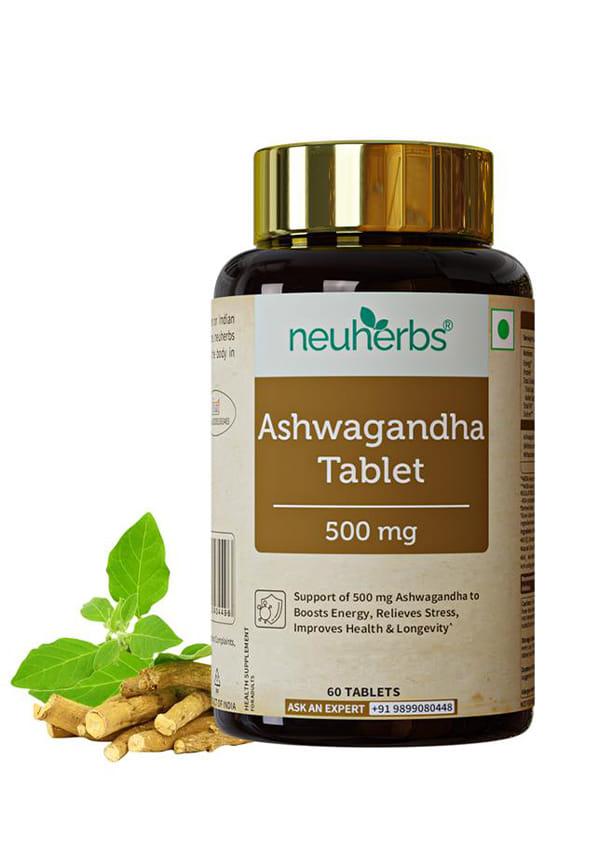
Ashwagandha Tablets,Reduce Stress & Support Sleep Cycle
For optimal stress management benefits, aim for daily practice, even if it's just 10-15 minutes. Consistency matters more than duration. If daily practice isn't realistic, try for at least 3-4 times per week. You'll likely notice immediate relaxation after each session, with cumulative benefits building over 4-6 weeks of regular practice.
Yes, research shows that yoga for anxiety can be highly effective as a complementary treatment. A 2018 study found that participants with generalised anxiety disorder experienced significant symptom reduction after 12 weeks of yoga practice. However, if you have a diagnosed anxiety disorder, it's important to work with your healthcare provider and consider yoga as part of a comprehensive treatment plan.
You can start with just a yoga mat, though it's not essential—a carpet or towel works too. As you develop your practice, consider investing in props like bolsters, blocks, and blankets to enhance comfort in restorative poses. Many household items can substitute for yoga props: pillows for bolsters, books for blocks, and any soft blanket for warmth and support.
Many people experience immediate relaxation after their first gentle yoga session. For lasting changes in stress resilience and overall mental health, most practitioners notice significant improvements after 4-8 weeks of consistent practice. The key is regular engagement rather than perfect execution of poses.
Absolutely! Gentle yoga is specifically designed to be accessible for all fitness levels and experience levels. The emphasis on modifications and props means you can adapt every pose to your current abilities. Many people find gentle yoga less intimidating than other fitness activities, making it an excellent entry point into movement and self-care practices.
Yes, gentle yoga can be adapted for various physical limitations and health conditions. Chair yoga, wall-supported poses, and modified sequences can accommodate most mobility restrictions. Always consult with your healthcare provider before starting any new exercise routine, and consider working with a qualified instructor who has experience with adaptive yoga techniques.
Both morning and evening practice offer unique benefits. Morning yoga helps set a calm, centred tone for your day and can improve focus and energy levels. Evening practice is excellent for unwinding, releasing daily tension, and preparing for restful sleep. Choose the time that feels most sustainable for your schedule—consistency is more important than timing. You can also trial on Smytten various wellness products that complement your yoga practice, from aromatherapy oils to calming teas.
Gentle yoga for stress relief offers a scientifically-backed, accessible approach to managing modern life's pressures. The combination of mindful movement, breathing exercises for calm, and relaxation techniques creates a powerful toolkit for both immediate stress relief and long-term resilience building. Whether you choose restorative yoga, gentle hatha, or simple breathing exercises, the key is finding practices that feel sustainable and enjoyable for your lifestyle.
Remember that stress management is deeply personal—what works for others might not work for you, and that's perfectly normal. Start small, be patient with yourself, and focus on how the practice makes you feel rather than how it looks. The beauty of gentle yoga lies in its adaptability and the fact that every session, no matter how brief, contributes to your overall wellbeing and mental health.
Just as gentle yoga encourages you to explore different poses and breathing techniques to find what works best for your stress relief journey, Smytten believes in the power of discovery and experimentation. As India's largest product discovery and trial platform, Smytten connects you with over 1,500 trusted wellness, beauty, and lifestyle brands through curated trial packs. Whether you're looking to enhance your self-care practices with aromatherapy products, calming teas, or wellness supplements that complement your yoga routine, you can try before you buy with authentic brand-verified minis. With 100% cashback on trials and the convenience of exploring up to 8 minis for just ₹249, Smytten makes it easy to discover products that support your stress management goals. After all, why settle for 'maybe' when you can #TryItAll and find exactly what helps you feel your most centred and calm!
