Foods for Gut Health FAQ: Your Questions Answered


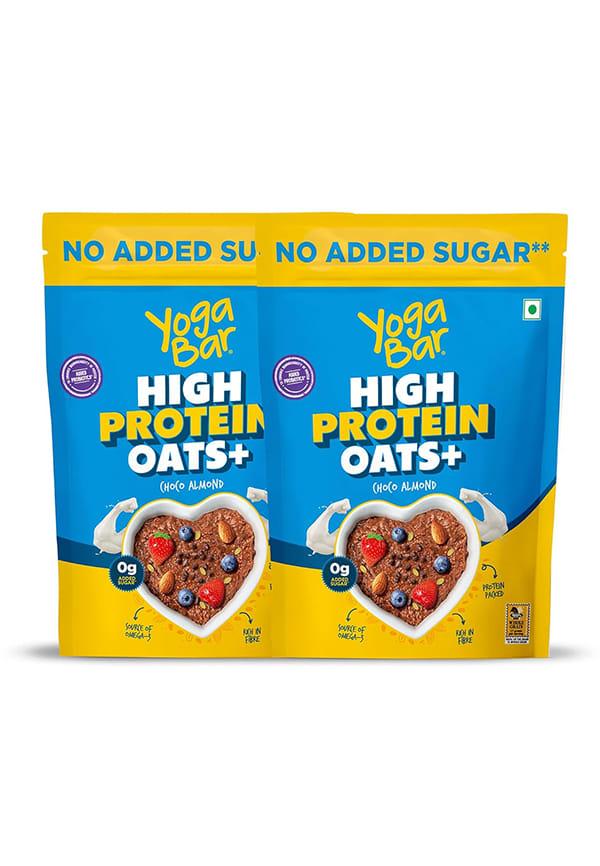
High Protein Oats | 20g Protein | Choco Almond Oatmeal |Breakfast cereal Pouch
Your gut health affects everything from your mood to your immune system, yet many of us are still confused about which foods actually help and which ones hurt. With so much conflicting information out there, it's no wonder people have loads of questions about building a gut health diet that actually works. Whether you're dealing with digestive issues or just want to feel your best, understanding the connection between food and your gut microbiome is your first step towards better health. That's where platforms like Smytten come in handy—letting you trial wellness products and supplements before committing to full-size purchases, so you can find what works for your unique digestive needs.
The best foods for gut health include probiotic foods like yoghurt and kimchi, plus prebiotic foods like garlic and bananas
Fermented foods for gut health provide live beneficial bacteria that support your microbiome
Fiber rich foods for gut health feed good bacteria and improve digestion naturally
Avoiding ultra-processed foods, excess sugar, and artificial additives helps maintain a healthy gut microbiome
Building a diverse gut health diet with 30+ different plant foods weekly creates the best environment for digestive health
When it comes to foods for gut health, think of your digestive system as a garden that needs the right nutrients to flourish. The best approach combines probiotic foods (which add beneficial bacteria) with prebiotic foods (which feed the good bacteria already there). Research shows that people with diverse gut microbiomes tend to have better overall health, so variety is key.
Your gut houses trillions of bacteria that influence everything from digestion to mental health. Foods that improve digestion work by either introducing beneficial bacteria or providing the fuel these microbes need to thrive. The magic happens when you combine both approaches—eating fermented foods for gut health alongside fiber-rich options creates the perfect environment for a healthy gut microbiome.
Fermented Foods (Probiotics)
Greek yoghurt with live cultures
Kefir and buttermilk
Kimchi and sauerkraut
Miso and tempeh
Prebiotic Foods List
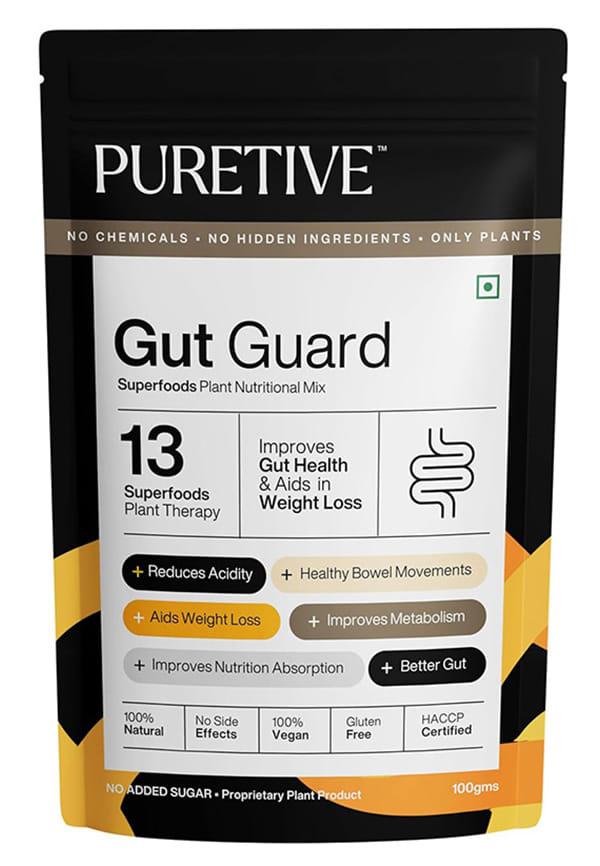
Gut Health Superfoods Nutritional Mix
Garlic, onions, and leeks
Jerusalem artichokes and asparagus
Bananas and berries
Oats and barley
Probiotic foods contain live beneficial bacteria that can help restore balance to your gut microbiome. Unlike supplements, these foods provide bacteria in their natural form, often alongside other nutrients that support digestive health. The key is consistency—adding small amounts of fermented foods for gut health to your daily routine works better than occasional large portions.
Traditional fermented foods like yoghurt, kefir, and kimchi offer different strains of beneficial bacteria. Each type brings unique benefits, which is why rotating between various probiotic foods gives you the best results. Start with small portions if you're new to fermented foods—your digestive system needs time to adjust.
Just as some foods support your gut, others can disrupt the delicate balance of your microbiome. Understanding which foods to limit helps you make better choices for long-term digestive health. The worst offenders tend to be highly processed options that lack nutrients and contain additives your gut bacteria don't recognise.
Foods high in added sugars and artificial sweeteners
Refined grains and white bread
Processed meats with preservatives
Deep-fried foods high in trans fats
Excessive alcohol, too much red meat, and foods with artificial additives can reduce the diversity of your gut bacteria. This doesn't mean you need to eliminate these completely, but moderation is key for maintaining a healthy gut microbiome.
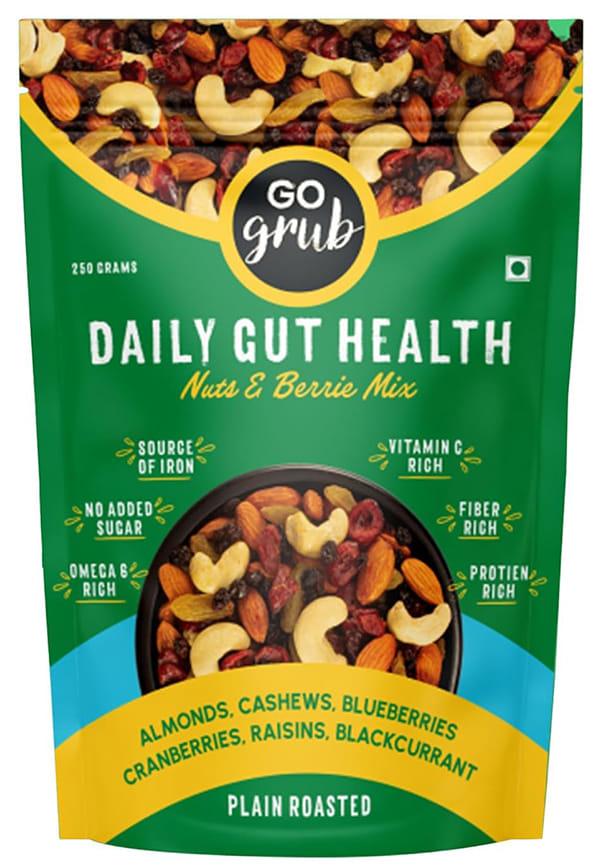
Daily Gut Health Nuts and Berries Mix
Fiber acts as fuel for your beneficial gut bacteria, helping them produce short-chain fatty acids that support digestive health. The best approach is to include both soluble and insoluble fiber from various plant sources. Aim for at least 25-30 grams of fiber daily, but increase gradually to avoid digestive discomfort.
Beans and lentils
Whole grains like quinoa and brown rice
Vegetables like broccoli and Brussels sprouts
Fruits with skin like apples and pears
Nuts and seeds
Building a sustainable gut health diet doesn't require drastic changes—small, consistent improvements work best. Focus on adding more plant variety to your meals rather than restricting entire food groups. The goal is to create an environment where beneficial bacteria can flourish whilst reducing foods that cause inflammation.
Start each day with a fiber-rich breakfast, include fermented foods at one meal, and aim for colorful vegetables at lunch and dinner. Staying hydrated and eating mindfully also support digestive health. Remember, what works for one person might not work for another, so pay attention to how different foods make you feel.
The top foods include yoghurt with live cultures, kimchi, garlic, bananas, oats, and leafy greens. These provide a mix of probiotics, prebiotics, and fiber that support a healthy gut microbiome.
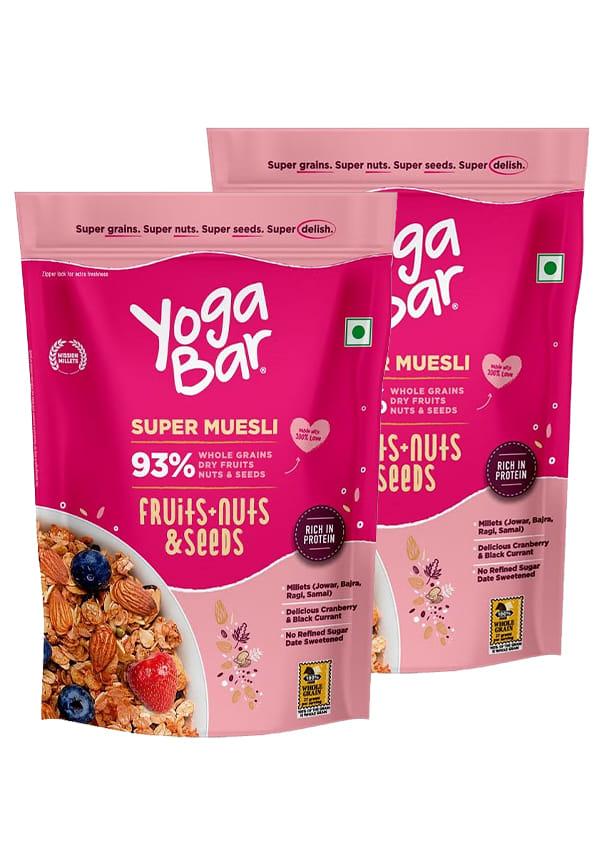
Fruit & Nut Muesli, Super Save Pack, Wholegrain Breakfast, High Fiber Pouch
You might notice improvements in digestion within a few days, but significant changes to your gut microbiome typically take 2-4 weeks of consistent dietary changes.
While probiotic foods are generally safe, introducing too many too quickly can cause temporary bloating or gas. Start with small portions and gradually increase as your system adapts.
Probiotics are live beneficial bacteria found in fermented foods, whilst prebiotics are the fiber and compounds that feed these bacteria. Both are essential for optimal gut health.
Signs include more regular bowel movements, less bloating, improved energy levels, better mood, and fewer digestive issues. You might also notice improvements in skin health and immune function.
Food sources often provide additional nutrients and are generally better absorbed. However, specific probiotic supplements can be helpful for targeted health concerns. Trial options available on Smytten let you test different wellness products before committing to full sizes.
Building better gut health through food choices doesn't have to be complicated. Focus on including a variety of fermented foods for gut health, plenty of fiber rich foods, and minimising ultra-processed options. Remember that consistency matters more than perfection—small daily changes add up to significant improvements over time. Listen to your body and adjust your approach based on how different foods make you feel.
Your journey to better digestive health is unique, and finding the right combination of foods and supplements often requires some experimentation. Smytten makes this process easier by offering curated trial packs from trusted wellness brands, letting you explore different gut health products before committing to full-size purchases. With over 1,500 brands available and 100% cashback on trials, you can discover what works best for your digestive needs without the financial risk. After all, when it comes to your gut health, why settle for 'maybe' when you can #TryItAll and find what truly works for you?
