Expert Insights: Protein Powder for Female Weight Gain

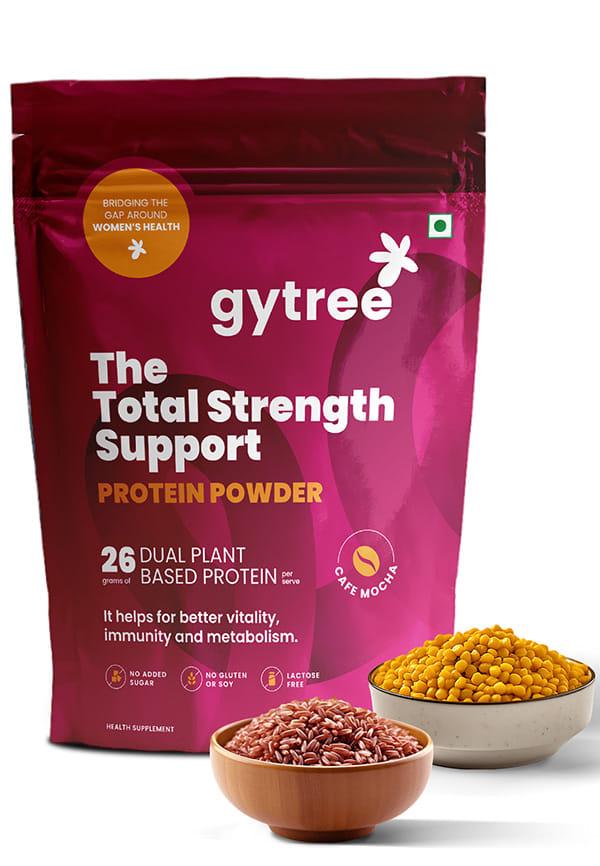
The Total Strength Support Protein Powder
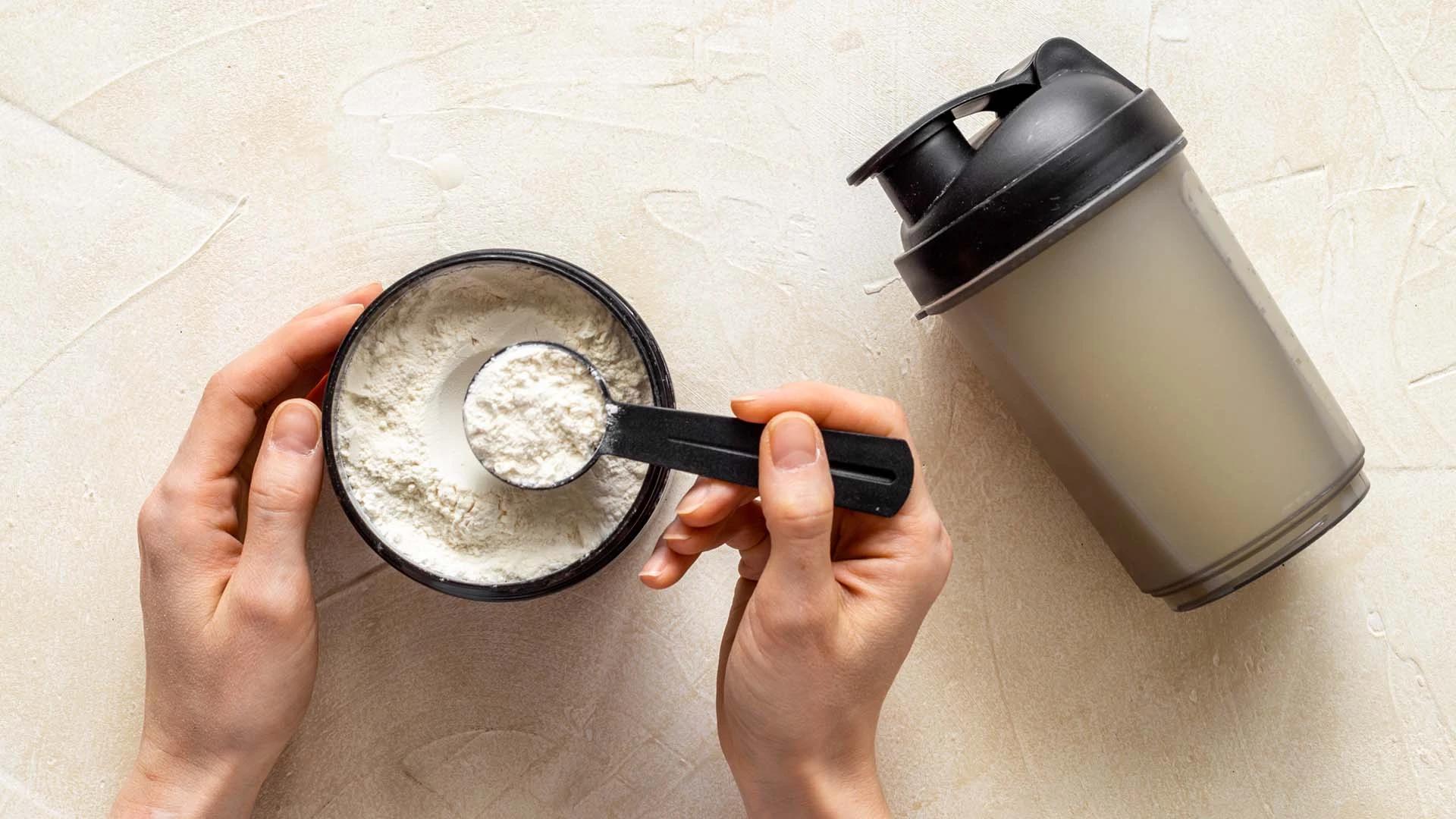
Let's be real—gaining weight as a woman can feel like swimming upstream. While everyone's chatting about weight loss, there's a whole community of us looking to add healthy pounds and build lean muscle mass. Enter protein powder for weight gain for females, your potential game-changer in this journey. But here's the thing: not all protein powders are created equal, and what works for your gym buddy might not be your cup of tea. We're diving deep into expert insights that cut through the noise, debunk myths, and help you discover what actually works for female bodies. Ready to explore the world of nutritional supplements for women that could transform your approach to healthy weight gain?
Choosing the right protein powder isn't just about grabbing the flashiest tub from the shelf. Women's bodies have unique nutritional needs, and weight gain requires a strategic approach that goes beyond simply consuming more calories.
Protein plays a starring role in muscle building protein for women by providing essential amino acids your body needs to repair and build tissue. When you're aiming for healthy weight gain for females, protein helps ensure that extra weight comes from lean muscle rather than just fat. Your body uses protein to synthesise new muscle fibres, especially when combined with resistance training. Studies suggest women need approximately 1.6-2.2 grams of protein per kilogram of body weight when focusing on muscle building and weight gain.
Whey protein remains the gold standard for quick absorption and complete amino acid profiles, making it brilliant for post-workout recovery. Casein protein digests slowly, providing steady amino acid release—perfect for between meals or before bed. Plant-based options like pea, hemp, and rice protein blends offer excellent alternatives for those with dietary restrictions. Each type brings unique benefits: whey for fast results, casein for sustained nutrition, and plant proteins for easy digestion.
Not all protein powders will help you reach your weight gain goals effectively. The key lies in understanding what to look for and how different formulations serve different purposes in your nutrition plan.
Protein content should sit between 20-30 grams per serving for optimal muscle protein synthesis. Calorie density matters too—look for options providing 150-300 calories per serving. Additional nutrients like creatine, BCAAs, and digestive enzymes can boost effectiveness. Taste and mixability might seem minor, but they're crucial for consistency. Nobody wants to choke down chalky shakes daily. Check for artificial additives and choose options that blend smoothly with your preferred liquids.
Mass gainer supplements typically pack 300-600 calories per serving, combining protein with carbohydrates and healthy fats. These calorie-dense protein powders work brilliantly for women struggling to meet daily caloric needs through whole foods alone. Protein blends for female athletes often include multiple protein sources for sustained amino acid release. Look for formulations specifically designed for women, which often include added iron, calcium, and B-vitamins to support female nutritional needs.
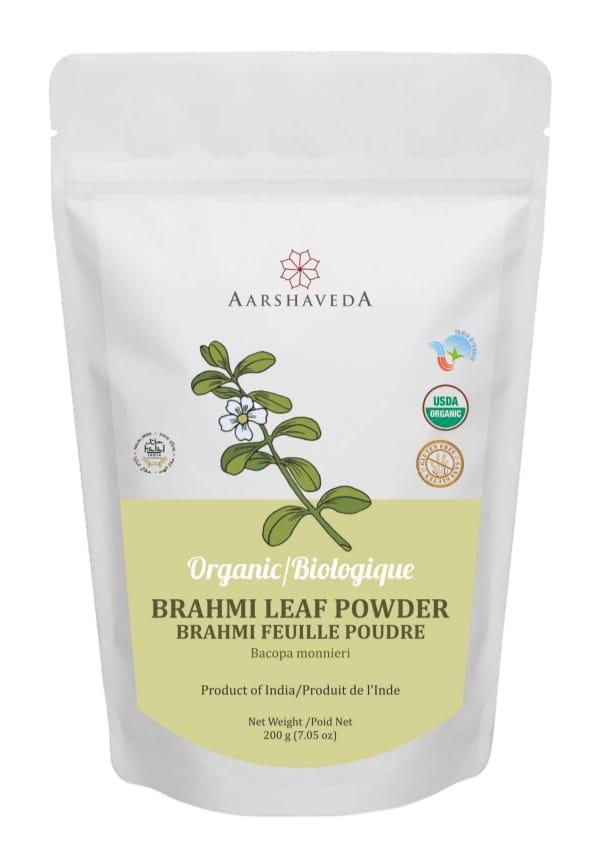
Brahmi Powder
Success with protein powder isn't just about the powder itself—it's about smart integration into your overall nutrition strategy. Timing, dosage, and creative preparation can make all the difference in achieving your goals.
Post-workout consumption within 30 minutes maximises muscle protein synthesis. Having a shake between meals prevents protein gaps that could slow muscle building. Before bed, slower-digesting proteins support overnight recovery. Most women benefit from 1-2 servings daily, depending on their total protein needs and food intake. Spread consumption throughout the day rather than consuming large amounts at once for better absorption.
High-calorie protein shakes become more appealing when you get creative. Try blending protein powder with banana, peanut butter, oats, and milk for a 500-calorie shake. Add avocado for healthy fats and creamy texture without changing the taste dramatically. Berries provide antioxidants and natural sweetness. Greek yoghurt boosts protein content and probiotics. Experiment with spices like cinnamon or vanilla extract to keep flavours interesting and prevent shake fatigue.
Protein powder works best as part of a comprehensive approach to weight gain. Combine it with smart nutrition choices and exercise strategies for optimal results that support your overall health.
Carbohydrates fuel your workouts and support muscle glycogen stores—aim for complex carbs like quinoa, sweet potatoes, and brown rice. Healthy fats from nuts, seeds, and olive oil provide concentrated calories and support hormone production. Don't forget micronutrients: iron for energy, calcium for bone health, and B-vitamins for metabolism. A balanced plate should include protein, carbs, fats, and plenty of colourful vegetables for comprehensive nutrition support.
Resistance training triggers muscle protein synthesis, making your protein intake more effective. Focus on compound movements like squats, deadlifts, and bench presses that work multiple muscle groups. Progressive overload—gradually increasing weight or reps—ensures continued muscle growth. Aim for 3-4 strength sessions weekly, allowing rest days for recovery. Combining resistance training with adequate protein intake maximises lean mass increase supplements' effectiveness.
Let's tackle some persistent myths that might be holding you back from trying protein supplements. These misconceptions often stem from outdated information or fear-based marketing rather than scientific evidence.
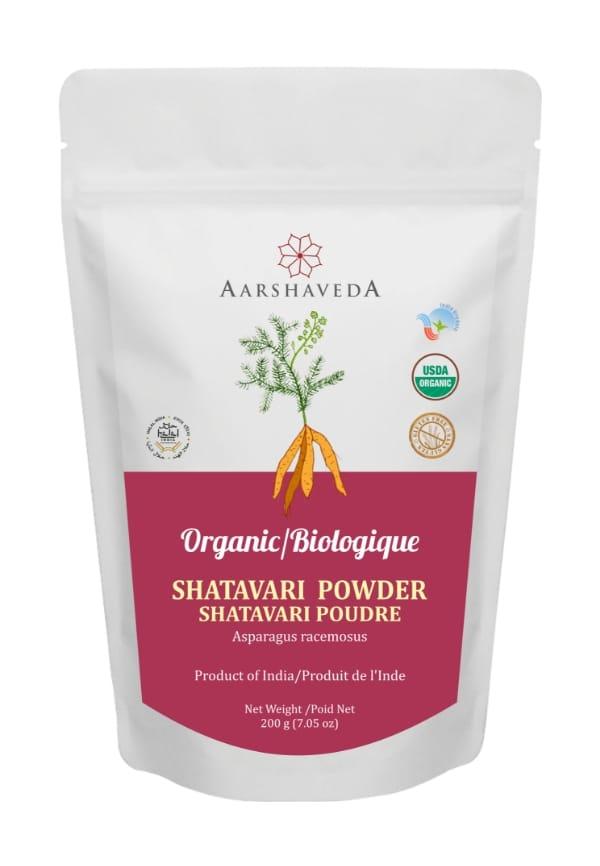
Shatavari Powder
This myth needs to disappear once and for all. Women have significantly lower testosterone levels than men, making it physiologically difficult to develop large, bulky muscles. Whey protein for female bodybuilders helps build lean, toned muscle rather than excessive bulk. The "bulky" look often comes from higher body fat percentages rather than muscle mass. Proper protein intake combined with resistance training creates that coveted lean, strong physique most women actually want.
Protein sources vary dramatically in amino acid profiles, absorption rates, and additional nutrients. Whey digests quickly, making it perfect post-workout, while casein provides slow release for overnight recovery. Plant proteins often require combining sources to achieve complete amino acid profiles. Quality matters too—cheaper options might contain fillers, artificial ingredients, or lower protein bioavailability. Investing in quality protein makes a real difference in results.
While protein powder is generally safe for healthy individuals, being aware of potential issues helps you make informed decisions. Knowledge about side effects and when to seek professional guidance ensures a positive experience.
Some people experience bloating, gas, or stomach upset when starting protein supplements. These issues often resolve as your digestive system adapts. Start with smaller servings and gradually increase to full doses. Lactose intolerance can cause problems with whey—try lactose-free options or plant-based alternatives. Adding digestive enzymes or probiotics can help. Drinking plenty of water aids digestion and prevents constipation that sometimes occurs with increased protein intake.
If you have kidney disease, liver problems, or diabetes, discuss protein supplementation with your doctor first. Persistent digestive issues warrant professional evaluation. Anyone taking medications should verify potential interactions. Pregnant and breastfeeding women need medical guidance before adding supplements. If weight gain goals aren't met after several months of consistent use, consider consulting a nutritionist for personalised advice.
The protein supplement industry continues evolving, with exciting developments on the horizon. Understanding these trends helps you stay informed about emerging options that might suit your needs.
Genetic testing increasingly influences supplement recommendations, allowing for truly personalised nutrition approaches. Companies are developing formulations based on individual metabolic profiles and fitness goals. This means future lean mass increase supplements might be tailored specifically to your genetic makeup and lifestyle. Personalised nutrition represents the next frontier in supplement science, potentially making protein powders more effective than ever.
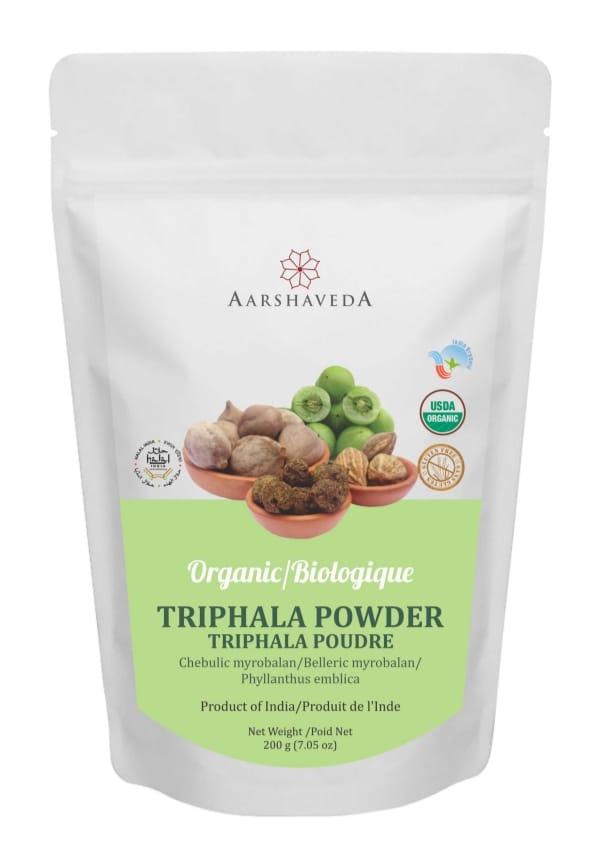
Triphala Powder
Environmental consciousness drives innovation in sustainable protein sources. Insect-based proteins, algae, and other alternative sources are becoming more mainstream. Packaging improvements reduce environmental impact while maintaining product quality. These sustainable options often provide complete nutrition profiles whilst supporting environmental responsibility. Choosing eco-friendly protein aligns your health goals with environmental values.
Whey protein isolate typically causes fewer digestive issues whilst providing complete amino acids for muscle building. Plant-based blends work well for those with lactose sensitivity. Start with smaller servings to assess tolerance, and choose options with minimal artificial ingredients and added digestive enzymes.
Absolutely! Protein powder works brilliantly for home use. Create nutrient-rich weight gain shakes by blending with fruits, nut butters, oats, and milk. Having convenient access to protein between meals supports consistent intake, which is crucial for weight gain success.
Whey protein offers fast absorption and complete amino acids, making it excellent post-workout. Casein provides slower release for sustained nutrition. Plant proteins offer easier digestion but may require combining sources for complete amino profiles. Each type has unique benefits depending on timing and individual needs.
Many brands create region-specific formulations considering local dietary patterns and nutritional deficiencies. Indian formulations often include added iron and B-vitamins to address common deficiencies in women. However, quality protein works universally—focus on amino acid profiles and calorie density rather than geographic targeting.
Prioritise 20-30 grams protein per serving, 150-300 calories, and minimal artificial ingredients. Look for added nutrients like iron, calcium, and B-vitamins that support women's health. Good taste and mixability ensure consistent use. Consider your dietary restrictions and choose accordingly—whey for fast results, plant-based for sensitive stomachs.
Choosing the right protein powder for weight gain requires understanding your individual needs, goals, and body responses. Quality matters more than quantity—invest in protein sources that provide complete amino acids and additional nutrients supporting women's health. Remember that protein powder works best as part of a comprehensive approach including balanced nutrition and resistance training. Don't let myths hold you back from exploring options that could support your healthy weight gain journey. Success comes from consistency, patience, and finding what works specifically for your body and lifestyle.
