Anxiety Relief for Teens FAQ: Your Questions Answered


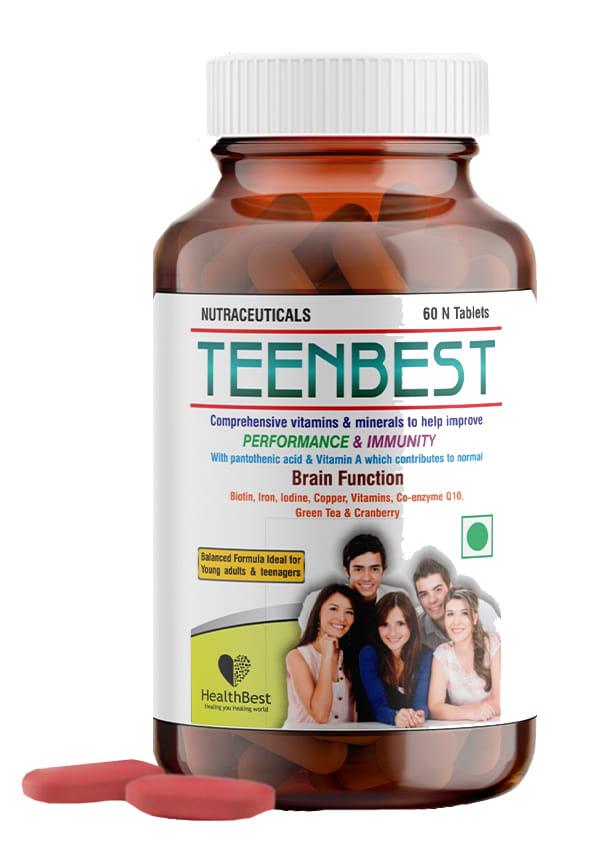
Teen Multivitamin Tablets - Daily Vitamins for Teenagers - Boost Energy & Immunity
Teen years can feel like an emotional rollercoaster, and anxiety often comes along for the ride. If you're a teenager dealing with overwhelming worry, panic attacks, or constant stress, you're definitely not alone. Millions of teens across India face similar challenges, and the good news is that effective anxiety relief for teens is absolutely possible. Whether you're looking for immediate coping strategies, wondering when to seek professional help, or trying to understand what's happening in your mind, this comprehensive guide has got you covered. From breathing techniques you can use in the middle of a maths exam to long-term wellness strategies that actually work, we're breaking down everything you need to know about managing teen anxiety. Plus, platforms like Smytten are making it easier than ever to discover wellness products that might support your mental health journey—because sometimes the right aromatherapy oil or stress-relief tea can be a helpful addition to your anxiety toolkit.
Teen anxiety is incredibly common and treatable with the right combination of techniques and support
Immediate relief methods like deep breathing, grounding techniques, and progressive muscle relaxation can help during panic moments
Daily habits including proper sleep, nutrition, exercise, and mindfulness practices significantly impact teen emotional well-being
Professional help should be sought when anxiety interferes with daily life, school performance, or relationships
Parents and caregivers play a crucial role in supporting anxious teens through active listening and creating safe spaces for expression
Teen mental health support starts with understanding what anxiety actually looks like in adolescents. Unlike adult anxiety, teenage anxiety often shows up differently—think racing thoughts before a presentation, avoiding social situations, or physical symptoms like headaches and stomach aches that seem to have no medical cause.
Dealing with teenage anxiety involves recognising that adolescent brains are still developing, particularly the prefrontal cortex responsible for decision-making and emotional regulation. This means teens naturally experience emotions more intensely and may struggle with perspective-taking during stressful situations.
Anxiety in teens can manifest as excessive worry about school performance, social acceptance, or future plans. Physical symptoms include rapid heartbeat, sweating, trembling, or feeling short of breath. Many teens also experience sleep disturbances, difficulty concentrating, or sudden mood changes.
Normal teenage stress typically relates to specific situations and resolves relatively quickly. Clinical anxiety, however, persists for weeks or months, interferes with daily activities, and feels disproportionate to the actual threat or situation.
When anxiety hits hard, having reliable coping mechanisms for teenagers in your back pocket can make all the difference. These stress management techniques for adolescents are designed to work quickly, whether you're in a classroom, at home, or hanging out with friends.
The beauty of these techniques is that they're discreet—no one needs to know you're using them. You can practice them anywhere, anytime, without drawing attention to yourself.
Breathe in through your nose for 4 counts, hold for 7 counts, then exhale through your mouth for 8 counts. This technique activates your parasympathetic nervous system, naturally calming your body's stress response. Practice this 3-4 times in a row for maximum effect.
Identify 5 things you can see, 4 things you can touch, 3 things you can hear, 2 things you can smell, and 1 thing you can taste. This sensory-based approach pulls your mind away from anxious thoughts and grounds you in the present moment.
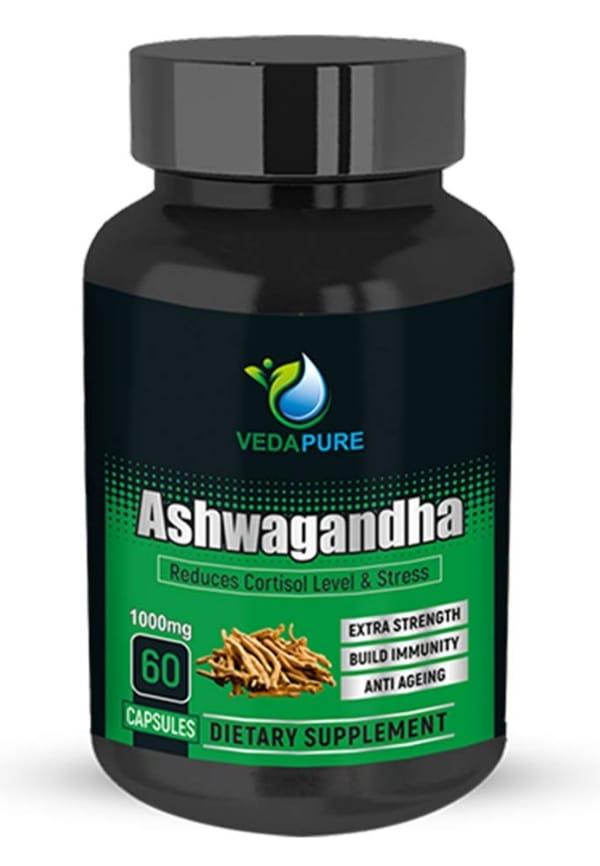
Ashwagandha Anxiety & Stress Relief
Breathe in for 4 counts, hold for 4, exhale for 4, hold empty for 4. Repeat this pattern 4-6 times. This technique is particularly effective during exams or before social situations because it's simple to remember and execute.
Building long-term resilience requires consistent teen self-care tips that become part of your daily routine. Youth mental wellness strategies work best when they're woven into your lifestyle rather than treated as emergency measures.
Think of these habits as your anxiety prevention toolkit. They won't eliminate stress entirely, but they'll help you handle challenging situations with more confidence and less overwhelm.
Aim for 8-10 hours of sleep nightly with a consistent bedtime routine. Create a screen-free zone 1 hour before bed, keep your room cool and dark, and avoid caffeine after 2 PM. Quality sleep directly impacts your brain's ability to regulate emotions and cope with stress.
Limit caffeine intake, as it can trigger anxiety symptoms in sensitive individuals. Focus on regular meals with protein, complex carbohydrates, and omega-3 fatty acids. Foods like salmon, walnuts, and leafy greens support brain health and emotional stability.
Regular exercise releases endorphins, reduces cortisol levels, and provides a healthy outlet for nervous energy. Even 20-30 minutes of walking, dancing, or playing sports can significantly impact your mood and anxiety levels.
Adolescent psychological health improves dramatically when teens learn to identify and challenge unhelpful thought patterns. CBT skills provide support for anxious teens by teaching practical ways to reframe negative thinking and develop more balanced perspectives.
These techniques aren't about positive thinking or pretending problems don't exist. Instead, they help you examine your thoughts more objectively and respond to situations based on facts rather than fears.
Common patterns include catastrophising (imagining the worst-case scenario), all-or-nothing thinking (seeing situations as completely good or bad), and mind reading (assuming you know what others think). Learning to spot these patterns is the first step in changing them.
When you notice anxious thoughts, ask yourself: Is this thought realistic? What evidence supports or contradicts it? What would I tell a friend in this situation? This process helps create distance between you and your anxious thoughts.
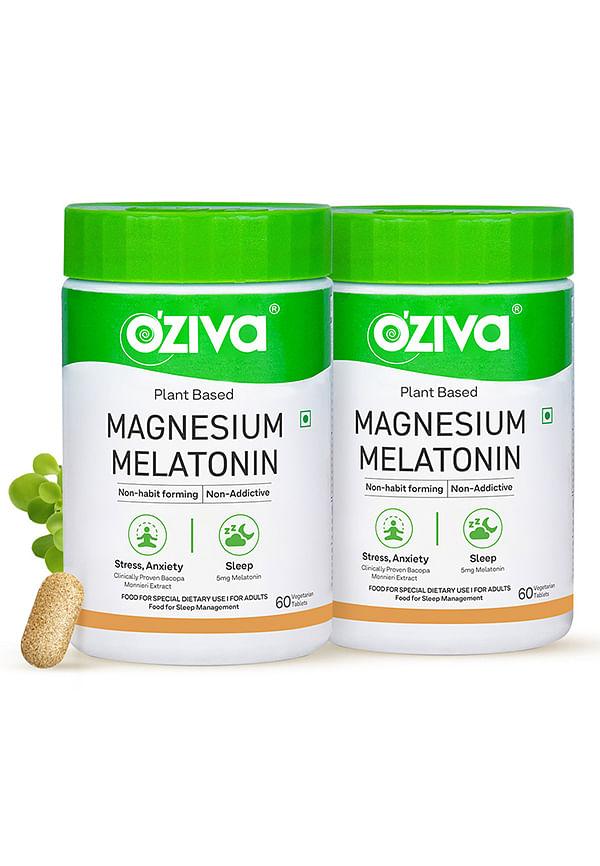
Magnesium Melatonin - Restful Sleep, Reduced Stress, Anxiety
Anxiety often leads to avoidance, which can make problems worse over time. Gradual exposure to feared situations, starting with less threatening scenarios, helps build confidence and reduces anxiety's power over your choices.
Knowing when to escalate teen mental health support to professional level is crucial for both teens and parents. While self-help strategies are valuable, some situations require expert intervention to ensure proper treatment and support.
There's absolutely no shame in seeking professional help—it's actually a sign of strength and self-awareness. Mental health professionals have specialised training to help teens navigate complex emotional challenges.
Seek help if anxiety interferes with school attendance, social relationships, or daily functioning for more than two weeks. Other red flags include panic attacks, persistent sleep problems, significant appetite changes, or thoughts of self-harm.
Look for licensed therapists who specialise in adolescent anxiety disorders. Cognitive Behavioural Therapy (CBT) and Acceptance and Commitment Therapy (ACT) have strong research support for teen anxiety. Many therapists also incorporate mindfulness-based approaches.
For severe anxiety, medication might be recommended alongside therapy. SSRIs (selective serotonin reuptake inhibitors) are commonly prescribed for teen anxiety, but medication decisions should always involve parents, teens, and qualified medical professionals.
Providing effective support for anxious teens requires a delicate balance between offering help and encouraging independence. Parents and caregivers play a vital role in teen mental health support, but the approach matters significantly.
Remember that your teen's anxiety isn't a reflection of your parenting. Anxiety disorders have multiple causes, including genetics, brain chemistry, and environmental factors beyond anyone's control.
Use open-ended questions like "How are you feeling about...?" rather than "Are you okay?" Validate their emotions without immediately jumping to solutions. Sometimes teens just need to feel heard and understood before they're ready for advice.
Establish regular check-ins without making them feel like interrogations. Create opportunities for natural conversations during car rides, walks, or shared activities. Avoid dismissing their concerns as "just teenage drama."
Iron Syrup for Kids Boosts Hemoglobin, Appetite and Immunity, Safe & Effective - 200ml
Don't say things like "just relax" or "stop worrying"—anxiety doesn't work that way. Avoid taking over situations your teen can handle with support. Instead, ask how you can help and respect their preferences when possible.
Natural approaches include herbal teas like chamomile, magnesium supplements (with doctor approval), and aromatherapy with lavender oil. However, the most effective treatments are usually therapy, lifestyle changes, and coping skills. For severe anxiety, consult a healthcare provider about professional treatment options.
Research suggests that magnesium, vitamin D, omega-3 fatty acids, and B-complex vitamins may support mental health. However, supplements should complement, not replace, proven treatments like therapy and lifestyle changes. Always consult a healthcare provider before starting any supplement regimen.
Dual diagnosis requires professional support, as anxiety and depression often reinforce each other. Focus on maintaining routines, encouraging social connections, and ensuring proper sleep and nutrition. Therapy that addresses both conditions simultaneously is typically most effective.
During panic attacks, stay calm and remind them that the feeling will pass. Practice grounding techniques together and create a safety plan for managing attacks at school or in public. Professional help is essential for developing long-term panic management strategies.
Natural approaches include regular exercise, mindfulness meditation, adequate sleep, limiting caffeine, spending time in nature, and maintaining social connections. Creative outlets like art, music, or writing can also provide emotional release and stress relief.
Absolutely! Smytten offers trial packs of various wellness products including aromatherapy oils, herbal teas, and stress-relief supplements. You can explore different options through their trial packs before committing to full-size purchases, making it easier to find what works for your specific needs.
Anxiety relief for teens requires a multi-faceted approach combining immediate coping strategies, lifestyle changes, and professional support when needed. The most effective teen mental health support acknowledges that anxiety is treatable and that recovery is absolutely possible with the right tools and resources.
Remember that managing teenage anxiety is a process, not a destination. Some days will be better than others, and that's completely normal. The key is building a toolkit of coping mechanisms for teenagers that work for your specific situation and personality.
Whether you're using breathing techniques during a stressful exam, establishing better sleep habits, or working with a therapist to challenge negative thought patterns, every step towards better mental health matters. Support systems—including family, friends, school counsellors, and mental health professionals—play crucial roles in this journey.
Teen anxiety might feel overwhelming, but you're not powerless against it. With the right combination of self-care strategies, professional support, and patience with yourself, managing anxiety becomes much more achievable. Sometimes, small additions to your wellness routine—like trying a calming tea or aromatherapy oil—can provide extra comfort during challenging times. Smytten makes exploring these wellness options accessible through their trial packs, letting you discover what works for your unique needs without the pressure of full-size commitments. With over 25 million users trusting their platform for authentic, brand-verified products, you can feel confident about the quality of wellness items you're trying. Remember, taking care of your mental health is just as important as taking care of your physical health, and seeking support shows strength, not weakness. After all, why settle for struggling alone when you can explore all the tools available to help you thrive?
