7 Wellness Tips for Perfect Daily Routines

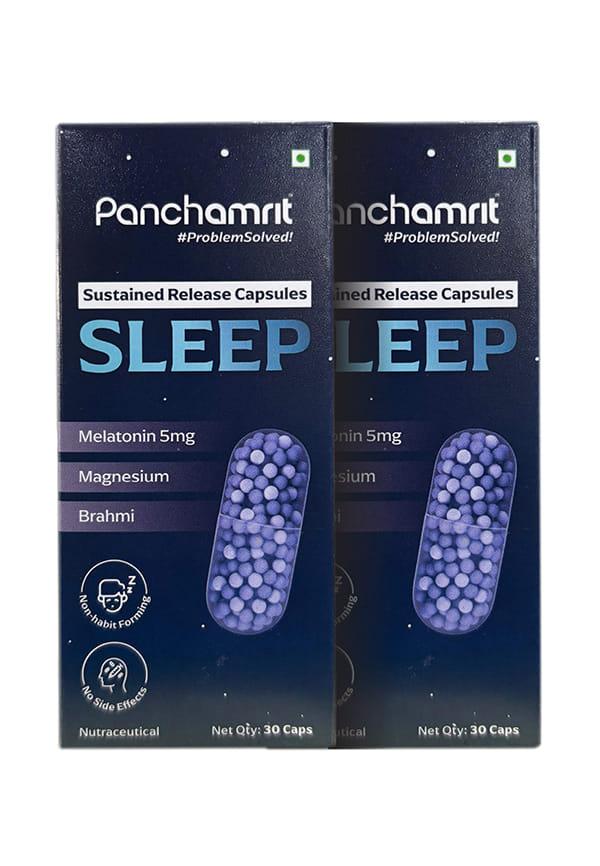 30 N*2
Sustained Release Capsule For Sleep with 5mg Melatonin, 30mg Valerian Root |Deep, Relaxing, Undisturbed Sleep |Non-Habit Forming
Building a guide to healthy routines isn't just about ticking boxes on a wellness checklist—it's about creating a life that feels good from the inside out. Let's be real, we've all been there: scrolling through Instagram at 2 AM, promising ourselves we'll start that perfect morning routine tomorrow, only to hit snooze five times and grab a coffee on the run. But here's the thing—sustainable wellness tips aren't about perfection; they're about finding what actually works for your life. Whether you're a student juggling assignments, a working professional managing deadlines, or someone simply wanting to feel more energised, the right daily routine can be your secret weapon for success.
The science behind healthy habits is pretty fascinating. When you repeat an action consistently, your brain creates neural pathways that make the behaviour automatic. This is called habit stacking, and it's why your morning routine can feel effortless once it's established. Research shows that people with structured daily routines report 23% higher energy levels and 31% better stress management compared to those without consistent patterns. Think of healthy habits like compound interest for your wellbeing. That 10-minute walk you take every morning might seem small, but over months, it builds cardiovascular health, improves mood, and boosts mental clarity. Your evening routine of reading instead of scrolling creates better sleep quality, which enhances everything from your immune system to your decision-making abilities the next day. The connection between routine structure and mental clarity is particularly interesting. When your brain doesn't have to make countless micro-decisions throughout the day (What should I eat? When should I exercise? How should I wind down?), it preserves mental energy for the things that actually matter. This is why successful people often have seemingly boring routines—it's not about being rigid; it's about creating space for creativity and spontaneity where it counts.
Before diving into specific wellness tips, you need to understand where you're starting from. Your current daily routine might feel chaotic, but there are probably patterns you haven't noticed. Maybe you naturally feel more energetic in the morning, or perhaps you're someone who comes alive after 6 PM. Understanding your chronotype—your body's natural sleep-wake cycle—is crucial for building a routine for success.
Spend a week tracking your energy levels, mood, and productivity at different times. Notice when you feel most alert, when you naturally want to eat, and when you start feeling tired. This isn't about judging your current habits; it's about working with your natural rhythms rather than against them.
A solid wellness routine often follows what wellness experts call the 5-2-1-0 rule. This means aiming for 5 servings of fruits and vegetables daily, limiting recreational screen time to 2 hours or less, getting 1 hour of physical activity, and consuming 0 sugary drinks. This framework gives you concrete targets whilst remaining flexible enough to fit different lifestyles.
Your morning routine sets the tone for everything that follows. The goal isn't to become someone who bounces out of bed at 5 AM (unless that's genuinely you), but to create a sequence of healthy habits that help you feel grounded and energised. Start with hydration—your body has been fasting for 6-8 hours, and even mild dehydration can affect mood and cognitive function. Keep a glass of water by your bed or invest in a water bottle you actually like using. Next, incorporate some form of movement. This doesn't mean a full workout; even 5 minutes of stretching or walking around your home can increase blood flow and help you feel more awake.
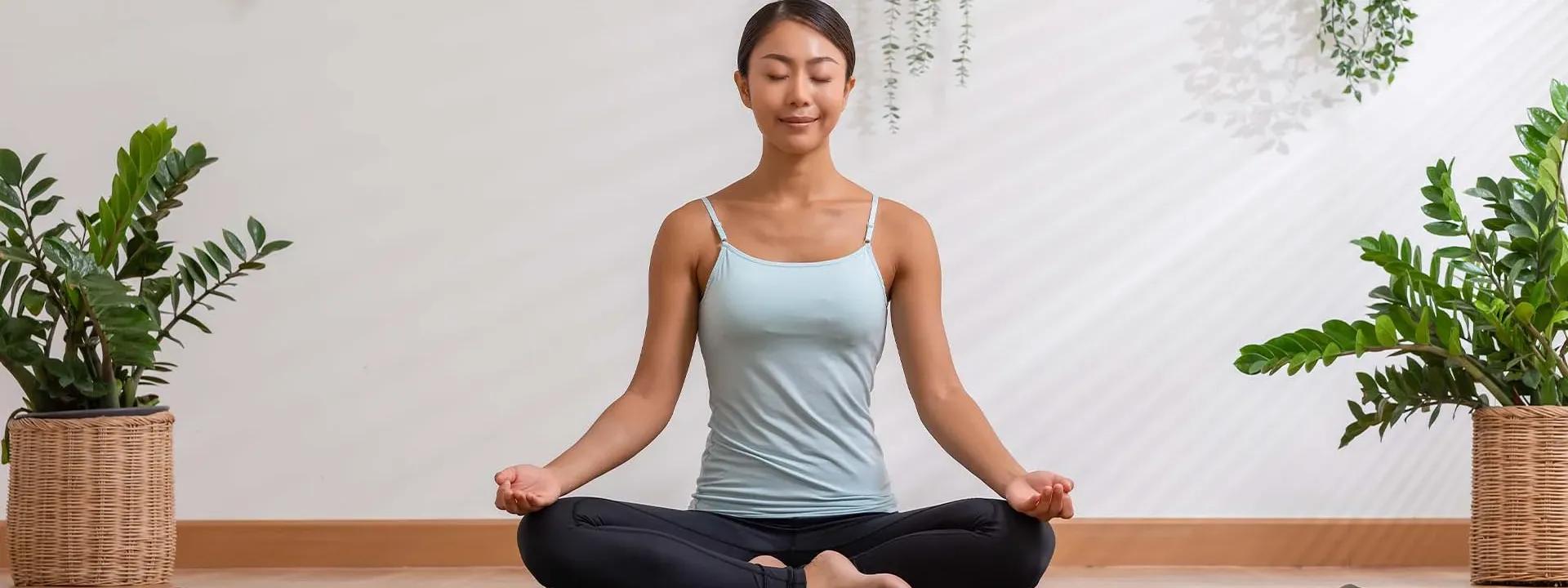
A mindfulness routine doesn't require sitting in lotus position for an hour. It could be three deep breaths whilst your coffee brews, writing down one thing you're grateful for, or simply eating your breakfast without checking your phone. These small moments of presence can significantly impact your stress levels throughout the day.
 Pack of 2
Magnesium Melatonin - Restful Sleep, Reduced Stress, Anxiety
Breakfast doesn't have to be elaborate, but it should include protein and fibre to keep your blood sugar stable. Think Greek yoghurt with berries, eggs with avocado, or overnight oats with nuts. The key is finding something you actually enjoy eating, not forcing yourself to choke down something because it's "healthy."
Your evening routine is just as important as your morning one, but it serves a different purpose. While mornings are about activation, evenings are about restoration. The goal is to signal to your body and mind that it's time to transition from the day's demands to rest and recovery. Start your wind-down process 1-2 hours before you want to be asleep. This might mean dimming lights, switching to more relaxing activities, or beginning your self-care routine. The blue light from screens can interfere with melatonin production, so consider implementing a digital sunset—a time after which you avoid screens or use blue light filters.
Your bedroom environment significantly impacts sleep quality. Keep it cool (around 18-19°C), dark, and quiet. If you live in a noisy area, consider a white noise machine or earplugs. Investing in comfortable bedding isn't just luxury; it's an investment in better sleep, which affects everything from your immune system to your mood.
Spend a few minutes reflecting on your day—what went well, what you learned, what you're grateful for. This isn't about perfectionism; it's about closure. You might also jot down your top three priorities for tomorrow, which can help quiet the mental chatter that often keeps people awake.
The most effective healthy habits are the ones that fit seamlessly into your existing life. Rather than overhauling everything at once, focus on small, consistent changes that compound over time. This approach, called habit stacking, involves attaching a new habit to an existing one. For nutrition, this might mean adding a piece of fruit to a meal you already eat regularly, or drinking a glass of water before each meal. For movement, it could be taking the stairs instead of the lift, or doing squats whilst your tea steeps. The key is making these changes so small that they feel almost effortless.
Most people know they should drink more water but struggle with implementation. Try linking water intake to existing habits: drink a glass when you wake up, before each meal, and before bed. If plain water feels boring, try adding cucumber, lemon, or mint. The goal is finding a system that works for your lifestyle, not forcing yourself into someone else's routine.
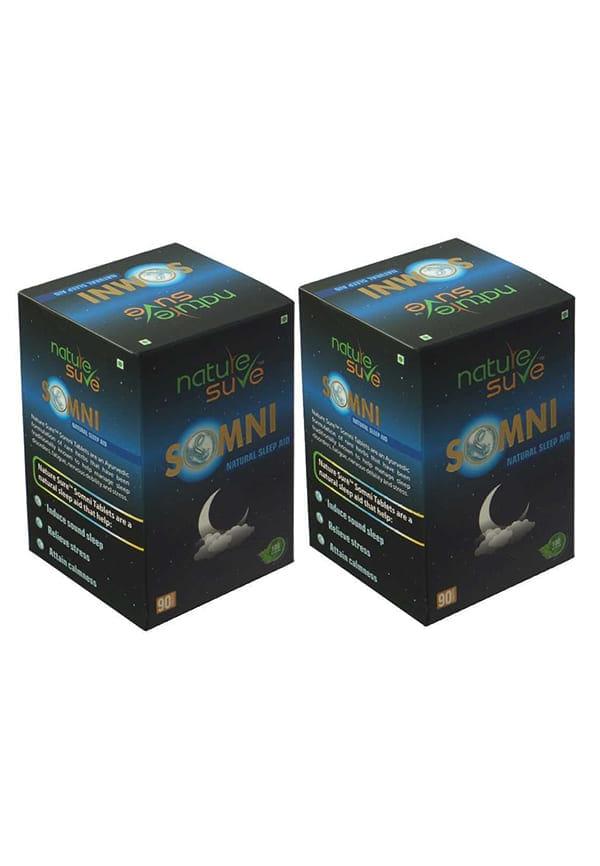 Pack of 2
SOMNI Natural Sleep Aid Daily Herbal Supplement for Men & Women
Exercise doesn't have to mean gym sessions or running marathons. It's about finding ways to move your body that you actually enjoy. This might be dancing whilst cooking, walking meetings with colleagues, or doing yoga videos in your living room. The best exercise is the one you'll actually do consistently.
A self-care routine isn't just face masks and bubble baths (though those can be lovely). True self-care is about maintaining your mental, emotional, and physical wellbeing through consistent practices. This includes stress management, boundary setting, and regular check-ins with yourself. Stress management techniques should be as personalised as your wellness routine. Some people find relief through deep breathing exercises, others through journaling, and some through physical activity. The key is having multiple tools in your toolkit, so you can choose what feels right in different situations.
Just as you maintain your physical health through regular habits, your mental health benefits from consistent care. This might include weekly check-ins with yourself about how you're feeling, setting boundaries around work and social commitments, or practicing saying no to things that don't align with your values or energy levels.
Humans are social creatures, and isolation can significantly impact wellbeing. Building connection into your daily routine might mean calling a friend during your commute, joining a local class, or simply making eye contact and smiling at people you encounter. These small social interactions can boost mood and create a sense of belonging.
One of the biggest mistakes people make when building a guide to healthy routines is creating something so rigid that it breaks at the first sign of disruption. Life happens—you'll have late nights, early meetings, travel, illness, and busy periods. The most sustainable wellness routine is one that can bend without breaking. Develop what you might call "minimum viable routines"—scaled-down versions of your ideal habits that you can maintain even on chaotic days. Maybe your full morning routine takes 45 minutes, but your minimum version is just 5 minutes of deep breathing and a glass of water. Having these backup plans prevents the all-or-nothing thinking that often derails progress.
Tracking your healthy habits can be incredibly motivating, but it can also become a source of stress if you're not careful. The goal is awareness, not perfection. You might use a simple habit tracker, take photos of your meals, or just mentally note how you feel after different activities. Remember that progress isn't always linear. You might have amazing weeks followed by challenging ones, and that's completely normal. The key is looking at trends over time rather than getting caught up in daily fluctuations.
The most important aspect of any routine for success is that it feels authentic to you. Your wellness routine should enhance your life, not feel like a punishment. If you hate running, don't force yourself to become a runner. If you're not a morning person, don't try to become one overnight. This is where platforms like Smytten can be incredibly helpful. As India's largest product discovery platform, Smytten lets you explore wellness products from over 1,500 trusted brands without committing to full-size purchases. Whether you're curious about a new skincare routine, want to try different wellness supplements, or explore aromatherapy products for your evening routine, you can get up to 8 minis for just ₹249. This approach to wellness discovery means you can experiment with different products and brands until you find what genuinely works for your healthy lifestyle, rather than settling for products that don't quite fit your needs.
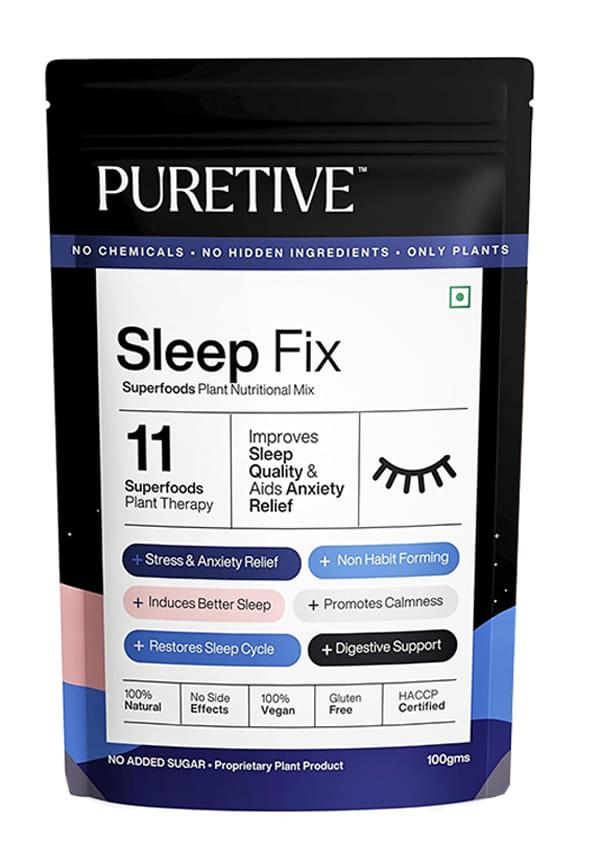 100 gm
Sleep Fix Superfoods Mix | Natural Melatonin
When building your guide to healthy routines, avoid the temptation to change everything at once. Your brain can only handle so much change before it rebels. Start with one or two habits and build from there. Also, resist the urge to compare your routine to others—what works for your favourite influencer might not work for your life, schedule, or preferences. Perfectionism is another common trap. Missing a day or two doesn't mean you've failed; it means you're human. The goal is progress, not perfection. Finally, remember that routines should evolve as your life changes. What works in your twenties might not work in your thirties, and that's perfectly fine.
Research suggests it takes anywhere from 21 to 66 days to form a new habit, with an average of about 66 days. However, this varies greatly depending on the complexity of the habit and individual factors. Simple habits like drinking water upon waking might feel automatic within a few weeks, whilst more complex routines like regular exercise might take several months to feel natural.
The best time is now, regardless of the day of the week or time of year. Whilst many people prefer starting on Mondays or at the beginning of a month, waiting for the "perfect" time often leads to endless postponement. Start small with whatever time and energy you have available today.
Develop flexible versions of your core habits. For travel, this might mean bodyweight exercises instead of gym sessions, or meditation apps instead of your usual quiet space. The key is maintaining some version of your routine rather than abandoning it entirely.
Tracking can be helpful, but it shouldn't become stressful or time-consuming. Focus on tracking one or two key habits that matter most to you. Many people find that simply checking off completed habits on a calendar or app provides enough motivation without becoming overwhelming.
Wellness changes often happen gradually and internally before becoming visible externally. You might notice improved energy, better sleep, or enhanced mood before seeing physical changes. Trust the process and focus on how the habits make you feel rather than just measurable outcomes.
Building your perfect guide to healthy routines is a journey, not a destination. The most successful wellness routine is one that evolves with you, supports your goals, and enhances rather than complicates your life. Remember, the goal isn't to create the most impressive routine on paper; it's to develop healthy habits that genuinely improve how you feel and function. Start small, be patient with yourself, and celebrate the small wins along the way. Whether it's nailing your morning routine, perfecting your evening routine, or simply drinking more water throughout the day, every positive change matters. Your future self will thank you for the investment you make in your wellbeing today. With Smytten's approach to discovery—allowing you to try before you commit—you can explore wellness products and routines without the pressure of major investments. After all, why settle for 'maybe' when you can try it all and find what truly works for your unique healthy lifestyle?
