7 Proven Ways to Discover Stress Relief Now


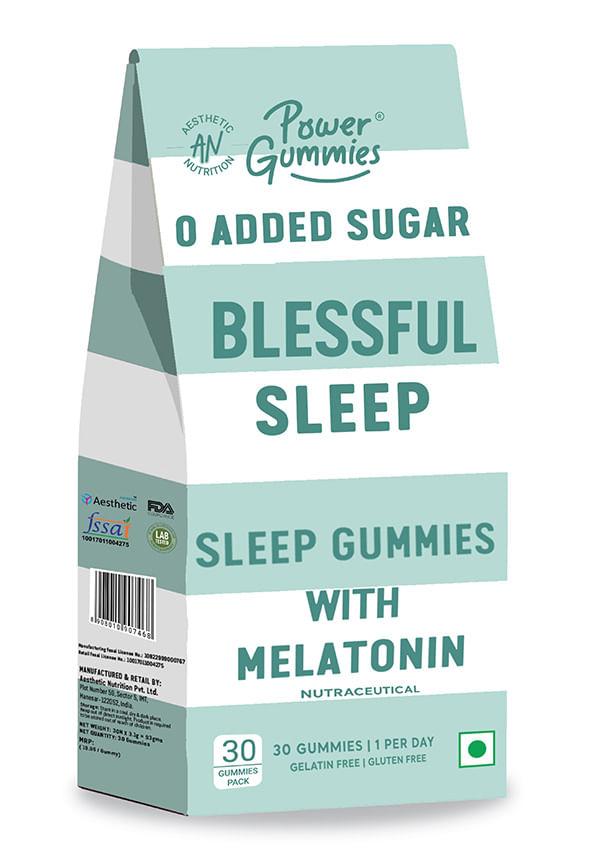 30 Gummies
Blessful Beauty Sleep Gummies with Melatonin, Now with 0 Added Sugar
Let's be real—stress has become the uninvited guest that just won't leave. Whether it's work deadlines, family drama, or just the general chaos of modern life, we're all looking for ways to discover stress relief that actually work. The good news? You don't need a week-long retreat or expensive therapy sessions to find your calm. Science has given us some brilliant, proven methods that can help you manage stress in minutes, not months. From quick mindfulness tricks to simple physical movements, these seven techniques are your toolkit for turning down the volume on life's overwhelming moments. Ready to find what works for your kind of stress?
Your body wasn't designed to handle constant stress, and frankly, it's getting a bit fed up with the situation. When stress becomes your daily companion, it triggers a cascade of physical and mental health issues that go way beyond feeling a bit frazzled.
Chronic stress management isn't just about feeling better in the moment—it's about protecting your long-term wellbeing. When you're constantly stressed, your body pumps out cortisol like it's going out of style. This stress hormone might help you sprint away from danger, but when it's constantly elevated, it wreaks havoc on everything from your immune system to your sleep patterns. Your mental health takes a hit too, with anxiety, depression, and brain fog becoming unwelcome regulars in your life.
The brilliant thing about quick stress reduction techniques is that they interrupt this cycle before it spirals. Think of them as circuit breakers for your nervous system. When you discover stress relief methods that work fast, you're not just putting a plaster on the problem—you're actually rewiring your brain's response to stressful situations. These wellbeing tips become your secret weapon against life's curveballs.
Mindfulness might sound like something reserved for meditation retreats, but it's actually one of the most accessible relaxation techniques you can master. The beauty of mindfulness is that it works anywhere, anytime—whether you're stuck in traffic or dealing with a difficult conversation.
Start with the 5-4-3-2-1 grounding technique, which is basically mindfulness for beginners. Look around and name five things you can see, four things you can touch, three things you can hear, two things you can smell, and one thing you can taste. This simple exercise pulls your mind out of stress spiral mode and anchors it in the present moment.
The 4-7-8 breathing technique is worth obsessing over. Breathe in for four counts, hold for seven, then exhale for eight. It sounds almost too simple, but this pattern activates your parasympathetic nervous system—basically telling your body it's safe to chill out.
You don't need an hour for this. Start at your toes and mentally check in with each part of your body, working your way up. Notice where you're holding tension and consciously relax those areas. Even a three-minute body scan can help you discover stress relief in unexpected places.
Your body is brilliant at storing stress, but it's equally good at releasing it through movement. The key is finding calming strategies that work with your schedule, not against it.
Desk-bound all day? Try shoulder rolls, neck stretches, and gentle spinal twists right from your chair. These micro-movements might seem insignificant, but they're incredibly effective for coping with stress that builds up during long work sessions. Set a reminder to move every hour—your future self will thank you.
Walking meditation combines the benefits of movement with mindfulness. Focus on each step, the feeling of your feet touching the ground, and the rhythm of your movement. It's particularly helpful for anxiety relief because it gives your mind something concrete to focus on.
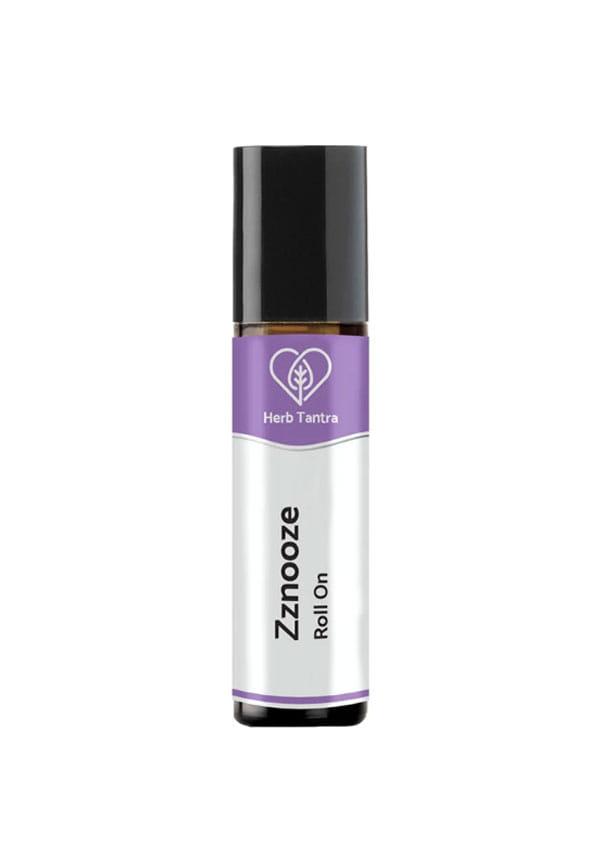 9 ml
9 mlZznooze Roll On For Better Sleep quality
Tense each muscle group for five seconds, then release. Start with your toes and work your way up to your face. This technique helps you recognise the difference between tension and relaxation, making it easier to spot stress in your body before it becomes overwhelming.
Your senses are powerful allies in stress reduction, and engaging them strategically can create instant calm. Think of this as creating a mini spa experience wherever you are.
Aromatherapy isn't just fancy marketing—certain scents genuinely help your nervous system shift gears. Lavender, chamomile, and bergamot are scientifically proven to reduce cortisol levels. Keep a small bottle of essential oil in your bag for emergency stress relief. Just a few drops on your wrists or a quick inhale can work wonders for emotional wellness.
Create a playlist of songs that instantly transport you to a calmer headspace. Nature sounds, classical music, or even your favourite chill tracks can help regulate your nervous system. The key is consistency—use the same sounds regularly so your brain learns to associate them with relaxation.
Cold water on your wrists or face activates your vagus nerve, which helps regulate your stress response. Alternatively, a warm compress on your neck and shoulders can melt away physical tension. These simple temperature changes are surprisingly effective calming strategies.
Sometimes the most effective way to discover stress relief is to change how you think about stressful situations. Cognitive reframing isn't about pretending everything is fine—it's about developing a more balanced perspective.
Start by identifying your stress triggers and the thoughts that accompany them. Are you catastrophising? Making assumptions? Once you spot these patterns, you can begin to challenge them. Instead of "This is a disaster," try "This is challenging, but I can handle it." This shift in mental health approach can dramatically reduce the intensity of your stress response.
Ask yourself: Will this matter in five years? What would I tell a friend in this situation? These simple questions can help you step back from immediate stress and see the bigger picture.
Replace harsh self-criticism with compassionate, realistic statements. Instead of berating yourself for feeling stressed, acknowledge that stress is a normal human response and that you're actively working on coping with stress in healthy ways.
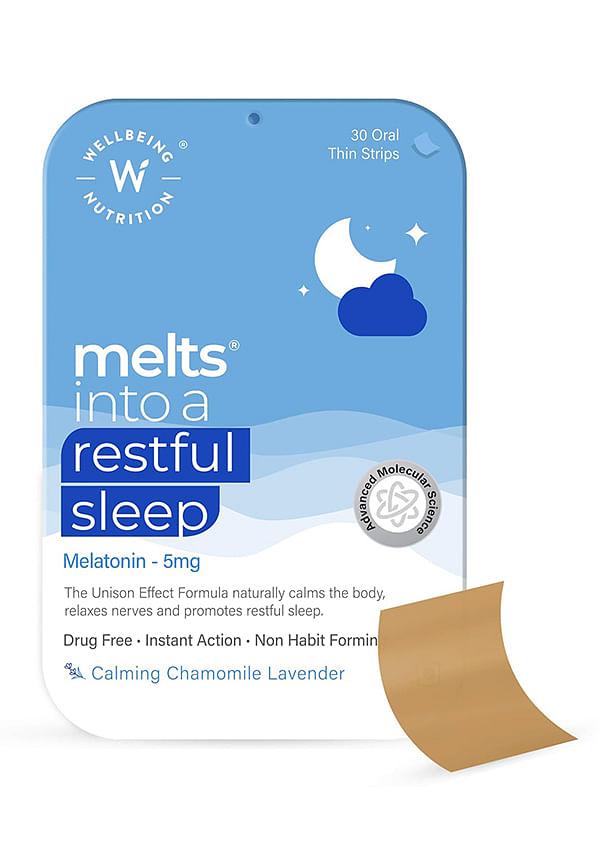 30 Strips
Melts Restful Sleep | Plant-Based Melatonin 5mg for Deep Sleep 30 Oral Strips
Humans are wired for connection, and isolation often amplifies stress. Building strong support systems isn't just nice to have—it's essential for emotional wellness and long-term stress management.
Don't underestimate the power of a good chat with someone who gets it. Whether it's a quick text to a friend, a call to family, or even chatting with a colleague, social connection releases oxytocin, which naturally counteracts stress hormones. The key is being intentional about these connections rather than waiting until you're overwhelmed.
Identify three people you can reach out to when stress hits. Make sure they know they're part of your support system—most people are happy to help but need to know you value their support.
Know when to seek professional help. If stress is significantly impacting your daily life, sleep, or relationships, a mental health professional can provide specialised wellbeing tips and strategies tailored to your specific situation.
Much of our stress comes from feeling overwhelmed by commitments and responsibilities. Learning to manage your time and set healthy boundaries is crucial for stress reduction and maintaining your sanity.
Start by identifying your biggest time-related stress triggers. Is it overcommitting? Poor planning? Difficulty saying no? Once you know what's causing the chaos, you can develop targeted strategies for coping with stress in these areas.
Saying no doesn't make you selfish—it makes you realistic about your capacity. Practice phrases like "I'd love to help, but I can't commit to that right now" or "Let me check my schedule and get back to you." This gives you time to consider whether you genuinely have the bandwidth.
Block out time in your schedule that's completely yours. This might be 15 minutes in the morning for coffee and quiet, or an hour in the evening for whatever brings you joy. Protect this time like you would any important appointment.
The most effective approach to stress management is having multiple calming strategies at your disposal. Different situations call for different techniques, and what works on a busy Tuesday might not be right for a overwhelming Sunday evening.
Think of your stress relief toolkit like a first aid kit—you want it stocked with various options for different types of stress emergencies. Physical stress might need movement, emotional stress might need mindfulness, and mental stress might need cognitive reframing. Having options means you're never stuck without a way to discover stress relief when you need it most.
Just as Smytten helps you discover your perfect beauty and wellness products through trial packs, building your stress relief toolkit is about experimenting with different techniques to find what works for your unique situation. With over 25 million users trusting Smytten to help them make smarter choices about their wellness journey, the platform understands that everyone's needs are different—and the same applies to stress management.
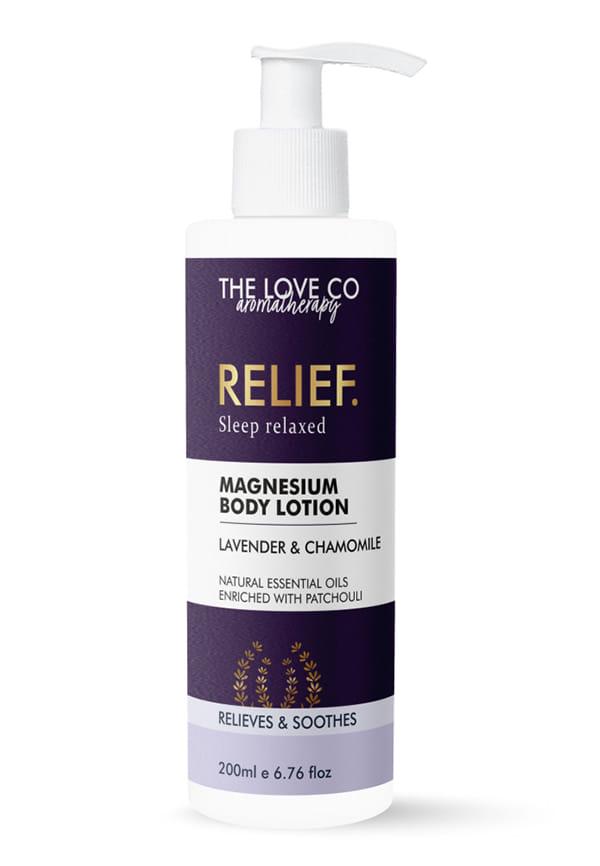 250 ml
Relief Sleep Relaxed Magnesium Body Lotion - 200ml
Develop a go-to sequence for acute stress moments. This might be: three deep breaths, quick body scan, identify one thing you can control, take one small action. Having a protocol removes the guesswork when you're too stressed to think clearly.
Start small and be consistent. It's better to do five minutes of stress relief daily than an hour once a week. Choose one technique that resonates with you and commit to it for two weeks. Once it becomes automatic, add another.
Try the 4-7-8 breathing technique, splash cold water on your face, or do 10 jumping jacks. These methods activate your body's relaxation response within minutes.
The best stress relief method is the one you'll actually use consistently. Combination approaches work well—pairing breathing exercises with gentle movement or mindfulness with aromatherapy.
Combine three techniques: start with 2 minutes of deep breathing, follow with 5 minutes of gentle stretching or walking, and finish with 3 minutes of mindful observation or gratitude practice.
Complete stress elimination isn't realistic or healthy—some stress motivates us. Focus on managing stress levels and building resilience rather than elimination.
Dancing to your favourite songs, colouring or doodling, playing with pets, gardening, cooking something delicious, or having a good laugh with friends all provide excellent stress relief while being genuinely enjoyable.
Discovering stress relief that works for you is a journey, not a destination. The seven methods we've explored—mindfulness techniques, physical movement, sensory strategies, cognitive reframing, social connection, time management, and creating your personal toolkit—give you a comprehensive approach to managing life's inevitable stressful moments.
Remember, the goal isn't to eliminate stress entirely but to develop healthy ways of coping with stress when it arises. Start with one or two techniques that feel most accessible to you, and gradually build your stress management skills. Your mental health and overall wellbeing will thank you for taking these proactive steps.
Just as Smytten believes you should never have to settle when it comes to finding the right products for your wellness journey, you shouldn't settle for feeling constantly overwhelmed by stress. With these proven techniques in your toolkit, you're well-equipped to handle whatever life throws your way. After all, why settle for stress when you can discover relief?
