7 Proven Ways to Create Lasting Healthy Habits


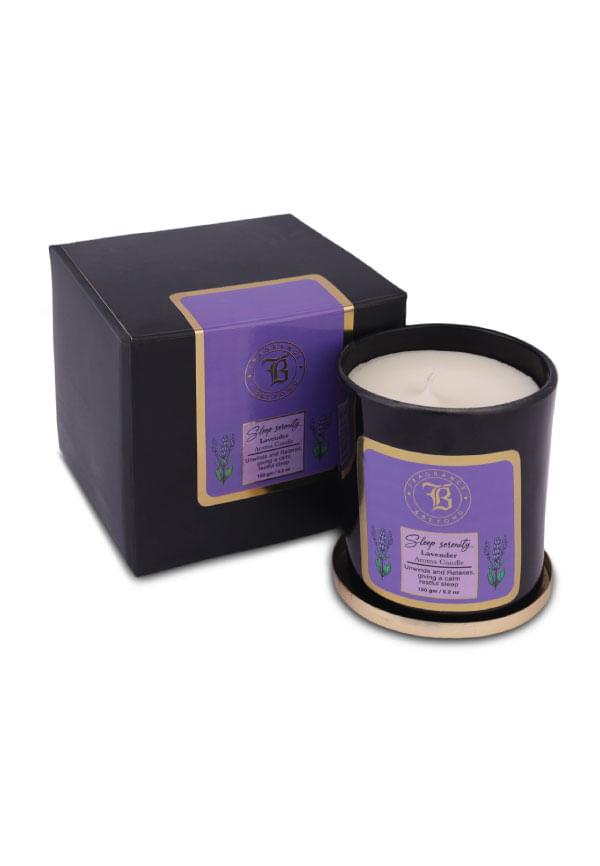 150 gm
Aromatherapy Sleep Serenity Soy Candle Lavender
Let's be real—we've all been there. January rolls around, and suddenly we're convinced this is the year we'll drink eight glasses of water daily, hit the gym religiously, and meal prep like a wellness influencer. Fast forward to March, and those ambitious plans are gathering dust alongside last year's unused gym membership. The truth is, creating lasting healthy habits isn't about willpower or motivation alone—it's about understanding the science behind behavior change and using proven strategies that actually work. Whether you're looking to build better daily routines or make significant lifestyle changes, these seven research-backed methods will help you create sustainable habits that stick around for the long haul.
Before diving into what works, let's talk about why most attempts at building habits crash and burn. Understanding these common pitfalls is crucial for creating lasting healthy habits that actually become part of your lifestyle.
You've probably heard that it takes 21 days to form a habit. Plot twist: that's complete rubbish. Research from University College London shows that habit formation actually takes anywhere from 18 to 254 days, with an average of 66 days. The timeline depends on the complexity of the behavior, your starting point, and how consistently you practice. Simple habits like drinking a glass of water after waking up might stick in a few weeks, whilst complex wellness habits like a full workout routine could take several months to become automatic.
Most people fall into predictable traps when trying to create positive habits. Going too big too fast is the classic mistake—deciding to work out for an hour daily when you haven't exercised in months. Another habit killer is perfectionism. Missing one day becomes a reason to abandon the entire effort. Finally, many people underestimate the power of their environment, trying to build healthy habits in spaces that work against them.
Successful habit formation relies on three key elements: cue, routine, and reward. Your brain creates neural pathways that make behaviors more automatic over time. The trick is designing these elements intentionally rather than leaving them to chance. When you understand how your brain processes new behaviors, you can work with your psychology rather than against it.
This might sound counterintuitive, but the secret to building lasting healthy habits is starting so small it feels almost silly. The 2-minute rule suggests that any new habit should take less than two minutes to complete when you're starting out.
When you set massive goals, your brain perceives them as threats to your current comfortable routine. This triggers resistance, making it harder to stick with new behaviors. Small changes, however, fly under your brain's radar. They don't feel threatening, so there's less internal resistance to overcome.
Want to start meditating? Begin with two minutes, not twenty. Planning to eat healthier? Start by adding one piece of fruit to your day. The goal isn't to stay at two minutes forever—it's to establish the behavior first, then gradually expand. Once the habit feels automatic, you can slowly increase the duration or intensity.
One person started with a single push-up after brushing their teeth. It felt so easy that they often did a few more. Within months, this tiny habit evolved into a full workout routine. Another person began reading just one page before bed, which eventually became a 30-minute nightly reading habit. The key is that these people didn't force the expansion—it happened naturally as the behavior became ingrained.
Habit stacking is like creating a playlist for your day—you link new behaviors to established routines that already run on autopilot. This method leverages the neural pathways you've already built, making it easier to remember and execute new positive habits.
 Pack of 2
SOMNI Natural Sleep Aid Daily Herbal Supplement for Men & Women
Your brain loves patterns and predictability. When you attach a new habit to an existing one, you're essentially borrowing the established neural pathway. The existing habit becomes a natural cue for the new behavior, eliminating the need to rely on motivation or memory alone.
Morning routines offer prime stacking real estate. After you brush your teeth, you might do five minutes of stretching. After your morning coffee, you could write in a gratitude journal. Evening routines work brilliantly too—after you put on pyjamas, you might prepare tomorrow's healthy snacks. The key is choosing anchor habits that happen consistently every day.
Start by mapping out your current daily routines. Identify the most consistent behaviors—these become your anchors. Then, choose one small healthy habit to attach to each anchor. Write it down as: "After I [existing habit], I will [new habit]." This simple formula creates a clear action plan that your brain can easily follow.
Your environment is constantly influencing your behavior, often without you realising it. Smart habit builders don't rely on willpower alone—they engineer their surroundings to make healthy choices easier and unhealthy ones harder.
Environmental design works because it reduces the friction between you and your desired behavior. When healthy options are visible and accessible, you're more likely to choose them. Conversely, when you have to work harder to access unhealthy options, you're less likely to indulge. This isn't about perfection—it's about tilting the odds in your favor.
Place fruits and vegetables at eye level in your fridge. Keep healthy snacks in clear containers on your counter whilst storing less healthy options in opaque containers or harder-to-reach places. Prep your water bottle the night before and leave it where you'll see it first thing in the morning. These small environmental tweaks can dramatically impact your food choices throughout the day.
For better sleep habits, charge your phone outside the bedroom and place a book on your nightstand instead. If you want to exercise more, lay out your workout clothes the night before. For meditation habits, create a dedicated spot with a cushion or chair that's always ready. The goal is to remove barriers between you and your wellness habits whilst adding friction to behaviors you want to avoid.
Tracking your habits provides valuable feedback and helps maintain momentum, but it's crucial to do it in a way that motivates rather than stresses you out. The goal is progress, not perfection.
A simple calendar with checkmarks can be surprisingly effective. Each day you complete your habit, mark an X. This visual representation of your progress creates a chain you'll want to keep going. Alternatively, use a habit tracking app that sends gentle reminders and celebrates your streaks. The key is choosing a method that feels sustainable rather than burdensome.
Aim to complete your healthy habits about 80% of the time. This means if you're tracking daily habits, missing 1-2 days per week is completely normal and acceptable. This approach prevents the all-or-nothing mentality that derails many people's efforts. Remember, a habit you do imperfectly is infinitely better than a perfect habit you abandon after two weeks.
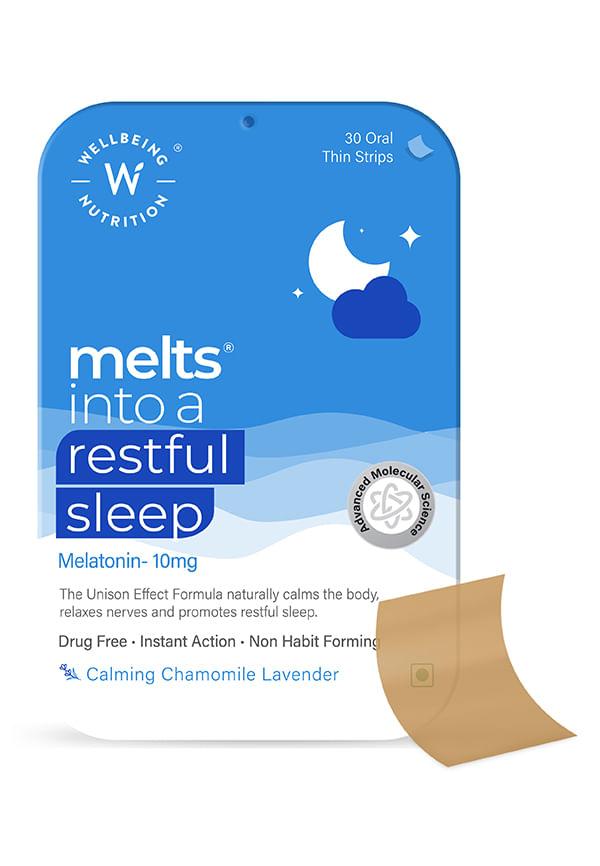 30 Strips
Melts Restful Sleep Melatonin 10mg with Tagara, Passion Flower, L-Theanine, Chamomile (30 Oral Strips)
Digital apps offer convenience and automated reminders, making them great for busy lifestyles. However, some people find physical tracking more satisfying—there's something powerful about physically marking your progress. Experiment with both approaches to see what resonates with you. The best tracking system is the one you'll actually use consistently.
Accountability transforms private struggles into shared journeys. When others are aware of your goals, you're more likely to follow through, but the key is creating supportive rather than judgmental accountability structures.
Social accountability involves sharing your goals with friends, family, or online communities. This external pressure can be incredibly motivating, but it works best when your support network is encouraging rather than critical. Self-accountability, on the other hand, involves creating personal systems like habit tracking or regular self-reflection. Most successful people use a combination of both approaches.
Find someone with similar wellness goals and become accountability partners. Check in weekly about your progress, share challenges, and celebrate wins together. Join online communities focused on the specific habits you're building. Whether it's a fitness group, meditation community, or healthy cooking forum, surrounding yourself with like-minded people normalises your new behaviors.
Leverage apps that connect you with others working on similar goals. Some platforms allow you to share progress photos, join challenges, or simply check in with your daily habits. The key is finding technology that supports and encourages rather than creating additional pressure or comparison.
Everyone breaks their habits sometimes—the difference between success and failure lies in how quickly you get back on track. Developing strong recovery skills is essential for creating lasting healthy habits.
This simple rule can save your habit-building efforts. When you miss a day, make it your priority to get back on track the next day. Missing once is a mistake; missing twice starts a pattern. This principle removes the shame and perfectionism that often lead to complete abandonment of healthy habits.
When you break a habit streak, resist the urge to start over from day one. Instead, treat it like a brief pause in an otherwise successful journey. Analyse what led to the break—was it poor planning, unrealistic expectations, or external circumstances? Use this information to adjust your approach rather than viewing it as personal failure.
Every setback provides valuable data about your habit-building process. Maybe you discovered that evening workouts don't work because you're too tired, leading you to switch to morning sessions. Perhaps you learned that meal prep on Sundays sets you up for healthy eating all week. These insights make your future efforts more effective and sustainable.
Your brain needs positive reinforcement to solidify new neural pathways. Celebrating progress, no matter how small, releases dopamine and strengthens the habit loop, making it more likely you'll continue the behavior.
 16 Tea Bag
Sweet Dreams Chamomile Tea, Calming Tea, Relieves Soothing Sleep Tea for Stress and Anxiety
When you experience pleasure after completing a behavior, your brain releases dopamine, which strengthens the neural pathway associated with that action. This makes you more likely to repeat the behavior in the future. The key is timing—the reward should come immediately after completing the habit for maximum effectiveness.
Avoid using food as a reward for healthy habits, as this can create conflicting associations. Instead, try activities like taking a relaxing bath, buying yourself flowers, watching a favorite show, or sharing your progress with a supportive friend. The celebration should feel proportionate to the achievement and align with your overall wellness goals.
Set aside time each week to review your habit progress. Acknowledge what went well and identify areas for improvement. Monthly reviews allow you to see longer-term patterns and make strategic adjustments. This regular reflection helps you stay connected to your goals and maintain momentum over time.
Research shows that habit formation takes an average of 66 days, but it can range from 18 to 254 days depending on the complexity of the behavior and individual factors. Simple habits like drinking water form faster than complex ones like regular exercise routines.
Five powerful healthy habits include drinking water first thing in the morning, taking a 10-minute walk after lunch, eating one piece of fruit daily, doing five minutes of stretching before bed, and writing three things you're grateful for each evening.
It's generally better to focus on one habit at a time, especially when starting out. However, you can work on multiple habits simultaneously if they're very small or if you're stacking them with existing routines. The key is not overwhelming yourself.
During stressful times, scale your habits down to their absolute minimum. If you usually exercise for 30 minutes, commit to just 5 minutes. The goal is maintaining the behavior pattern rather than the intensity. This prevents complete abandonment during challenging periods.
Habits are automatic behaviors that require little conscious thought, whilst routines are sequences of actions you perform regularly but still require some mental effort. The goal is to turn your wellness routines into automatic habits over time.
Creating lasting healthy habits isn't about dramatic transformations or superhuman willpower—it's about understanding how your brain works and using proven strategies to work with your psychology rather than against it. The seven methods we've explored provide a comprehensive toolkit for building sustainable habits that actually stick.
Remember, the journey of building habits is deeply personal. What works brilliantly for your friend might not suit your lifestyle, and that's perfectly fine. The key is experimenting with different approaches and finding what resonates with you. Just like Smytten helps you discover your perfect products through trial packs before committing to full sizes, building habits is about trying different strategies to find what works for your unique situation.
Start small, be patient with yourself, and celebrate every bit of progress along the way. Whether you're working on wellness habits, daily routines, or significant lifestyle changes, these proven methods will help you create positive habits that become an effortless part of who you are. After all, the goal isn't perfection—it's progress that leads to a healthier, happier version of yourself.
