7 Deep Relaxation Techniques to Melt Away Stress


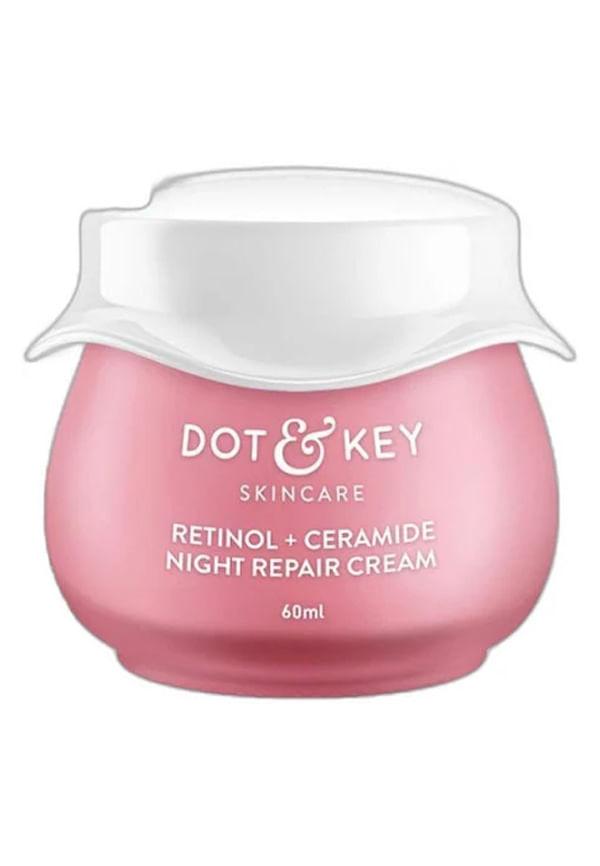 60 ml
60 mlNight Reset Retinol + Ceramide Sleep Treatment Cream
Let's be real—stress has become the unwelcome flatmate we never asked for. Between work deadlines, endless notifications, and the general chaos of modern life, finding genuine peace feels like searching for a needle in a haystack. But here's the thing: deep relaxation techniques aren't just trendy wellness buzzwords. They're scientifically-backed methods that can genuinely transform how your body and mind handle stress. Unlike scrolling through your phone or binge-watching shows (which, let's face it, sometimes makes things worse), these seven techniques actually activate your body's natural relaxation response. Ready to discover your kind of calm? Let's dive into methods that might just become your new stress-busting favourites.
Deep relaxation isn't just about feeling a bit more chill—it's about triggering actual physiological changes in your body. When you practice proper relaxation techniques, you're essentially switching your nervous system from 'fight or flight' mode to 'rest and digest' mode. This shift activates your parasympathetic nervous system, which is responsible for healing, recovery, and that lovely feeling of genuine calm.
The magic happens at a cellular level. Your stress hormones like cortisol and adrenaline start to drop, whilst your body releases feel-good chemicals like serotonin and endorphins. Even your brain waves change, shifting from the rapid beta waves associated with stress to the slower alpha and theta waves linked to relaxation and creativity.
Your body's pretty clever at sending signals when it needs a proper reset. Physical symptoms might include tension headaches, tight shoulders, digestive issues, or that feeling like you're constantly running on empty. Mentally, you might notice racing thoughts, difficulty concentrating, or feeling overwhelmed by simple tasks. If you're snapping at loved ones more often or finding it hard to switch off at bedtime, your nervous system is probably crying out for some proper relaxation.
These aren't your average 'just breathe' suggestions. Each technique targets different aspects of stress and anxiety relief, so you can find what works best for your lifestyle and preferences.
Think of PMR as a full-body reset button. This technique involves systematically tensing and then releasing different muscle groups, helping you notice the difference between tension and relaxation. Start with your toes—clench them tight for five seconds, then release and notice the contrast. Work your way up through your calves, thighs, glutes, abdomen, hands, arms, shoulders, and face.
The beauty of PMR lies in its simplicity and effectiveness for anxiety relief. It's particularly brilliant for people who struggle with traditional meditation because it gives your mind something concrete to focus on. Many find it incredibly helpful for improving sleep quality too.
Your breath is like a remote control for your nervous system—and the best part is, it's always with you. Abdominal breathing, where you breathe deeply into your belly rather than your chest, is the foundation of most relaxation exercises. Place one hand on your chest and one on your belly; the goal is to keep the chest hand still whilst the belly hand rises and falls.
The 4-7-8 technique is worth obsessing over for immediate anxiety relief: breathe in for 4 counts, hold for 7, exhale for 8. Box breathing (4 counts in, 4 hold, 4 out, 4 hold) is another favourite that's perfect for beginners and can be done anywhere without anyone noticing.
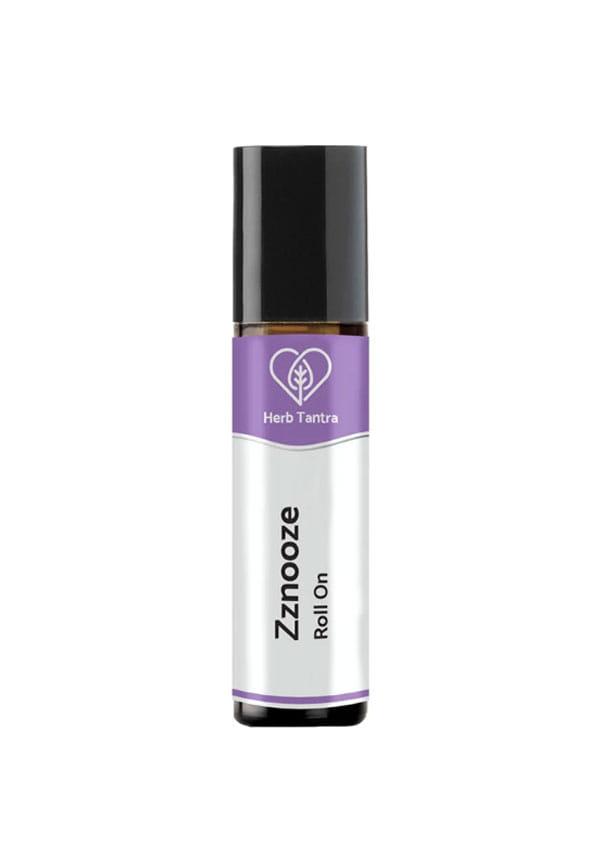 9 ml
9 mlZznooze Roll On For Better Sleep quality
Mindfulness meditation isn't about emptying your mind—it's about noticing what's happening in the present moment without judgement. Body scan meditation is particularly effective for deep relaxation. Start at the top of your head and slowly move your attention down through your body, noticing any sensations, tension, or areas that feel relaxed.
The key is consistency rather than duration. Even five minutes of daily mindfulness meditation can create lasting changes in how your brain responds to stress. Start small and build up gradually—your future self will thank you.
Sometimes your imagination is the best escape route from stress. Guided meditation takes the guesswork out of relaxation by providing a voice to follow and scenarios to visualise. Whether it's imagining yourself on a peaceful beach or in a cosy forest clearing, visualisation techniques help transport your mind away from stressors.
Creating your mental sanctuary is a powerful tool. Choose a place that feels completely safe and peaceful to you—it could be real or imaginary. The more details you can add (sounds, smells, textures), the more effective it becomes for stress relief.
You don't need to be a pretzel-bending yoga master to benefit from gentle movement for relaxation. Restorative yoga poses like child's pose, legs-up-the-wall, or supported savasana are designed specifically for calming the nervous system. These poses often involve props like bolsters and blankets to help your body completely surrender.
Yin yoga, where poses are held for several minutes, combines the benefits of stretching with meditation. Even simple neck rolls and shoulder shrugs at your desk can help release physical tension and create moments of mindfulness throughout your day.
Your sense of smell has a direct line to your brain's emotional centre, making aromatherapy a powerful tool for relaxation. Essential oils like lavender, chamomile, and bergamot have been shown to reduce cortisol levels and promote feelings of calm. You can use a diffuser, add a few drops to a warm bath, or simply inhale directly from the bottle.
Creating a calming environment involves more than just scent. Soft lighting, comfortable textures, and removing visual clutter all contribute to a space that supports relaxation. The 5-4-3-2-1 grounding technique (notice 5 things you can see, 4 you can touch, 3 you can hear, 2 you can smell, 1 you can taste) can instantly bring you into the present moment.
Sound has an incredible ability to shift our emotional state almost instantly. Relaxation music with slower tempos (around 60 beats per minute) can actually synchronise with your heart rate and help slow it down. Nature sounds, classical music, or specially designed relaxation tracks can all be effective.
Binaural beats, where slightly different frequencies are played in each ear, may help induce relaxation states. Even humming or singing can be therapeutic—the vibrations stimulate your vagus nerve, which is key to activating your relaxation response.
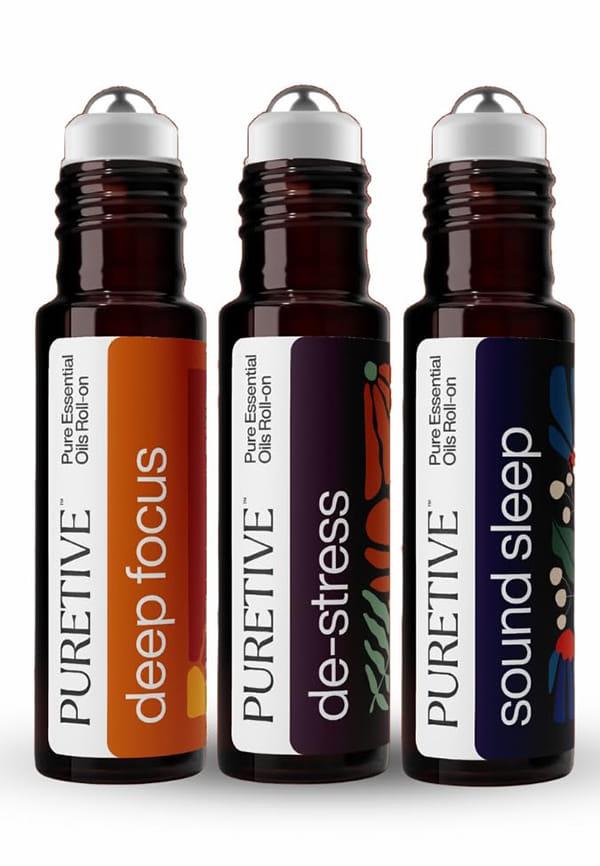 10 ml*3
Daily Calm on-the-go essential | Deep Focus Roll On| Sound Sleep Roll On
Sometimes you need instant relief, and these techniques deliver fast results when stress levels spike unexpectedly.
When anxiety hits hard, try the rapid breathing reset: take three deep breaths, making your exhale twice as long as your inhale. Follow this with the 5-4-3-2-1 grounding technique mentioned earlier. For physical tension, try pressing and massaging the fleshy area between your thumb and index finger—this pressure point is known for its calming effects.
Discrete breathing techniques can be your secret weapon during stressful meetings or busy days. Simple shoulder blade squeezes, gentle neck stretches, or even just focusing on your breath for a few cycles can create micro-moments of calm. The key is making these practices so subtle that no one else notices, but you feel the benefits immediately.
The most effective relaxation routine is the one you'll actually stick to. Start by choosing one or two techniques that resonate with you rather than trying to master everything at once.
Morning practices can set a calm tone for your entire day, whilst evening routines help you transition from the day's stress into restful sleep. Consider your natural rhythms—are you a morning person or a night owl? Build your practice around when you're most likely to be consistent.
Track your progress by noting how you feel before and after each session. You might be surprised at how quickly you start noticing benefits, from better sleep to improved focus and less reactive responses to daily stressors.
Busy professionals might benefit from breathing exercises during commutes or short meditation breaks between meetings. Parents could try relaxation techniques whilst children nap or incorporate gentle movement into playtime. The goal is finding ways to weave these practices into your existing routine rather than adding more pressure to an already full schedule.
Travel-friendly options like breathing techniques, visualisation, or listening to calming music ensure you can maintain your practice wherever life takes you. Remember, consistency matters more than duration—five minutes daily beats an hour once a week.
Creating lasting calm goes beyond just relaxation techniques. Your environment, daily habits, and even the products you use can support your wellness journey. This is where exploring different wellness products becomes part of your self-care routine.
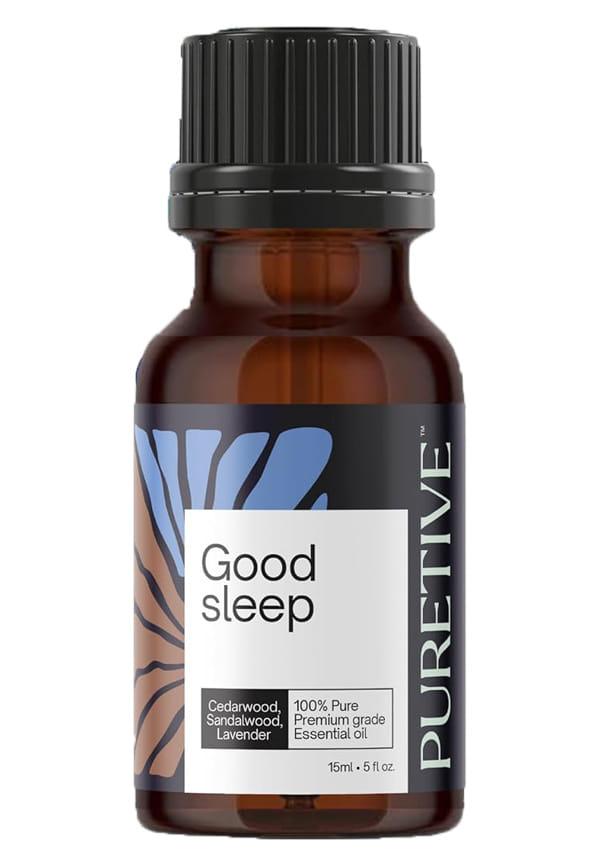 15 ml
15 mlThe Good Sleep Blend Essential Oil
Smytten, India's largest product discovery and trial platform, connects you with over 1,500 trusted wellness brands without the commitment of full-size purchases. Whether you're curious about aromatherapy oils, calming teas, or wellness supplements, you can explore curated trial packs for just ₹249 and get up to 8 minis to try. With 100% cashback redeemable for future orders, discovering what works for your relaxation routine becomes both affordable and rewarding. After all, why settle for 'maybe' when you can try it all and find what truly supports your journey to stress-free living?
You might notice immediate effects like slower breathing and reduced muscle tension within minutes. However, lasting changes in how your body responds to stress typically develop over 2-4 weeks of consistent practice.
Relaxation techniques are powerful tools for managing stress and mild anxiety, but they shouldn't replace prescribed medication without consulting your healthcare provider. They work brilliantly as complementary practices alongside professional treatment.
Meditation often focuses on awareness and mindfulness, whilst relaxation exercises specifically target the physical and mental symptoms of stress. Many techniques combine elements of both for maximum benefit.
Daily practice, even for just 5-10 minutes, is more beneficial than longer sessions once or twice a week. Consistency helps train your nervous system to access relaxation states more easily.
Deep breathing exercises are often the most accessible starting point because they're simple, require no equipment, and can be done anywhere. Progressive muscle relaxation is also beginner-friendly because it provides clear, concrete steps to follow.
Your journey to stress-free living doesn't require a complete life overhaul—it starts with small, consistent steps towards better stress management. These seven deep relaxation techniques offer different pathways to the same destination: a calmer, more resilient you.
Remember, the best relaxation technique is the one you'll actually use. Start with what feels most appealing or accessible, and gradually build your toolkit as you discover what works best for your lifestyle. Whether it's the systematic approach of progressive muscle relaxation, the simplicity of deep breathing, or the creativity of visualisation, you now have science-backed methods to melt away stress whenever you need them.
The goal isn't to eliminate stress entirely—that's neither realistic nor healthy. Instead, it's about developing the skills to navigate life's challenges with greater ease and resilience. Your future, calmer self is just a few deep breaths away.
