7 Best Clean Haircare Tips for Oily Scalp


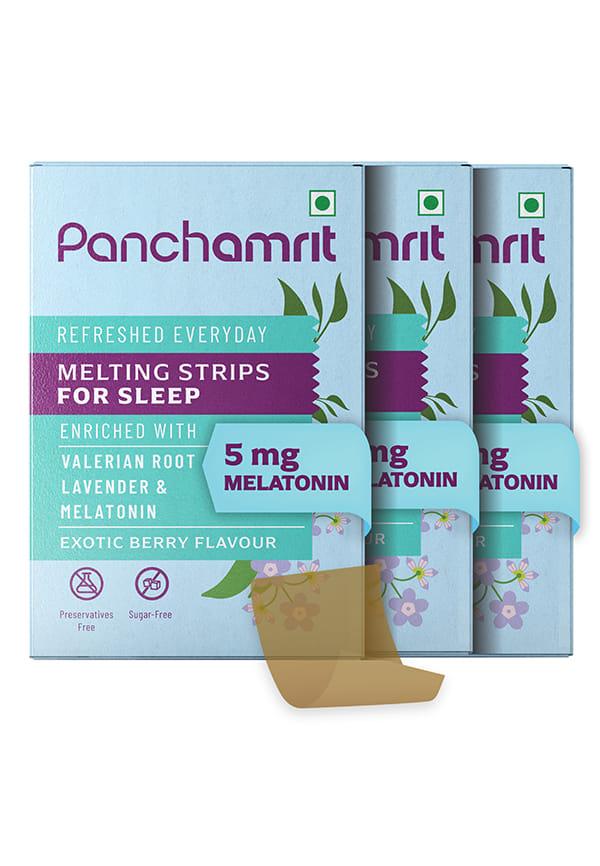 90 N
90 NMelting Strips for Sleep, 30 Melting Strips, Exotic Berry Flavour
Let's be real—dealing with an oily scalp can feel like a never-ending battle. One day your hair looks fresh, the next it's giving off serious greasy vibes by lunchtime. But here's the thing: clean haircare for oily scalp isn't just about washing more often. It's about understanding what your scalp actually needs and giving it the right kind of TLC. Whether you're tired of trying products that promise the world but deliver zilch, or you're just starting your journey towards healthier hair, these seven expert-backed tips will help you find that sweet spot between squeaky clean and naturally balanced. Ready to discover what actually works?
Your scalp produces oil (sebum) through tiny glands called sebaceous glands—it's totally natural and actually protects your hair. But sometimes these glands go into overdrive, leaving you with that unwanted greasy look. Hormones, genetics, stress, and even the weather can all play a part in ramping up oil production. Here's where clean haircare for oily scalp becomes your best friend. Unlike conventional products packed with harsh sulfates and synthetic ingredients, clean formulations work with your scalp's natural balance rather than stripping it completely. When you over-cleanse with aggressive products, your scalp often responds by producing even more oil—creating a frustrating cycle.
Clean haircare focuses on gentle yet effective ingredients that won't disrupt your scalp's natural ecosystem. Think botanical extracts, natural clays, and plant-based cleansers that remove excess oil without causing irritation or rebound greasiness.
Many people with oily scalps also deal with dry, damaged ends—a tricky combination that requires a targeted approach. This happens because the natural oils from your scalp don't travel down the entire hair shaft, especially if your hair is long or chemically treated.
Finding the perfect natural shampoo for oily hair is like finding your holy grail product—once you've got it, everything changes. But with so many options out there, how do you know what actually works?
Look for these powerhouse ingredients in your sulfate-free shampoo for oily scalp: • Tea tree oil: Natural antimicrobial properties help balance scalp bacteria • Clay (bentonite or kaolin): Absorbs excess oil without over-drying • Salicylic acid: Gently exfoliates and unclogs hair follicles • Charcoal: Acts like a magnet for impurities and excess sebum • Peppermint: Provides a refreshing tingle while regulating oil production
These ingredients might seem helpful but can actually make oily scalp worse: • Heavy silicones that build up over time • Sulfates that strip your scalp too aggressively • Thick, creamy formulas designed for dry hair • Products with too many moisturising oils near the top of the ingredient list
Contrary to popular belief, washing your hair every day isn't always the answer. Most people with oily scalps do best washing every other day or every two days. This gives your scalp time to regulate without going into oil-production overdrive.
Think of a scalp detox as a reset button for your hair. Just like your skin benefits from the occasional deep clean, your scalp needs some extra attention to remove buildup and restore balance.
This kitchen staple is brilliant for oily scalp treatment. Mix one part apple cider vinegar with three parts water, apply to damp hair, leave for 5-10 minutes, then rinse thoroughly. The acidity helps balance your scalp's pH and removes product buildup that regular shampoo might miss.
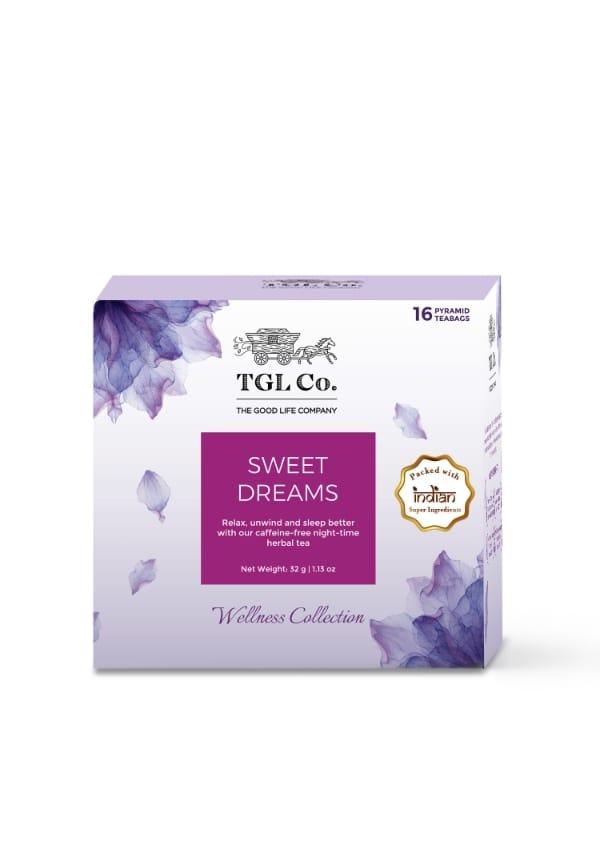 16 Tea Bag
Sweet Dreams Chamomile Tea, Calming Tea, Relieves Soothing Sleep Tea for Stress and Anxiety
Once a week, treat your scalp to a clay mask. Mix bentonite clay with water or apple cider vinegar to form a paste, apply to your scalp (not the lengths), leave for 15-20 minutes, then rinse and shampoo as usual. Your scalp will feel incredibly clean without that tight, stripped feeling.
A good clarifying shampoo can be your secret weapon, but use it wisely. Once a week maximum, and always follow with a lightweight conditioner on your mid-lengths and ends. Think of it as your monthly scalp spring clean.
Here's something that might surprise you: how you wash your hair matters just as much as what you wash it with. These greasy hair solutions start with proper technique.
Hot water might feel amazing, but it stimulates oil production. Stick to lukewarm water for washing and finish with a cool rinse to seal the hair cuticles and add shine.
Borrowed from skincare, this technique works wonders for oily scalps: • First wash: Focus on removing oil and buildup • Second wash: Deep clean and treat specific concerns • Use less product in the second wash—a little goes a long way
Spend at least 60 seconds massaging your scalp with your fingertips (not nails). This helps the shampoo work more effectively and stimulates blood circulation, which can actually help regulate oil production over time.
Concentrate your shampoo on the scalp and roots where oil accumulates. Let the suds rinse through the lengths—this is usually enough to clean the rest of your hair without over-processing.
Tea tree shampoo for oily scalp isn't just a trend—it's backed by science. This Australian native has natural antimicrobial properties that help keep scalp bacteria in check without being overly harsh.
Tea tree oil works by: • Reducing inflammation that can trigger excess oil production • Fighting bacteria and fungi that thrive in oily environments • Providing a cooling sensation that soothes irritated scalps • Helping to unclog hair follicles naturally
Look for scalp balancing shampoo formulas that include: • Rosemary: Stimulates circulation and has natural astringent properties • Witch hazel: Gently tightens pores and reduces excess oil • Peppermint: Provides antimicrobial benefits with a refreshing feel • Eucalyptus: Clarifies while being gentle enough for regular use
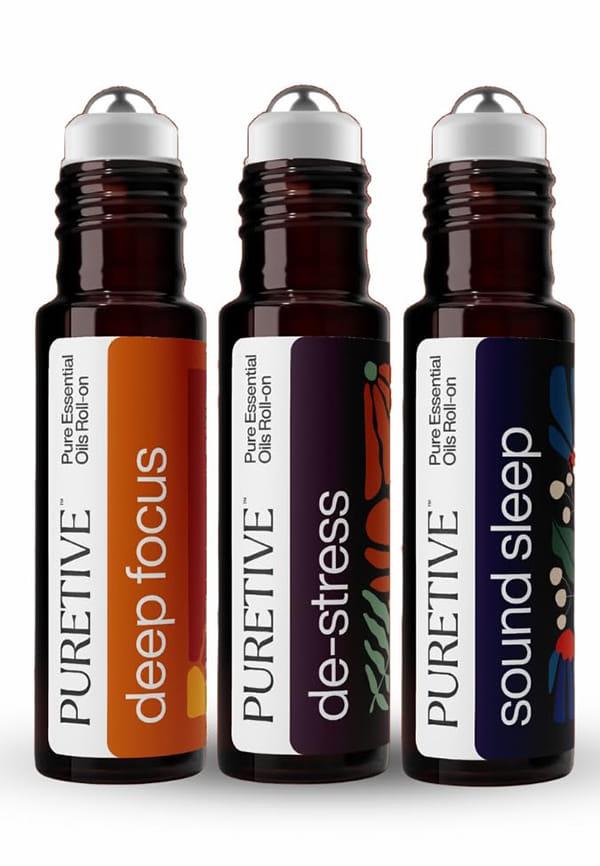 10 ml*3
Daily Calm on-the-go essential | Deep Focus Roll On| Sound Sleep Roll On
Create your own scalp treatment by mixing 2-3 drops of tea tree oil with a tablespoon of jojoba oil. Massage into your scalp 30 minutes before washing. Jojoba oil is technically a wax that mimics your natural sebum, helping to regulate production.
Not all oily scalps are created equal. The best shampoo for oily scalp depends on your hair type, texture, and any additional concerns you're dealing with.
If you have fine hair, you need lightweight formulas that won't weigh your hair down: • Look for volumising shampoos with oil-controlling ingredients • Avoid anything too creamy or moisturising • Consider dry shampoo as your styling best friend • Wash more frequently if needed—fine hair shows oil faster
Thicker hair can handle richer formulas while still addressing scalp oiliness: • You can use slightly more moisturising products on the lengths • Focus on scalp-specific treatments rather than all-over formulas • Consider co-washing (conditioner-only washing) on alternate days
Chemically treated hair needs extra TLC: • Choose sulfate-free formulas to preserve colour • Look for gentle clarifying options • Use colour-safe ingredients like chamomile or green tea • Always follow with a colour-protecting conditioner
If your scalp is both oily and sensitive, opt for: • Fragrance-free formulas • Gentle plant-based cleansers • Soothing ingredients like aloe vera or oat extract • Patch test new products before full use
Consistency is key when it comes to oily scalp treatment. Building a routine that works for your lifestyle and hair needs will give you the best long-term results.
Small daily actions can make a huge difference: • Brush your hair before washing to distribute oils and remove buildup • Use a boar bristle brush to help move oils down the hair shaft • Avoid touching your scalp throughout the day • Change pillowcases regularly to prevent bacteria buildup
Plan your week for optimal scalp health: • Monday: Regular wash with your go-to natural shampoo • Wednesday: Scalp detox or clarifying treatment • Friday: Pre-wash oil treatment followed by gentle cleansing • Sunday: Clay mask or apple cider vinegar rinse
Your daily habits affect your scalp more than you might think: • Stay hydrated—dehydration can trigger excess oil production • Manage stress through exercise or meditation • Eat a balanced diet rich in omega-3 fatty acids • Get enough sleep for proper hormone regulation
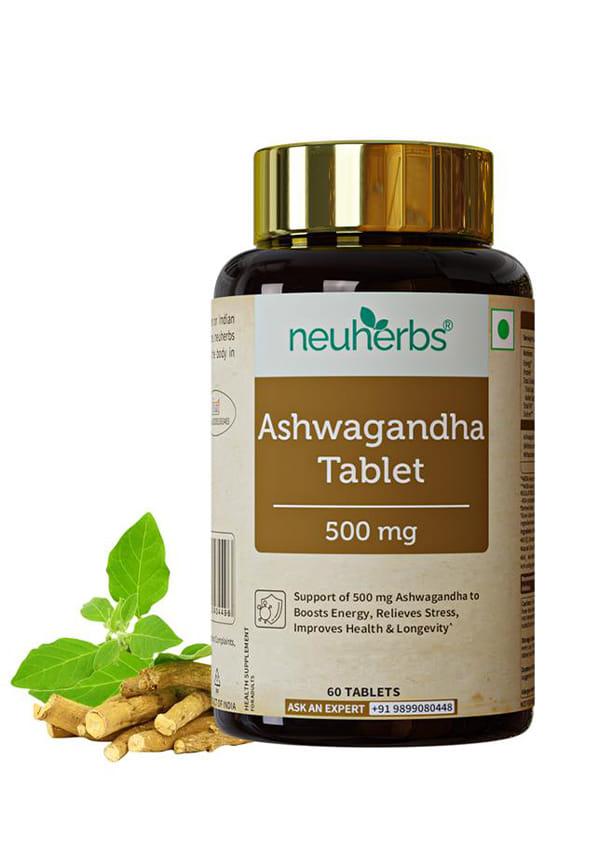 60 Tabs
Ashwagandha Tablets,Reduce Stress & Support Sleep Cycle
Dealing with both oily scalp and thinning hair requires a gentle approach that doesn't compromise your hair's health or growth potential.
When your hair is thinning, every strand counts: • Use lightweight, volumising formulas that won't weigh hair down • Avoid over-washing, which can stress fragile hair • Look for ingredients like biotin, caffeine, or saw palmetto • Be extra gentle when massaging your scalp
For those times when you need fresh-looking hair without washing: • Apply dry shampoo before bed and brush out in the morning • Use a silk or satin pillowcase to reduce friction • Try overnight scalp treatments with lightweight oils • Sleep with your hair in a loose, high bun to prevent oil transfer
Sometimes oily scalp issues need expert attention: • If you experience sudden changes in oil production • When accompanied by itching, flaking, or irritation • If over-the-counter treatments aren't working after 6-8 weeks • When hair loss becomes noticeable The beauty of exploring clean haircare for oily scalp is that you can try different approaches without committing to full-size products right away. Smytten's curated trial packs let you test various natural shampoos and scalp treatments from trusted brands, helping you find what works for your specific needs before investing in full-size versions.
Most people with oily scalps do best washing every other day or every two days. Daily washing can actually trigger more oil production, while waiting too long can lead to buildup and irritation. Pay attention to how your scalp feels and adjust accordingly.
Absolutely! Sulfate-free formulas use gentle cleansing agents that remove oil and buildup without stripping your scalp. Look for ingredients like coco-glucoside or decyl glucoside, which provide effective cleansing while maintaining your scalp's natural balance.
Tea tree oil is often considered the gold standard for oily scalp care due to its antimicrobial properties and ability to regulate oil production. However, clay, apple cider vinegar, and salicylic acid are also highly effective natural options.
Most people notice initial improvements within 2-3 weeks of switching to clean haircare products. However, it can take 6-8 weeks for your scalp to fully adjust and for you to see the complete benefits of your new routine.
Yes, but apply it only to your mid-lengths and ends, avoiding the scalp area. Look for lightweight, volumising conditioners rather than heavy, moisturising formulas. Some people with very oily scalps prefer leave-in treatments instead of traditional rinse-out conditioners.
Yes, there's often an adjustment period when switching from conventional to natural haircare products. Your hair might feel different for the first few washes as it adjusts to the new formula and your scalp rebalances its oil production.
Managing an oily scalp doesn't have to be complicated or expensive. The key is finding the right balance of gentle yet effective clean ingredients that work with your scalp's natural processes rather than against them. Remember, what works for your friend might not work for you—and that's perfectly normal. The journey to healthier hair starts with understanding your scalp's unique needs and being patient with the process. Whether you're trying tea tree shampoo for the first time or experimenting with scalp detox treatments, give each approach at least a few weeks to show results. With Smytten's extensive range of haircare trial packs from over 1,500 trusted brands, you can explore different clean haircare solutions without the commitment of full-size purchases. From sulfate-free shampoos to natural scalp treatments, you'll find options that let you discover what truly works for your oily scalp. After all, why settle for maybe when you can try it all and find your perfect haircare routine?
