What is the Best Moisturizer? Your FAQ Answered

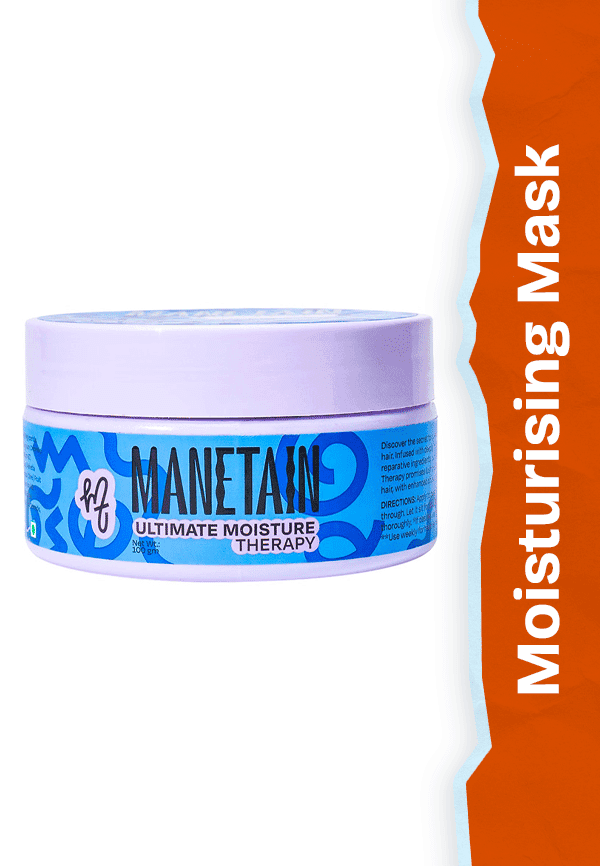 100Ml
100MlUltimate Moisture Therapy For Deep Hydration
You're standing in the skincare aisle, staring at rows of moisturisers, each promising to be the answer to your skin prayers. Sound familiar? With hundreds of options claiming to be the "best," choosing the right moisturiser feels overwhelming. Here's the thing: there isn't one universal best moisturiser. The best moisturiser for you depends on your unique skin type, concerns, and lifestyle. Let's cut through the marketing noise and find your perfect match with science-backed guidance that actually works.
Before diving into specific products, you need to understand your skin. Most people guess their skin type wrong, leading to years of using unsuitable products. Your skin type determines how much moisture you need and what texture will work best.
Try this simple test: cleanse your face with a gentle cleanser, then wait 30 minutes without applying any products. Look in the mirror and assess what you see. Oily skin will show shine across your T-zone and cheeks. Dry skin might feel tight or show flaky patches. Combination skin typically has an oily T-zone with normal or dry cheeks. Normal skin feels comfortable without excess oil or tightness.
Remember, your skin type can shift with hormones, seasons, and age. That moisturiser that worked perfectly in your twenties might not suit your skin now. Pay attention to how your skin responds to different weather conditions and life changes.
Your skin barrier has different needs based on your skin type. Dry skin lacks both oil and water, requiring rich formulations with ceramides and hyaluronic acid. Oily skin still needs hydration but benefits from lightweight, non-comedogenic formulas that won't clog pores. Using the wrong moisturiser can worsen your skin concerns - heavy creams can trigger breakouts on oily skin, while gel moisturisers might leave dry skin feeling parched.
Dry skin craves moisture and needs ingredients that both attract water and lock it in. The best face moisturiser for dry skin combines multiple hydrating mechanisms for lasting comfort.
Hyaluronic acid is your dry skin's best friend, holding up to 1000 times its weight in water. Look for products with different molecular weights of hyaluronic acid for surface and deep hydration. Ceramides repair your skin barrier, preventing moisture loss throughout the day. Glycerin and sodium PCA are humectants that draw moisture from the environment into your skin.
For natural moisturiser options, squalane mimics your skin's natural oils without feeling heavy. Shea butter and jojoba oil provide nourishing emollients that smooth and soften rough patches.
Cream-based moisturisers work best for dry skin because they contain more occlusives - ingredients that create a protective barrier on your skin. Look for rich, luxurious textures that feel substantial but still absorb well. Your hydrating moisturiser should leave your skin feeling plump and comfortable, never greasy or sticky.
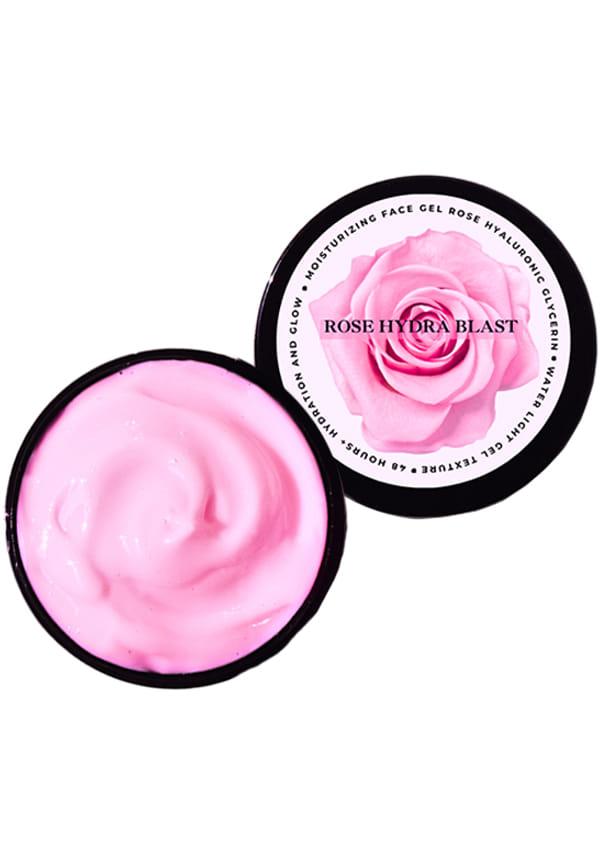 60 gm
60 gmRose Hydra Blast Moisturizer for glowing and Hydrated skin
Here's a truth many people with oily skin resist: you absolutely need a daily moisturiser. Skipping moisturiser can actually make your skin produce more oil to compensate for dehydration.
Oily skin often lacks water, not oil. When your skin is dehydrated, it overproduces sebum to protect itself. The right moisturiser for oily skin provides hydration without adding excess oil, helping regulate your skin's natural oil production over time.
Look for "non-comedogenic" on the label - this means the formula won't clog your pores. Water-based or gel moisturisers absorb quickly and feel weightless on your skin.
Niacinamide is brilliant for oily skin, helping control oil production while providing hydration. Salicylic acid in low concentrations can gently exfoliate while moisturising. Zinc oxide offers oil-absorbing properties alongside hydration.
Avoid heavy oils like coconut oil or thick butters that might overwhelm your skin. Instead, look for lightweight oils like squalane or rosehip oil if you want natural moisturiser ingredients.
Not all moisturisers are created equal. Understanding different formulations helps you choose the right texture for your skin and lifestyle needs.
Gel moisturisers have the highest water content and feel cooling on application. They're perfect for oily or acne-prone skin and work well in humid climates. Lotion moisturisers offer a middle ground - more hydrating than gels but lighter than creams. Cream moisturisers provide the richest hydration with higher oil content, ideal for dry skin or harsh weather conditions.
Consider your environment too. Air conditioning can dehydrate your skin, making a richer face cream necessary even if you typically have oily skin.
Some moisturisers multitask beautifully. SPF moisturisers combine sun protection with hydration, perfect for streamlined morning routines. Night moisturisers often contain active ingredients like retinol or peptides that work while you sleep. Tinted moisturisers provide light coverage alongside hydration, ideal for minimal makeup days.
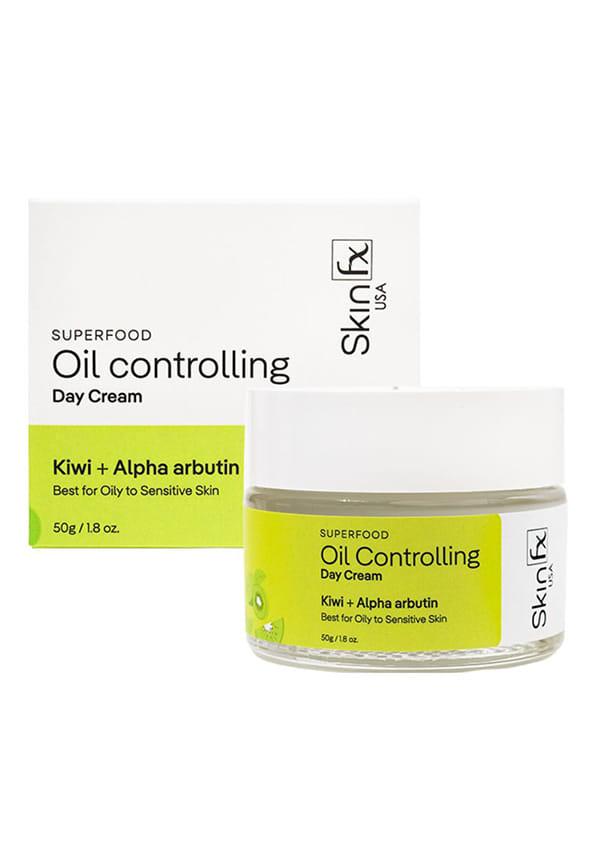 50 gm
50 gmSuperfood Oil controlling Day cream, Best Moisturiser
Understanding moisturiser ingredients empowers you to make informed choices. Some ingredients are universally beneficial, while others work better for specific skin types.
Hyaluronic acid comes in different molecular weights. Low molecular weight penetrates deeper, while high molecular weight provides surface hydration. The best formulas combine both. Ceramides are lipids that naturally occur in your skin barrier. Synthetic ceramides in moisturisers help repair damage and prevent moisture loss.
Niacinamide deserves special mention for its versatility. It hydrates, controls oil production, minimises pores, and reduces inflammation. Most skin types tolerate niacinamide well, making it an excellent ingredient to look for in your daily moisturiser.
Not all natural ingredients are effective, but some genuinely benefit your skin. Aloe vera soothes and hydrates irritated skin. Green tea extract provides antioxidants alongside moisture. Oat extract calms sensitive skin while providing gentle hydration.
Be cautious with essential oils in moisturisers - they can irritate sensitive skin despite being "natural." Stick to proven ingredients rather than following trends.
Even the best moisturiser won't work properly if you're applying it incorrectly. Proper application technique maximises absorption and effectiveness.
Apply moisturiser to slightly damp skin for better absorption. Use about a pea-sized amount for your entire face - more isn't always better. Gently pat the product into your skin using upward motions, avoiding tugging around delicate eye areas.
Layer your products correctly: cleanser, toner, serums, moisturiser, then SPF in the morning. Wait a few minutes between each step to allow proper absorption.
Over-moisturising can clog pores and create a heavy feeling on your skin. If your skin feels greasy hours after application, you might be using too much product or the wrong formula. Under-moisturising leaves your skin tight and potentially increases oil production.
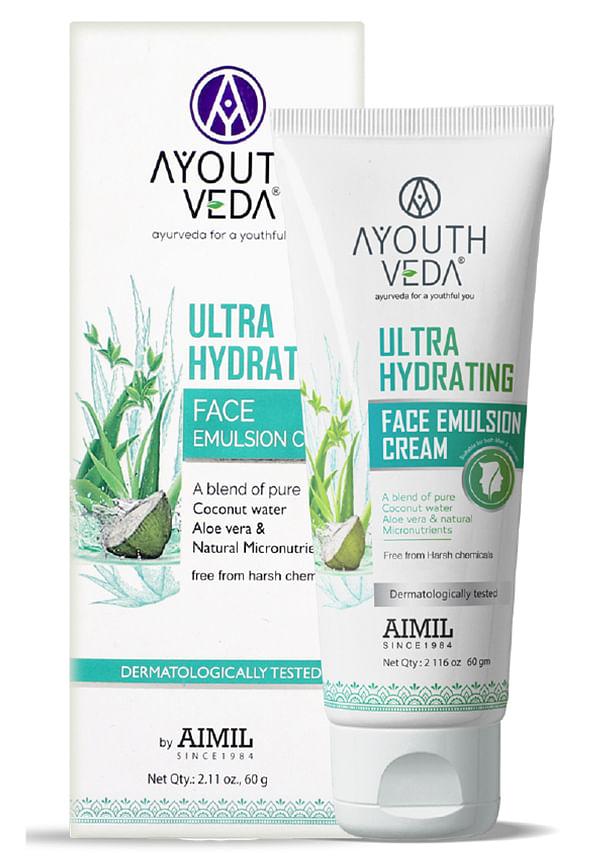 60 gm
60 gmUltra Hydrating Face Emulsion Cream
Don't forget your neck and décolletage - these areas need hydration too and often show signs of ageing first.
There's no universal best moisturiser because skin types have different needs. However, gentle, fragrance-free formulas with hyaluronic acid and ceramides work well for most people. Look for products that are dermatologist-tested and non-comedogenic. The key is finding a formula that hydrates without causing irritation or breakouts.
Acne-prone skin benefits from lightweight, non-comedogenic moisturisers with ingredients like niacinamide or salicylic acid. Gel-based formulas work particularly well. Avoid heavy creams or products with pore-clogging ingredients like coconut oil. Your moisturiser should hydrate without interfering with your acne treatments.
For radiant skin, look for moisturisers with vitamin C, niacinamide, or gentle AHAs. These ingredients promote cell turnover and brighten your complexion while providing hydration. Consistent use of a good moisturiser improves your skin texture, creating a natural glow over 4-6 weeks.
Comedones (blackheads and whiteheads) benefit from non-comedogenic moisturisers with salicylic acid or niacinamide. These ingredients help prevent pore blockages while maintaining skin hydration. Avoid thick, occlusive formulas that might worsen comedones. Gel or lightweight lotion textures work best.
Change your moisturiser when your skin's needs change - typically with seasons, hormonal shifts, or age. If your current moisturiser stops working effectively, causes irritation, or doesn't address new skin concerns, it's time to switch. Most people benefit from having a lighter summer moisturiser and richer winter formula.
Finding the best moisturiser is a personal journey that depends on understanding your skin type, concerns, and lifestyle. The perfect moisturiser should feel comfortable on your skin, address your specific needs, and fit seamlessly into your routine. Remember, what works for your friend might not work for you - and that's completely normal.
Start by identifying your skin type accurately, then choose a moisturiser with appropriate ingredients and texture. Give new products 4-6 weeks to show results, and don't be afraid to adjust your routine as your skin changes. With over 28 million users discovering their perfect products, Smytten's curated selection makes it easier to explore different moisturisers from trusted brands. If you're curious about a specific formula but not ready to commit to full-size, trying minis first can help you make confident choices for your skin's unique needs.
