What is SPF Rating? Your Complete Sun Protection Guide


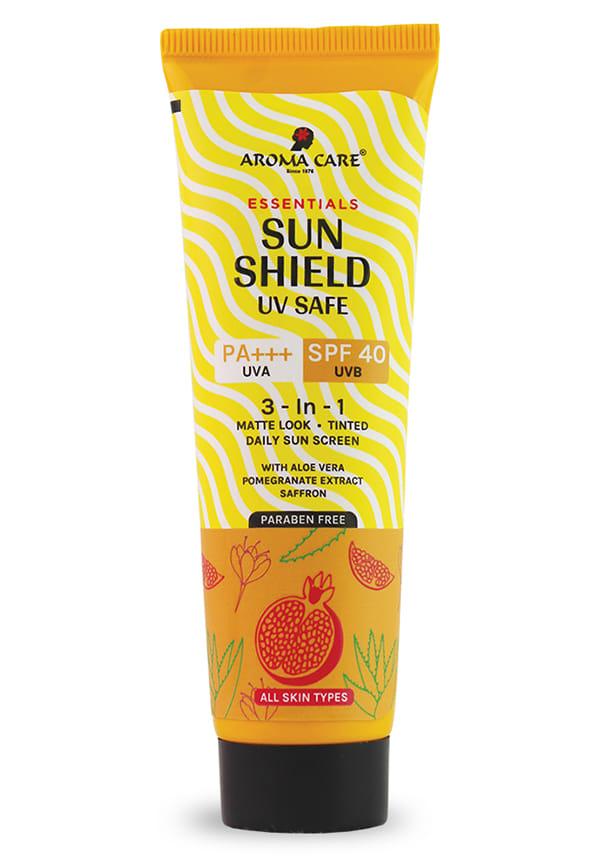
Sun Shield UV Safe SPF 40 3-IN-1
You've probably seen those numbers on sunscreen bottles—SPF 15, SPF 30, SPF 50—but what do they actually mean? If you've ever stood in the skincare aisle wondering whether SPF 30 is enough or if you should splurge on SPF 50, you're not alone. Understanding SPF rating isn't just about numbers; it's about protecting your skin from damage that builds up every single day. Whether you're dealing with post-summer pigmentation or trying to prevent premature ageing, getting your sun protection factor right is one of the most important decisions you'll make for your skin.
SPF stands for Sun Protection Factor, and it measures how well a sunscreen protects your skin from UVB rays—the type of UV radiation that causes sunburn and contributes to skin cancer. Think of it as a mathematical shield: if your skin would normally burn after 10 minutes in the sun, an SPF 30 sunscreen theoretically extends that time to 300 minutes (10 x 30). But here's where it gets interesting—and where most people get confused.
The SPF rating isn't actually about time at all. It's about the fraction of UV rays that reach your skin. SPF 30 allows 1/30th of UVB rays through, which means it blocks about 97% of UVB radiation. This is why dermatologists focus on the percentage of protection rather than the time-based explanation that's become popular.
The development of SPF testing began in the 1960s, and today's standardised testing involves applying exactly 2 milligrams of sunscreen per square centimetre of skin—much more than most people actually use. This gap between laboratory conditions and real-world application is crucial to understand when choosing your daily SPF.
To understand how SPF works, you need to know about the two types of UV radiation that reach your skin. UVB rays are the ones SPF measures—they're responsible for sunburn and play a major role in skin cancer development. UVA rays, meanwhile, penetrate deeper and cause premature ageing, but they're not measured by SPF ratings alone.
When sunscreen is tested for its SPF rating, researchers expose protected and unprotected skin to controlled UV light in laboratory conditions. They measure how much more UV exposure the protected skin can handle before showing signs of burning. This testing happens under perfect conditions—with the exact right amount of product applied evenly and no sweating, swimming, or rubbing off.
In real life, most people apply only 25-50% of the recommended amount of sunscreen, which can reduce the effective SPF by half or more. This is why many dermatologists recommend choosing a higher SPF than you think you need and reapplying every two hours, regardless of the number on the bottle.
The jump between SPF levels might seem dramatic, but the actual protection difference is smaller than you'd expect. Here's the breakdown that might surprise you:
SPF 15: Blocks 93% of UVB rays
SPF 30: Blocks 97% of UVB rays
SPF 50: Blocks 98% of UVB rays
SPF 100: Blocks 99% of UVB rays
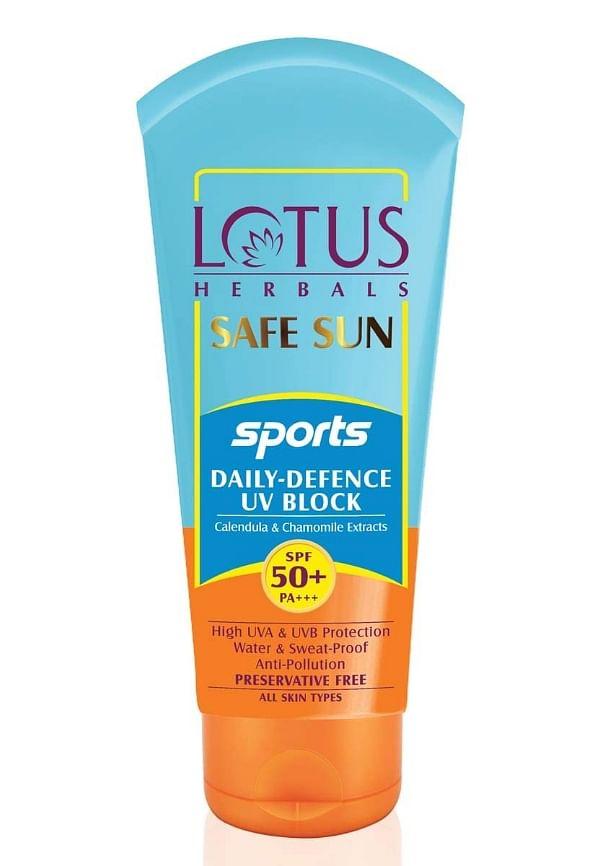
Safe Sun Sports Daily-Defence UV Block Sunscreen SPF 50+
The difference between SPF 30 and SPF 50 is just 1% more protection, but that small percentage can matter for people with very fair skin, those with a history of skin cancer, or anyone spending extended time outdoors. For most daily activities, SPF 30 provides excellent protection when applied properly and reapplied regularly.
What's more important than chasing the highest number is understanding that no sunscreen blocks 100% of UV rays. This is why dermatologists emphasise that sunscreen should be part of a broader sun protection strategy that includes seeking shade, wearing protective clothing, and avoiding peak sun hours when possible.
Broad spectrum SPF is where things get really important for your skin's long-term health. While SPF only measures UVB protection, UVA rays are equally damaging—they're responsible for most premature ageing, dark spots, and contribute to skin cancer risk. UVA rays also penetrate glass, so you're exposed even when driving or sitting by a window.
Look for sunscreens labelled "broad spectrum," which means they protect against both UVA and UVB rays. In some countries, you'll also see a PA rating system (PA+, PA++, PA+++) that specifically measures UVA protection. The more plus signs, the better the UVA protection.
Zinc oxide and titanium dioxide are mineral ingredients that naturally provide broad spectrum protection. Chemical sunscreens achieve broad spectrum coverage through combinations of ingredients like avobenzone, octinoxate, and newer ingredients like bemotrizinol.
Not all sunscreens work the same way, and understanding the types of sunscreen can help you choose the right SPF for skin that matches your lifestyle and skin type. Physical (mineral) sunscreens sit on top of your skin and reflect UV rays away, while chemical sunscreens absorb into your skin and convert UV rays into heat.
For daily SPF use, many people prefer lightweight chemical formulations that blend seamlessly under makeup. If you have sensitive skin or conditions like rosacea, mineral sunscreens with zinc oxide or titanium dioxide tend to be gentler and less likely to cause irritation.
Your skin tone also influences your sunscreen needs. While everyone needs sun protection regardless of melanin levels, people with darker skin tones may prefer chemical sunscreens that don't leave a white cast, or newer mineral formulations designed to blend better with deeper skin tones.
The SPF benefits extend far beyond preventing sunburn. Regular sunscreen use is the single most effective anti-ageing step you can take. Studies show that people who use sunscreen daily experience 24% less skin ageing than those who use it occasionally. This means fewer wrinkles, less hyperpigmentation, and more even skin tone over time.
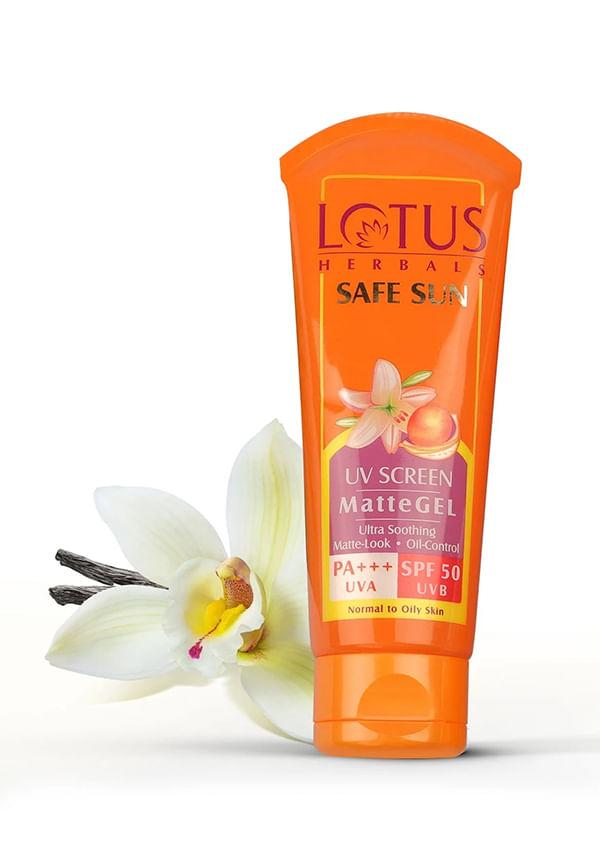
Safe Sun UV Screen MatteGEL Sunscreen SPF 50 PA+++
From a skin cancer prevention standpoint, daily sunscreen use can reduce your risk of melanoma by 50% and squamous cell carcinoma by 40%. These aren't small numbers—they represent thousands of lives saved and countless cases of skin damage prevented.
Dermatologists consistently recommend SPF 30 or higher for daily use, applied 15-30 minutes before sun exposure and reapplied every two hours. For face application, you need about a quarter teaspoon of product—much more than the thin layer most people apply.
Your sunscreen guide starts with choosing the right product for your needs, but proper application is equally crucial. Start with clean skin and apply sunscreen as the last step in your morning skincare routine, before makeup. If you're using other active ingredients like retinol or AHAs, sunscreen becomes even more critical as these can increase sun sensitivity.
For your face, use about a quarter teaspoon of sunscreen. For your entire body, you need approximately one ounce (about a shot glass full). Apply it evenly and don't forget often-missed spots like your ears, the back of your neck, and the tops of your feet if you're wearing sandals.
Reapplication is where most people struggle with their sun protection routine. If you're wearing makeup, consider a powder sunscreen for touch-ups, or look for setting sprays with SPF. For days when you're outdoors or sweating, liquid reapplication every two hours is non-negotiable.
Water-resistant formulations are essential if you're swimming or exercising, but remember that "water-resistant" doesn't mean waterproof. Even water-resistant sunscreens need to be reapplied after 40-80 minutes of water exposure, depending on their rating.
No, SPF 50 doesn't mean 50 minutes of protection. SPF measures the fraction of UV rays that reach your skin, not time. SPF 50 blocks about 98% of UVB rays, regardless of how long you're in the sun. You still need to reapply every two hours for continued protection.
SPF 30 is considered the minimum for daily use and provides 97% UVB protection when applied properly. SPF 50 offers slightly better protection at 98% and may be worth considering if you have fair skin, spend time outdoors, or have a history of skin cancer.
Safe Sun UV Screen MatteGEL Sunscreen SPF 50 PA+++
SPF 50 provides marginally better protection than SPF 40 (98% vs 97.5% UVB protection). The difference is minimal, so choose based on the formula you'll actually use consistently. A lower SPF that you apply properly and reapply regularly is better than a higher SPF you use incorrectly.
For your face and neck, use about a quarter teaspoon of sunscreen. For your entire body, you need approximately one ounce (30ml). Most people apply far less than this, which significantly reduces the effective SPF protection.
While people with darker skin tones have more natural protection from melanin, they still need sunscreen to prevent skin cancer, premature ageing, and hyperpigmentation. SPF 30 is recommended as the minimum for all skin tones, as SPF 15 only blocks 93% of UVB rays.
SPF 30 blocks 97% of UVB rays, while SPF 50 blocks 98%. The 1% difference might seem small, but it represents 50% more UV radiation getting through with SPF 30. For most people, SPF 30 is sufficient when used correctly, but SPF 50 provides extra security.
Understanding SPF ratings empowers you to make informed decisions about your sun protection. The numbers represent the fraction of UV rays that reach your skin, not the duration of protection. SPF 30 blocks 97% of UVB rays and is sufficient for most daily activities, while SPF 50 offers that extra 1% protection that can matter for extended outdoor time or very fair skin.
Remember that broad spectrum protection is just as important as the SPF number—you need protection from both UVA and UVB rays for complete coverage. Proper application and regular reapplication matter more than having the highest SPF number on the shelf.
The Smytten Shop offers a curated selection of sunscreens from trusted brands, making it easier to find the right SPF for your skin type and lifestyle. With over 28 million users discovering products that work for their unique needs, you can explore different formulations and find your perfect sun protection match. If you're curious about trying different SPF formulations before committing to full sizes, Smytten also offers minis from many leading sunscreen brands, letting you test what works best for your skin before you invest in the full-size product.
