What Is Hydrating Cleanser: Your Skin's Best Friend

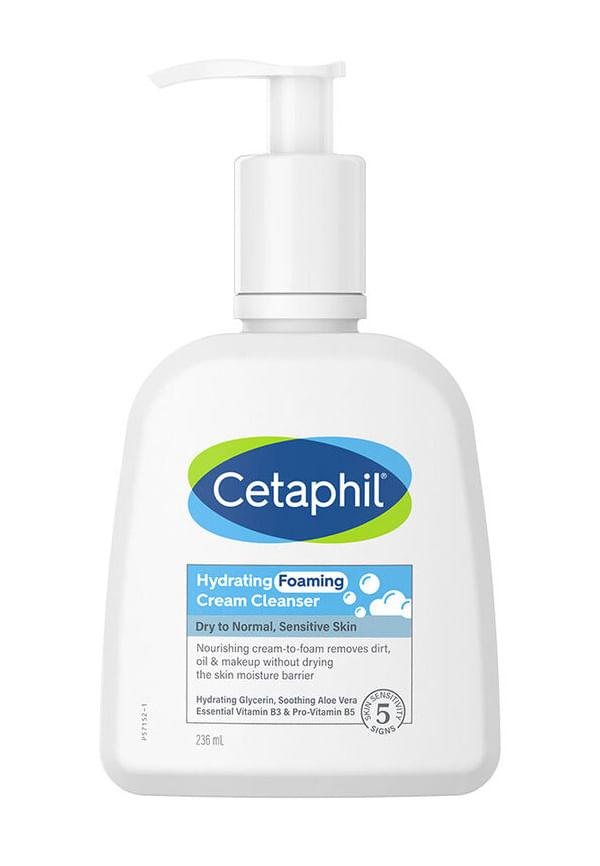 236 ml
Hydrating Foaming Cream Cleanser
Let's be real—if your skin feels tighter than your jeans after a festive feast every time you wash your face, your cleanser might not be your skin's best mate. Enter the hydrating cleanser, the gentle hero your skincare routine has been waiting for. Unlike traditional cleansers that strip away everything (including the good stuff), a hydrating face wash works to clean your skin whilst keeping it soft, supple, and happy. Think of it as the difference between a harsh scrub and a gentle hug for your face. Ready to discover why this might just become your new skincare obsession?
So, what exactly makes a cleanser "hydrating"? It's all about the formula working smarter, not harder. A hydrating skin cleanser contains ingredients that attract and retain moisture whilst removing dirt, makeup, and daily grime. Unlike traditional cleansers that focus solely on getting things squeaky clean, these clever formulas understand that your skin needs to maintain its natural moisture barrier to stay healthy.
The magic lies in the science. Hydrating cleansers typically have a pH level closer to your skin's natural acidity (around 5.5), which helps maintain your skin's protective barrier. They're packed with humectants—ingredients that draw moisture from the environment into your skin—and emollients that smooth and soften. This means you get clean skin without that uncomfortable tight feeling that screams "I need moisturiser NOW!"
Here's where it gets a bit confusing, but stick with us. A gentle cleanser is mild and won't irritate sensitive skin, but it might not actively add moisture. A moisturising cleanser contains oils and creams that leave a slightly hydrating film on your skin. A hydrating cleanser, however, actually helps your skin hold onto water better. Think of it this way: gentle is like a soft touch, moisturising is like applying a light cream, and hydrating is like giving your skin a drink of water.
Traditional cleansers often contain harsh surfactants—the ingredients that create that satisfying foam—but these can be a bit too enthusiastic about their job. They don't just remove dirt and oil; they can strip away your skin's natural protective oils too. This leaves your skin vulnerable, dry, and sometimes even more oily as it tries to compensate for what's been lost.
When you use a cleanser that's too harsh, you're essentially breaking down your skin's natural moisture barrier. This barrier is made up of lipids, ceramides, and natural moisturising factors that keep water in and irritants out. Strip this away, and you're left with skin that feels tight, looks dull, and might even become more sensitive or prone to breakouts.
Your skin is constantly working to maintain its moisture balance. When you cleanse, you're temporarily disrupting this process. A non-stripping cleanser supports your skin's natural functions rather than working against them. It's like having a teammate rather than an opponent in your skincare routine.
Not all ingredients are created equal when it comes to hydrating your skin. The best hydrating cleanser will contain a thoughtful blend of moisture-binding ingredients, gentle cleansing agents, and nourishing additives that work together to clean and care for your skin.
Look out for hyaluronic acid, which can hold up to 1,000 times its weight in water—pretty impressive for such a tiny molecule! Glycerin is another superstar that draws moisture from the air into your skin. Ceramides help repair and strengthen your skin barrier, whilst natural humectants like aloe vera provide soothing hydration.
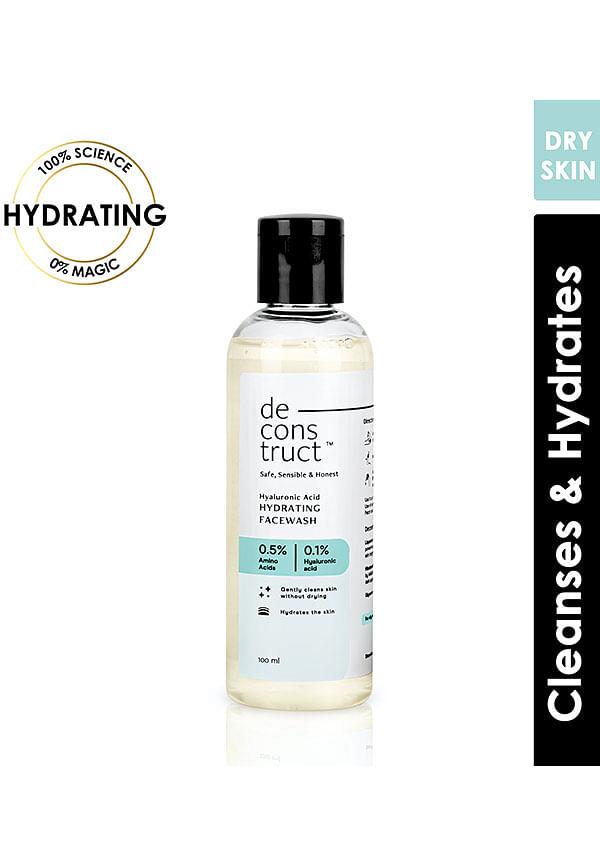 100 ml
Hyaluronic Acid Hydrating Facewash- 0.5% Amino Acids + 0.1% Hyaluronic Acid
Amino acid-based surfactants are much kinder to your skin than traditional sulfates. They clean effectively without being overly aggressive. Cream and oil-based components help dissolve makeup and sunscreen whilst adding moisture back into your skin. Avoid ingredients like sodium lauryl sulfate if you have sensitive or dry skin—they're a bit too enthusiastic for delicate faces.
Plant oils like jojoba or argan oil can provide additional nourishment, whilst botanical extracts like chamomile or green tea offer antioxidant benefits. Vitamins C and E help protect against environmental damage, and soothing agents like oat extract can calm irritated skin.
The benefits of hydrating cleanser go way beyond just feeling comfortable after washing your face. When you switch to a hydrating formula, you're investing in your skin's long-term health and appearance. Your skin will thank you both immediately and over time.
First things first—no more tight, uncomfortable feeling after cleansing. Your skin will feel soft and smooth, making it the perfect canvas for your skincare products and makeup. You might even find that your foundation applies more evenly and looks more natural when your skin is properly hydrated from the start.
Over time, using a hydrating cleanser helps strengthen your skin's natural barrier function. This means better protection against environmental stressors, reduced signs of ageing, and improved tolerance for active ingredients like retinol or acids. Your skin becomes more resilient and better able to maintain its own moisture levels.
Even if you don't have obviously dry skin, you can benefit from hydration. Sensitive skin gets the gentle treatment it deserves, mature skin receives anti-ageing support, and combination skin gets balanced hydration without excess oil production. It's pretty much a win-win for everyone.
Finding your perfect cleanser for dry skin or any skin type really comes down to understanding what your skin needs and matching that with the right formula. It's not about finding the most expensive option—it's about finding the right fit for your unique skin.
Take a moment to really assess your skin. Does it feel tight after cleansing? Do you notice flakiness or rough patches? These are signs you need extra hydration. Consider your lifestyle too—air conditioning, heating, and even stress can affect your skin's moisture levels.
Cream cleansers are brilliant for very dry skin, providing rich, nourishing cleansing. Gel-cream hybrids work well for combination skin, offering hydration without heaviness. Oil cleansers are fantastic for removing makeup whilst adding moisture, and micellar waters provide gentle, no-rinse convenience for sensitive skin.
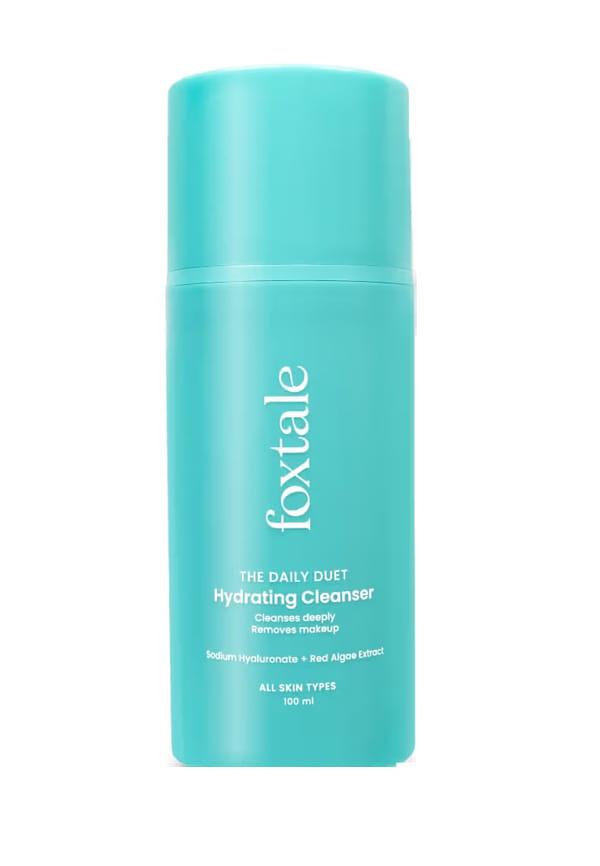 100 ml
The Daily Duet Gentle Hydrating Face Wash And Makeup Remover
Look for ingredients you recognise and can pronounce—often, simpler is better. Check for certifications like dermatologist-tested or hypoallergenic if you have sensitive skin. Avoid products with long lists of synthetic fragrances or alcohol high up in the ingredients list.
Knowing how to use hydrating cleanser properly can make all the difference in getting the best results. It's not just about slapping it on and rinsing off—there's a bit of technique involved to maximise those hydrating benefits.
In the morning, your skin doesn't need aggressive cleansing. A gentle hydrating cleanser removes any overnight buildup whilst preparing your skin for the day ahead. Use lukewarm water and gentle circular motions, then pat dry with a clean towel.
Evenings are when your skin needs more thorough cleansing to remove makeup, sunscreen, and daily pollutants. If you wear makeup, consider double cleansing—start with an oil-based cleanser to break down makeup, then follow with your hydrating cleanser for a gentle but thorough clean.
Use lukewarm water—hot water can strip your skin, whilst cold water won't effectively remove impurities. Massage gently in circular motions for about 30 seconds to a minute. This helps improve circulation whilst ensuring thorough cleansing. Don't rush the process; give your cleanser time to work its magic.
Over-cleansing is a real thing—twice daily is usually plenty unless you've had a particularly sweaty workout. Don't use too much product; a small amount goes a long way. Avoid scrubbing harshly or using water that's too hot, as both can irritate and dry out your skin.
Different skin concerns require slightly different approaches, even when using hydrating cleansers. The beauty of these gentle formulas is that they can be adapted to work for various skin types and concerns whilst maintaining their core hydrating benefits.
If you have particularly dry skin, look for cream-based formulas with added oils. You might want to cleanse only once daily (in the evening) and simply rinse with water in the morning. Follow up immediately with a hydrating serum and moisturiser whilst your skin is still slightly damp to lock in maximum moisture.
Choose fragrance-free, hypoallergenic options and always patch test new products. Start slowly—use your new hydrating cleanser every other day initially to let your skin adjust. If you experience any irritation, discontinue use and consult a dermatologist.
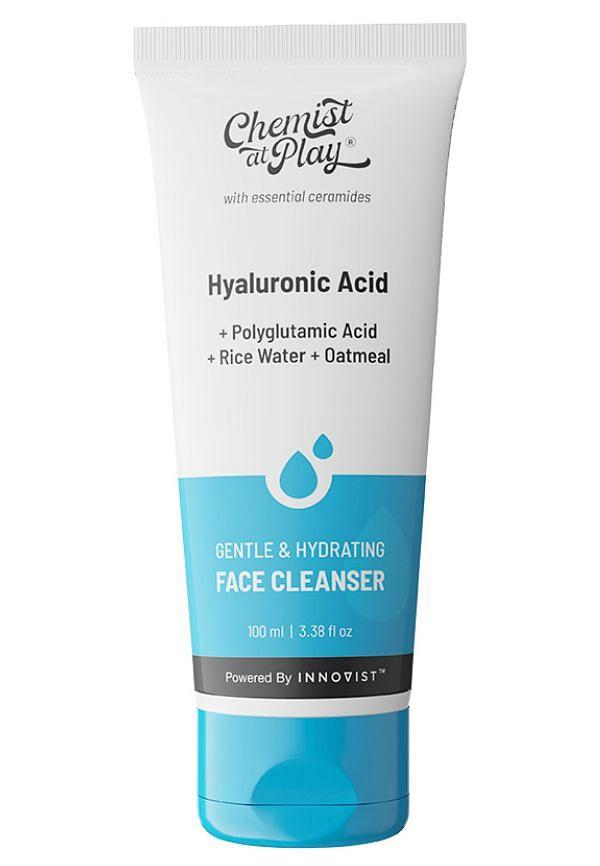 100 ml
Gentle & Hydrating Face Cleanser | Hydrates Dull & Dry Skin
Look for hydrating cleansers with added anti-ageing ingredients like peptides or antioxidants. These can provide gentle exfoliation whilst maintaining moisture levels. Remember that mature skin often needs extra hydration, so don't be afraid to layer on the moisture after cleansing.
When you're ready to explore different hydrating cleansers without the commitment of full-size purchases, platforms like Smytten make it incredibly easy to discover your perfect match. With over 1,500 trusted brands including skincare favourites like Cetaphil and Dot & Key, you can try multiple hydrating cleansers through curated trial packs. Getting up to 8 minis for just ₹249 with 100% cashback means you can experiment with different formulas risk-free, making it simple to find your skin's new best friend.
Most people benefit from using a hydrating cleanser twice daily—morning and evening. However, if you have very dry or sensitive skin, you might prefer to cleanse only once daily (in the evening) and simply rinse with water in the morning.
Absolutely! Hydrating cleansers actually work brilliantly with active ingredients like retinol or acids because they help maintain your skin barrier, making it more tolerant of potentially irritating treatments.
Yes, even with a hydrating cleanser, you should still use a moisturiser. The cleanser provides hydration during the cleansing process, but a moisturiser creates a protective barrier to lock in that hydration throughout the day or night.
Hydrating cleansers help your skin retain water, whilst moisturising cleansers leave a slightly oily or creamy residue on your skin. Both can be beneficial, but hydrating cleansers tend to feel lighter and work better under other skincare products.
Definitely! Oily skin can actually be dehydrated, and using harsh cleansers can make your skin produce even more oil to compensate. A gentle, hydrating cleanser can help balance your skin's oil production.
Your skin should feel comfortable—not tight or dry—after cleansing. Over time, you might notice improved skin texture, better makeup application, and reduced sensitivity to other skincare products.
Finding the right hydrating cleanser can genuinely transform your skincare routine and your skin's health. It's about working with your skin rather than against it, providing the gentle care it deserves whilst still achieving that fresh, clean feeling we all love. Remember, the best cleanser for you is one that leaves your skin feeling comfortable, balanced, and ready for whatever comes next in your routine.
The journey to healthier skin doesn't have to involve expensive mistakes or cupboards full of products that didn't quite work out. With trial-sized options available through platforms that let you explore different brands and formulas, you can discover your perfect hydrating cleanser without the usual risks. After all, why settle for maybe when you can try it all and find exactly what your skin has been craving?
