What is Face Pigmentation? Understanding Hyperpigmentation & Dark Spots


 50 g
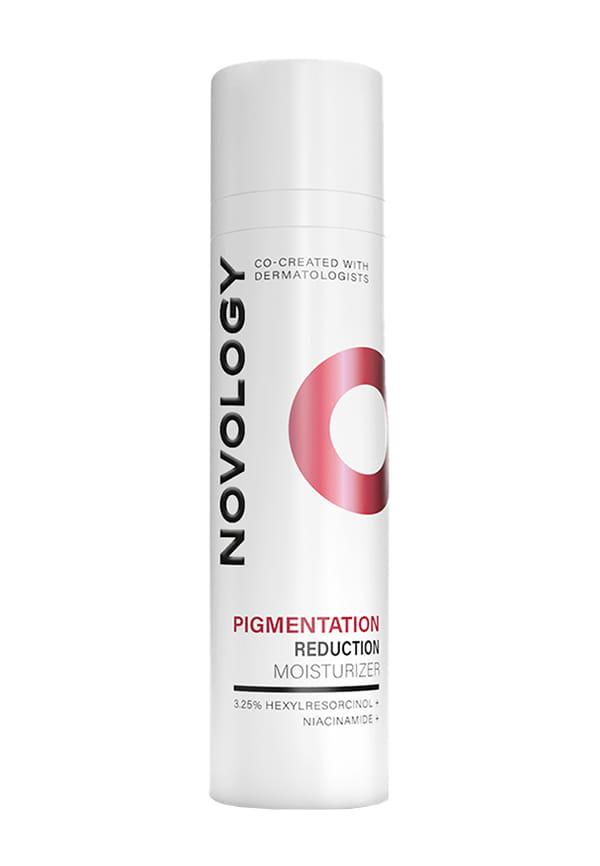
50 gPigmentation Moisturiser, Face Cream for Hyperpigmentation & Dark Spots
Ever noticed those stubborn dark patches on your face that seem to appear out of nowhere? You're definitely not alone. Nearly 90% of adults develop some form of facial pigmentation by age 50, making it one of the most common skin concerns worldwide. Face pigmentation happens when your skin produces too much melanin—the natural pigment that gives your skin its colour—in certain areas, leading to uneven skin tone, dark spots, and those frustrating patches that makeup just can't seem to cover. Whether you're dealing with melasma from hormonal changes, sunspots from years of sun exposure, or post-acne marks that refuse to fade, understanding what causes these skin discolorations is your first step towards clearer, more even-toned skin.
Let's get real about what face pigmentation actually is. At its core, skin pigmentation is all about melanin—a natural pigment produced by specialised cells called melanocytes that live in your skin's deeper layers. Think of melanocytes as tiny factories working around the clock to produce melanin, which then gets distributed throughout your skin cells to give you your natural skin colour.
When everything's working perfectly, melanin production stays fairly consistent across your face, giving you that even skin tone we all crave. But sometimes these melanocyte factories go a bit haywire, producing too much melanin in certain spots or distributing it unevenly. This is when you start noticing those darker patches, spots, or areas that stand out from your natural skin tone.
Your skin's melanin production is actually a protective mechanism that's been keeping humans safe from harmful UV rays for thousands of years. When your skin detects potential damage—whether from sun exposure, inflammation, or hormonal changes—it ramps up melanin production as a defence strategy.
The process starts when melanocytes receive signals to produce more melanin. This melanin then gets packaged into tiny structures called melanosomes, which are transferred to surrounding skin cells. The more melanin your skin produces, the darker that area becomes. It's brilliant protection, but sometimes your skin gets a bit overzealous and keeps producing melanin even after the threat is gone, leading to those persistent dark spots and uneven patches.
Not all dark spots are created equal, and knowing which type you're dealing with can make all the difference in choosing the right treatment approach. Let's break down the most common types of hyperpigmentation you might spot on your face.
Sunspots (also called solar lentigines) are probably the most common type of facial pigmentation. These flat, brown or black spots typically show up on areas that get the most sun exposure—think your cheeks, forehead, nose, and around your eyes. They're basically your skin's way of saying "remember all those times you forgot sunscreen?"
Age spots are similar but tend to develop as part of the natural ageing process, often appearing after age 40. They're usually larger than sunspots and can range from light brown to almost black. The good news? Both types respond well to consistent treatment with the right ingredients.
Melasma is that tricky type of pigmentation that loves to show up during pregnancy (hello, "pregnancy mask") or when you start new hormonal contraceptives. It typically appears as symmetrical brown or grey patches on your cheeks, forehead, bridge of your nose, or upper lip.
 30 ml
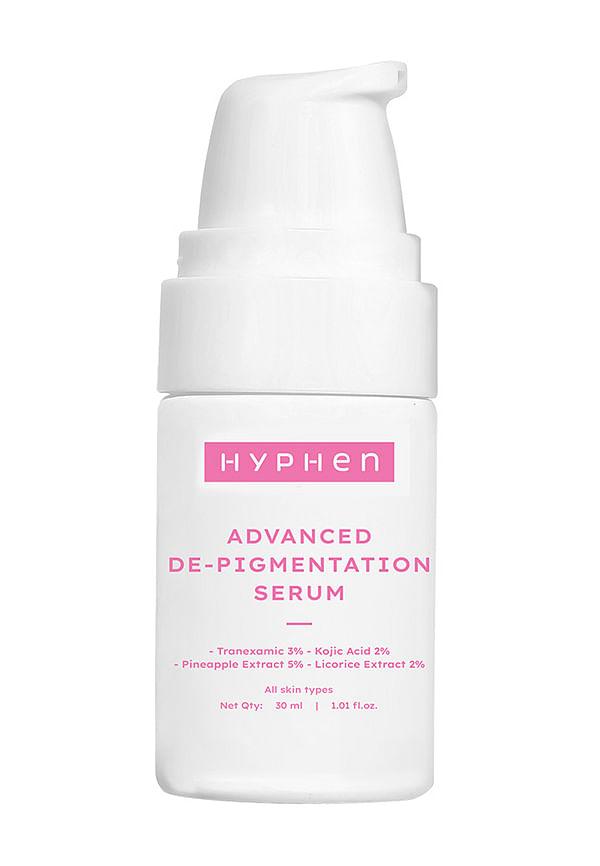
30 mlAdvanced De-Pigmentation Serum For Hyperpigmentation, Melasma, Dark Spots & Scars
What makes melasma particularly stubborn is its deep connection to hormonal fluctuations. Even after pregnancy or stopping hormonal medications, melasma can persist for months or even years. Sun exposure makes it worse, which is why it's often more noticeable during summer months.
This is the type of pigmentation that follows inflammation or injury to your skin. Had a particularly nasty breakout? Those dark marks left behind are post-inflammatory hyperpigmentation. The same thing can happen after cuts, burns, or even aggressive skincare treatments that irritate your skin.
The intensity and duration of these marks often depend on your skin tone—deeper skin tones tend to be more prone to post-inflammatory hyperpigmentation, and the marks can take longer to fade naturally.
Understanding the root causes of facial pigmentation is crucial for both treatment and prevention. While melanin overproduction is the immediate cause, several factors can trigger this process.
UV radiation is hands down the biggest culprit behind facial pigmentation. Every time UV rays hit your skin, they trigger melanocytes to produce more melanin. Over time, this cumulative damage leads to uneven pigmentation, sunspots, and accelerated ageing.
What's particularly sneaky about sun damage is that it's cumulative—those few minutes of daily sun exposure during your commute, lunch breaks, or weekend errands all add up. Even on cloudy days, up to 80% of UV rays can penetrate through clouds, meaning your skin is constantly being exposed to potential pigmentation triggers.
Hormones play a massive role in skin pigmentation, particularly oestrogen and progesterone. During pregnancy, these hormone levels fluctuate dramatically, often triggering melasma. Similarly, hormonal contraceptives, hormone replacement therapy, and even natural hormonal cycles can influence melanin production.
This is why many women notice their pigmentation getting worse during certain times of their menstrual cycle or when starting new hormonal medications. The key is recognising these patterns so you can adjust your skincare routine accordingly.
Any type of inflammation or trauma to your skin can trigger excess melanin production. This includes obvious things like acne, cuts, or burns, but also subtler irritation from harsh skincare products, aggressive scrubbing, or even picking at your skin.
 30 ml
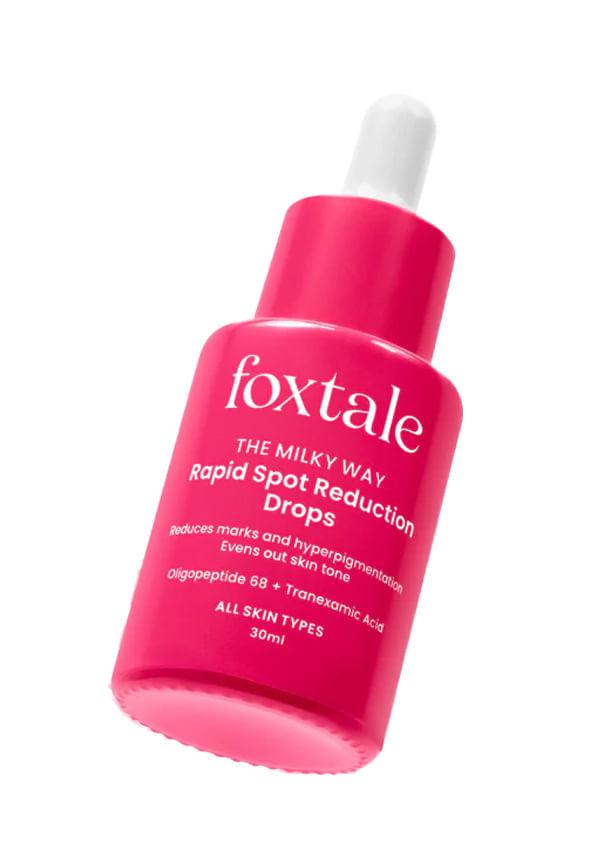
30 ml3% Tranexamic Acid & Peptide Serum for Hyperpigmentation, Reduces Marks
The inflammatory response sends signals to melanocytes to ramp up production, which is why that spot where you had a pimple last month is now a dark mark that seems determined to stick around forever.
The good news about facial pigmentation is that most types are treatable with the right approach and patience. The key is choosing treatments that match your skin type, pigmentation severity, and lifestyle.
Vitamin C is your pigmentation-fighting superhero. This powerful antioxidant works by inhibiting the enzyme responsible for melanin production while also helping to fade existing dark spots. Look for stable forms like magnesium ascorbyl phosphate or sodium ascorbyl phosphate, and use it consistently in your morning routine.
Retinoids speed up cell turnover, helping to shed pigmented skin cells faster while preventing new pigmentation from forming. Start with a gentle retinol product and gradually work your way up to stronger formulations as your skin builds tolerance.
Hydroquinone is often considered the gold standard for pigmentation treatment. It works by directly inhibiting melanin production, but it should be used under professional guidance due to potential side effects with long-term use.
Kojic acid and niacinamide offer gentler alternatives that can be particularly effective for sensitive skin types. These ingredients work more slowly but with fewer side effects, making them perfect for long-term maintenance.
When at-home treatments aren't cutting it, professional options can provide more dramatic results. Chemical peels use acids to remove the top layers of pigmented skin, revealing fresher, more even-toned skin underneath.
Laser treatments target pigmented cells with precise light energy, breaking up melanin deposits so your body can naturally eliminate them. Different laser types work better for different pigmentation types, which is why professional assessment is crucial.
While treating existing pigmentation is important, prevention is always better than cure. The most effective prevention strategy is comprehensive sun protection—and we're talking about more than just slapping on some SPF when you remember.
Daily broad-spectrum sunscreen with at least SPF 30 should be non-negotiable, even on cloudy days or when you're mostly indoors. Reapply every two hours, and don't forget often-missed spots like your ears, neck, and the area around your eyes.
 30 ml
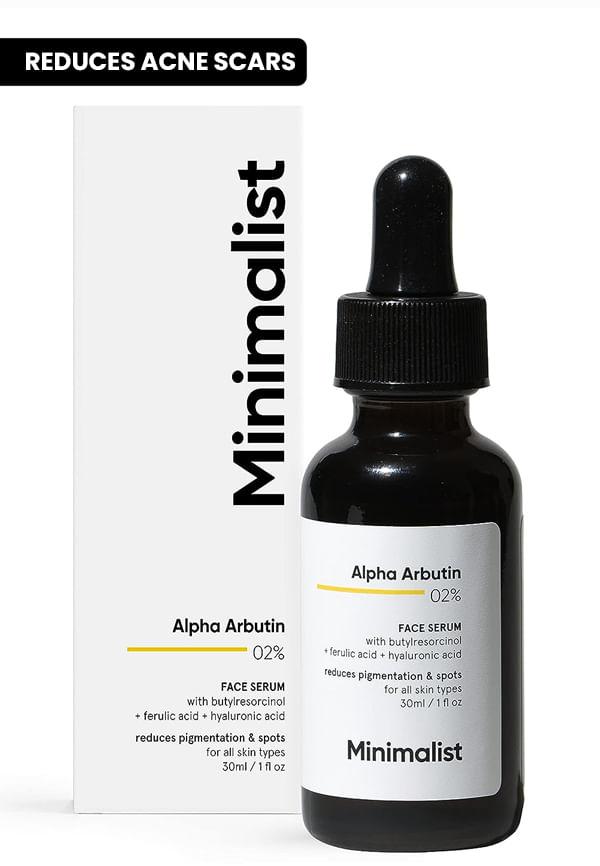
30 ml2% Alpha Arbutin Face Serum For Hyperpigmentation
A consistent skincare routine is your best defence against new pigmentation and your most powerful tool for fading existing spots. Start with gentle cleansing, follow with targeted treatments like vitamin C or retinoids, and always finish with moisturiser and sunscreen during the day.
The beauty of platforms like Smytten is that you can try different pigmentation-fighting products without committing to full sizes. With trial packs from trusted brands like Dot & Key, Cetaphil, and other skincare favourites, you can test what works for your specific skin concerns before investing in full-size products.
Facial pigmentation is primarily caused by excess melanin production triggered by UV exposure, hormonal changes, inflammation, or genetic factors. Sun damage is the most common cause, followed by hormonal fluctuations during pregnancy or from contraceptives, and post-inflammatory responses from acne or skin trauma.
Vitamin C can help fade pigmentation by inhibiting melanin production and promoting cell turnover, but it won't completely "remove" pigmentation overnight. With consistent use over 8-12 weeks, vitamin C can significantly lighten dark spots and prevent new ones from forming. It works best when combined with other treatments and proper sun protection.
Pigmentation treatment requires a multi-step approach: start with gentle exfoliation and vitamin C, add retinoids for faster cell turnover, use targeted treatments like kojic acid or hydroquinone, and always protect with sunscreen. For stubborn pigmentation, professional treatments like chemical peels or laser therapy may be necessary.
Some types of pigmentation, particularly post-inflammatory hyperpigmentation, can fade naturally over 6-24 months. However, sun-induced pigmentation and melasma rarely disappear without treatment and often worsen over time without proper care and sun protection.
The best treatment depends on your pigmentation type, skin sensitivity, and severity. For most people, a combination of vitamin C, retinoids, and consistent sunscreen provides excellent results. Stubborn cases may benefit from professional treatments, but starting with gentle, proven ingredients is usually the safest approach.
Understanding what face pigmentation is and why it happens puts you in control of your skin's future. Whether you're dealing with sunspots, melasma, or post-acne marks, remember that effective treatment takes time, consistency, and the right combination of ingredients for your specific skin type.
The journey to clearer, more even-toned skin doesn't have to be overwhelming or expensive. With Smytten's curated trial packs from over 1,500 trusted brands, you can explore different pigmentation treatments and find what works for your skin without the commitment of full-size purchases. From vitamin C serums to gentle retinoids, you can try it all and discover your perfect anti-pigmentation routine. After all, why settle for uneven skin tone when you can explore every option and find what truly works for you?
