What is a Hydrating Toner? Your Questions Answered


Hyaluronic Acid Hydro Boosting Toner-Serum For Hydrating & Glowing Skin
You've probably stood in the skincare aisle wondering why some toners promise to "deep clean and tighten pores" while others claim to "hydrate and plump." It's confusing, especially when they're all called toners. The truth is, not all toners are created equal. Some strip your skin of moisture with harsh alcohols, while others deliver a drink of hydration that leaves your face feeling soft and balanced. Understanding the difference between hydrating toners and astringent toners can completely change how your skin feels and looks. Let's clear up the confusion once and for all.
Modern toners have come a long way from the harsh, alcohol-laden formulas your mum might remember. Today's skin toner types serve multiple purposes, from balancing your skin's pH after cleansing to delivering targeted ingredients that address specific concerns.
Decades ago, toners were essentially one-trick ponies designed to remove every trace of oil and makeup with ingredients like denatured alcohol and witch hazel. These astringent toners left skin feeling tight and "squeaky clean" – which we now know isn't actually good for your skin barrier. The skincare world has evolved, and so have toners. Today's formulations focus on supporting your skin's natural functions rather than stripping them away.
Whether you choose a hydrating or astringent formula, all toners share some basic functions. They help restore your skin's natural pH after cleansing, which typically sits around 5.5 on the pH scale. This slightly acidic environment keeps your skin barrier healthy and functioning properly. Toners also prep your skin for the products that follow – think of them as a primer that helps your serums and moisturisers absorb more effectively.
The main difference between these two toner types lies in their primary goal and ingredient composition. While astringent toners focus on removing excess oil and tightening pores, hydrating toners prioritise moisture delivery and skin barrier support.
Astringent toners typically contain ingredients like denatured alcohol, witch hazel, or salicylic acid. These components work by temporarily tightening the skin and removing surface oils. You'll often find them marketed towards oily or acne-prone skin types. However, the tightening sensation they create is temporary and can actually trigger your skin to produce more oil in response to the dryness.
Hydrating toners take a gentler approach with ingredients like hyaluronic acid, glycerin, and ceramides. These humectants and emollients work to attract moisture to your skin and help lock it in. Many hydrating formulas are also alcohol-free toners, making them suitable for sensitive skin types that might react poorly to harsh ingredients.
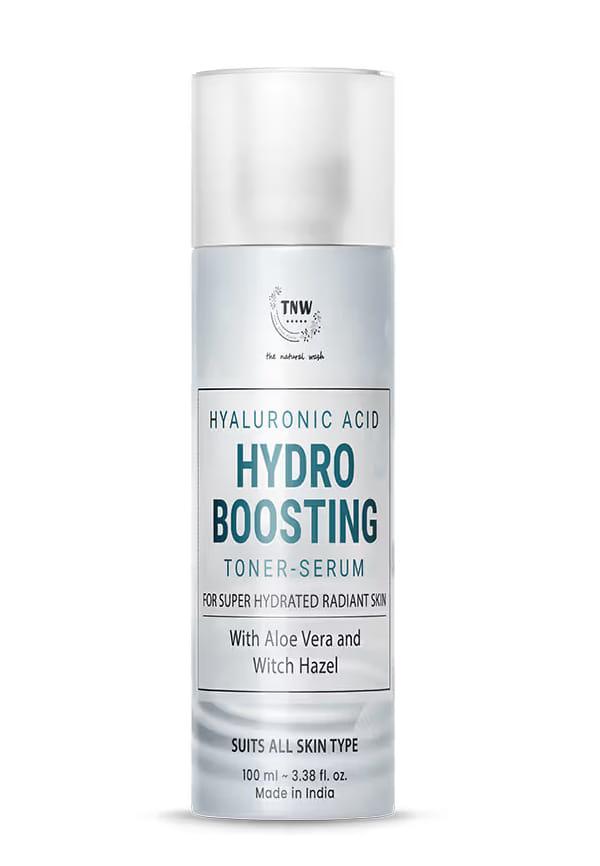
Hyaluronic Acid Hydro Boosting TonerSerum for Hydrating & Glowing Skin | Toner + Serum for Radiant Skin | ChemicalFree Skincare Product
When you use an astringent toner, you'll notice an immediate tightening sensation as the alcohol evaporates and temporarily shrinks your pores. This effect might feel satisfying, but it's not addressing the root cause of enlarged pores or excess oil production. In fact, over-drying your skin can lead to increased oil production as your sebaceous glands work overtime to compensate.
Hydrating toners work differently. Instead of creating a tight feeling, they leave your skin feeling soft, plump, and comfortable. The hydrating toner benefits include improved skin barrier function, better moisture retention, and a more balanced complexion over time. Your skin learns to maintain its natural moisture levels rather than constantly trying to recover from dehydration.
You can often tell the difference between these toner types just by looking at them. Astringent toners tend to be clear and watery, with a sharp, medicinal scent from the alcohol content. Hydrating toners might be slightly thicker, sometimes with a gel-like consistency, and often have a more pleasant, subtle fragrance or no scent at all.
The benefits of incorporating a hydrating toner into your routine extend far beyond just adding moisture. These formulas work on multiple levels to improve your skin's overall health and appearance.
Your skin barrier is like a protective wall made of skin cells and lipids that keeps moisture in and irritants out. When this barrier is compromised – whether from harsh products, environmental stress, or over-cleansing – your skin becomes more prone to sensitivity, dryness, and breakouts. Hydrating toners help repair and strengthen this barrier with ingredients like niacinamide and ceramides.
One of the most practical hydrating toner benefits is how they improve the absorption of your subsequent skincare products. When your skin is properly hydrated, it's more receptive to active ingredients in your serums and moisturisers. This means you get better results from your entire hydrating skincare routine, not just the toner itself.
While astringent toners might give you an immediate feeling of "clean" skin, hydrating toners provide both instant and cumulative benefits. Immediately after application, you'll notice your skin feels softer and looks more radiant. Over time, consistent use can help reduce the appearance of fine lines, improve skin texture, and create a more even complexion.
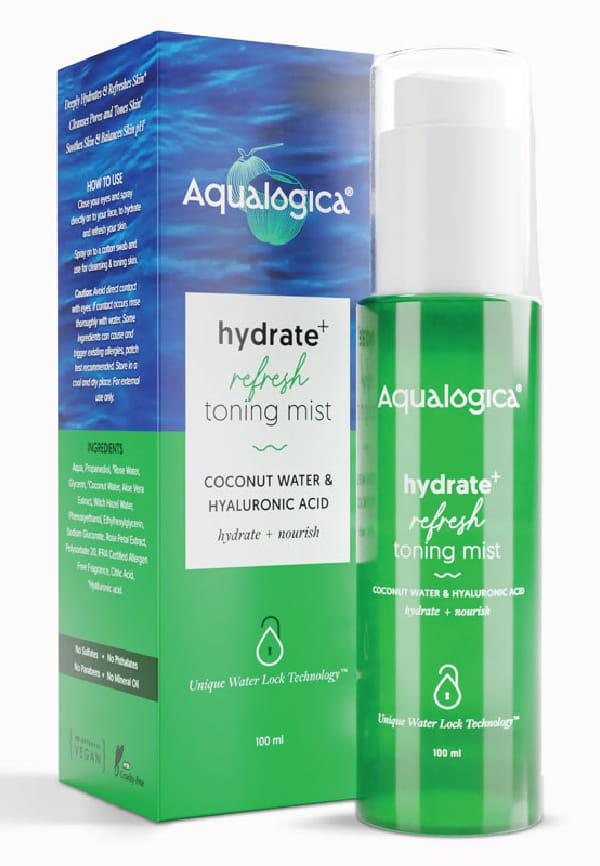
Hydrate+ Refresh Toning Mist with Coconut Water and Hyaluronic Acid
The key to finding the best hydrating toner for your skin lies in understanding your specific needs and concerns. Different skin types benefit from different formulations, even within the hydrating toner category.
If you have dry skin, you'll want to look for toner for dry skin that contains multiple types of hydrating ingredients. Hyaluronic acid is excellent for attracting moisture, while glycerin helps maintain hydration levels throughout the day. Avoid any toners with alcohol, fragrance, or essential oils that might further irritate already sensitive, dry skin.
Contrary to popular belief, oily skin still needs hydration. The best toner for oily skin will provide moisture without feeling heavy or greasy. Look for lightweight, water-based formulas with ingredients like niacinamide, which can help regulate oil production while providing hydration. Some people with oily skin benefit from alternating between a gentle hydrating toner and a mild astringent, but this should be done carefully to avoid over-drying.
If you have combination skin, you might consider using different toners on different areas of your face – a hydrating formula on dry cheeks and a slightly more astringent option on your oily T-zone. For sensitive skin, stick to alcohol-free toners with minimal ingredients and always patch test new products before applying them to your entire face.
How you apply your toner can significantly impact its effectiveness. The right technique ensures you get the maximum hydrating toner benefits while avoiding potential irritation.
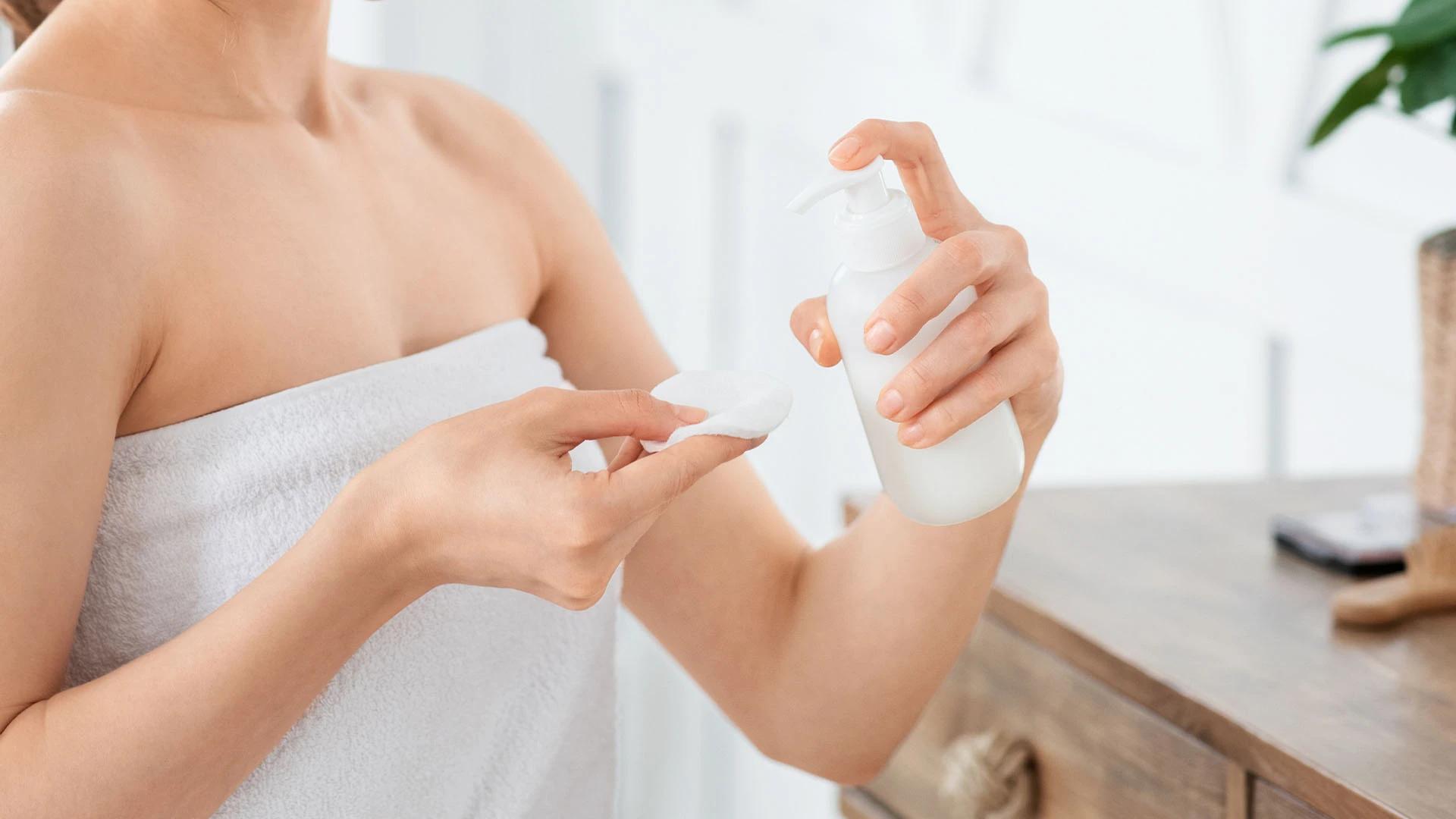
There are two main methods for applying toner: with a cotton pad or with your hands. Cotton pads can help remove any remaining traces of cleanser or makeup, but they also absorb some of the product. For hydrating toners, applying with clean hands often works better as it allows you to press the product into your skin and ensures none is wasted on the cotton pad.
One of the biggest mistakes people make is using too much toner or applying it too aggressively. Your skin should feel comfortable and slightly damp after application, not soaking wet. Another common error is mixing astringent and hydrating toners without understanding how they interact. If you choose to use both types, apply the astringent first, wait for it to dry, then follow with the hydrating toner.

2% Salicylic BHA Hydrating Toner
In a typical hydrating skincare routine, toner comes after cleansing but before serums and moisturisers. Morning routines might include a lighter hydrating toner followed by SPF, while evening routines can accommodate richer, more nourishing formulas. Remember that consistency is key – it's better to use a gentle hydrating toner daily than to alternate between harsh and gentle products.
Neither is inherently "better" – it depends on your skin type and concerns. Astringent toners can be helpful for very oily skin when used occasionally, but hydrating toners are generally more beneficial for maintaining healthy skin barrier function. Most dermatologists recommend hydrating formulas for daily use, regardless of skin type.
Yes, but with caution. If you choose to use both, apply the astringent toner first to clean areas that need oil control, then follow with a hydrating toner over your entire face. This approach works best for combination skin, but monitor your skin's response and reduce frequency if you notice irritation or excessive dryness.
An astringent is actually a type of toner that contains ingredients designed to tighten pores and remove excess oil. The main difference is that astringents typically contain alcohol or other drying agents, while hydrating toners focus on moisture delivery. Modern skincare often uses "toner" as an umbrella term for various liquid skincare products applied after cleansing.
Some toners can help with hyperpigmentation, particularly those containing ingredients like niacinamide, vitamin C, or gentle acids. However, toners alone won't dramatically improve dark spots – they work best as part of a comprehensive routine that includes targeted serums and consistent SPF use.
The best hydrating toner for you should contain proven hydrating ingredients like hyaluronic acid, glycerin, or ceramides. Look for alcohol-free formulas, especially if you have sensitive or dry skin. The product should feel comfortable on your skin and absorb well without leaving a sticky residue.
Understanding the difference between hydrating and astringent toners empowers you to make better choices for your skin. While astringent toners have their place in certain skincare routines, hydrating toners offer more universal benefits for maintaining healthy, balanced skin. The key is choosing a formula that matches your skin type and concerns, then using it consistently as part of a well-rounded routine.
Remember that skincare is personal, and what works for your friend might not work for you. Pay attention to how your skin responds to different products and adjust accordingly. If you're curious about trying new toner formulations but hesitant to commit to full-size products, platforms like Smytten offer a smart way to test different brands and formulas through their curated trial options. With access to over 2,400 trusted brands, you can discover your perfect hydrating toner match before making a larger investment.
