What Does Niacinamide Do to Skin? Your FAQ Answered

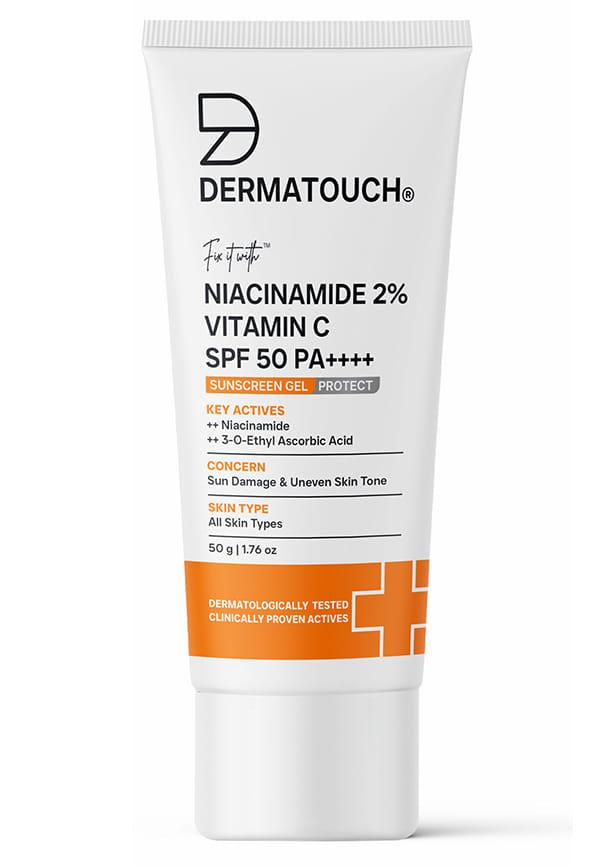
Niacinamide 2% Vitamin C Sunscreen for glowing skin, SPF 50+ PA ++++
You've probably heard the buzz around niacinamide in every skincare conversation lately. Whether it's your colleague raving about clearer skin or that beauty influencer swearing by their latest serum, this ingredient seems to be everywhere. But what does niacinamide actually do to your skin beyond the hype? If you've been wondering whether this vitamin B3 derivative lives up to its reputation, you're not alone. From tackling stubborn breakouts to calming angry redness, niacinamide has earned its place as one of the most versatile ingredients in modern skincare. Let's dive into the science and real benefits that make this ingredient worth understanding.
Niacinamide, also known as nicotinamide, is a form of vitamin B3 that your skin absolutely loves. Unlike some skincare ingredients that work on the surface, niacinamide penetrates deep into your skin cells where it gets busy with multiple repair and protection jobs. Think of it as your skin's multitasking best friend who never calls in sick.
At the cellular level, niacinamide works by boosting the production of ceramides and fatty acids that keep your skin barrier strong and healthy. It also helps your skin produce more energy (ATP) for cellular repair processes. This isn't just marketing speak—clinical studies consistently show that niacinamide can improve skin texture, reduce inflammation, and strengthen the protective barrier that keeps irritants out and moisture in.
What makes niacinamide particularly brilliant is its water-soluble nature. This means it absorbs quickly without leaving that sticky residue some ingredients leave behind. Once it's in your skin, it gets to work regulating oil production, supporting collagen synthesis, and even helping to repair DNA damage from environmental stressors like pollution and UV exposure.
Dermatologists favour niacinamide because it's incredibly well-tolerated across all skin types. Unlike some active ingredients that can cause irritation or require careful introduction, most people can start using niacinamide daily without any drama. It plays well with other ingredients too, making it an excellent team player in your skincare routine.
The research on niacinamide skin benefits is impressive, with studies showing measurable improvements across multiple skin concerns. Here's what this powerhouse ingredient can actually do for your skin, backed by science rather than just social media claims.
Your skin barrier is like a protective wall, and niacinamide helps build stronger bricks. It increases the production of ceramides by up to 34%, which means better moisture retention and less water loss throughout the day. If you've noticed your skin feeling tight or looking dull, a compromised barrier might be the culprit.
While you can't actually shrink pores (they're genetically determined), niacinamide can make them appear smaller by regulating sebum production. Studies show it can reduce oil production by up to 30% after eight weeks of consistent use. Less oil means less congestion, which translates to pores that look tighter and more refined.
If your skin tends to react to everything from weather changes to stress, niacinamide's anti-inflammatory properties can be a game-changer. It helps calm irritated skin and reduces the redness associated with conditions like rosacea or general sensitivity. Many users notice a more even, calmer complexion within just a few weeks.
One of the most celebrated niacinamide benefits for skin is its ability to address hyperpigmentation. It works by inhibiting the transfer of melanin to skin cells, which means those post-acne marks and sun spots can gradually fade. Clinical studies show significant improvement in skin tone evenness after 12 weeks of regular use.

Organic Niacin (Vitamin B3)
Niacinamide stimulates collagen production, which helps improve skin elasticity and smoothness over time. While it's not as dramatic as retinol for anti-ageing, it offers gentle improvement without the potential irritation. Your skin will notice improved texture and a subtle plumping effect.
Daily exposure to pollution and UV rays creates free radicals that damage your skin. Niacinamide acts as an antioxidant, helping to neutralise these harmful molecules before they can cause premature ageing or inflammation. Think of it as an invisible shield working alongside your SPF.
Regular use of niacinamide essentially trains your skin to be stronger and more resilient. Users often report that their skin becomes less reactive to environmental changes, stress, or new products. It's like building up your skin's immune system.
Understanding niacinamide uses for skin helps you determine whether this ingredient addresses your particular concerns. Here's how it tackles some of the most common skin issues people face.
Niacinamide for acne works through multiple pathways. It reduces oil production, has anti-inflammatory properties, and helps prevent the formation of comedones (blackheads and whiteheads). Clinical studies show that 4% niacinamide can be as effective as 1% clindamycin (a prescription antibiotic) for treating mild to moderate acne, but without the risk of antibiotic resistance.
If you're dealing with persistent redness or sensitivity, niacinamide for redness can provide gentle relief. It strengthens the skin barrier, reducing the likelihood of irritants penetrating and causing reactions. Many people with rosacea find that niacinamide helps manage flare-ups when used consistently.
For those dealing with post-inflammatory hyperpigmentation (PIH) from old breakouts or sun damage, niacinamide offers a gentler alternative to ingredients like hydroquinone. It works gradually but effectively to even out skin tone without the potential side effects of harsher lightening agents.
Absolutely. Niacinamide is particularly beneficial for oily skin types because it helps regulate sebum production without over-drying. Unlike harsh astringents that strip your skin and trigger more oil production, niacinamide works with your skin's natural processes to achieve balance.
While not as potent as retinoids for anti-ageing, niacinamide offers gentle improvement in skin elasticity and fine lines. It's an excellent choice for those who want anti-ageing benefits but can't tolerate stronger actives, or as a supporting ingredient in a comprehensive routine.
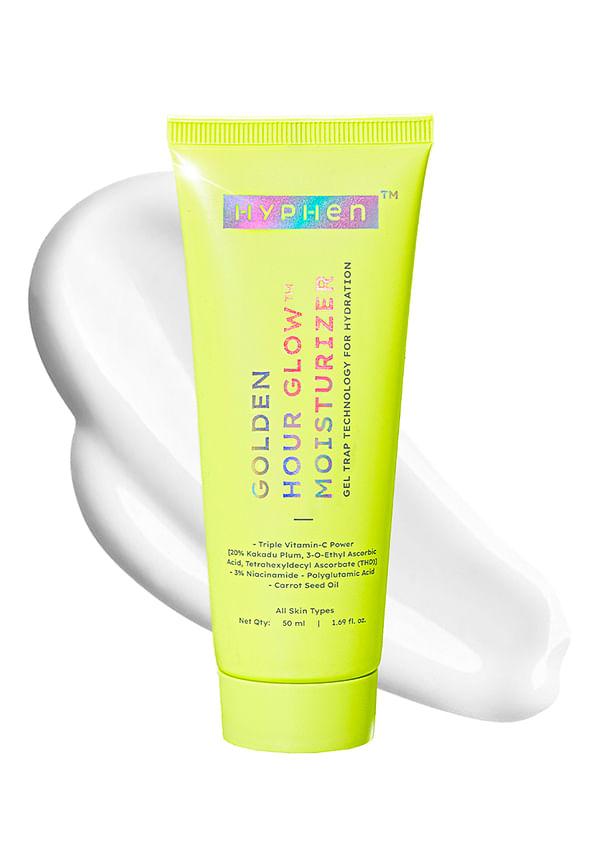
Golden Hour Glow Face Moisturizer | Brighter Skin with Triple Vitamin C & 3% Niacinamide
Niacinamide serum benefits are maximised when you understand how to use this ingredient properly. The concentration, timing, and application method all play crucial roles in getting the best results.
Serums deliver higher concentrations of active ingredients in a lightweight format that penetrates quickly. Unlike moisturisers or cleansers where niacinamide might be diluted, serums allow you to get therapeutic doses directly to your skin. The molecular structure of niacinamide is perfectly suited to serum delivery.
Most research shows benefits at concentrations between 2-5%, with 5% being the sweet spot for most people. Higher concentrations (10% or 20%) aren't necessarily better and may cause irritation in some users. If you're new to niacinamide, starting with 5% is typically ideal.
Apply niacinamide serum to clean, dry skin before heavier products like moisturisers or oils. A few drops are sufficient for your entire face. The beauty of niacinamide skin care is its simplicity—no special timing or complicated layering rules required.
Niacinamide can be used both morning and evening, making it incredibly versatile. Many people prefer morning use because of its oil-controlling and protective properties, while others use it at night for its repair benefits. There's no wrong choice—consistency matters more than timing.
One of the best things about niacinamide is how well it plays with other ingredients. You can safely use it with vitamin C, retinol, AHAs, BHAs, and hyaluronic acid. In fact, it often enhances the benefits of other actives while reducing potential irritation.
While niacinamide is generally well-tolerated, understanding potential niacinamide side effects helps you use it safely and effectively. Most people experience no adverse reactions, but being informed is always wise.
The most common side effects are mild and temporary: slight redness, tingling, or dryness when first starting use. These typically resolve within a few days as your skin adjusts. Very rarely, some people may experience contact dermatitis or allergic reactions.
Niacinamide is suitable for virtually all skin types, including sensitive skin. However, if you have a known allergy to vitamin B3 or nicotinic acid, you should avoid niacinamide products. Pregnant and breastfeeding women can safely use topical niacinamide.
Start with lower concentrations and gradually increase if needed. Apply to slightly damp skin to reduce potential irritation, and always follow with a good moisturiser. If you experience persistent irritation, reduce frequency or concentration.
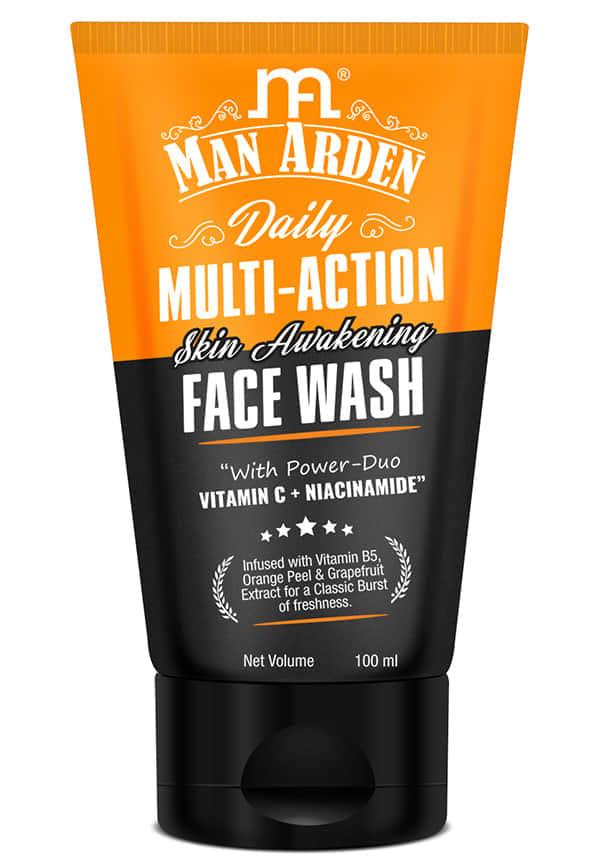
Vitamin C Daily Multi-Action Skin Awakening & Brightening Face Wash Vitamin C + Niacinamide
See a dermatologist if you experience severe reactions, persistent irritation that doesn't improve after stopping use, or if you're unsure about incorporating niacinamide into a routine with prescription medications.
Yes, niacinamide is gentle enough for daily use, both morning and evening. Most people can start using it daily without any adjustment period, though some prefer to begin with every other day and gradually increase frequency.
The main disadvantages are rare but can include mild irritation in very sensitive individuals and the potential for contact dermatitis in those with allergies. Some people also find that very high concentrations (above 10%) can cause flushing or tingling.
Niacinamide doesn't permanently lighten skin but rather helps even out skin tone by reducing hyperpigmentation. The effects are maintained with continued use but will gradually fade if you stop using the ingredient.
Most people notice initial improvements in skin texture and oil control within 2-4 weeks. For hyperpigmentation and more significant changes, expect to wait 8-12 weeks of consistent use to see full benefits.
Yes, niacinamide is suitable for all skin types—oily, dry, combination, sensitive, and acne-prone skin can all benefit from this ingredient. It's one of the most universally tolerated active ingredients in skincare.
Niacinamide doesn't whiten skin but helps achieve a more even skin tone by reducing dark spots and hyperpigmentation. It works by inhibiting melanin transfer, which helps fade existing discolouration rather than lightening your natural skin colour.
Understanding what niacinamide does to skin reveals why this ingredient has become such a skincare staple. From managing breakouts and reducing redness to improving skin texture and fading dark spots, niacinamide offers proven benefits that work for virtually everyone. Its gentle nature and compatibility with other ingredients make it an excellent choice whether you're building your first skincare routine or looking to address specific concerns.
The beauty of niacinamide lies in its versatility and reliability. Unlike some ingredients that promise dramatic overnight changes, niacinamide delivers steady, sustainable improvements that build over time. Your skin will notice the difference in barrier strength, oil balance, and overall resilience.
If you're curious about trying niacinamide but want to test it before committing to a full-size product, Smytten's curated selection includes minis from trusted brands that feature this powerhouse ingredient. With over 28 million users discovering their perfect skincare matches through trial-sized products, you can explore what works for your unique skin needs. After all, why settle for maybe when you can discover what actually works for your skin?
