Vitamin C vs Retinol: Ultimate Skincare Showdown


Let's be real—the vitamin C vs retinol debate has been going on forever in skincare circles. You've probably seen countless posts about these two powerhouse ingredients, each claiming to be the ultimate game-changer for your skin. But here's the thing: both vitamin C and retinol have earned their spots as skincare legends for good reason. Whether you're dealing with dull skin, fine lines, or just want that enviable glow, understanding how these ingredients work (and whether you can use them together) might just be the key to unlocking your best skin yet. Ready to dive into the ultimate skincare showdown?
Before we jump into the comparison, let's get clear on what we're actually talking about. Both skincare vitamin C and skincare retinol are backed by serious science, but they work in completely different ways to transform your skin.
Vitamin C in skincare isn't just about popping supplements (though that helps too). When we talk about vitamin C benefits for skin, we're usually referring to L-ascorbic acid or its more stable derivatives like magnesium ascorbyl phosphate or sodium ascorbyl phosphate. This antioxidant powerhouse works at the cellular level to neutralise free radicals—those pesky molecules that cause premature ageing and skin damage.
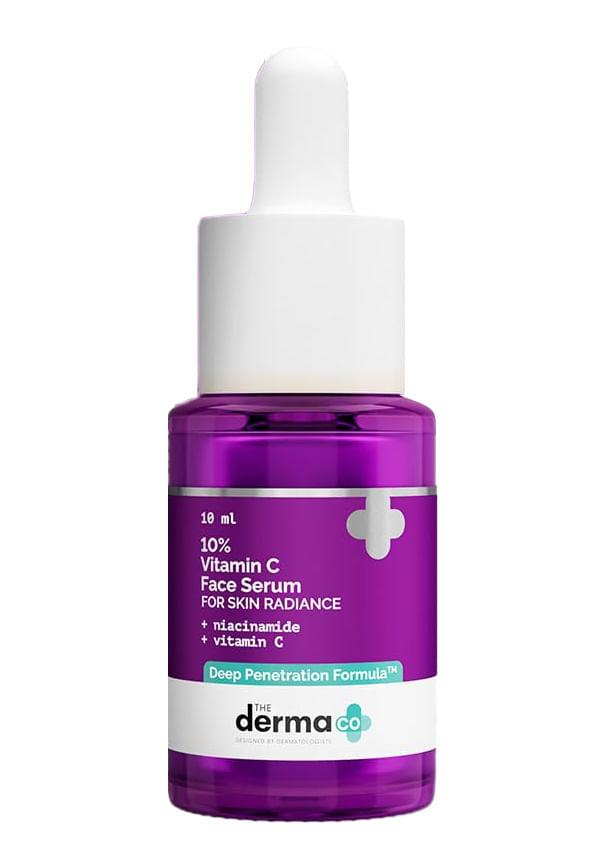 10 ml
10 ml10% Vitamin C Face Serum with Vitamin C, 5% Niacinamide & Hyaluronic Acid
Retinol, on the other hand, is a vitamin A derivative that's been the gold standard in anti-ageing for decades. Unlike vitamin C, which protects your skin, retinol actively encourages cell turnover and renewal. It's like having a personal trainer for your skin cells—pushing them to work harder and regenerate faster. The retinol benefits for skin are so well-documented that dermatologists worldwide consider it essential for any serious anti-ageing routine.
Now for the juicy bit—what exactly can these ingredients do for your skin? Spoiler alert: they're both incredible, just in different ways.
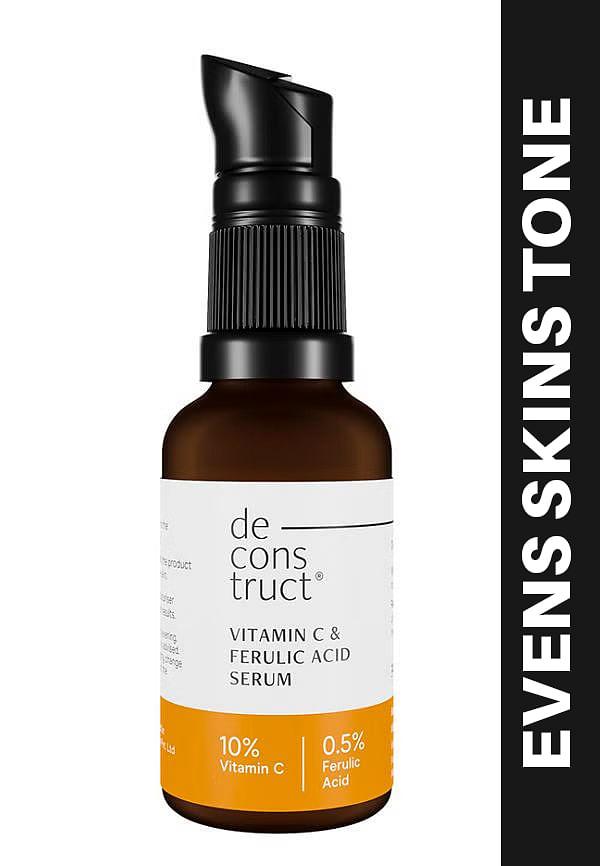 30 ml
30 mlVitamin C & Ferulic Acid Serum
Think of vitamin C as your skin's daily bodyguard. It works tirelessly to protect against environmental damage whilst brightening your complexion. The antioxidant protection it provides is unmatched—it literally fights off pollution, UV rays, and other daily aggressors that try to age your skin prematurely. But protection isn't all it does. Vitamin C stimulates collagen production, which means firmer, plumper skin over time. It's also brilliant for tackling hyperpigmentation and dark spots, gradually evening out your skin tone for that coveted lit-from-within glow.
Retinol is like the ultimate skin renovator. It speeds up cell turnover, which means dead skin cells don't hang around making your complexion look dull. Instead, fresh, healthy cells come to the surface faster, revealing smoother, more radiant skin. The anti-ageing benefits are where retinol really shines. It reduces fine lines and wrinkles by boosting collagen production deep in the skin. Plus, it's fantastic for acne-prone skin because it prevents pores from getting clogged and helps existing breakouts heal faster.
Time for the ultimate face-off. How do these skincare superstars actually stack up against each other?
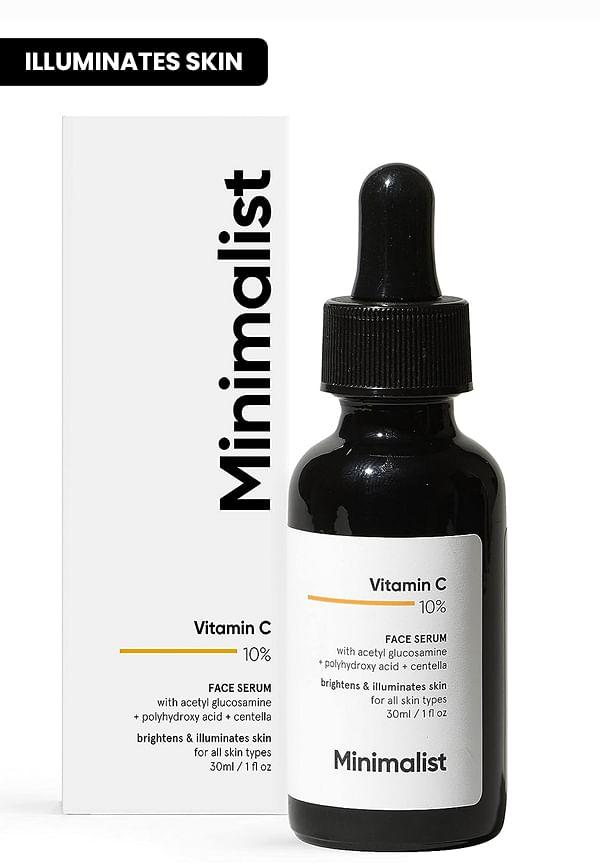 30 ml
30 ml10% Vitamin C Face Serum For Skin Brightening & Reduce Sun Damage
Both ingredients are collagen-boosting champions, but they work differently. Vitamin C provides the building blocks for collagen synthesis and protects existing collagen from breaking down. Retinol, meanwhile, signals your skin to ramp up collagen production whilst also improving skin texture and reducing visible signs of ageing. For wrinkle reduction, retinol typically takes the lead with more dramatic results over time. However, vitamin C's preventative approach means fewer wrinkles develop in the first place.
When it comes to specific skin issues, each ingredient has its strengths. Retinol is unbeatable for acne treatment and prevention—it's literally prescribed by dermatologists for this purpose. It also excels at improving overall skin texture and minimising pore appearance. Vitamin C, however, is the undisputed champion for brightening and tackling hyperpigmentation. If you're dealing with sun damage, melasma, or post-inflammatory hyperpigmentation, vitamin C should be your go-to.
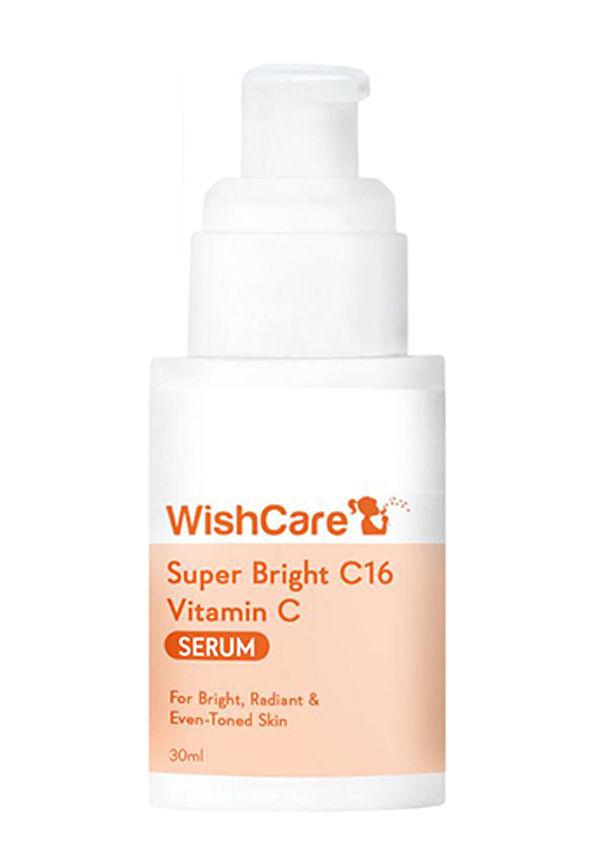 30 ml
30 mlSuper Bright C16 Vitamin C Face Serum
Here's where things get interesting. Vitamin C often provides immediate benefits—you might notice brighter, more radiant skin within days of starting a good vitamin C serum. The long-term benefits, like improved collagen and reduced pigmentation, take a few months to become obvious. Retinol requires patience. There's usually an adjustment period (hello, retinol uglies), but the progressive improvement over 6-12 weeks is often more dramatic than what you'll see with vitamin C alone.
The million-pound question: can you actually use vitamin C and retinol together? The short answer is absolutely yes, and you probably should.
For years, people worried that using retinol and vitamin C together would cause irritation or make the ingredients less effective. Modern research has debunked most of these concerns. The pH compatibility issues that once worried skincare enthusiasts have been largely solved by improved formulations. When used correctly, a vitamin c retinol combination can provide synergistic benefits. Vitamin C protects during the day whilst retinol repairs at night—it's like having a 24-hour skincare security system.
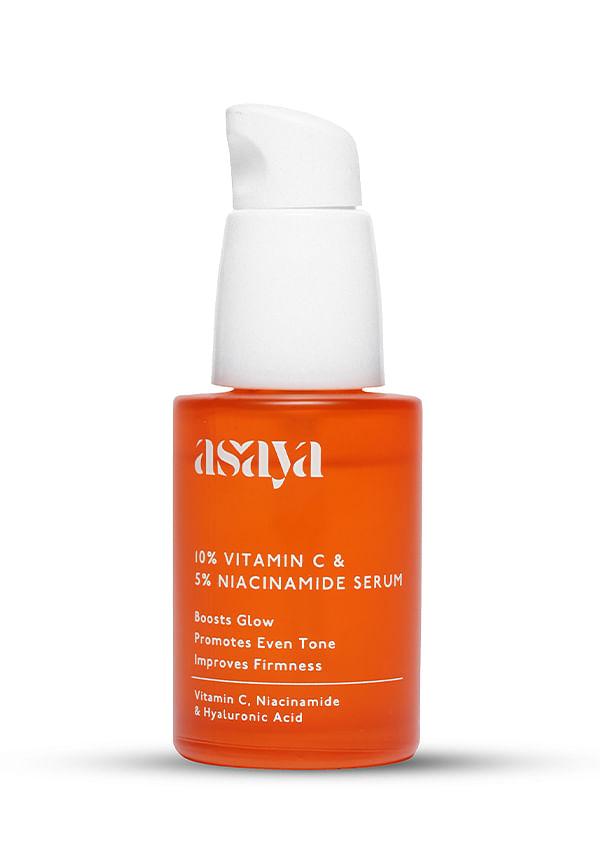 30 ml
30 ml10% Vitamin C & 5% Niacinamide Face Serum
The key to successfully using retinol vitamin c together is all about timing and technique. The classic approach is vitamin C in the morning and retinol at night. This maximises the protective benefits of vitamin C during sun exposure whilst allowing retinol to work its magic during your skin's natural repair cycle. For sensitive skin, try alternating days—vitamin C one day, retinol the next. This gives your skin time to adjust whilst still getting the benefits of both ingredients.
When shopping for a vitamin c serum retinol routine, look for stable vitamin C formulations and gentle retinol products. Start with lower concentrations—around 10-15% vitamin C and 0.25-0.5% retinol—and gradually increase as your skin builds tolerance. Some brands now offer retinol serum vitamin c products designed to work together, taking the guesswork out of compatibility.
 30 ml
30 ml0.1% Retinol Serum
Still wondering which ingredient deserves the top spot in your routine? The answer depends on your skin type, concerns, and goals.
Sensitive skin types often tolerate vitamin C better initially, especially gentler derivatives like magnesium ascorbyl phosphate. Retinol can be introduced slowly with buffering techniques. Oily and acne-prone skin typically loves retinol for its pore-clearing and texture-improving benefits. Vitamin C is still beneficial for protection and post-acne mark fading. Dry and mature skin can benefit enormously from both ingredients—vitamin C for protection and brightness, retinol for anti-ageing and texture improvement.
In your twenties, vitamin C might be the perfect starting point for prevention-focused skincare. It's gentle, protective, and helps establish good habits. Thirties are ideal for introducing both ingredients—vitamin C for continued protection and retinol for early intervention against ageing signs. Forties and beyond often benefit from more intensive protocols using both ingredients at higher concentrations for maximum anti-ageing impact.
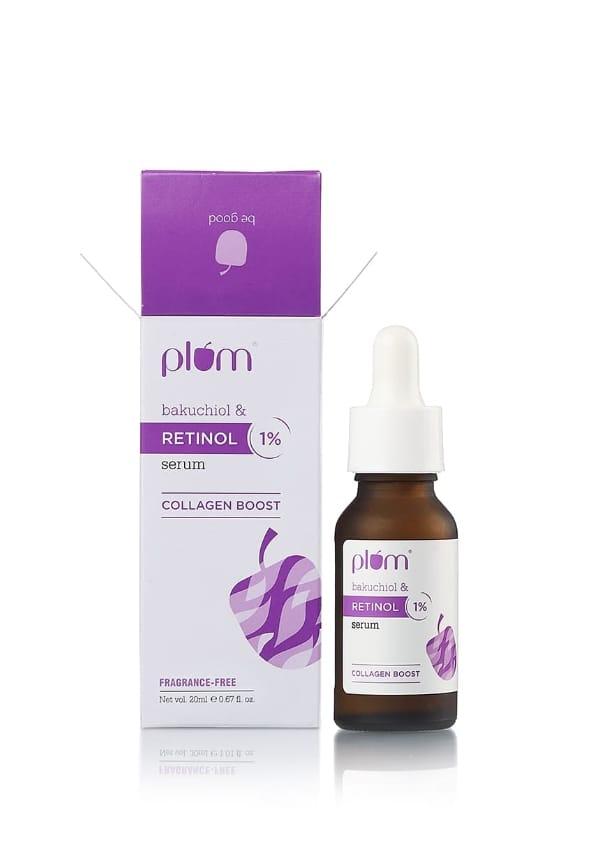 20 ml
20 ml1% Retinol Face Serum with Bakuchiol
Consider your sun exposure levels, routine complexity preferences, and budget. Vitamin C is essential if you spend lots of time outdoors, whilst retinol requires commitment to sun protection. This is where platforms like Smytten become invaluable. With over 1,500 trusted brands including skincare favourites like Cetaphil and Dot & Key, you can try mini versions of both vitamin C and retinol products before committing to full sizes. Getting up to 8 minis for just ₹249 with 100% cashback makes it easy to experiment and find your perfect combination without the financial risk.
Even the best ingredients can backfire if used incorrectly. Let's talk about the most common pitfalls and how to avoid them.
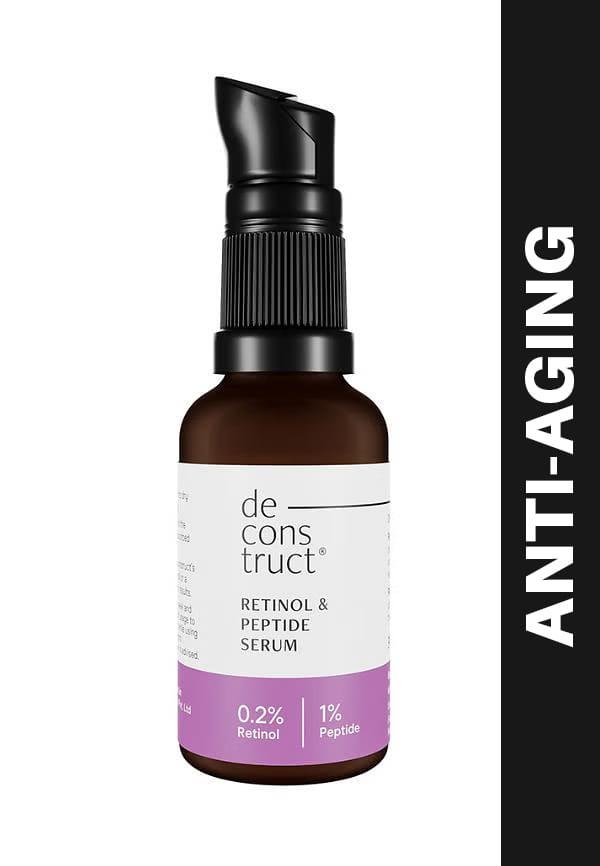 30 ml
30 mlRetinol Face Serum with Peptide
Vitamin C is notorious for oxidising—turning brown and losing effectiveness. Store your vitamin C serum in a cool, dark place and replace it if it changes colour. Don't assume higher concentrations are always better; sometimes they just cause irritation without added benefits. Timing matters too. Apply vitamin C to clean skin before heavier products, and always follow with SPF during the day.
Retinol burn is real, and it's not pretty. Start slowly—maybe twice a week initially—and gradually increase frequency. Never skip SPF when using retinol; it makes your skin more photosensitive. The biggest mistake? Giving up during the adjustment period. Those first few weeks can be rough, but pushing through (gently) usually leads to amazing results.
When using both ingredients, watch for signs of over-exfoliation: excessive redness, peeling, or increased sensitivity. If this happens, scale back and rebuild your tolerance slowly. Avoid mixing retinol with other active ingredients like AHAs or BHAs in the same routine—your skin needs time to process these powerful ingredients.
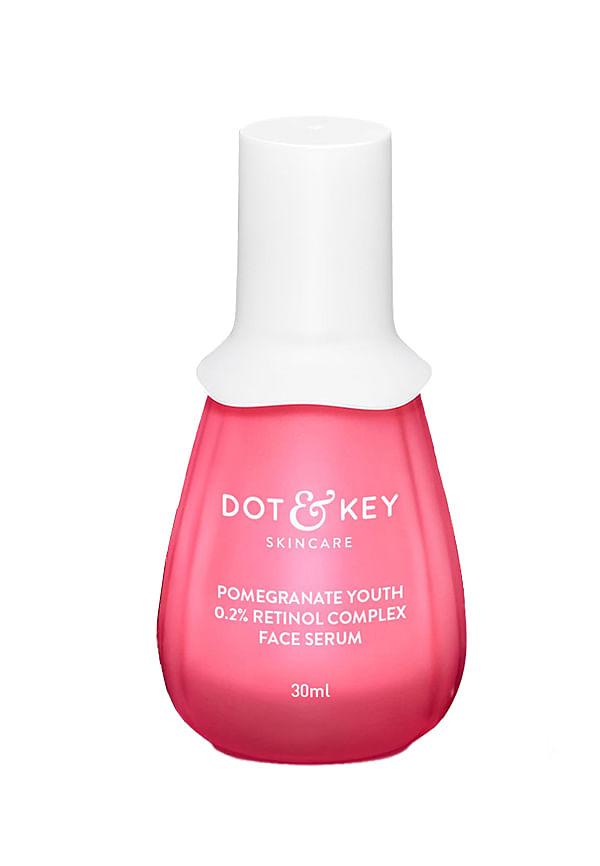 30ml
30mlPomegranate Youth 0.2% Retinol Complex Face Serum
So, who wins the vitamin C vs retinol showdown? Plot twist—they're both winners, just in different categories. Vitamin C is your daytime defender, protecting against environmental damage whilst brightening and evening your skin tone. Retinol is your nighttime renovator, actively repairing damage and preventing future signs of ageing. The real magic happens when you use them together strategically. A well-planned routine incorporating both ingredients can address multiple skin concerns simultaneously, giving you the comprehensive care your skin deserves. With Smytten's extensive range of skincare products from trusted brands, you can explore different vitamin C and retinol formulations risk-free. The platform's trial-focused approach means you can test products from brands like Renee and Bella Vita before investing in full sizes. With over 25 million users and 100 million trial minis delivered, Smytten makes it easier than ever to build your perfect skincare routine. After all, why settle for maybe when you can try it all and find what actually works for your unique skin?
Yes, you can safely use vitamin C and retinol together. The best approach is applying vitamin C in the morning for protection and retinol at night for repair. If you have sensitive skin, try alternating days until your skin builds tolerance.
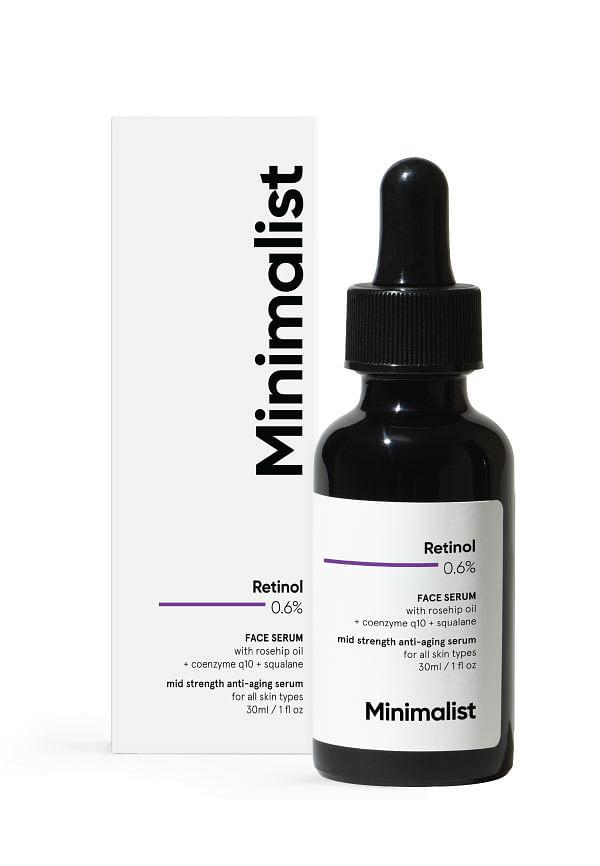 30 ml
30 mlRetinol 0.6% Mid-Strength Anti Aging Face Serum
Both are excellent for anti-ageing but work differently. Vitamin C prevents future damage and brightens skin, whilst retinol actively repairs existing damage and stimulates cell renewal. For best results, use both in a comprehensive routine.
Start with vitamin C as it's generally gentler and provides immediate protective benefits. Once your skin adjusts to a consistent routine, gradually introduce retinol. This approach minimises irritation whilst building good skincare habits.
Incorrect use may cause irritation, redness, peeling, or increased sensitivity. Always start with lower concentrations, maintain proper timing between applications, and listen to your skin. If irritation occurs, reduce frequency or concentration.
Vitamin C often shows immediate brightening effects within days, with long-term benefits like improved pigmentation visible in 4-8 weeks. Retinol typically requires 6-12 weeks for noticeable anti-ageing results, though some people see improvements sooner.
