Vitamin C vs Kojic Acid: Which is Best for Skin Brightening?

 30 ml
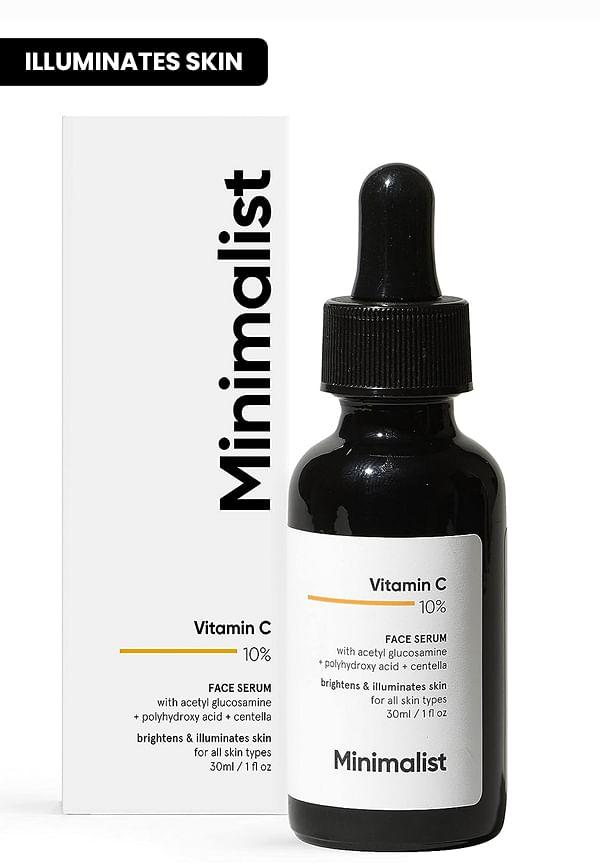
30 ml10% Vitamin C Face Serum For Skin Brightening & Reduce Sun Damage
Ever stared at your reflection wondering why some dark spots just won't budge? You're not alone. The world of skin brightening can feel overwhelming, especially when you're trying to choose between two powerhouse ingredients: vitamin C and kojic acid. Both promise to tackle hyperpigmentation treatment and give you that glow-up you've been after, but which one actually delivers? Let's break down the vitamin C vs kojic acid debate so you can make the smartest choice for your skin.
Before we dive into the vitamin C vs kojic acid showdown, let's get real about what's actually happening when your skin decides to throw a pigmentation party. Skin discoloration happens when your melanocytes (the cells that produce melanin) go into overdrive. Think of melanin as your skin's natural sunscreen—it's trying to protect you, but sometimes it gets a bit too enthusiastic.
Several culprits can trigger this melanin madness. Sun exposure is the obvious one, but hormonal changes, acne scars, and even certain medications can leave you with uneven skin tone. The tricky part? Different types of dark spots need different approaches, which is where targeted ingredients like vitamin C and kojic acid come into play.
Here's what makes hyperpigmentation treatment so important: your skin naturally sheds cells every 28 days, but stubborn dark spots can stick around for months or even years without the right intervention. That's where science-backed ingredients become your best friends, working to interrupt the melanin production process and help your skin reset to its natural, even tone.
Let's talk about vitamin C—the skincare ingredient that's basically the overachiever of the beauty world. When it comes to vitamin c benefits for skin, this antioxidant doesn't just show up; it shows off. It's like having that friend who's good at everything and somehow makes it look effortless.
Vitamin C tackles skin brightening through multiple mechanisms, making it one of the best ingredients for glowing skin. It inhibits tyrosinase, the enzyme responsible for melanin production, essentially telling your skin to chill out with the pigment party. But that's not all—it also boosts collagen synthesis, giving you that plump, youthful bounce while fighting free radicals that can cause further damage.
Not all vitamin C is created equal, and this is where things get interesting. L-Ascorbic Acid is the gold standard—it's the most potent form, but also the most unstable. Think of it as the high-maintenance friend who delivers amazing results but needs special care. Then you have derivatives like Magnesium Ascorbyl Phosphate and Sodium Ascorbyl Phosphate, which are more stable but gentler. When choosing a vitamin c serum, consider your skin's tolerance and the formulation's stability.
Here's where vitamin C really flexes. Beyond tackling dark spots, it's working overtime to protect your skin from environmental damage, boost radiance, and even help with fine lines. It's essentially a multi-tasker that your skin will thank you for, making it a worthy investment for long-term skin health.
Now let's chat about kojic acid—the ingredient that's quietly been doing the heavy lifting for stubborn dark spots. While vitamin C is the popular kid everyone knows about, kojic acid is more like the specialist who gets called in when things get serious. The kojic acid benefits are particularly impressive when you're dealing with specific pigmentation issues that just won't quit.
Kojic acid takes a direct approach to hyperpigmentation treatment. It inhibits tyrosinase more effectively than many other ingredients, essentially putting the brakes on melanin production. What makes it special is its ability to penetrate the skin and target existing pigmentation while preventing new dark spots from forming. It's like having a bouncer for your melanocytes—keeping the troublemakers in check.
 20 ml
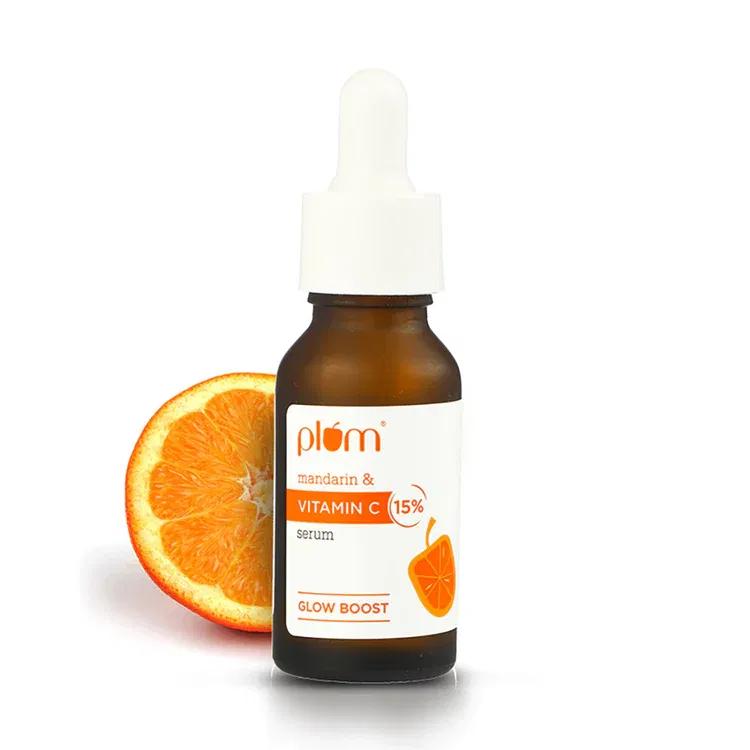
20 ml15% Vitamin C Face Serum with Mandarin
When it comes to kojic acid serum formulations, concentration matters. Most effective products contain 1-4% kojic acid, which is enough to see results without causing irritation for most people. Unlike vitamin C, kojic acid is naturally more stable, so you don't have to worry about your serum turning orange or losing potency as quickly.
Here's what sets kojic acid apart as one of the top dark spot correctors: it's derived from fungi used in sake production, making it a natural option that's been used for centuries. It's particularly effective for melasma, post-acne marks, and age spots—basically, the stubborn pigmentation that makes you want to hide behind concealer.
Time for the main event: vitamin c vs kojic acid. Both ingredients are brilliant, but they each have their own superpowers. Think of this as choosing between a Swiss Army knife and a precision scalpel—both are useful, but for different jobs.
Vitamin C is your go-to for overall dullness, prevention, and that Instagram-worthy glow. It's like a daily multivitamin for your face—great for maintenance and general skin health. Kojic acid, on the other hand, is the specialist you call when you have specific dark spots that need targeted treatment. It's more focused but potentially more dramatic in its results for pigmentation issues.
Here's where things get personal. Vitamin C, especially L-Ascorbic Acid, can be irritating for sensitive skin, particularly at higher concentrations. Kojic acid is generally gentler, though some people might experience mild irritation initially. If you have reactive skin, starting with lower concentrations of either ingredient is your best bet.
This is where kojic acid takes the crown. While vitamin C serums can oxidise and lose potency (hello, brown bottles and refrigerator storage), kojic acid formulations tend to be more stable. This means your kojic acid serum is likely to maintain its effectiveness longer than some vitamin C products.
Plot twist: you might not have to choose sides in the vitamin c vs kojic acid debate. Using both ingredients can actually be a game-changer for comprehensive skin brightening, but timing is everything. Think of it as creating a skincare tag team where each ingredient plays to its strengths.
The golden rule for combining these powerhouses is separation by time. Use your vitamin c serum in the morning to protect against environmental damage and boost radiance. Then, apply your kojic acid serum in the evening to target specific dark spots while you sleep. This approach maximises the benefits of both without overwhelming your skin.
 30 ml
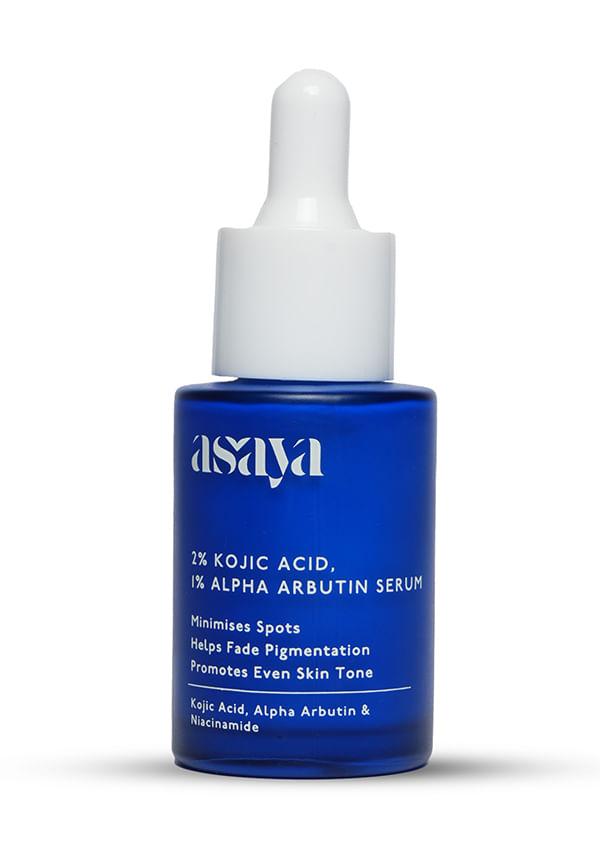
30 ml2% Kojic Acid & 1% Alpha Arbutin Face Serum
When used correctly, vitamin C and kojic acid can complement each other beautifully. Vitamin C provides broad-spectrum antioxidant protection and overall brightening, while kojic acid zeroes in on stubborn pigmentation. Together, they create a comprehensive approach to tackling uneven skin tone from multiple angles.
Before you start mixing and matching, remember that more isn't always better. Start slowly, introduce one ingredient at a time, and always patch test. Watch for signs of irritation like redness, stinging, or increased sensitivity. If your skin starts protesting, dial back the frequency or concentration.
Choosing between vitamin C and kojic acid isn't just about reading reviews—it's about understanding what your skin actually needs. Let's break down the decision-making process so you can pick your perfect match without the guesswork.
If you're dealing with stubborn dark spots, melasma, or post-acne marks that seem immune to your current routine, kojic acid might be your new best friend. Its targeted approach to hyperpigmentation treatment makes it particularly effective for localised pigmentation issues. Apply it directly to problem areas for maximum impact.
Looking for that lit-from-within glow and some anti-aging benefits on the side? Vitamin C is your winner. Its multitasking abilities make it one of the best ingredients for glowing skin, especially if you're more concerned with prevention and overall skin health than targeting specific spots.
If your skin throws tantrums at the slightest provocation, start with gentler derivatives. Magnesium Ascorbyl Phosphate for vitamin C or lower concentrations of kojic acid can give you results without the drama. Remember, slow and steady wins the skincare race.
Now that you've picked your team, let's talk strategy. Proper application can make the difference between amazing results and a skincare disaster. Think of this as your instruction manual for getting the most out of your chosen ingredients.
For vitamin C, apply your serum to clean, dry skin in the morning, followed by moisturiser and SPF. Start with 2-3 times a week and gradually increase frequency as your skin adjusts. With kojic acid, evening application works best—apply to targeted areas or all over, depending on your needs, and always follow with a good moisturiser.
Here's the non-negotiable rule: SPF 30+ every single day, regardless of which ingredient you choose. Both vitamin C and kojic acid can increase photosensitivity, making sun protection absolutely crucial. Think of sunscreen as the bodyguard for your brightening efforts.
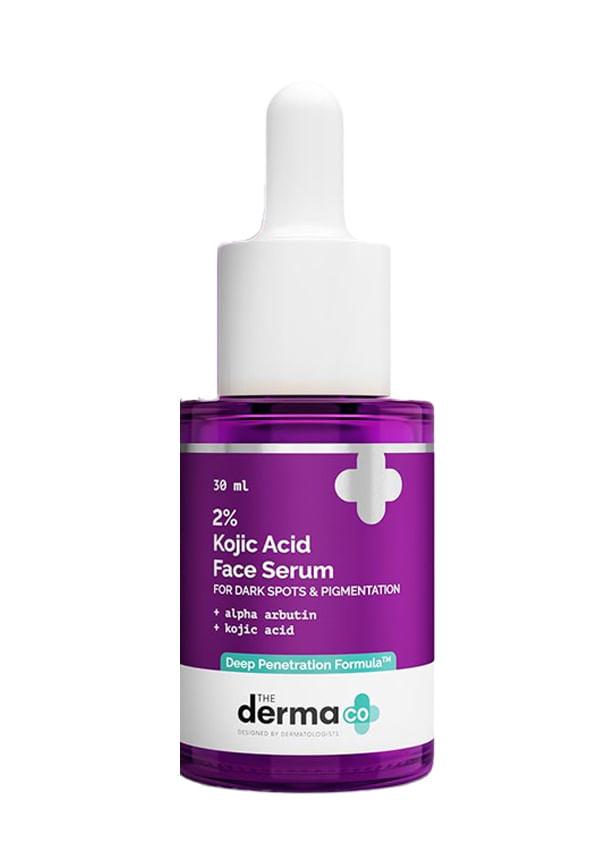 30 ml
30 ml2% Kojic Acid Face Serum with 1% Alpha Arbutin & Niacinamide
Consistency is your secret weapon. Results from both ingredients take time—typically 4-12 weeks for noticeable improvement in skin discoloration. Don't expect overnight miracles, but do expect gradual, sustainable improvement when you stick to your routine.
This is where platforms like Smytten become invaluable for your skincare journey. With access to trial packs from trusted brands, you can explore different vitamin C and kojic acid formulations without committing to full-size products. Whether you're testing a new vitamin c serum or trying your first kojic acid serum, Smytten's trial approach lets you discover what works for your skin before making larger investments.
Yes, but timing matters. Use vitamin C in the morning and kojic acid in the evening to avoid potential irritation and maximise the benefits of both ingredients.
Kojic acid tends to be more effective for melasma due to its targeted approach to inhibiting melanin production. However, combining it with vitamin C can provide comprehensive treatment.
Both ingredients typically show results within 4-8 weeks of consistent use. Vitamin C may show initial radiance improvements sooner, while kojic acid's pigmentation effects take a bit longer to become visible.
Yes, but introduce them gradually and on alternate nights to avoid over-exfoliation. Start with one active ingredient and slowly add others as your skin builds tolerance.
Common side effects include mild irritation, redness, or increased sensitivity. If you experience severe burning, persistent redness, or allergic reactions, discontinue use and consult a dermatologist.
Kojic acid is generally gentler than vitamin C, especially L-Ascorbic Acid. However, individual tolerance varies, so patch testing is essential regardless of which ingredient you choose.
The vitamin c vs kojic acid debate doesn't have to end with picking sides. Both ingredients bring unique strengths to your skincare routine, and understanding their differences helps you make smarter choices for your specific needs. Whether you're after overall radiance or targeting stubborn dark spots, the key is finding what works for your skin and sticking with it.
Remember, skincare is deeply personal, and what works for your friend might not work for you. That's where trial and discovery become crucial. Smytten's approach to skincare exploration—offering trial packs from over 1,500 trusted brands—means you can test different formulations and find your perfect match without the financial commitment. With options to try up to 8 minis for just ₹249 and 100% cashback on trial purchases, discovering your ideal skin brightening routine becomes both affordable and exciting.
The journey to addressing hyperpigmentation treatment and achieving that coveted glow doesn't have to be overwhelming. Whether you choose vitamin C, kojic acid, or decide to use both, consistency and patience are your best allies. After all, why settle for maybe when you can try it all and find what truly works for your unique skin?
