Vitamin C Serums for Oily, Acne-Prone Skin: FAQ


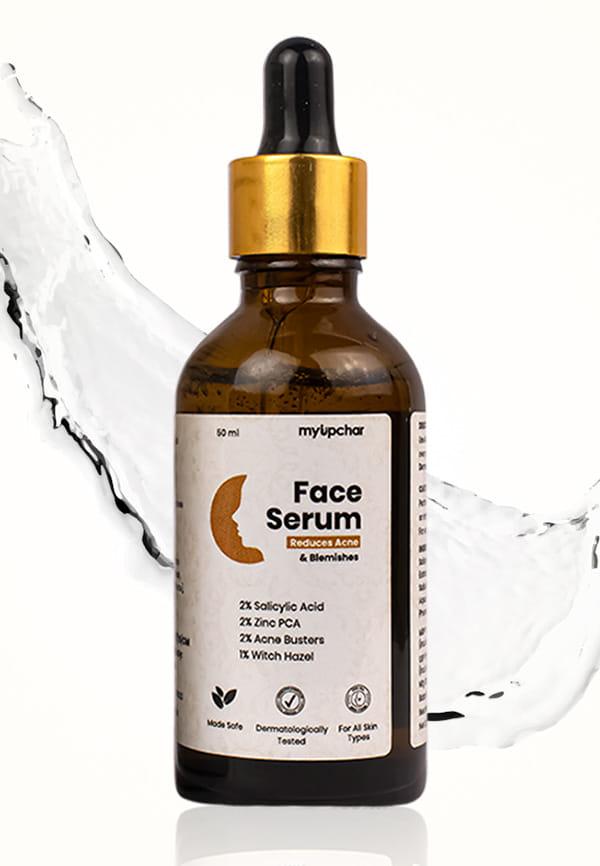
2% Salicylic Acid + Zinc PCA Anti Acne Face Serum | To Reduces Blemishes, Dark spots & Bumpy Texture
You've probably scrolled past countless vitamin C serum recommendations, thinking they're only for dry or ageing skin. But here's the thing — if you're dealing with oily, acne-prone skin, vitamin C might just be the game-changer you've been looking for. Many people assume that adding another serum to already congested skin will make things worse, but the science tells a different story. Vitamin C serums can actually help regulate oil production, reduce inflammation, and tackle those stubborn post-acne marks that seem to linger forever. The key is understanding how vitamin C serums work for oily and acne-prone skin, and more importantly, how to use them properly without triggering more breakouts.
The short answer is yes, absolutely. But let's dig deeper into why this works and how to do it safely.
Vitamin C is a powerful antioxidant that works on multiple levels to benefit oily skin. When your skin produces excess oil, it's often dealing with oxidative stress from environmental factors like pollution and UV exposure. This stress can actually trigger more oil production as your skin tries to protect itself. Topical vitamin C neutralises these free radicals, helping to break this cycle.
What's particularly interesting is that vitamin C can help regulate sebum production without completely stripping your skin. Unlike harsh treatments that leave your skin feeling tight, vitamin C works gently to balance oil levels whilst providing essential nutrients for skin repair.
One of the biggest concerns about using vitamin C on acne-prone skin is whether it will cause more breakouts. Research shows that vitamin C has anti-inflammatory properties that can actually help calm existing breakouts and prevent new ones from forming. The key is choosing the right concentration and form.
For beginners, starting with a 10-15% concentration is ideal. L-ascorbic acid is the most potent form, but if you have sensitive skin, magnesium ascorbyl phosphate or sodium ascorbyl phosphate are gentler alternatives that still deliver results.
Understanding the specific vitamin C serum benefits for oily skin helps you set realistic expectations and track your progress effectively.
Vitamin C doesn't just sit on your skin's surface — it penetrates deep into pores where oil and debris accumulate. By promoting healthy cell turnover, it helps prevent the buildup that leads to clogged pores and blackheads. Many users notice their pores appearing smaller within 4-6 weeks of consistent use.
The antioxidant action also helps protect your pores from environmental damage that can make them appear larger and more noticeable. This is particularly helpful if you live in a polluted city or spend time in air-conditioned environments that can stress your skin.
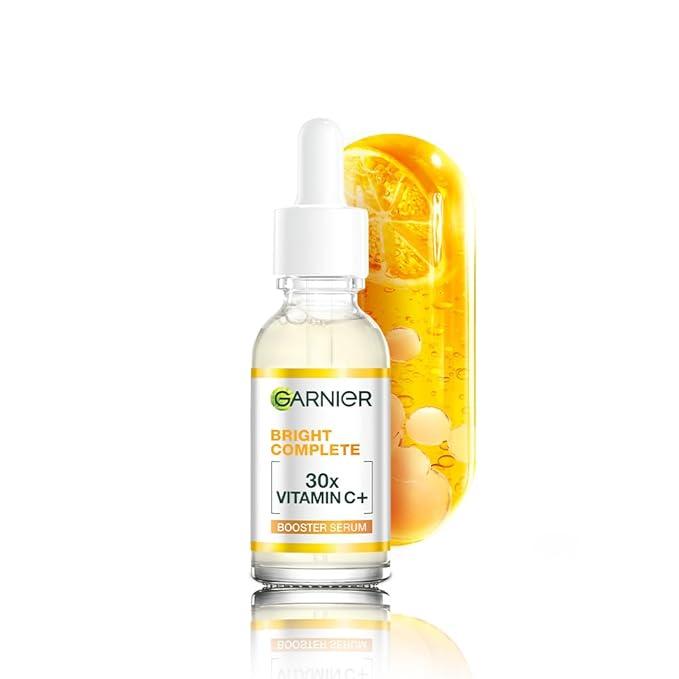
Here's where vitamin C really shines for acne-prone skin care. Its anti-inflammatory properties help reduce the redness and swelling associated with active breakouts. Unlike some acne treatments that can be quite harsh, vitamin C provides these benefits whilst supporting your skin's natural healing process.
The Garnier Vitamin C Face Serum for Skin Brightening & Anti-Dark Spots is particularly effective for this purpose, combining vitamin C with other skin-brightening ingredients to tackle both active breakouts and the marks they leave behind. This type of formulation works well for oily skin because it addresses multiple concerns without overwhelming your routine.
Skin texture improvement is one of the most noticeable benefits of using vitamin C on oily skin. The ingredient promotes collagen synthesis, which helps smooth out rough patches and uneven areas. For those dealing with post-acne scarring, this collagen boost is particularly valuable.
The brightening effects aren't just cosmetic — vitamin C actually inhibits melanin production, helping to fade dark spots and prevent new ones from forming. This is crucial for oily skin types who often deal with post-inflammatory hyperpigmentation after breakouts.
If you're wondering about vitamin C for acne scarring specifically, the results can be quite impressive with consistent use.
Those dark marks that linger long after a spot has healed are called post-inflammatory hyperpigmentation. Vitamin C tackles these by interfering with the enzyme tyrosinase, which is responsible for melanin production. This means fewer dark spots forming and existing ones fading more quickly.
Most people start seeing improvements in PIH within 6-8 weeks of regular use. The key is consistency — skipping days will slow down your progress significantly.
For deeper acne scars, vitamin C's role in collagen production becomes crucial. Collagen is what gives your skin its structure and bounce. When you have indented scars, it's often because collagen has been damaged or lost in that area.
Vitamin C stimulates fibroblasts — the cells responsible for producing new collagen. Over time, this can help fill in shallow scars and improve overall skin texture. Don't expect overnight miracles, but with 3-6 months of consistent use, many people see noticeable improvements.
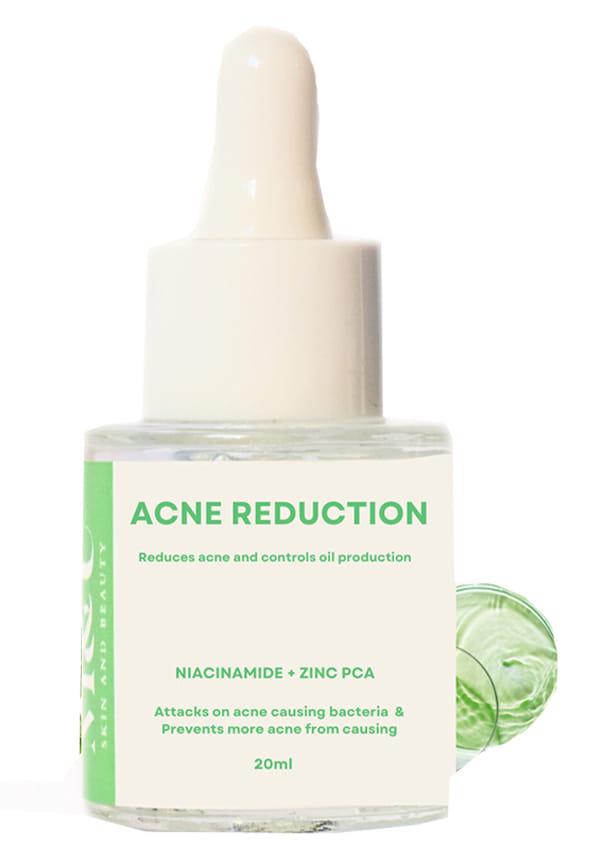
Acne Reduction Serum for Oily and Acne Prone Skin
Knowing how to use vitamin C serum properly makes all the difference between seeing results and experiencing irritation.
Start with clean, dry skin. Apply your vitamin C serum after cleansing but before heavier products like moisturiser or SPF. Use 2-3 drops for your entire face — more isn't better and can actually cause irritation.
Morning application is generally preferred because vitamin C provides antioxidant protection throughout the day. However, if you're using other active ingredients like retinoids at night, you might prefer to use vitamin C in the evening to avoid any potential interactions.
Always follow with SPF during the day. Vitamin C can make your skin slightly more photosensitive, and you want to protect the improvements you're making.
For oily skin, look for lightweight, water-based formulations rather than oil-heavy serums. The best serum for oily skin will absorb quickly without leaving a sticky residue.
Concentration matters too. Start with 10-15% if you're new to vitamin C, then gradually work up to 20% if your skin tolerates it well. Higher concentrations aren't necessarily better — they just increase the risk of irritation.
Vitamin C plays well with niacinamide, which is excellent for oil control and pore minimisation. You can use them in the same routine — just apply the vitamin C first, wait a few minutes, then follow with niacinamide.
Avoid mixing vitamin C with retinoids or AHAs/BHAs in the same application. These combinations can be too harsh and may reduce the effectiveness of both ingredients.
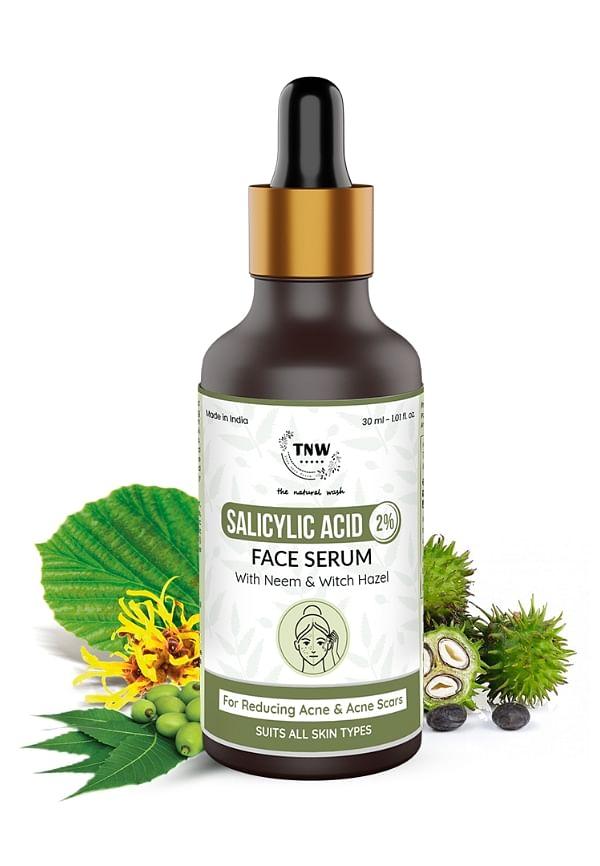
Salicylic Acid Serum For Reducing Acne & Acne Scars
No, when used properly, vitamin C should help balance your skin rather than make it oilier. If you experience increased oiliness, you might be using too much product or a formulation that's too heavy for your skin type. Stick to lightweight, water-based serums and use only 2-3 drops per application.
Yes, but not at the same time. Use vitamin C in the morning and salicylic acid in the evening, or alternate days if your skin is sensitive. Both ingredients can be beneficial for oily, acne-prone skin, but using them together can cause irritation.
For general skin brightening and texture improvements, most people notice changes within 4-6 weeks. For reducing acne scars and deeper pigmentation issues, it typically takes 8-12 weeks of consistent use. Remember, skincare is a marathon, not a sprint.
Start with every other day for the first week to let your skin adjust, then gradually increase to daily use if your skin tolerates it well. Some people with very sensitive skin prefer to use it 3-4 times per week, and that's perfectly fine too.
L-ascorbic acid is the most potent and well-researched form of vitamin C, but it can be irritating for sensitive skin. Magnesium ascorbyl phosphate and sodium ascorbyl phosphate are gentler alternatives that convert to vitamin C once absorbed by your skin. They're less potent but also less likely to cause irritation.
While vitamin C won't address the hormonal root cause of acne, it can help manage the inflammation and scarring that often accompanies hormonal breakouts. Its anti-inflammatory properties can reduce redness and help spots heal more quickly, whilst the brightening effects tackle any dark marks left behind.
Understanding how vitamin C serums work for oily and acne-prone skin opens up new possibilities for managing your skin concerns effectively. The key is choosing the right formulation, starting slowly, and being consistent with your application. Remember that vitamin C is a long-term investment in your skin's health — the benefits compound over time.
Your skin will notice the difference when you find the right vitamin C serum for your needs. Whether you're dealing with active breakouts, post-acne marks, or just want to improve your overall skin texture, vitamin C can be a valuable addition to your routine. If you're curious about trying different vitamin C formulations but not ready to commit to full-size products, Smytten offers trial sizes from various brands, letting you discover what works best for your skin before making a larger investment.
