Vitamin C Serum Storage FAQ: Keep Yours Fresh & Potent


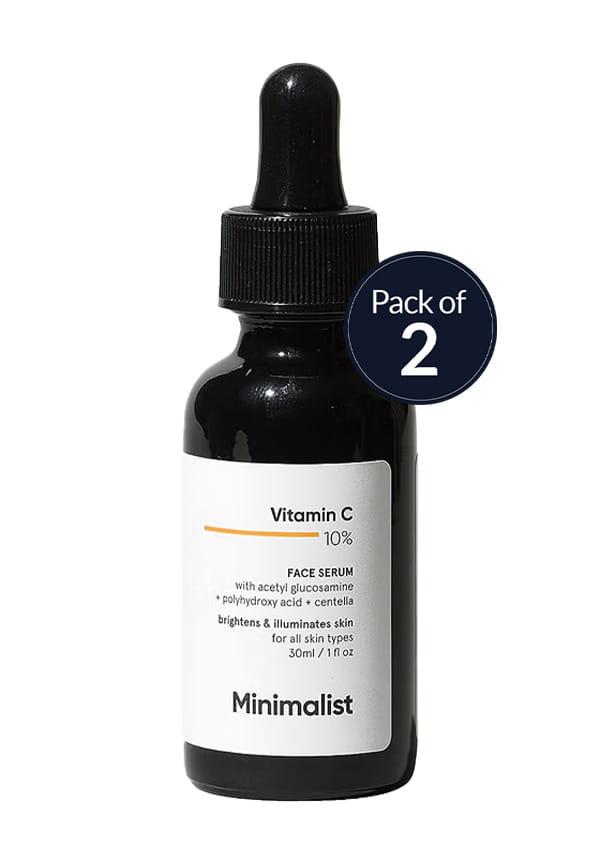
10% Vitamin C Face Serum For Skin Brightening & Reduce Sun Damage
You've finally found the perfect vitamin C serum that gives your skin that coveted glow, but then you notice it's turned an unsettling brown colour overnight. Sound familiar? The truth is, even the most potent vitamin C formulations can lose their effectiveness faster than you'd expect if not stored properly. Whether you're dealing with unpredictable weather, limited storage space, or simply want to maximise your skincare investment, understanding how to store vitamin C serum correctly can make the difference between radiant skin and wasted money.
When it comes to vitamin C serum storage, the stakes are higher than you might think. This powerhouse ingredient is notoriously unstable, and improper storage doesn't just affect the product—it directly impacts what your skin receives. Fresh vitamin C serum should appear clear to light yellow, with a smooth consistency and minimal scent.
The moment vitamin C serum oxidation begins, you'll notice telltale signs: the serum darkens to orange or brown, develops a metallic smell, or becomes grainy in texture. These changes signal that the active vitamin C has broken down into less effective compounds. What's particularly frustrating is that oxidised vitamin C can sometimes irritate sensitive skin whilst delivering minimal brightening benefits.
From a practical standpoint, replacing serums every few months because of poor storage habits adds up quickly. Quality vitamin C serums typically range from ₹800 to ₹3,000, making proper storage a smart financial decision. More importantly, consistent use of fresh, potent vitamin C is what delivers those skin benefits you're after—improved texture, reduced dark spots, and that healthy glow that makes the investment worthwhile.
Understanding vitamin C serum shelf life starts with knowing which type you're using. L-ascorbic acid, the most potent form, is also the most unstable. It breaks down rapidly when exposed to light, heat, air, or alkaline conditions. This is why many dermatologists recommend it despite its fussy nature—when fresh, it delivers unmatched results.
Stable derivatives like magnesium ascorbyl phosphate and sodium ascorbyl phosphate are more forgiving. These forms convert to vitamin C once absorbed by your skin, offering a gentler approach with longer shelf life. However, even these stable versions benefit from proper storage to maintain their effectiveness.
Several factors accelerate vitamin C breakdown. UV light is perhaps the biggest culprit, which is why most quality serums come in dark glass bottles. Heat speeds up chemical reactions, causing the vitamin C to degrade faster. Air exposure introduces oxygen, triggering oxidation. Even the pH level matters—vitamin C is most stable in acidic conditions, typically around pH 3.5.
Packaging plays a crucial role in how to keep vitamin C serum fresh. Airless pumps, dark glass bottles, and opaque containers all help extend shelf life. Some brands include stabilising ingredients like vitamin E or ferulic acid, which can significantly improve the serum's longevity when stored correctly.
The best way to store vitamin C serum depends on your specific formulation, but cool and dark conditions are universally beneficial. For L-ascorbic acid serums, refrigeration is your best bet. Store them in the main body of your fridge, not the door where temperatures fluctuate. The ideal range is 2-8°C, which significantly slows down degradation.
Place your vitamin C serum in a small box or drawer within your fridge to protect it from light every time you open the door. Allow the serum to come to room temperature for a few minutes before application—cold serum can feel shocking on your skin and may not spread as easily.
If refrigeration isn't possible, choose the coolest, darkest spot in your home. A bedroom drawer or wardrobe shelf works well, provided the area doesn't get direct sunlight or heat from radiators. Avoid storing vitamin C serum in your bathroom—the humidity from showers creates an environment that accelerates breakdown.
When travelling, pack your vitamin C serum in your carry-on luggage where temperatures are more controlled. Use an insulated pouch if you're heading somewhere particularly hot, and consider decanting into smaller, dark containers to minimise air exposure.
The question "does vitamin C serum need refrigeration" doesn't have a one-size-fits-all answer. L-ascorbic acid formulations absolutely benefit from cold storage, often extending their usable life from 3-6 months to 8-12 months. The cold temperature slows down the oxidation process significantly.
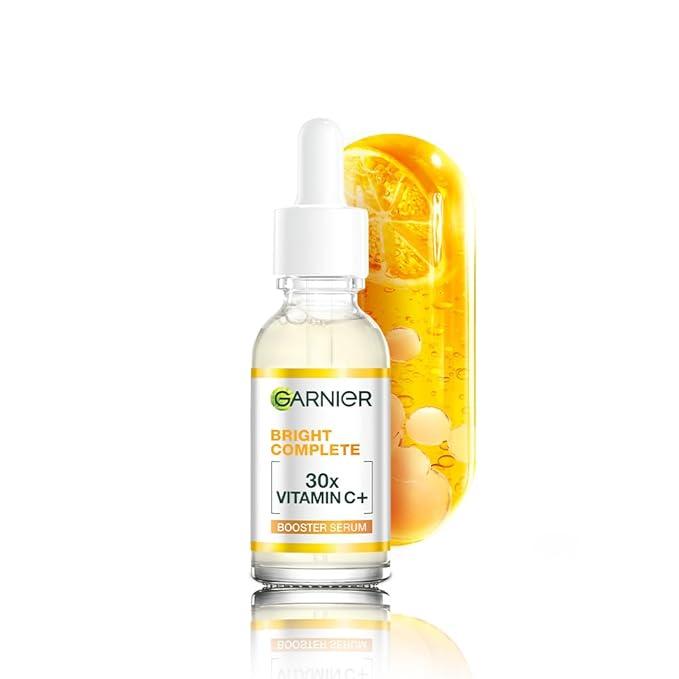
However, stable vitamin C derivatives like those found in many gentle formulations can maintain their potency at room temperature when stored correctly. The Garnier Vitamin C Face Serum for Skin Brightening & Anti-Dark Spots contains stable vitamin C that works well with proper room temperature storage, making it an excellent choice for those who prefer not to refrigerate their skincare products.
If you do choose refrigeration, dedicate a specific area of your fridge to skincare. The vegetable crisper drawer often maintains the most consistent temperature. Never store vitamin C serum in the freezer—extreme cold can alter the formulation's consistency and potentially damage the active ingredients.
For those without fridge space, focus on the darkest, coolest area of your home. A bedroom drawer away from windows often provides better conditions than a bathroom cabinet near a shower.
Effective skincare storage tips go beyond just temperature control. Always ensure the cap is tightly closed after each use—even brief air exposure starts the oxidation clock. If your serum comes with a dropper, avoid letting it touch your skin or other surfaces, as this can introduce bacteria.
Consider the order in which you use products from the same bottle. Use your vitamin C serum consistently rather than sporadically—products that sit unused for weeks are more likely to degrade. If you notice you're not using a serum regularly, consider switching to a smaller size or sharing with a trusted friend or family member.
Keep a simple log of when you opened each product. A small sticker with the opening date helps you track freshness. Most vitamin C serums should be used within 6-12 months of opening, depending on the formulation and storage conditions.
When it comes to how to store skincare products generally, vitamin C sets the standard for careful handling. The habits you develop for vitamin C storage—cool, dark, tightly sealed—benefit your entire skincare collection.
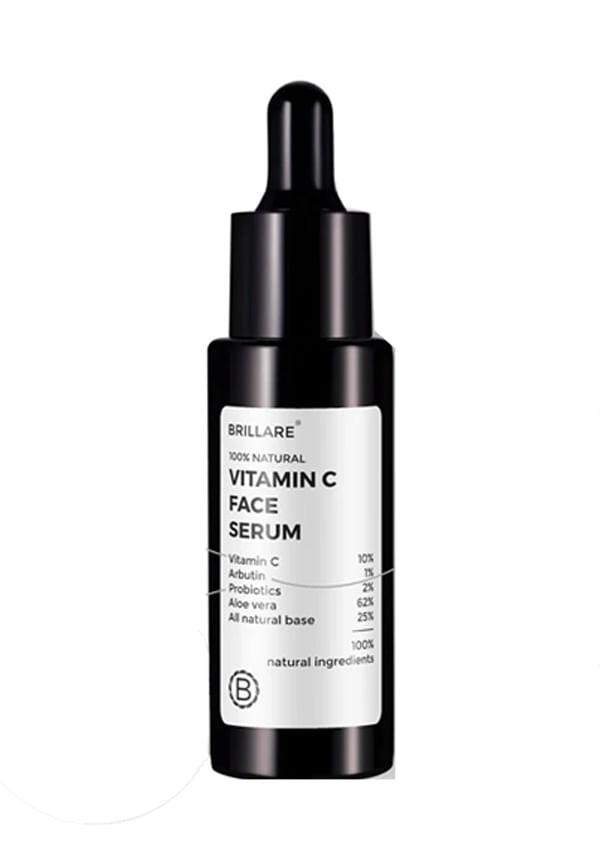
10% Vitamin C Face Serum For Bright, Glowing Skin
Even with careful storage, you might encounter issues. If your serum has changed colour slightly but still smells normal and feels smooth, it may still be usable, though less potent. However, if it's turned dark brown, smells metallic, or feels gritty, it's time to replace it.
Living in a hot climate doesn't mean you can't use vitamin C serum effectively. Focus on stable derivatives, invest in a small skincare fridge, or store products in the coolest room of your house. Some people find success storing vitamin C serum in an insulated lunch box with ice packs during particularly hot periods.
For those in dorms or small flats, get creative with cool storage. The bottom shelf of a wardrobe, a drawer away from heat sources, or even a small insulated bag can work. The key is consistency—choose one spot and stick with it rather than moving products around.
If you're curious about trying different vitamin C formulations to find one that suits your storage situation, exploring minis can be a smart approach. This way, you can test how different formulations hold up in your specific environment before committing to full sizes.
Store vitamin C serum in a cool, dark place away from direct sunlight. The refrigerator is ideal for L-ascorbic acid serums, while stable derivatives can be stored in a cool cabinet. Always keep the cap tightly closed and avoid bathroom storage due to humidity.
Not all vitamin C serums require refrigeration. L-ascorbic acid serums benefit most from cold storage, while magnesium ascorbyl phosphate and sodium ascorbyl phosphate are stable at room temperature when stored properly in dark, cool locations.
Properly stored vitamin C serum typically lasts 6-12 months after opening. Refrigerated L-ascorbic acid serums may maintain potency for up to 12 months, while room temperature storage reduces this to 6-8 months.
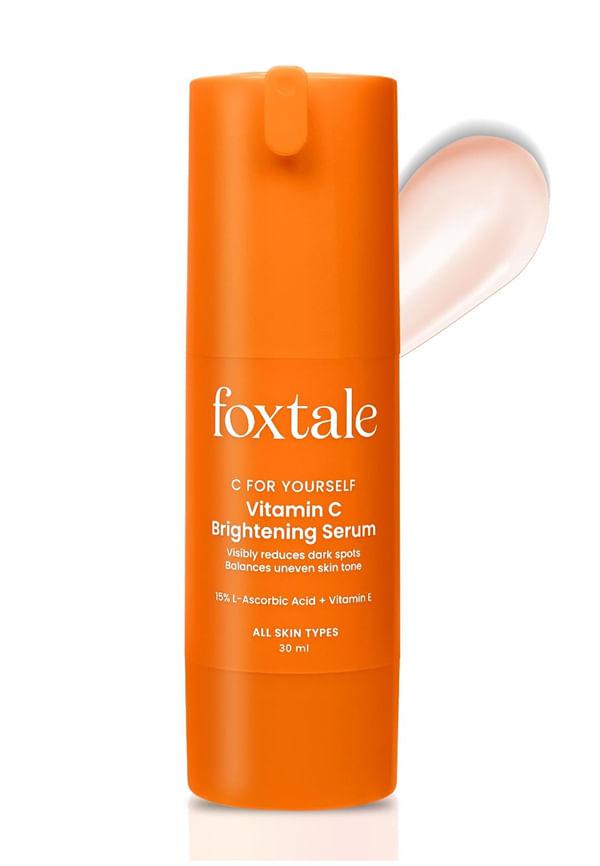
15% Vitamin C Face Serum for Glowing Skin, Pure L-Ascorbic Acid and Vitamin E
Freezing vitamin C serum is not recommended as it can alter the product's consistency and potentially damage the formulation. Refrigerator temperature (2-8°C) is the optimal cold storage method.
Look for colour changes (browning or darkening), unusual odours, separation, or changes in texture. Fresh vitamin C serum should be clear to light yellow and have a consistent texture.
Avoid storing vitamin C serum in the bathroom due to humidity from showers and temperature fluctuations. Choose a bedroom drawer or wardrobe shelf instead for more stable conditions.
Effective vitamin C serum maintains its original colour (clear to light yellow), has no unusual smell, and feels smooth when applied. If you notice your skin isn't responding as well as it used to, the serum may have lost potency.
A very slight yellowing can be normal, especially for L-ascorbic acid serums. However, orange or brown discolouration indicates significant oxidation and reduced effectiveness.
Proper vitamin C serum storage isn't just about following rules—it's about getting the most from your skincare investment and ensuring your skin receives the full benefits of this powerful ingredient. Whether you choose refrigeration for maximum stability or careful room temperature storage for convenience, consistency is key.
Remember that different formulations have different needs. Stable vitamin C derivatives offer more flexibility, while L-ascorbic acid requires more careful handling but often delivers more dramatic results. The choice depends on your lifestyle, storage options, and skin goals.
At Smytten, you'll find a curated selection of vitamin C serums from trusted brands, each with detailed storage recommendations. With over 28 million users discovering products through trial sizes, you can explore different formulations to find one that works with your storage situation. If you're curious about a particular vitamin C serum but want to test its stability in your environment first, Smytten's trial options let you experiment before committing to full sizes—a smart way to find your perfect match without the waste.
