Vitamin C Serum Stability FAQ: What Makes It Work for Your Face


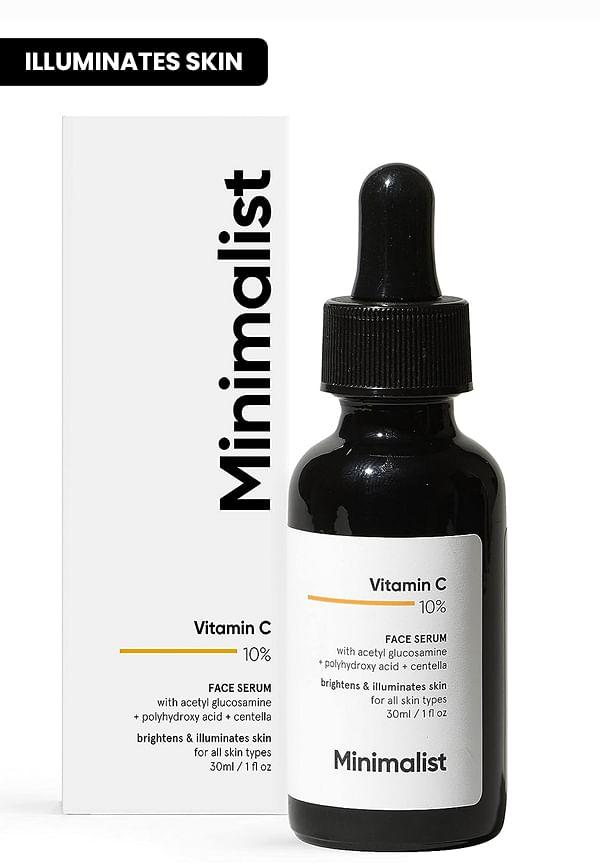
10% Vitamin C Face Serum For Skin Brightening & Reduce Sun Damage
You've just bought a promising vitamin C serum, excited about the brightening benefits everyone raves about. But three weeks later, your once-clear serum has turned an alarming shade of amber, and your skin isn't seeing the results you expected. Sound familiar? The culprit isn't the vitamin C itself—it's stability. Understanding what makes a vitamin C serum stable for your face is the difference between glowing skin and wasted money. Let's dive into the science behind keeping your vitamin C potent and effective.
Vitamin C serum stability refers to the product's ability to maintain its potency and effectiveness over time without breaking down or oxidising. When a serum is stable, the vitamin C molecules remain intact and bioavailable, meaning your skin can actually absorb and use them for brightening, collagen production, and antioxidant protection.
The science behind vitamin C serum oxidation is straightforward but crucial to understand. Vitamin C, particularly in its most potent form as L-ascorbic acid, is inherently unstable. When exposed to light, air, heat, or the wrong pH environment, it breaks down into dehydroascorbic acid and eventually into inactive compounds. This oxidation process not only renders the serum ineffective but can also cause skin irritation.
A stable vitamin C serum delivers consistent vitamin C serum benefits including reduced hyperpigmentation, improved skin texture, and enhanced radiance. Without stability, you're essentially applying an expensive water-based solution that won't deliver the results you're seeking. The connection between stability and skin penetration is particularly important—unstable vitamin C can't penetrate the skin barrier effectively, making your entire skincare investment pointless.
Several critical factors determine whether your vitamin C serum for face will remain effective throughout its shelf life. Understanding these elements helps you choose products that will actually work for your skin.
The vitamin C serum pH is perhaps the most crucial factor in maintaining stability. Ascorbic acid serum requires a pH between 3.5 and 4.0 to remain stable and penetrate the skin effectively. This acidic environment prevents oxidation whilst ensuring the vitamin C can pass through your skin barrier.
However, this low pH can be irritating for sensitive skin, which is why many brands use buffering systems. These systems maintain the optimal pH whilst reducing potential irritation. Quality vitamin C serum formulation balances effectiveness with skin tolerance through careful pH management.
UV exposure accelerates vitamin C serum oxidation dramatically. This is why the best vitamin C serum options come in dark, opaque packaging—typically amber or cobalt blue glass bottles that block harmful light rays.
Airless pump bottles are superior to traditional dropper bottles for maintaining stability. They minimise air exposure each time you use the product, significantly extending the serum's effective lifespan. Some brands even use specialised packaging with UV filters or metallic coatings for extra protection.
Smart vitamin C serum ingredients include stabilising compounds that protect the main active. Vitamin E and ferulic acid are particularly effective—they not only stabilise vitamin C but actually enhance its antioxidant power when used together.
Alternative vitamin C derivatives like magnesium ascorbyl phosphate and sodium ascorbyl phosphate offer greater stability than pure L-ascorbic acid, though they may be less potent. These derivatives convert to active vitamin C once absorbed by the skin, providing a gentler yet effective approach.
Recognising the signs of vitamin C oxidation can save your skin from irritation and disappointment. Fresh, stable vitamin C serums are typically clear to very pale yellow in colour. As oxidation progresses, you'll notice the serum turning deeper yellow, then amber, and eventually brown.
Texture changes are equally telling. Stable serums maintain their original consistency, whilst oxidised products may separate, become cloudy, or develop an unusual thickness. The smell test is also reliable—fresh vitamin C has little to no scent, whilst oxidised serums often develop a metallic or off-putting odour.
If you notice any of these changes, it's time to replace your vitamin C serum for face. Using oxidised vitamin C can cause irritation, stinging, and may even worsen hyperpigmentation rather than improving it. When in doubt, err on the side of caution and invest in a fresh bottle.
Correct vitamin C serum storage can significantly extend your product's lifespan and effectiveness. Store your serum in a cool, dark, dry place away from direct sunlight and heat sources. Your bathroom cabinet might seem convenient, but the humidity and temperature fluctuations from showers can accelerate oxidation.
Many skincare enthusiasts swear by refrigerating their vitamin C serums. Cool temperatures do slow oxidation, but avoid temperature fluctuations that occur when you repeatedly move the product from fridge to room temperature. If you choose refrigeration, commit to it consistently.
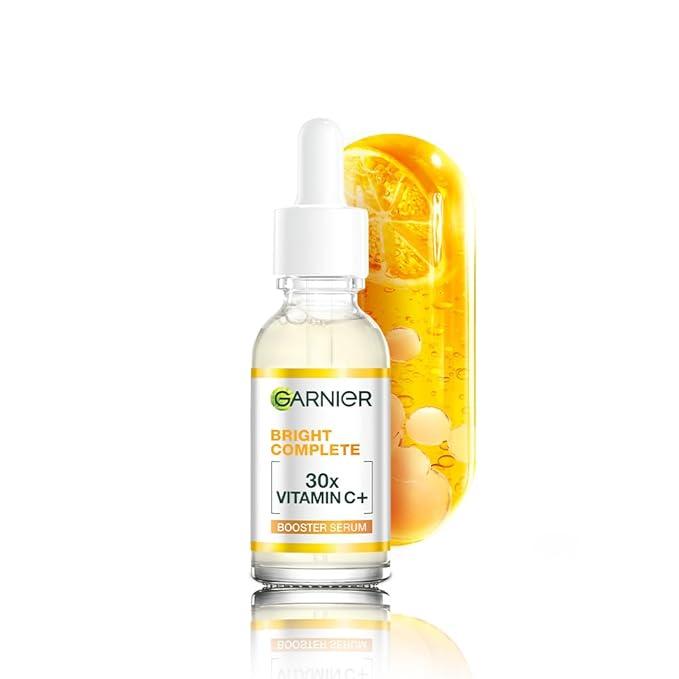
For travel, invest in insulated skincare bags or keep your vitamin C serum in your carry-on luggage where temperatures are more controlled. Never leave vitamin C products in hot cars or direct sunlight, even briefly. The Garnier Vitamin C Face Serum for Skin Brightening & Anti-Dark Spots exemplifies good packaging practices with its dark bottle design that helps protect the formula from light exposure, making it easier to maintain stability during regular use.
Proper application technique affects both the stability and effectiveness of your vitamin C serum. Understanding when and how to apply your serum maximises its benefits whilst maintaining its potency.
Most dermatologists recommend morning application for vitamin C serums because the antioxidant properties provide protection against environmental damage throughout the day. Apply 2-3 drops to clean skin, followed by moisturiser and SPF—the sunscreen is crucial as vitamin C can increase photosensitivity.
Night application is also beneficial, particularly for those with sensitive skin who find morning use too irritating. Evening application allows the vitamin C to work during your skin's natural repair cycle without the added stress of UV exposure.
Apply vitamin C serum to clean, dry skin before heavier products like moisturisers or oils. Use gentle patting motions rather than rubbing, which can cause irritation. Wait 10-15 minutes before applying subsequent products to allow proper absorption.
Avoid mixing vitamin C with retinol, AHAs, or BHAs in the same routine, as these combinations can destabilise the vitamin C and increase irritation risk. Instead, alternate these actives on different days or use them at different times of day.
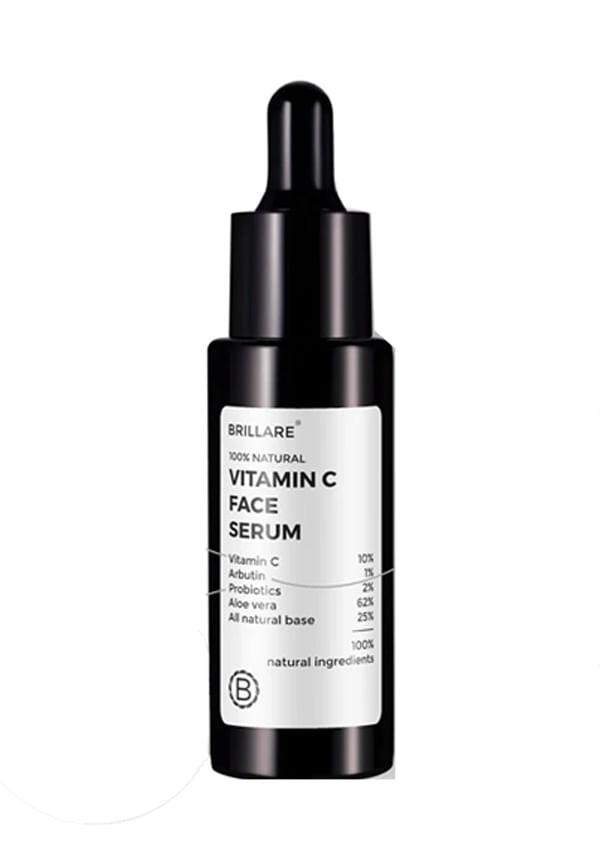
10% Vitamin C Face Serum For Bright, Glowing Skin
When selecting a stable vitamin C serum, look beyond marketing claims to examine the actual formulation. Products with concentrations between 10-20% L-ascorbic acid offer the best balance of effectiveness and stability for most skin types.
Consider vitamin C derivatives if you have sensitive skin or live in a hot climate where stability is challenging to maintain. Magnesium ascorbyl phosphate and ascorbyl glucoside are excellent alternatives that provide vitamin C benefits with enhanced stability.
Read ingredient lists carefully—quality formulations include stabilising ingredients like vitamin E, ferulic acid, or glutathione. Avoid products with long ingredient lists full of potential irritants, as these can compromise both stability and skin tolerance.
Understanding common stability problems helps you troubleshoot issues before they affect your skin. Temperature fluctuations are a major culprit—if you've stored your serum inconsistently, you might notice faster oxidation.
Irritation from vitamin C serums often stems from using oxidised products rather than the vitamin C itself. If you experience stinging, redness, or increased sensitivity, check your serum for signs of oxidation before assuming vitamin C isn't suitable for your skin.
Start with lower concentrations and gradually increase as your skin builds tolerance. Patch testing is essential, particularly if you have sensitive skin or are trying a new brand.
If your serum changes colour quickly, evaluate your storage conditions and consider switching to a more stable formulation. Some brands offer vitamin C in powder form that you mix fresh, eliminating stability concerns entirely.
Prevent premature oxidation by always closing the bottle tightly after use and avoiding contamination by using clean hands or a spatula when dispensing the product.
Store your vitamin C serum in a cool, dark, dry place away from sunlight and heat. Choose products in opaque packaging and always seal the bottle tightly after use to minimise air exposure. Consistent storage conditions are key to maintaining stability.
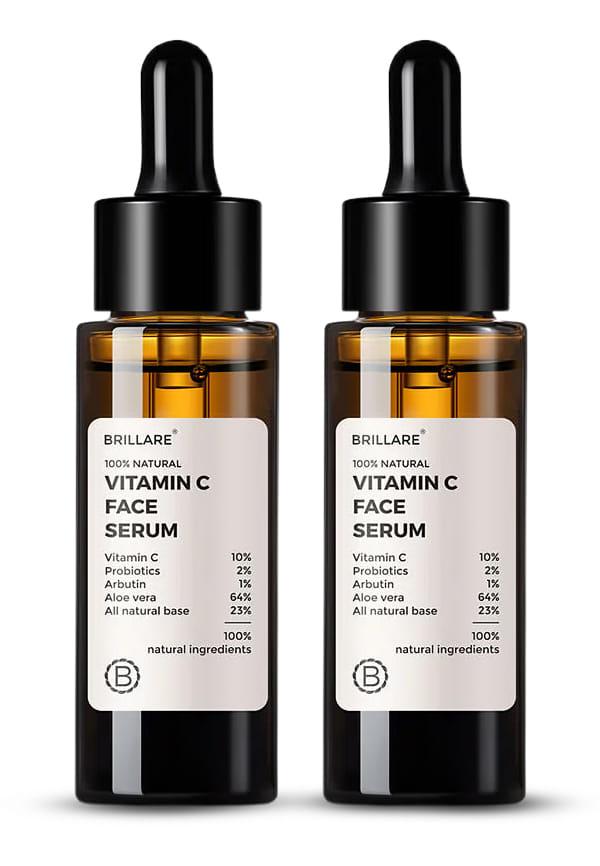
10% Vitamin C Face Serum For Bright, Glowing Skin
Fresh, stable vitamin C serums appear clear to pale yellow. If your serum has turned deeper yellow, amber, or brown, it's likely oxidised. Also watch for changes in texture like separation or cloudiness, and unusual metallic or off odours.
Cool storage can extend stability by slowing oxidation, but avoid temperature fluctuations. If you choose to refrigerate your serum, keep it consistently cold rather than moving it between fridge and room temperature repeatedly.
Properly stored stable vitamin C serums typically maintain their effectiveness for 6-12 months after opening, depending on the formulation and storage conditions. L-ascorbic acid formulations generally have shorter lifespans than vitamin C derivatives.
Vitamin C works well with niacinamide, hyaluronic acid, and peptides. However, avoid combining it with retinol, AHAs, or BHAs in the same routine, as these can destabilise vitamin C and increase irritation risk.
L-ascorbic acid is the most potent form of vitamin C but also the least stable. Derivatives like magnesium ascorbyl phosphate and sodium ascorbyl phosphate are more stable but may be less immediately potent, converting to active vitamin C once absorbed by the skin.
Stinging can indicate either skin sensitivity to the low pH required for vitamin C stability, or that your serum has oxidised. Check for colour changes and consider starting with a lower concentration or switching to a gentler vitamin C derivative.
Most dermatologists recommend morning use to take advantage of vitamin C's antioxidant protection against daily environmental damage. Always follow with SPF, as vitamin C can increase photosensitivity. Evening use is suitable for sensitive skin types.
Understanding what makes a vitamin C serum stable for your face transforms your skincare routine from guesswork into informed choices. Stability isn't just about product longevity—it's about ensuring your skin receives the full benefits of this powerful antioxidant. From pH levels and packaging to storage and application techniques, every factor contributes to whether your vitamin C serum will deliver the brightening, protective results you're seeking.
The key takeaway is that stable vitamin C serums require thoughtful formulation, proper packaging, and careful storage. When you invest in quality products and maintain them correctly, you'll see consistent improvements in skin brightness, texture, and overall radiance. Remember that signs of oxidation—colour changes, texture shifts, or unusual odours—signal it's time for a replacement.
For those exploring vitamin C options, Smytten's curated selection includes trusted brands with proven stability records, backed by their community of over 28 million users. The platform's trial approach is particularly valuable for vitamin C serums, as you can test how different formulations work with your skin and storage routine before committing to full sizes. This way, you can discover which vitamin C serum remains stable and effective in your specific environment and skincare routine.
