Vitamin C Serum for Sensitive Skin FAQ: Your Questions Answered


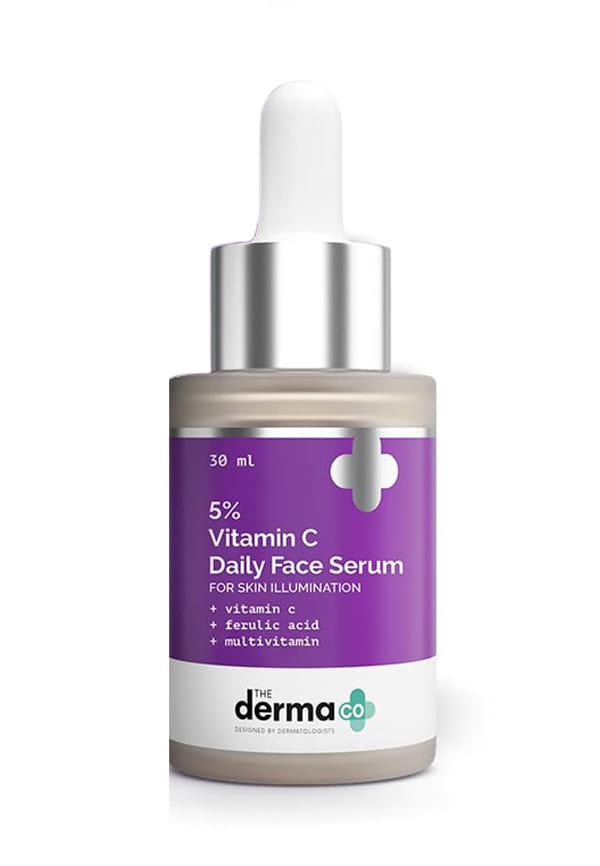
5% Vitamin C Daily Face Serum
You've heard all about vitamin C's brightening powers, but every time you try a serum, your skin throws a proper tantrum. Sound familiar? You're definitely not alone. Sensitive skin and vitamin C can feel like an impossible match, but here's the thing — with the right knowledge, you absolutely can enjoy all those glow-boosting benefits without the irritation. Whether you're dealing with redness, stinging, or just general reactivity, finding the perfect vitamin C serum for sensitive skin comes down to understanding the science behind gentler formulations. Let's dive into the most common questions about choosing vitamin C when your skin needs that extra bit of care.
Not all vitamin C is created equal, especially when you're working with sensitive skin. The form of vitamin C in your serum makes all the difference between a glowing complexion and an angry, irritated face.
L-ascorbic acid is the gold standard — it's the most potent and well-researched form. But for sensitive skin, it can be a bit too intense. The good news? There are gentler alternatives that still deliver results. Magnesium ascorbyl phosphate is your best friend here — it's the most gentle option that converts to vitamin C once it's absorbed into your skin. Sodium ascorbyl phosphate offers similar benefits with added stability, making it less likely to cause irritation. Ascorbyl glucoside provides slow-release benefits, giving your skin time to adjust without overwhelming it.
Clinical studies consistently show that vitamin C derivatives cause significantly less irritation whilst still providing antioxidant protection and collagen support. The key is in their stability — these forms don't require the low pH that makes L-ascorbic acid so harsh. For sensitive skin types, look for serums with a pH between 5.5 and 7, which won't disrupt your skin barrier.
Concentration matters just as much as the type of vitamin C you choose. Think of it like building your skin's tolerance to spicy food — you start mild and work your way up.
If you're new to vitamin C or have particularly reactive skin, start with concentrations between 5-10%. This gives your skin time to build tolerance without overwhelming it. You should start seeing subtle brightening effects within 4-6 weeks, though the real glow-up happens with consistent use over 2-3 months. Don't rush this process — your skin will thank you for the patience.
Once your skin has adjusted, 10-15% is the sweet spot for most sensitive skin types. This concentration provides noticeable results for hyperpigmentation and overall skin brightness without pushing your skin into irritation territory. Signs that your concentration might be too high include persistent redness, stinging that doesn't subside, or increased sensitivity to other products.
Those 20%+ vitamin C serums might look tempting, but they're generally not worth the risk for sensitive skin. Instead of chasing higher percentages, focus on consistent use of a gentler formula. Your skin will achieve better long-term results with a product you can actually use daily.
The best vitamin C serums for sensitive skin aren't just about the vitamin C itself — it's the supporting cast of ingredients that makes all the difference.
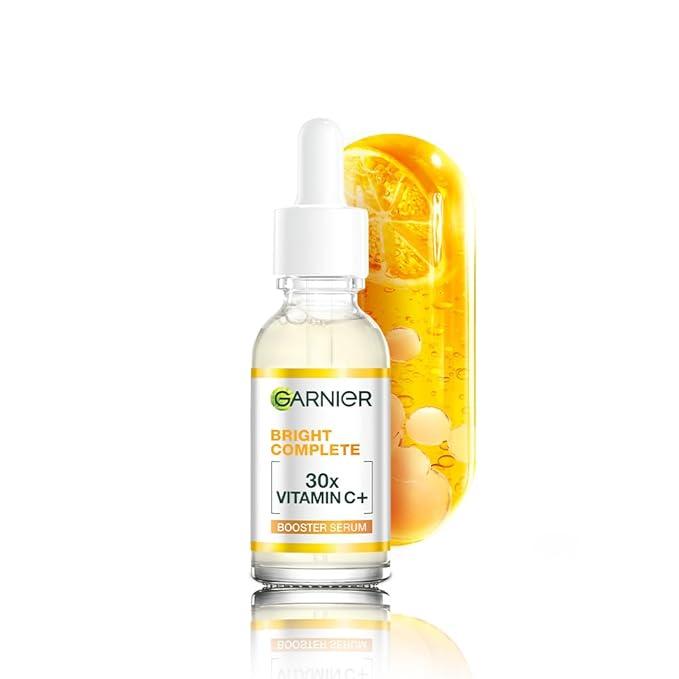
Vitamin E and ferulic acid are vitamin C's best friends. They not only stabilise the formula but also boost its effectiveness whilst reducing potential irritation. Hyaluronic acid provides essential hydration that helps maintain your skin barrier, whilst niacinamide brings anti-inflammatory benefits that can calm any potential reactivity. The Garnier Vitamin C Face Serum for Skin Brightening & Anti-Dark Spots combines vitamin C with niacinamide, creating a gentler approach to brightening that works well for those concerned about irritation whilst still targeting dark spots effectively.
Look for serums that include calming ingredients like aloe vera, chamomile, or centella asiatica. Ceramides help repair and strengthen your skin barrier, whilst panthenol (Pro-Vitamin B5) provides additional soothing benefits. These ingredients create a buffer that allows vitamin C to work without causing inflammation.
Even the gentlest vitamin C serum needs to be introduced properly. Think of it as introducing your skin to a new friend — you want to take it slow.
Always start with a 48-hour patch test on your inner arm or behind your ear. If there's no reaction, begin using the serum just 2-3 times per week for the first two weeks. Gradually increase to every other day, then daily as your skin adjusts. Watch for warning signs like persistent redness, burning, or increased sensitivity to other products — these mean you need to slow down or switch to a gentler formula.
Morning application is generally best for vitamin C, as it provides antioxidant protection throughout the day. Always follow with SPF — vitamin C can make your skin slightly more photosensitive initially. If you prefer evening application, that works too, just ensure you're not layering it with other active ingredients like retinol or acids on the same night.
Don't use vitamin C with retinol or AHAs/BHAs at the same time — alternate nights instead. Avoid over-cleansing or using harsh scrubs, as vitamin C can temporarily make your skin more sensitive. The biggest mistake? Applying too much product — a few drops is all you need.
Even with the best intentions, sometimes things don't go to plan. Here's how to troubleshoot common vitamin C issues.
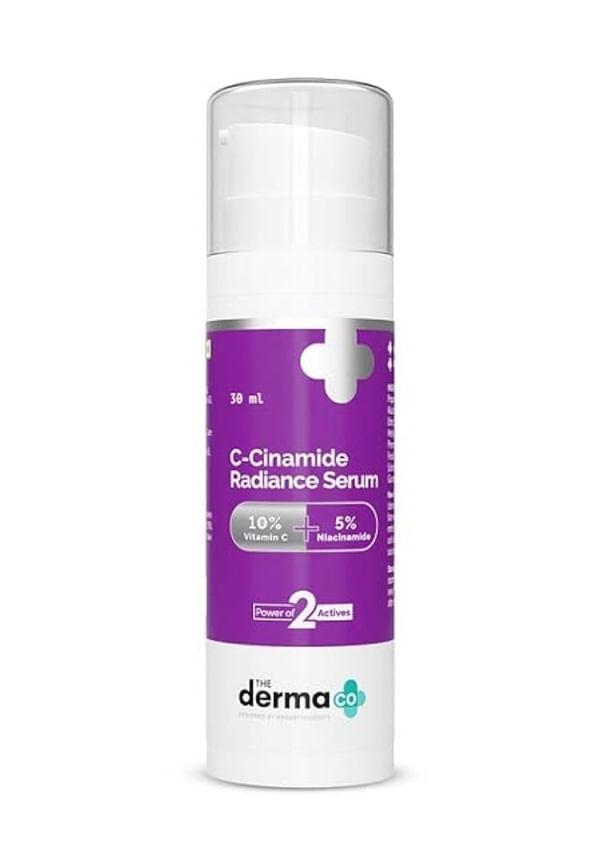
C-Cinamide Radiance Serum With 10% Vitamin C & 5% Niacinamide
If you experience redness or burning, immediately reduce frequency or switch to a lower concentration. Apply a gentle, fragrance-free moisturiser to calm your skin, and consider taking a few days' break before trying again. Sometimes mixing a drop of vitamin C serum with your regular moisturiser can help buffer the intensity.
If your serum has turned brown or orange, it's oxidised and potentially more irritating. Store your vitamin C serum in a cool, dark place — the fridge is ideal. Look for serums in dark glass bottles with airless pumps, as these protect the formula from light and air exposure.
If serums consistently cause problems, try vitamin C in moisturiser form or look for powder formulations that you can mix fresh. Some people find vitamin C cleansers provide gentle benefits without the intensity of leave-on products.
Shopping for vitamin C can feel overwhelming, but knowing what to look for makes all the difference.
Quality packaging isn't just about aesthetics — it's about preserving the product's effectiveness. Dark glass bottles protect against light degradation, whilst airless pumps prevent oxidation. Always check expiration dates and look for brands that provide batch testing information.
You don't need to spend a fortune for effective vitamin C. Focus on the active ingredients and packaging quality rather than brand prestige. However, investing in professional-grade formulas can be worth it if you've struggled with irritation from drugstore options — they often have better stabilisation technology.
Learn to recognise INCI names for different vitamin C forms. Look for transparency in concentration percentages — if a brand won't tell you how much vitamin C is in their serum, that's a red flag. Avoid products with long lists of potential irritants like essential oils or high amounts of alcohol.
The best vitamin C serum for sensitive skin contains gentle derivatives like magnesium ascorbyl phosphate or sodium ascorbyl phosphate in concentrations of 10-15%. Look for formulas that include soothing ingredients like niacinamide, hyaluronic acid, or vitamin E, and avoid products with fragrances or essential oils.
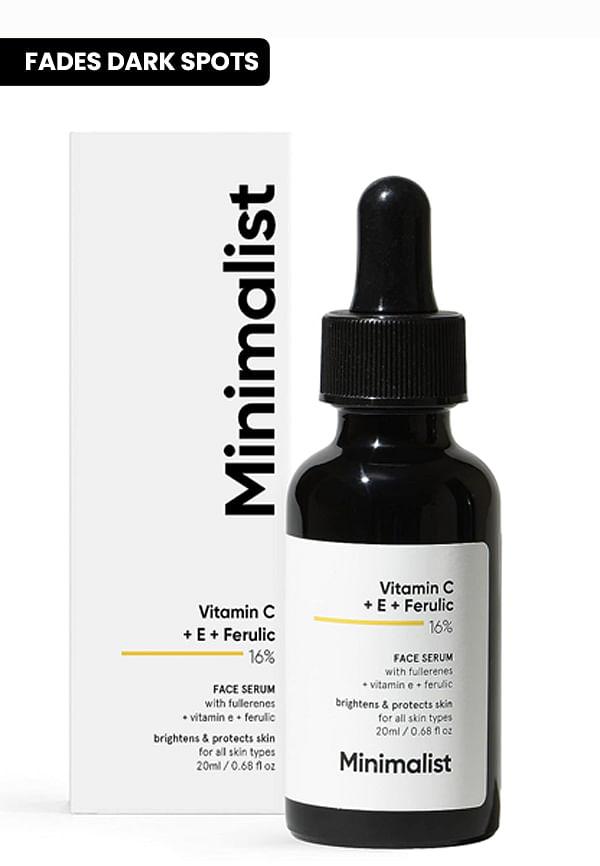
16% Vitamin C Face Serum (Advanced) With Vit E
Magnesium ascorbyl phosphate is generally the gentlest form of vitamin C, followed by sodium ascorbyl phosphate and ascorbyl glucoside. These derivatives are more stable and less likely to cause irritation than L-ascorbic acid whilst still providing antioxidant benefits and supporting collagen production.
Start by identifying your skin's sensitivity level and any specific concerns like hyperpigmentation or dullness. Choose a gentle derivative in a 5-10% concentration if you're new to vitamin C, and look for supportive ingredients like hyaluronic acid or niacinamide. Always patch test before full application.
Yes, vitamin C can temporarily increase skin sensitivity, especially L-ascorbic acid formulations. This usually subsides as your skin builds tolerance. To minimise risk, start with lower concentrations, introduce gradually, and always use SPF during the day.
With gentle vitamin C formulations, expect to see subtle improvements in skin brightness within 4-6 weeks of consistent use. More significant changes in hyperpigmentation and overall skin tone typically become noticeable after 8-12 weeks of regular application.
If you have rosacea or eczema, consult your dermatologist before introducing vitamin C. When these conditions are well-controlled, gentle vitamin C derivatives may be tolerated, but start with very low concentrations and monitor your skin's response carefully.
Always check with your dermatologist about combining vitamin C with prescription treatments. Some medications can increase skin sensitivity, making vitamin C more likely to cause irritation. Timing and concentration adjustments may be necessary.
Vitamin C provides both anti-aging and brightening benefits through the same mechanisms — antioxidant protection and collagen support. For sensitive skin focused on brightening, look for formulas that combine vitamin C with niacinamide. For anti-aging concerns, vitamin E and ferulic acid partnerships work well.
Finding the right vitamin C serum for sensitive skin doesn't have to be a frustrating journey of trial and error. The key is understanding that gentler doesn't mean less effective — it just means smarter formulation. Start with stable derivatives, introduce gradually, and listen to your skin's feedback along the way.
Remember, consistency trumps concentration every time. A 10% vitamin C serum you can use daily will give you better results than a 20% formula that leaves your skin angry and inflamed. Your skin's tolerance can build over time, so what feels too strong today might be perfect in a few months.
The beauty of shopping on platforms like Smytten is the ability to discover vitamin C serums from trusted brands without committing to full sizes immediately. With over 28 million users exploring products through trial options, you can test different formulations to find what works best for your sensitive skin before making larger investments. Whether you're drawn to budget-friendly options or premium formulations, the key is finding that perfect match for your skin's unique needs.
