Vitamin C for Dark Spots India FAQ: Your Questions Answered


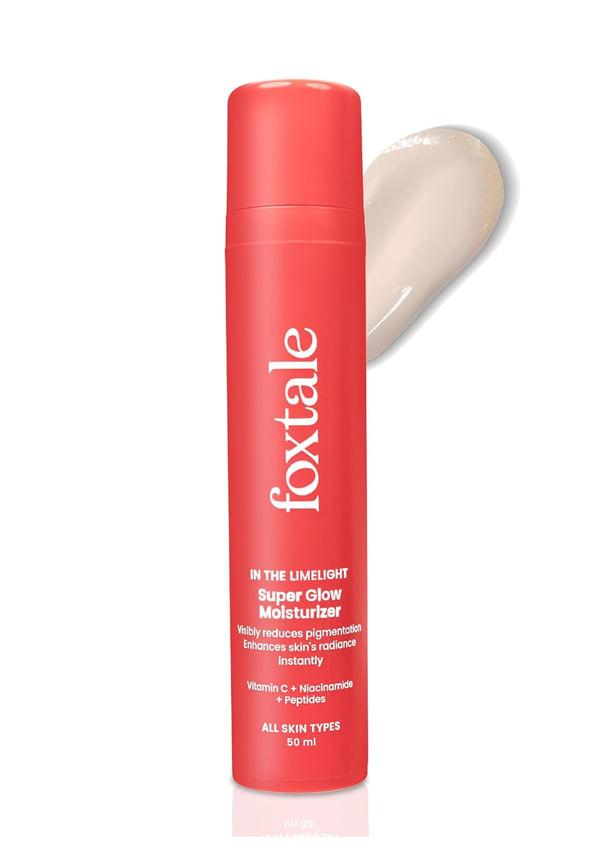 50 ml
50 mlVitamin C Super Glow Moisturizer with Niacinamide
You've been diligently applying that vitamin C serum for weeks now, checking the mirror each morning for signs that those stubborn dark spots are finally fading. If you're wondering whether you're doing everything right, or if vitamin C actually works for Indian skin dealing with post-monsoon pigmentation and year-round sun exposure, you're not alone. The questions around vitamin C for dark spots india are endless, and honestly, the internet can feel overwhelming when you're just trying to get clearer, more even-toned skin.
Real talk: vitamin C doesn't magically erase dark spots overnight, but it's one of the most researched ingredients for tackling hyperpigmentation. The science is solid, and when you understand how it works, you'll know exactly what to expect from your routine.
Vitamin C interrupts the process that creates dark spots in the first place. It inhibits an enzyme called tyrosinase, which is responsible for melanin production. Think of it as putting the brakes on your skin's pigment-making factory. This means it's brilliant for preventing new dark spots from forming, especially important when you're dealing with India's intense UV exposure. For existing spots, vitamin C works by gradually breaking down the excess melanin that's already there, but this takes time and consistency.
Here's what actually happens when you start using vitamin C serum for hyperpigmentation. In the first month, you'll likely notice your overall skin tone looking brighter and more radiant. This isn't your imagination - vitamin C is working on surface-level dullness. Months two and three are when you'll start seeing those dark spots genuinely fading, particularly newer ones from recent breakouts or minor sun damage. For deeper, older pigmentation, you're looking at three to six months of consistent use for maximum results.
Your skin type, the depth of your dark spots, and how consistently you apply your serum all affect your timeline. Post-acne marks tend to respond faster than melasma, and spots from recent sun exposure fade quicker than years-old pigmentation.
Finding the right vitamin C serum india formula can feel like navigating a maze, especially when you're balancing effectiveness with budget and climate considerations. The good news is that there are excellent options across every price point.
When you're shopping for the best vitamin c serum for dark spots, concentration matters, but it's not everything. A 10% vitamin C serum that's well-formulated and stable will outperform a 20% serum that oxidises in your bathroom cabinet. Look for serums in the ₹500-₹2000 range for affordable vitamin c serum india options that actually work. Brands like Minimalist, Dot & Key, and The Derma Co offer solid formulations that hold up well in Indian humidity.
L-Ascorbic Acid is the gold standard for vitamin c for skin brightening, but it's also the most unstable. If you're new to vitamin C or have sensitive skin, start with Ethyl Ascorbic Acid or Magnesium Ascorbyl Phosphate - they're gentler and more stable in our climate. Look for serums that include Ferulic Acid and Vitamin E, which help stabilise the vitamin C and boost its effectiveness. Hyaluronic Acid is a brilliant addition for hydration, especially important when you're dealing with AC-induced dryness.
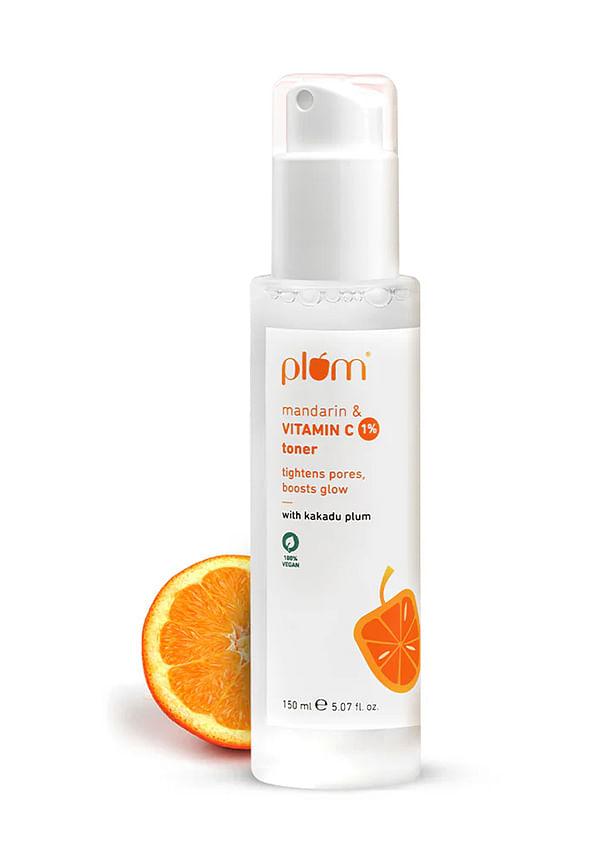 150 ml
1% Vitamin C Toner with Mandarin & Kakadu | Reduces Dark Spots
Skip serums in clear glass bottles - they'll oxidise faster in our bright sunlight. Avoid overly thick, creamy textures that won't absorb well in humidity. And be cautious of serums that combine vitamin C with retinol or AHAs in the same product - these can be too harsh for daily use, especially in hot weather.
Getting your vitamin c skincare routine right is crucial for seeing results without irritation. The key is understanding when and how to apply your serum for maximum benefit.
Morning application is ideal for vitamin C because it provides antioxidant protection throughout the day. Apply your serum after cleansing but before moisturiser and SPF. In India's climate, this routine works brilliantly because you're getting both treatment and protection. Evening application works too, especially if you're using other actives in the morning, but you'll miss out on the daytime antioxidant benefits.
Start with a gentle cleanser to remove overnight buildup or morning grime. Pat your skin dry, then apply 2-3 drops of your vitamin C serum to clean skin. Gently press it in - no rubbing needed. Wait a few minutes for absorption, then follow with a lightweight moisturiser. Never skip SPF when using vitamin C - it makes your skin more photosensitive initially, and sun protection is crucial for preventing new dark spots.
Different types of dark spots respond differently to vitamin C, and knowing what you're dealing with helps set realistic expectations for your dark spot treatment india journey.
Vitamin C can help with melasma, but it's rarely a standalone solution for this stubborn condition. Hormonal melasma, common during pregnancy or with contraceptive use, often requires a combination approach. Vitamin C works well alongside prescribed treatments like hydroquinone or tretinoin, but always consult a dermatologist for melasma treatment. The key is patience - melasma can take six months to a year to show significant improvement.
This is where vitamin C truly shines. Post-inflammatory hyperpigmentation from acne responds beautifully to consistent vitamin C use. The newer the marks, the faster they'll fade. Vitamin C for uneven skin tone works by preventing new marks from forming while gradually lightening existing ones. If you're prone to breakouts, look for non-comedogenic formulations that won't clog your pores.
Years of sun exposure create deeper pigmentation that takes longer to address. Vitamin C helps, but combining it with gentle exfoliation using AHAs (on alternate days) can speed up results. Prevention is key here - daily SPF is non-negotiable when treating sun damage.
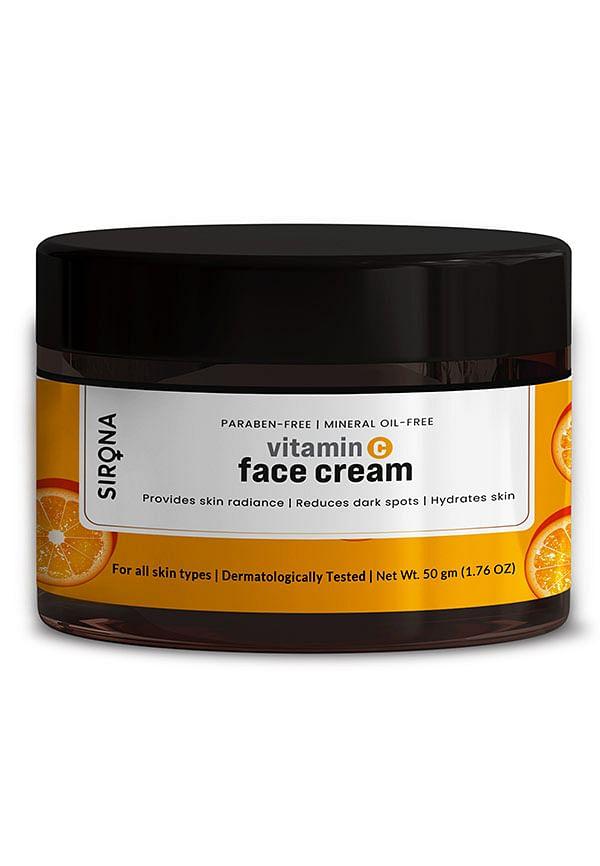 50gm
50gmVitamin C Face Cream for Hydrates Skin, Provides Skin Radiance & Reduces Dark Spots
Understanding potential side effects helps you use vitamin C safely and effectively, especially important when you're dealing with India's challenging climate conditions.
Initial tingling or mild irritation is normal when you start using vitamin C, especially with L-Ascorbic Acid formulations. This usually subsides within a week as your skin adjusts. In hot, humid weather, you might experience more sensitivity, so start with every other day application. If you notice persistent redness, burning, or breakouts, you might be using too high a concentration or have a sensitivity to the formulation.
People with very sensitive skin conditions like rosacea should introduce vitamin C very gradually. If you're pregnant or breastfeeding, vitamin C is generally safe, but always check with your healthcare provider. Those with active eczema or dermatitis should wait until their skin barrier is healed before introducing new actives.
Getting the most from your vitamin c benefits for skin requires some climate-specific strategies that work with, not against, India's unique environmental challenges.
Store your vitamin C serum in a cool, dry place - your refrigerator works brilliantly for this. In monsoon season, you might need to adjust your routine because increased humidity can make some serums feel heavy. During summer, apply your serum to slightly damp skin for better absorption and a cooling effect. Winter's lower humidity means you can often use slightly higher concentrations without irritation.
Professional treatments like chemical peels or laser therapy can be combined with vitamin C, but timing matters. Use your serum to prep your skin before treatments and aid healing afterward. Home remedies like turmeric masks can complement vitamin C, but avoid mixing them directly - use them on alternate days instead.
Vitamin C can significantly fade dark spots, but complete removal depends on the type and depth of pigmentation. Surface-level spots from recent acne or minor sun damage often fade dramatically with 3-6 months of consistent use. Deeper pigmentation like melasma or old sun damage may lighten considerably but might not disappear entirely. The key is realistic expectations and consistent application.
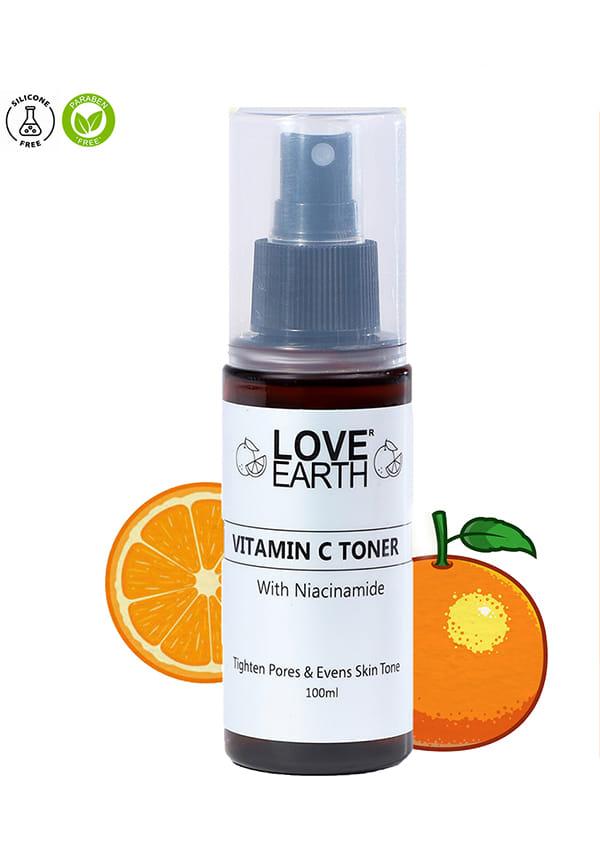 100 ml
Vitamin C Toner
Start with 10-15% vitamin C if you're new to the ingredient. This concentration is effective for most people while minimising irritation risk. You can gradually increase to 20% if your skin tolerates it well and you want faster results. Higher concentrations aren't always better - a stable 10% serum often outperforms an unstable 20% formula.
There's no single "number 1" serum because the best choice depends on your skin type, budget, and specific concerns. Look for serums with stable vitamin C forms, good packaging that protects from light and air, and positive reviews from people with similar skin concerns. Price isn't always an indicator of quality - some affordable vitamin c serum india options perform excellently.
Vitamin C can help with melasma as part of a comprehensive treatment plan, but it's rarely effective alone. Melasma is complex and often requires prescription treatments. Vitamin C works well as a supporting ingredient, helping prevent new pigmentation while other treatments address existing melasma. Always consult a dermatologist for melasma treatment.
Yes, most people can use vitamin C daily in Indian weather, but start slowly. Begin with every other day for the first week, then gradually increase to daily use. In very hot, humid conditions, you might prefer a lighter formulation or apply it to slightly damp skin for better absorption.
Unopened vitamin C serums typically last 12-18 months when stored properly. Once opened, use within 3-6 months for maximum potency. In India's climate, store your serum in the refrigerator to extend its life. If your serum turns brown or orange, it's oxidised and less effective.
Morning application is ideal because vitamin C provides antioxidant protection throughout the day. Apply it after cleansing but before moisturiser and SPF. If you use multiple actives, you can apply vitamin C in the evening instead, but you'll miss the daytime protective benefits.
Some people experience initial purging where existing dark spots seem more noticeable before they start fading. This isn't the serum making spots worse - it's accelerating skin cell turnover, bringing deeper pigmentation to the surface faster. This phase typically lasts 2-4 weeks before you see improvement.
Your journey with vitamin C for dark spots india doesn't have to be complicated. The key is choosing a stable formulation that works with your skin type and India's climate, then using it consistently. Remember that hyperpigmentation treatment is a marathon, not a sprint - most people see significant results after 3-4 months of regular use.
Start with realistic expectations, protect your skin with daily SPF, and be patient with the process. Vitamin C is genuinely effective for brightening skin and fading dark spots, but it works best as part of a well-rounded routine that includes gentle cleansing, adequate hydration, and sun protection.
If you're curious about trying different vitamin C formulations before committing to full-size products, Smytten offers mini versions from trusted brands, letting you test what works best for your skin. With over 28 million users discovering their perfect products through trials, it's a smart way to find your ideal vitamin c serum for hyperpigmentation without the guesswork. After all, your skin deserves products that truly work for you, not just products that promise everything.
