Vitamin C Brightens Skin FAQ: Your Questions Answered


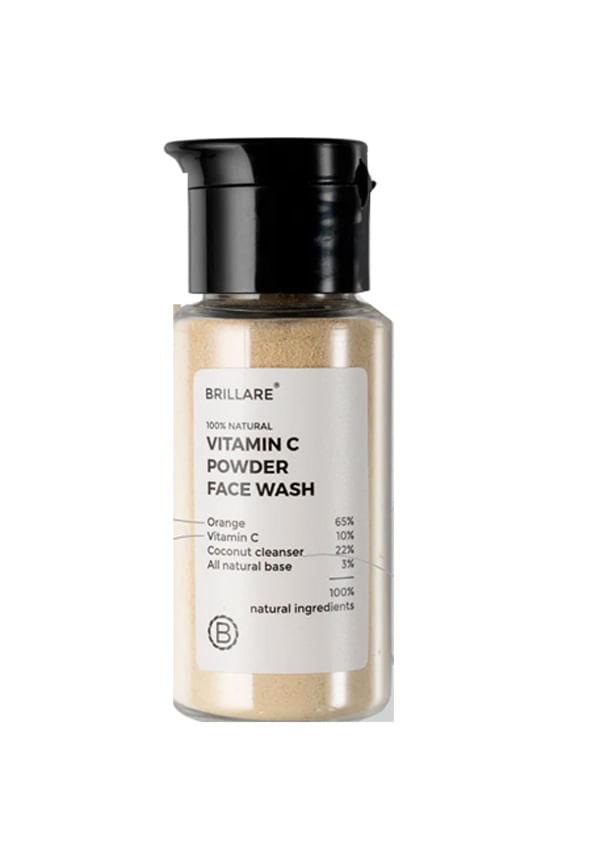
Vitamin C Powder Face Wash For Bright, Glowing Skin
You've probably seen vitamin C everywhere in skincare lately, and for good reason. Whether you're dealing with stubborn dark spots from last summer's breakouts or just want that lit-from-within glow, vitamin C has become the go-to ingredient for brighter, more even-toned skin. But how exactly does it work? And more importantly, will it actually deliver the results you're hoping for? Let's dive into the most common questions about how vitamin C brightens skin and what you can realistically expect from this powerhouse ingredient.
Here's the real talk: vitamin C brightens skin through a fascinating multi-step process that goes way beyond just sitting pretty on your face. At its core, vitamin C works as a melanin disruptor, essentially telling your skin cells to pump the brakes on excess pigment production.
The magic happens when vitamin C inhibits an enzyme called tyrosinase, which is responsible for melanin synthesis. Think of tyrosinase as the factory foreman directing pigment production – when vitamin C steps in, it essentially gives that foreman a coffee break. This means fewer dark spots forming and existing ones gradually fading over time.
But that's not all. Vitamin C benefits for skin extend to its powerful antioxidant properties, which neutralise free radicals from UV exposure and pollution damage. These free radicals are like tiny troublemakers that trigger inflammation and uneven pigmentation. By stopping them in their tracks, vitamin C prevents future discolouration whilst addressing current concerns.
The brightening process works in three distinct phases. First, vitamin C inhibits melanin production at the cellular level, preventing new dark spots from forming. Second, it creates an antioxidant shield that protects against environmental damage. Finally, it gently encourages cell turnover, helping to reveal fresher, more radiant skin underneath. This triple-action approach is why consistent use of vitamin C skincare delivers such impressive results over time.
Let's be honest about what vitamin C for dark spots can and cannot do. This ingredient works brilliantly for post-inflammatory hyperpigmentation (those marks left behind after spots), sun damage, and general uneven skin tone. However, it's not a magic eraser – deeper melasma or genetic pigmentation may need additional treatments.
For most people dealing with hyperpigmentation treatment, vitamin C shows its best results on surface-level discolouration. Think acne scars that are still relatively fresh, sun spots from last year's holiday, or the general dullness that comes from city living and stress. The key is managing expectations whilst staying consistent with application.
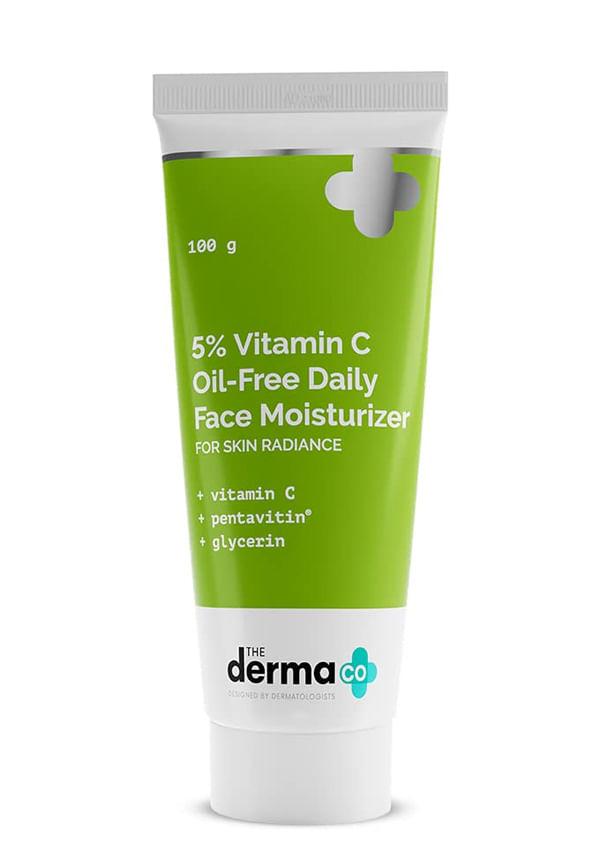
5% Vitamin C Oil-Free Daily Face Moisturizer for Skin Radiance
Concentration matters here. For mild uneven skin tone, a 10-15% vitamin C serum often does the trick. More stubborn dark spots might benefit from 20% formulations, though these should be introduced gradually to avoid irritation. Remember, stronger isn't always better – your skin needs time to adapt and respond.
This is probably the question everyone wants answered: when will you actually see results? Clinical studies suggest that most people notice initial improvements in radiant skin within 4-6 weeks of consistent use, with more significant changes appearing around the 8-12 week mark.
Here's what you can realistically expect week by week. In the first 2-3 weeks, you might notice your skin looking slightly more luminous – that's the antioxidant protection kicking in. By week 4-6, existing dark spots may start to appear lighter, and your overall complexion should look more even. The 8-12 week mark is when the real magic happens, with noticeable fading of skin discoloration and a genuine improvement in skin brightness.
Several factors affect how quickly you'll see results. Your skin type, the concentration of vitamin C you're using, consistency of application, and even your lifestyle habits all play a role. Those who use vitamin C religiously every morning, paired with proper SPF protection, typically see faster and more dramatic results than occasional users.
Not all vitamin C serums are created equal, and choosing the right one can make or break your brightening journey. The gold standard is L-ascorbic acid, the most potent and well-researched form of vitamin C. However, it's also the most unstable and potentially irritating, especially for sensitive skin types.
For beginners or those with reactive skin, stable vitamin C derivatives offer a gentler entry point. These forms may work more slowly than ascorbic acid skin treatments, but they're far less likely to cause redness or peeling. The trade-off is patience – stable forms typically take longer to show visible results.
When shopping for a skin brightening serum, look beyond just the vitamin C percentage. Packaging matters enormously – dark glass bottles or airless pumps protect the formula from light and air exposure, which can render vitamin C ineffective. pH levels should ideally be between 3.5-4.0 for optimal absorption, though this information isn't always readily available.
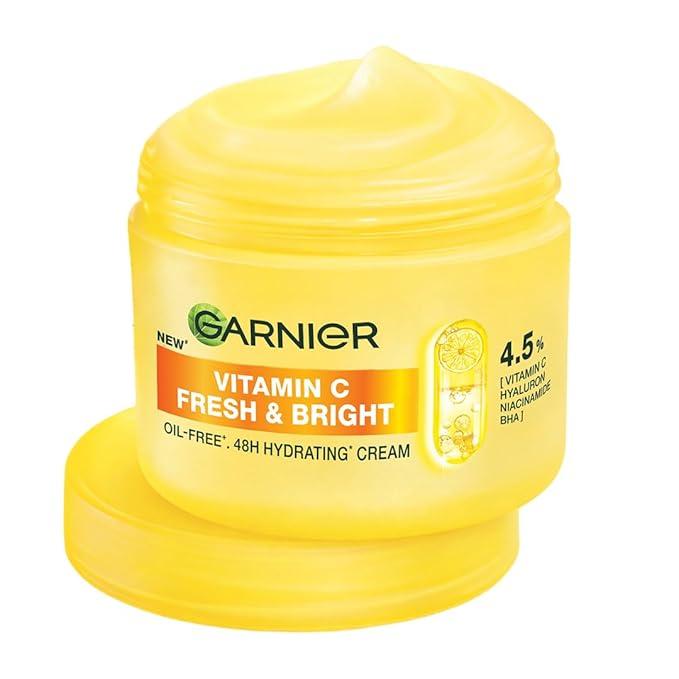
The Garnier Fresh & Bright Vitamin C Sorbet Moisturiser offers an interesting alternative for those who prefer combining their vitamin C with hydration. This lightweight formula delivers vitamin C benefits whilst providing essential moisture, making it particularly suitable for those with dry or combination skin who want to streamline their routine without compromising on brightening results.
Sodium ascorbyl phosphate and magnesium ascorbyl phosphate are two stable alternatives worth considering. These forms convert to active vitamin C once absorbed by the skin, offering similar benefits with significantly less irritation potential. Ascorbyl glucoside is another gentle option that works particularly well for sensitive skin types or vitamin C newcomers.
Application technique can dramatically impact your results, so let's get this right. Vitamin C skincare works best when applied to clean, dry skin in the morning. This timing isn't arbitrary – vitamin C provides antioxidant protection throughout the day, making it the perfect morning companion to your SPF.
Start with a gentle cleanser, pat your skin completely dry, then apply your vitamin C serum. Wait 10-15 minutes before layering other products – this gives the vitamin C time to absorb properly and work at its optimal pH level. Follow with a lightweight moisturiser and, crucially, broad-spectrum SPF 30 or higher.
Layering with other actives requires some strategy. Vitamin C plays well with hyaluronic acid and niacinamide but should be used separately from retinoids and AHAs/BHAs. If you're using multiple actives, consider alternating days or using vitamin C in the morning and other treatments at night.
Your ideal morning sequence should be: gentle cleanser, vitamin C serum on dry skin, 10-15 minute wait time, lightweight moisturiser, then SPF 30+. This routine maximises vitamin C absorption whilst ensuring proper sun protection – remember, vitamin C can make your skin more photosensitive initially.
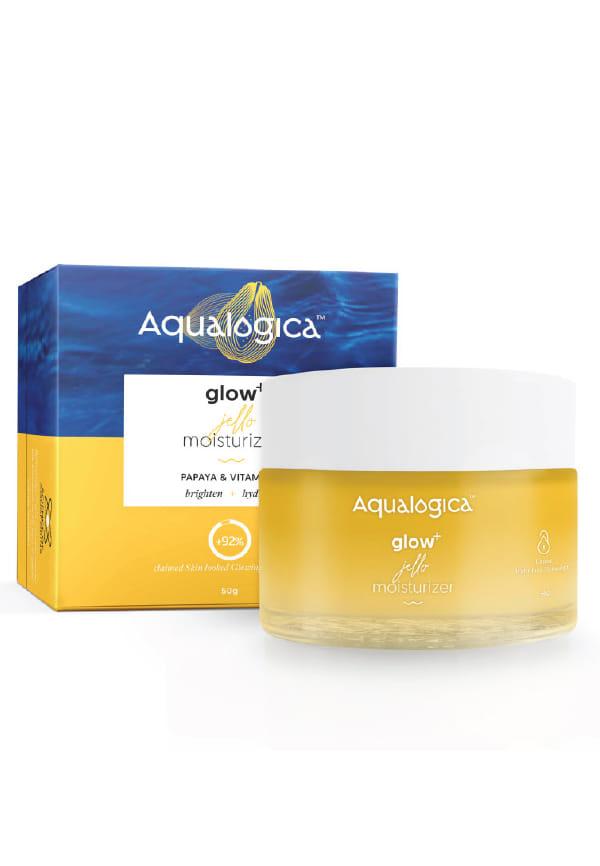
Glow+ Jello Moisturiser with Vitamin C & Papaya
Yes, vitamin C can definitely make your skin brighter through its melanin-inhibiting and antioxidant properties. Clinical studies consistently show improvements in skin radiance and reduction in dark spots with regular use. However, results vary based on your skin type, the concentration used, and consistency of application. Most people see noticeable brightening within 6-8 weeks of daily use.
Oral vitamin C supplements support overall skin health but won't dramatically lighten your skin. Topical vitamin C is far more effective for brightening because it delivers higher concentrations directly to the skin. Any lightening effects from vitamin C – whether oral or topical – require ongoing use to maintain results, as your skin continues producing melanin naturally.
Common side effects include initial tingling, mild redness, or slight peeling, especially when starting with higher concentrations. Some people experience increased photosensitivity, which is why SPF is non-negotiable. Rarely, vitamin C can cause contact dermatitis in very sensitive individuals. Always patch test new products and start with lower concentrations to minimise irritation risk.
Most people can safely use vitamin C serum daily once their skin has adapted to it. Start with every other day for the first week, then gradually increase to daily use if your skin tolerates it well. Signs of over-application include persistent redness, excessive dryness, or increased sensitivity. If these occur, reduce frequency or switch to a lower concentration.
Store vitamin C products in a cool, dark place away from direct sunlight and heat. The refrigerator is ideal for L-ascorbic acid formulations, as cold temperatures help maintain stability. Always close the bottle tightly after use and avoid exposing the product to air for extended periods. If your serum turns brown or develops a strong metallic smell, it's likely oxidised and should be replaced.
Understanding how vitamin C brightens skin helps set realistic expectations for your skincare journey. This ingredient truly can transform dull, uneven skin into something more radiant and clear, but it requires patience, consistency, and proper application technique. The science is solid, the results are proven, and with the right approach, you're likely to see genuine improvements in your skin's brightness and clarity.
Remember that skincare is deeply personal – what works brilliantly for your friend might need tweaking for your skin type. Start slowly, listen to your skin's responses, and don't be afraid to adjust your routine as needed. The goal isn't perfection overnight but steady, sustainable improvement over time.
For those curious about trying different vitamin C formulations before committing to full-size products, platforms like Smytten offer an excellent way to test various brands and concentrations. With over 28 million users discovering their perfect skincare matches through trial-sized products, it's become easier than ever to find what truly works for your unique skin needs without the guesswork or financial commitment.
