Vitamin C Application FAQ: Your Skincare Questions Answered


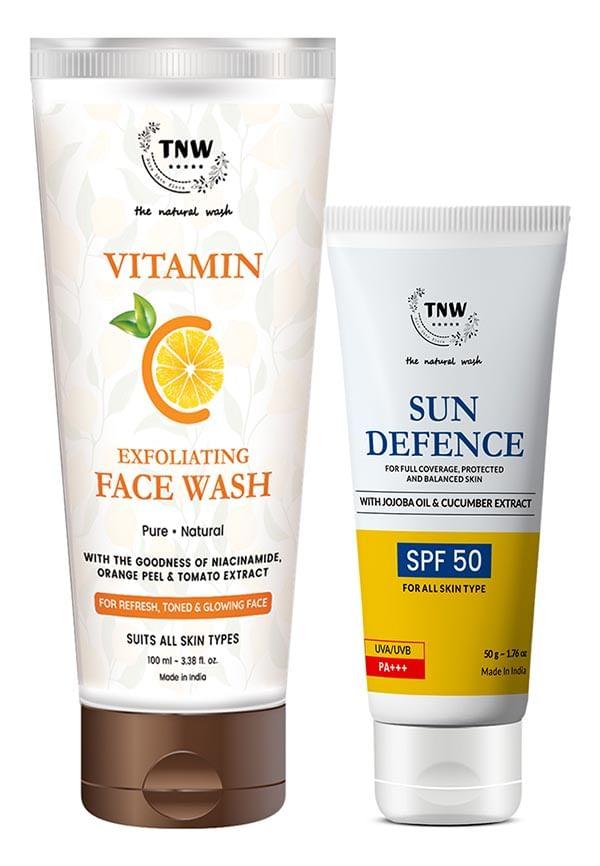
Vitamin C Exfoliating Face Wash and Sun Defense with Natural Ingredients | For Glowing and Healthy Skin | ChemicalFree Skincare Products,2 Pc
You've finally found the perfect vitamin C serum, but now you're staring at the bottle wondering when exactly to apply it. Should it be part of your morning routine for that antioxidant protection everyone talks about? Or is nighttime better for repair and brightening? Real talk: the timing of your vitamin C application can make or break your results. Whether you're dealing with dull skin that needs a glow boost or stubborn dark spots from last summer's breakouts, getting the timing right is just as important as choosing the right product. Let's sort through the confusion and find the perfect schedule for your skin.
The debate around when to use vitamin C serum isn't just skincare chatter—there's real science behind the timing. Your skin has different needs throughout the day, and understanding these cycles helps you maximise your vitamin C benefits.
Vitamin C is fundamentally an antioxidant, which means it's designed to fight free radicals. During the day, your skin faces a constant barrage of environmental stressors—UV rays, pollution, blue light from screens, and even the stress from your morning commute. This is where morning application truly shines. When you apply vitamin C in the morning, you're essentially giving your skin a protective shield against these daily aggressors. Studies show that vitamin C can enhance your SPF's effectiveness by up to 40%, making it a brilliant companion to your sunscreen routine.
But here's where it gets interesting—nighttime application has its own compelling benefits. While you sleep, your skin enters repair mode, with cell turnover peaking between 11 PM and midnight. Vitamin C serum applied at night can work uninterrupted, focusing on brightening and collagen synthesis without environmental interference. For those dealing with hyperpigmentation or post-inflammatory marks from hormonal breakouts, nighttime application often shows faster results because the vitamin C can concentrate on repair rather than protection.
So what's the verdict on the best time for vitamin C? The answer might surprise you—it depends on your skin goals and lifestyle. Let's break down both approaches so you can choose what works for your routine.
If you're going with morning application, timing is everything. Apply your vitamin C serum to clean, dry skin within 1-2 minutes of cleansing. This is when your skin is most receptive to active ingredients. Use 2-3 drops—more isn't better with vitamin C, and you'll just waste product. Wait about 10-15 minutes before applying your moisturiser and SPF. This waiting period allows the vitamin C to properly absorb and start working its magic.
Evening application follows a similar pattern but with different considerations. Apply after cleansing and any toners, but be mindful of other actives in your routine. If you're using retinol or AHAs, you might want to alternate nights or use vitamin C in the morning instead. Some people can handle both, but it's worth starting slowly to see how your skin responds. The beauty of nighttime application is that you don't need to worry about sun sensitivity or layering under makeup.
Creating the perfect vitamin C skincare routine is about more than just timing—it's about proper layering and understanding how products work together. Here's your complete guide to getting it right.
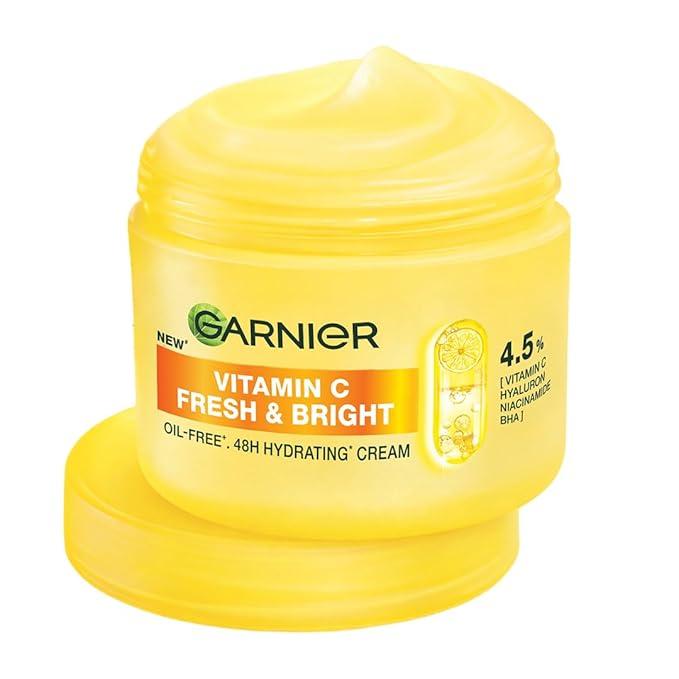
Your morning routine should flow like this: cleanser, toner (if using), vitamin C serum, moisturiser, and SPF. The key principle is applying products from thinnest to thickest consistency. Your vitamin C serum should have that lightweight, almost watery texture that sinks in quickly. If you're using a vitamin C moisturiser instead of a separate serum, it would replace both the serum and moisturiser steps. The Garnier Fresh & Bright Vitamin C Sorbet Moisturiser is particularly clever in this regard—it combines the brightening benefits of vitamin C with hydration in one step, making your morning routine more streamlined while still delivering that antioxidant protection and glow-boosting benefits your skin craves.
This is where molecular weight comes into play. Vitamin C serums typically have smaller molecules than moisturisers, which means they need to go on first to penetrate effectively. If you apply moisturiser first, you're essentially creating a barrier that prevents the vitamin C from reaching your skin cells. Always apply your vitamin C serum to clean skin, let it absorb, then follow with moisturiser to seal everything in.
Even with perfect timing, there are several ways your vitamin C application can go wrong. Let's address the most common mistakes that might be sabotaging your results.
Your skin's pH level plays a crucial role in vitamin C absorption. Vitamin C works best in a slightly acidic environment (pH 3.5-4), which is why some people experience better results when they use a pH-balancing toner before their serum. However, if you have sensitive skin, this acidity might cause irritation. Start with a gentler formulation and work your way up. Storage matters too—keep your vitamin C products in a cool, dark place, and replace them if they turn brown or orange, as this indicates oxidation.
Not all skincare ingredients play well together. Vitamin C can be unstable when mixed with certain ingredients like benzoyl peroxide or high-concentration retinoids. If you're using these ingredients, consider alternating days or using vitamin C in the morning and other actives at night. Niacinamide and vitamin C were once thought to be incompatible, but recent research shows they can actually work well together when formulated properly.
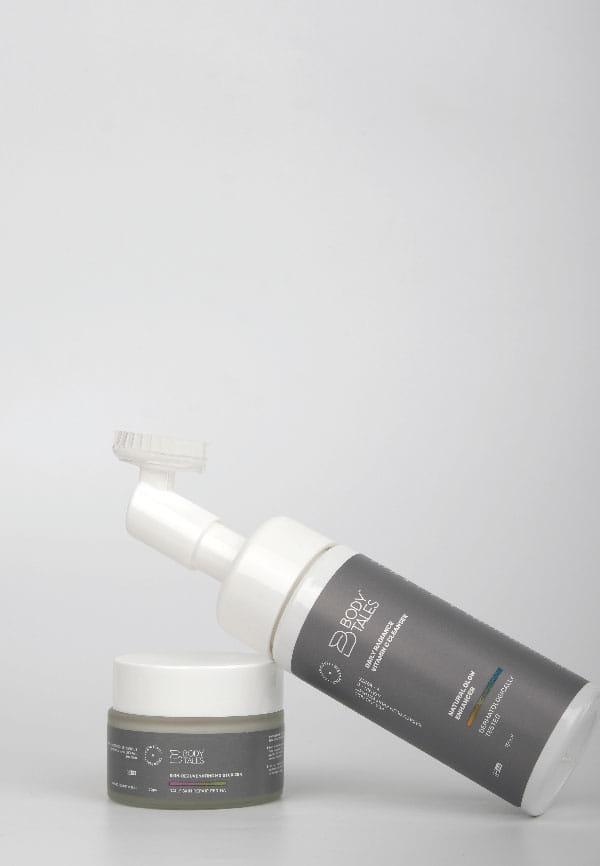
Daily Radiance Vitamin C Cleanser & Skin-Rejuvenating Moisturizer
Understanding the specific vitamin C skincare benefits helps you choose the right timing for your goals. Different times of day can amplify different benefits of this powerhouse ingredient.
When you use vitamin C in the morning, you're primarily harnessing its antioxidant powers. It neutralises free radicals from UV exposure and pollution before they can damage your skin cells. This protective action helps prevent new dark spots from forming and supports your skin's natural collagen production throughout the day. You'll also notice that morning application gives you an immediate brightening effect—perfect for those days when you want your skin to look radiant under natural light.
Nighttime vitamin C application focuses more on repair and regeneration. Without environmental stressors interfering, the vitamin C can concentrate on fading existing hyperpigmentation and supporting your skin's natural repair processes. Many people find that consistent evening use leads to more dramatic improvements in skin tone and texture over time, especially when dealing with stubborn dark spots or acne marks.
The right time depends on your skin goals. Morning application provides antioxidant protection against environmental damage, whilst evening application focuses on repair and brightening. Most dermatologists recommend morning use for its protective benefits, but both timings can be effective when done consistently.
Both have advantages. Day application offers protection against UV rays and pollution, making it ideal for prevention. Night application allows uninterrupted repair work, which is better for treating existing damage like dark spots. Choose based on whether you want protection or treatment as your primary goal.
Apply 2-3 drops to clean, dry skin, gently patting it in rather than rubbing. Start with your forehead, then cheeks, nose, and chin. Wait 10-15 minutes before applying moisturiser. Always follow with SPF if using in the morning, as vitamin C can increase sun sensitivity slightly.
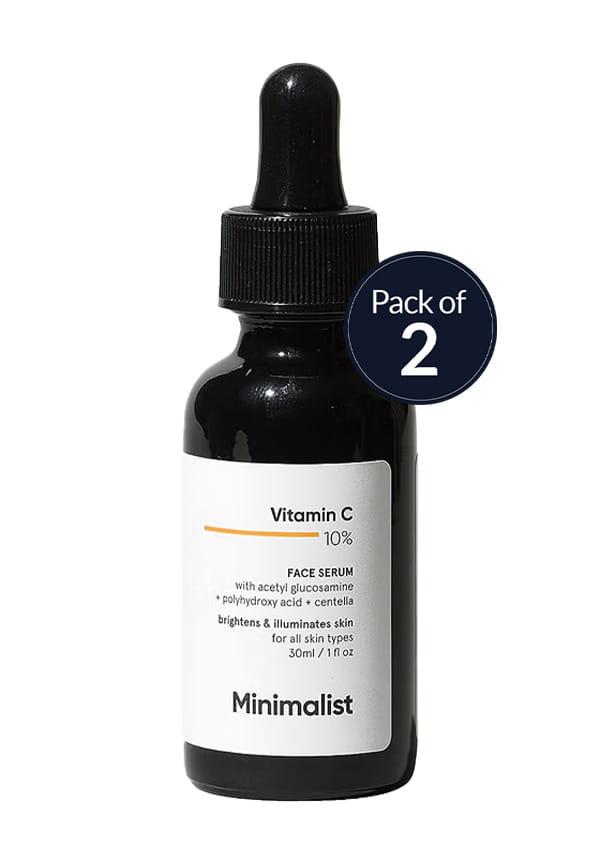
10% Vitamin C Face Serum For Skin Brightening & Reduce Sun Damage
Yes, but start slowly. Begin with once daily application for 2-3 weeks to assess your skin's tolerance. If you experience no irritation, you can gradually increase to twice daily. However, many people find once daily application sufficient for their skin goals.
Most dermatologists recommend morning application for its antioxidant protection, especially when paired with SPF. However, they also acknowledge that evening application can be beneficial for those focusing on treating hyperpigmentation or who experience sensitivity with morning use.
Always apply vitamin C serum before moisturiser. Serums have smaller molecules that need direct skin contact to penetrate effectively. Applying moisturiser first creates a barrier that prevents proper absorption of the vitamin C.
Vitamin C pairs well with hyaluronic acid, niacinamide, and SPF. Avoid mixing it with retinol, AHAs, or benzoyl peroxide in the same routine, as these combinations can cause irritation. When in doubt, use vitamin C in the morning and other actives at night.
Most people notice improved skin brightness within 2-4 weeks of consistent use. For hyperpigmentation and dark spots, expect 6-12 weeks of regular application to see significant improvement. Consistency is more important than timing when it comes to long-term results.
The truth about vitamin C application timing is that consistency trumps perfection. Whether you choose morning or evening application, the most important factor is using your vitamin C serum regularly and correctly. Your skin will notice the difference when you stick to a routine that works for your lifestyle and skin goals.
Remember, skincare is deeply personal. What works brilliantly for your friend might not suit your skin type or routine. Start with the timing that feels most natural for your lifestyle—if you're always rushing in the morning, evening application might be more sustainable. If you love a protective morning routine, go with AM application.
The beauty of platforms like Smytten is that you can explore different vitamin C formulations and brands without committing to full-size products immediately. With over 2,400 trusted brands and 28 million users discovering their perfect products, you're in good company when you're experimenting to find what works. If you're curious about trying different vitamin C products or brands but not ready to invest in full sizes, Smytten's trial options let you test various formulations before making larger purchases. It's a smart way to discover your ideal vitamin C routine without the guesswork.
