Understand Skincare Steps: Your Complete FAQ Guide


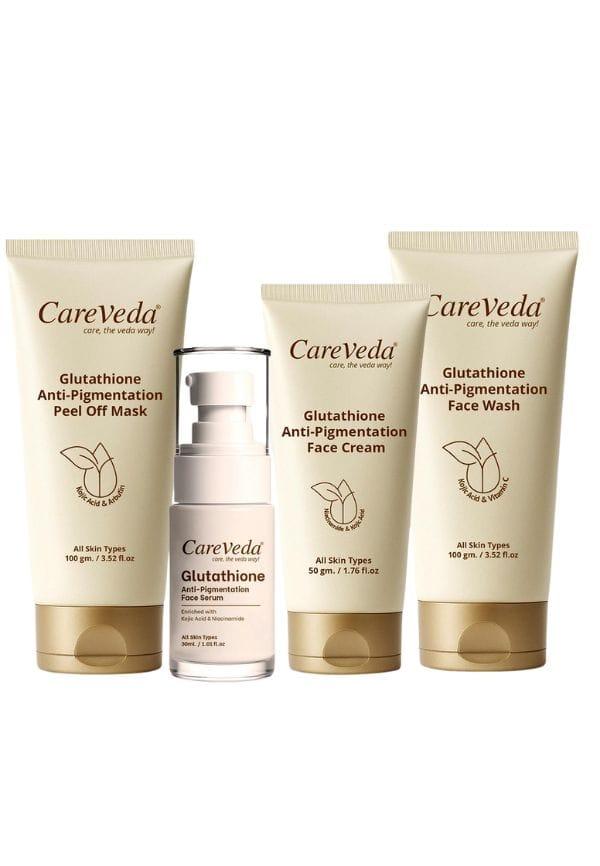 280gm
280gmFace Cream & Face Wash, Peel off Mask, Face Serum for Bright, Even-Toned Skin
Ever stood in front of your bathroom mirror, holding three different bottles, wondering which one goes first? You're not alone. The world of skincare can feel overwhelming when you're trying to decode the perfect routine order. Whether you're dealing with stubborn breakouts, dull winter skin, or just want that healthy glow everyone's talking about, understanding the right skincare steps makes all the difference. Real talk: the order matters more than you might think, and getting it wrong could mean your favourite serum isn't working as hard as it should.
Let's start with the basics. A solid skincare routine doesn't need to involve fifteen products or take an hour each morning. The foundation rests on five key steps that work together like a well-orchestrated team. Think of it as building layers - each one preparing your skin for the next.
The golden rule? Always apply products from thinnest to thickest consistency. This isn't just skincare folklore - it's science. Lighter formulas can penetrate through heavier ones, but not the other way around. Your face care steps should follow this natural progression to ensure every ingredient reaches where it needs to go.
Your essential routine includes cleansing to remove daily buildup, toning to balance and prep, treating with targeted serums, moisturising for hydration and barrier protection, and protecting with SPF during the day. Each step serves a specific purpose, and skipping one can affect how well the others perform.
Your skin has different needs at different times. Morning routines focus on protection - think antioxidants and SPF to shield against environmental damage. Evening routines are about repair and renewal, when your skin naturally regenerates. This is why you might use vitamin C in the morning but retinol at night.
Now let's break down what your daily skincare should actually look like. Your morning routine sets the stage for the day ahead, whilst your evening routine helps your skin recover and repair overnight.
Skin cleansing comes first, even in the morning. You might think your skin is clean from the night before, but overnight your skin produces oils and sheds dead cells. A gentle cleanser removes this buildup without stripping your skin's natural barrier.
Next comes toning. Toner benefits include balancing your skin's pH after cleansing and prepping it to absorb the products that follow. Look for hydrating toners with ingredients like hyaluronic acid or niacinamide rather than harsh, alcohol-based formulas.
Serum application is where you target specific concerns. Vitamin C serums are brilliant for morning use - they provide antioxidant protection and help brighten your complexion over time. Apply serums to slightly damp skin for better absorption.
Moisturiser use locks in all the goodness you've just applied. Even oily skin needs moisture - skipping this step can actually make your skin produce more oil to compensate. Choose a formula that suits your skin type but never skip this step.
SPF is your non-negotiable final step. UV damage happens even on cloudy days and through windows. A broad-spectrum SPF 30 or higher protects against both UVA and UVB rays.
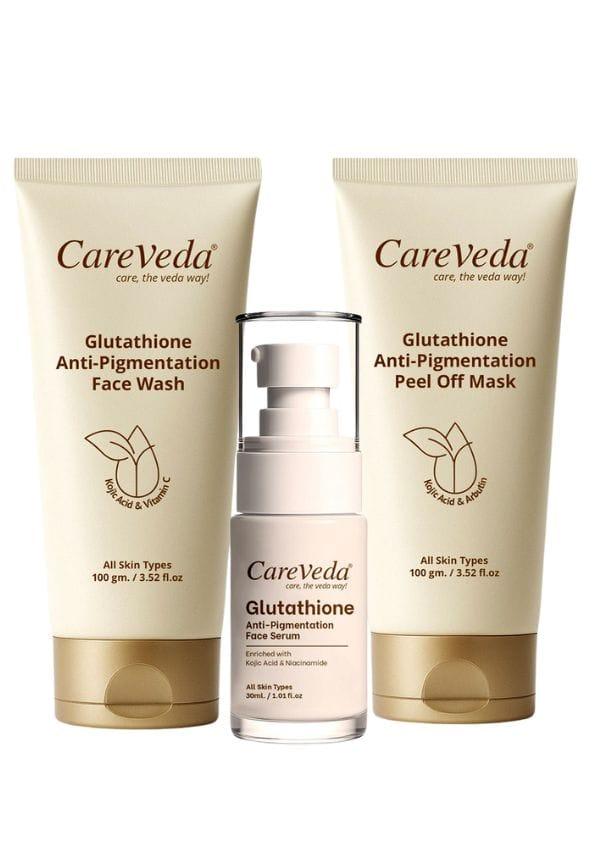 230gm
230gmFace Wash & Peel off Mask, Face Serum for Bright, Even-Toned Skin
Evening routines start with removing makeup and sunscreen. Double cleansing - using an oil-based cleanser followed by a water-based one - ensures you've removed everything from the day. This prevents clogged pores and allows your treatment products to work effectively.
Exfoliation methods come into play here, but not every night. Chemical exfoliants like AHAs and BHAs work gently to remove dead skin cells and unclog pores. Start with once or twice a week and build up gradually.
Evening serums can be more potent. This is when you might use retinol, peptides, or stronger acids. Your skin repairs itself overnight, making it the perfect time for these powerful ingredients to work their magic.
Night moisturisers are typically richer than day creams. They don't need to sit well under makeup or SPF, so they can focus purely on nourishment and repair.
The skincare order isn't arbitrary - it's based on how different formulations work and absorb into your skin. Getting this right can mean the difference between products that work beautifully together and ones that cancel each other out.
Molecular size plays a huge role. Smaller molecules, like those in serums, need to penetrate first. If you apply a thick cream before your serum, you're essentially creating a barrier that prevents the serum from reaching your skin.
Some ingredients work best at specific pH levels. Vitamin C, for example, is most effective in acidic conditions, whilst retinol prefers a more neutral environment. This is why many people use vitamin C in the morning and retinol at night - it's not just about sun sensitivity.
You don't need to wait ages between each step, but giving products a minute or two to absorb ensures they're not diluted by the next layer. If you're using active ingredients like acids or retinol, a slightly longer wait time helps prevent irritation.
Once you've mastered the basics, you might want to customise your routine for specific skin health goals. Different skin types and concerns benefit from tweaked approaches to the standard routine.
If you're dealing with breakouts, salicylic acid becomes your friend. This BHA penetrates into pores to clear out buildup and prevent new spots from forming. Use it in your evening routine, starting with a lower concentration to build tolerance.
 Combo
ComboTomato Clay Mask, Coffee Coconut Scrub & Vitamin C Face Serum for Glowing Skin
For those concerned with fine lines and loss of firmness, peptides and retinol are game-changers. Peptides can be used morning or evening, whilst retinol is strictly a nighttime ingredient. Always follow retinol with a good moisturiser to prevent dryness.
Sensitive skin needs a gentler approach. Look for fragrance-free formulas and introduce new products one at a time. Ingredients like ceramides and niacinamide are generally well-tolerated and help strengthen the skin barrier.
Even with the best intentions, it's easy to make mistakes that can sabotage your skincare goals. Over-cleansing is surprisingly common - using harsh cleansers or cleansing too frequently can damage your skin's protective barrier, leading to irritation and increased sensitivity.
Another frequent error is introducing too many new products at once. Your skin needs time to adjust to new ingredients, especially active ones. Add one new product at a time and give it at least two weeks before introducing another.
Mixing certain ingredients can reduce their effectiveness or cause irritation. For example, using vitamin C and retinol together can be too harsh for many people. Similarly, some acids don't play well together and can cause excessive irritation when combined.
Your skin's needs change with the weather. What works in humid summer months might leave your skin feeling tight and dry in winter. Don't be afraid to swap in richer moisturisers or add a hydrating serum when the temperature drops.
Starting your skincare journey doesn't require a complete overhaul overnight. Begin with a simple three-step routine: cleanse, moisturise, and protect with SPF during the day. This foundation gives your skin what it needs whilst you learn what works for you.
Once your skin is comfortable with the basics, you can gradually introduce targeted treatments. Maybe you want to address dark spots with vitamin C, or tackle fine lines with retinol. The key is patience - skincare results take time, usually 4-6 weeks for noticeable changes.
Effective skincare doesn't have to break the bank. Many affordable brands offer excellent formulations with proven ingredients. Focus on getting the basics right before investing in expensive treatments.
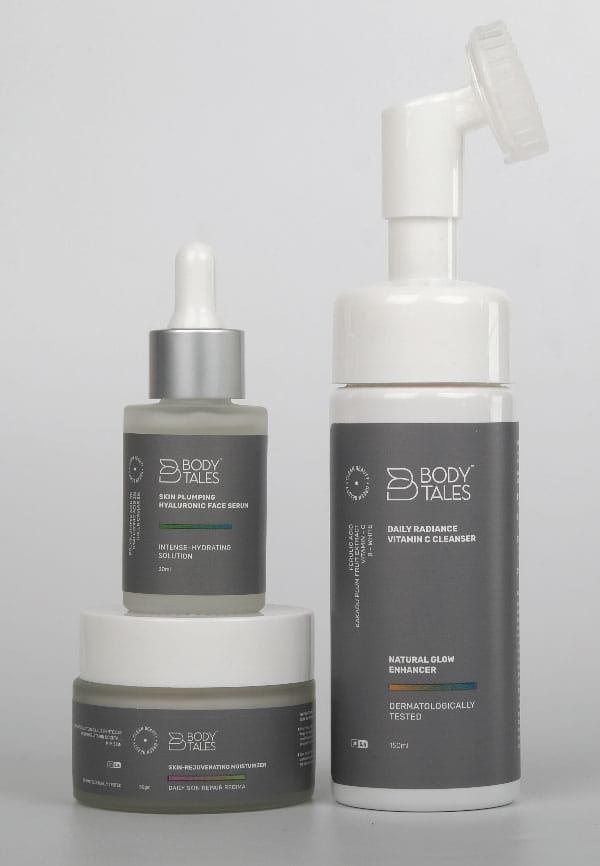 Combo
ComboVitamin C Pure Bright Serum, Daily Radiance Vitamin C Cleanser & Skin-Rejuvenating Moisturizer
The five essential steps are cleansing to remove dirt and makeup, toning to balance pH and prep skin, applying serum for targeted treatment, moisturising for hydration and barrier protection, and using SPF during the day for UV protection. These steps form the foundation of any effective routine.
Generally, 1-2 minutes between steps is sufficient for most products to absorb. However, if you're using active ingredients like acids or retinol, waiting 5-10 minutes can help prevent irritation and ensure proper absorption before applying the next layer.
Whilst cleansing, moisturising, and SPF (during the day) are non-negotiable, other steps can be adjusted based on your skin's needs. Toner isn't essential if your cleanser doesn't disrupt your skin's pH, and serums can be skipped if you're not targeting specific concerns.
Yes, they serve different purposes. Morning routines focus on protection with antioxidants and SPF, whilst evening routines emphasise repair with ingredients like retinol and peptides. Your skin also tolerates stronger treatments better at night when it's naturally regenerating.
Look for gradual improvements over 4-6 weeks: smoother texture, more even tone, reduced breakouts, or better hydration. Your skin should feel comfortable, not tight, irritated, or excessively oily. If you're experiencing persistent irritation, reassess your product choices and application frequency.
Apply products from thinnest to thickest consistency: cleanser, toner, serum, moisturiser, then SPF (morning only). This ensures each product can penetrate properly and work effectively without being blocked by heavier formulations.
Understanding skincare steps isn't about following rigid rules - it's about creating a routine that works for your unique skin and lifestyle. The most effective routine is one you'll actually stick to consistently. Start simple, be patient with results, and don't be afraid to adjust as your skin's needs change.
Remember, skincare is a journey, not a destination. What works for your friend might not work for you, and that's perfectly normal. Pay attention to how your skin responds and adjust accordingly. With over 28 million users discovering their perfect products, Smytten's curated selection makes it easier to explore different brands and formulations. If you're curious about trying new products but hesitant to commit to full sizes, exploring minis from trusted brands can be a smart way to test what works for your skin before making larger investments.
