Ultimate Tutorial: Acne Prone Skin Care Guide

 100 ml
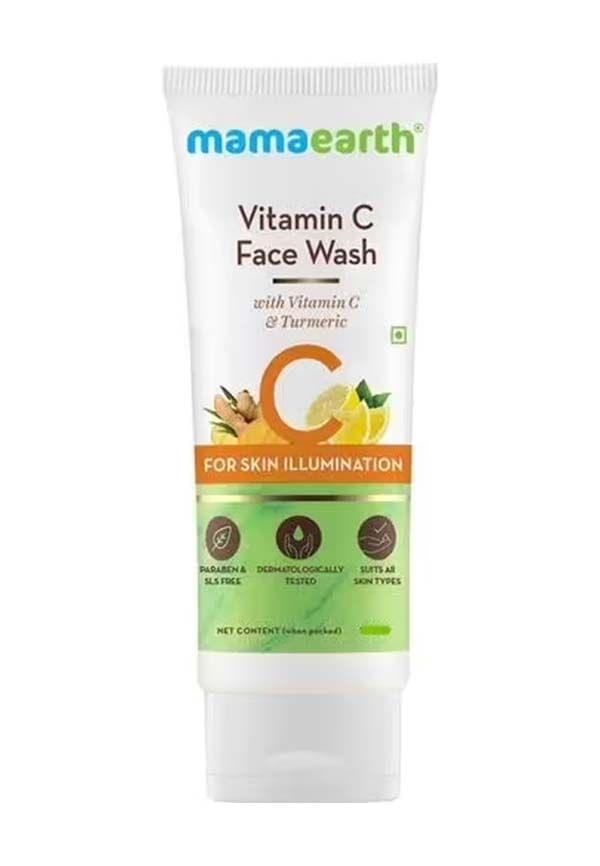
Vitamin C Face Wash
Dealing with acne-prone skin can feel like a never-ending battle, but here's the thing—it doesn't have to be. Whether you're dealing with occasional breakouts or persistent blemishes, the right acne prone skin tips can completely transform your skincare game. Real talk, there's no magic overnight solution, but with the proper routine, ingredients, and a bit of patience, clearer skin is absolutely achievable. Let's dive into everything you need to know about managing acne-prone skin, from understanding what's actually happening beneath the surface to building a routine that works for your specific needs.
Before jumping into any acne treatment, it's crucial to understand what makes your skin tick. Acne-prone skin produces excess sebum, has a tendency for clogged pores, and often shows signs of skin inflammation. Unlike normal skin, acne-prone skin has overactive sebaceous glands that pump out more oil than necessary.
Comedonal acne shows up as blackheads and whiteheads—those annoying little bumps that seem to appear overnight. Inflammatory acne includes papules, pustules, and those deeper, more painful cysts that take forever to heal. Knowing your acne type helps you choose the right approach for your skin care routine.
Hormonal fluctuations, especially during your cycle, can send your skin into overdrive. Genetics play a huge role too—if your parents dealt with acne, you might be more prone to it. Environmental factors like pollution, humidity, and even touching your face throughout the day can trigger breakouts.
A solid skin care routine for acne-prone skin isn't about using every trendy product you see on social media. It's about consistency and choosing the right ingredients that work together. Your routine should focus on gentle cleansing, targeted treatment, and proper hydration.
Start with a gentle cleanser containing salicylic acid for pore cleansing. Follow with a lightweight, non-comedogenic moisturiser that won't clog your pores. Never skip SPF—broad-spectrum protection is non-negotiable, even if you're staying indoors.
 100 ml
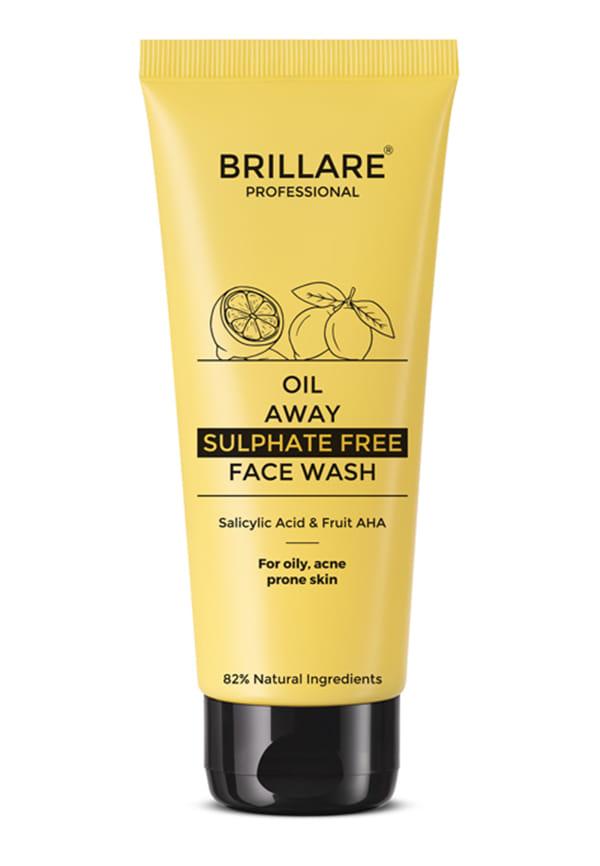
Facewash For Oily, Acne Prone Skin
Double cleansing is your best friend for removing makeup and daily grime. Apply your active ingredients like retinoids or BHA for blemish control. Finish with a hydrating night moisturiser to repair your skin barrier whilst you sleep.
When it comes to non-comedogenic products, ingredients matter more than fancy packaging. The right actives can transform your skin, but knowing how to use them properly is key to avoiding irritation and getting real results. Salicylic acid is brilliant for pore cleansing because it can penetrate oil and dissolve the gunk inside your pores. Benzoyl peroxide targets acne-causing bacteria, making it perfect for inflammatory breakouts. Niacinamide works wonders for redness reduction whilst controlling oil production without over-drying your skin.
Retinoids speed up cell turnover, preventing dead skin cells from clogging your pores. Start slowly—maybe twice a week—and gradually increase frequency as your skin builds tolerance.
Steer clear of heavy oils like coconut oil, alcohol-heavy toners that strip your skin, and overly fragranced products that can trigger inflammation.
Here's where many people go wrong—thinking that oily skin solutions mean stripping your skin completely. Your skin needs balance, not warfare. Over-cleansing actually triggers more oil production, creating a vicious cycle. For sensitive skin care combined with acne concerns, gentle is the way forward. Look for products with soothing ingredients like ceramides, hyaluronic acid, and centella asiatica. These help with redness reduction whilst maintaining your skin barrier.
 175 gm
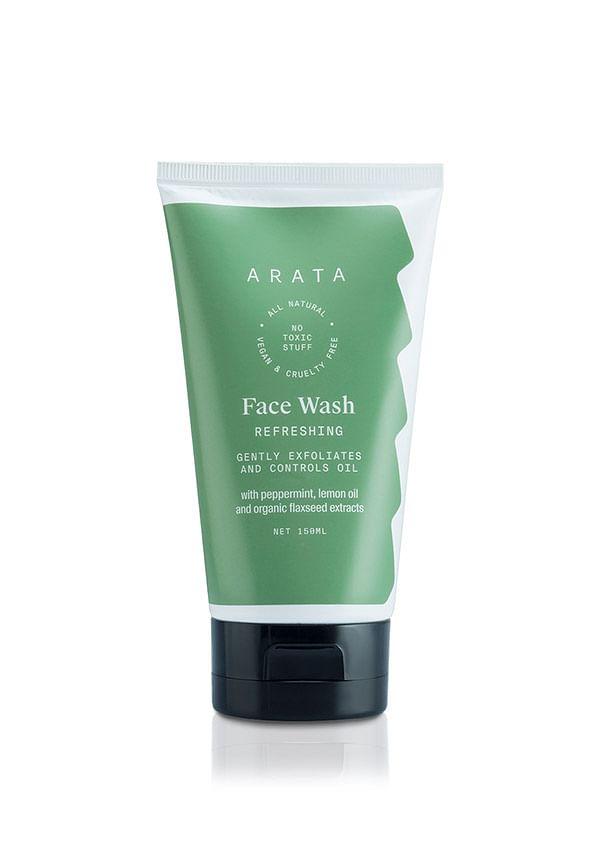
Face Wash
Apply products from thinnest to thickest consistency. Wait a few minutes between layers to let each product absorb properly. This prevents pilling and ensures maximum effectiveness.
Your skin's needs change with the weather. Summer might require lighter formulations and more frequent cleansing, whilst winter calls for extra hydration to combat dryness.
Your clear skin diet plays a bigger role than you might think. Whilst food doesn't directly cause acne, certain foods can trigger inflammation and worsen existing breakouts. High-glycemic foods like white bread and sugary snacks can spike insulin levels, potentially increasing oil production. Dairy products might be problematic for some people due to hormones present in milk. Anti-inflammatory foods like fatty fish, leafy greens, and berries can help reduce overall skin inflammation. Staying hydrated is crucial—aim for at least 8 glasses of water daily.
Sleep quality directly impacts your skin's ability to repair itself. Stress management through meditation, exercise, or whatever works for you can significantly reduce stress-related breakouts. Change your pillowcases regularly and clean your phone screen—these harbour bacteria that can transfer to your face.
Sometimes, despite your best efforts with at-home acne treatment, you need professional intervention. If you're dealing with painful cystic acne, scarring, or if over-the-counter products aren't making a dent after 12 weeks, it's time to see a dermatologist. Professional treatments like chemical peels, extractions, and laser therapy can address stubborn acne more effectively than home remedies. Prescription options include topical retinoids, antibiotics, or hormonal treatments for women. This is where platforms like Smytten become incredibly valuable. With over 1,500 trusted brands including Cetaphil and Dot & Key, you can try different acne treatment products through trial packs before committing to full sizes. Getting up to 8 minis for just ₹249 with 100% cashback makes experimenting with new products both affordable and risk-free.
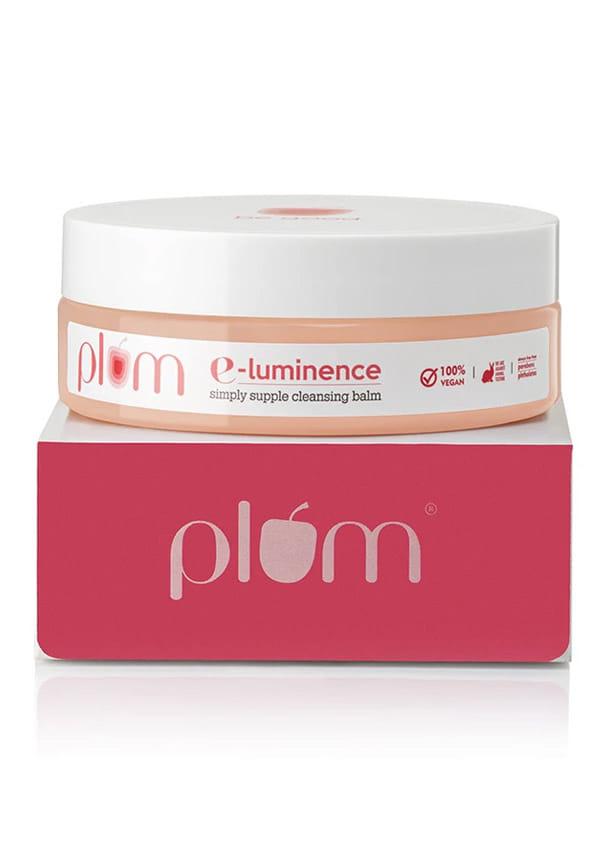 90 gm
90 gmE-Luminence Simply Supple Cleansing Balm
Most people start seeing improvements within 6-8 weeks of consistent use. However, significant changes often take 12-16 weeks, so patience is key.
A simple routine with gentle cleansing, targeted actives like salicylic acid or retinoids, lightweight moisturiser, and daily SPF works best for most people.
No, despite what social media claims, there's no way to cure acne in 3 days. Sustainable results require consistent care over weeks or months.
Twice daily is sufficient. Over-washing can irritate your skin and trigger more oil production.
Avoid heavy oils, alcohol-based toners, over-fragranced products, and anything that's not labelled non-comedogenic.
Many acne treatments aren't pregnancy-safe. Stick to gentle cleansers, azelaic acid, and topical erythromycin. Always consult your doctor first.
Managing acne-prone skin is definitely a journey, not a destination. The key is finding what works for your specific skin type and sticking with it consistently. Remember, what works for your friend might not work for you, and that's completely normal. With Smytten's trial platform, you can explore different products from trusted brands without the fear of wasting money on full-size products that might not suit your skin. After all, why settle for 'maybe' when you can try different options and find what truly works for your skin? The platform's 100% cashback on trial minis makes it easier to experiment and discover your perfect routine. Your clearest skin days are ahead—it just takes the right approach and a bit of patience.
