Tranexamic Acid vs Alpha Arbutin: Which is Better for Hyperpigmentation?


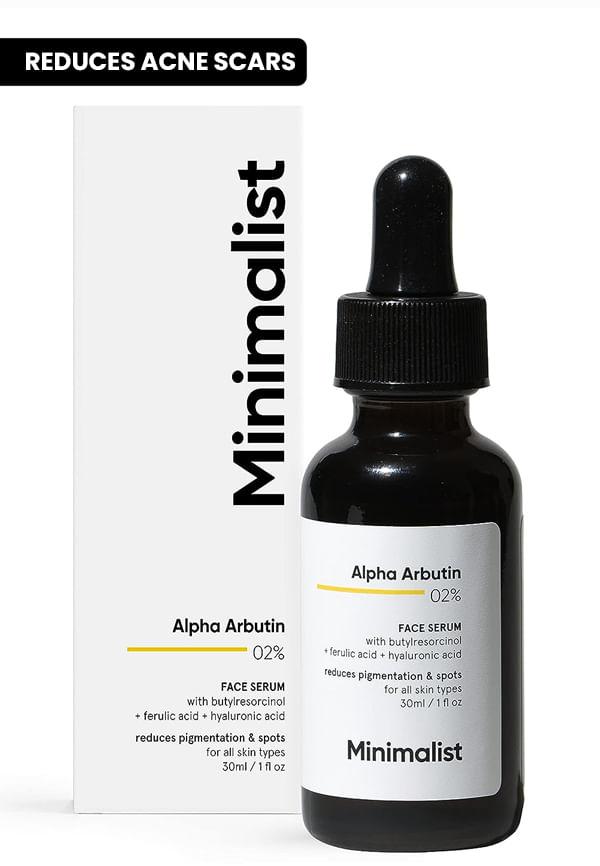 30 ml
30 ml2% Alpha Arbutin Face Serum For Hyperpigmentation
Let's be real—dealing with hyperpigmentation can feel like a never-ending battle. You've probably scrolled through countless skincare routines, watched endless TikToks about miracle ingredients, and still found yourself staring at those stubborn dark spots in the mirror. Two ingredients that keep popping up in your research are tranexamic acid and alpha arbutin. Both promise to tackle skin discoloration, but which one actually delivers? The truth is, understanding tranexamic acid vs alpha arbutin effectiveness isn't just about picking the trendier option—it's about finding what works for your specific skin concerns.
Before diving into the tranexamic acid vs alpha arbutin debate, let's talk about what you're actually fighting. Hyperpigmentation isn't just one thing—it's an umbrella term for various types of skin discoloration that require different approaches.
The main culprits include melasma (those symmetrical patches that love to appear during hormonal changes), post-inflammatory hyperpigmentation or PIH (the dark marks left behind after breakouts), and sun spots (thanks to years of UV exposure). Each type has different root causes, which is why your friend's holy grail dark spot corrector might not work for you.
Here's where most people go wrong: they treat all hyperpigmentation the same way. Hormonal pigmentation like melasma needs a different strategy than surface-level sun damage. That's why ingredient choice matters so much. Using the wrong active for your specific type of pigmentation is like trying to fix a leaky tap with a hammer—you might make some noise, but you won't solve the problem.
Now, let's get into the science without making your brain hurt. Both tranexamic acid and alpha arbutin are skin brightening ingredients, but they work in completely different ways—think of them as taking different routes to the same destination.
Tranexamic acid is like the strategic mastermind of hyperpigmentation treatment. Originally used to stop bleeding (yes, really!), it works by blocking the inflammatory pathways that trigger melanin production. It inhibits plasmin, an enzyme that plays a role in the inflammation-pigmentation cycle.
The tranexamic acid benefits are particularly impressive for stubborn, deep pigmentation. Clinical studies show it's especially effective for melasma treatment, with some research indicating visible improvements in as little as 4-8 weeks. It's particularly brilliant at tackling hormonal pigmentation that other ingredients struggle with.
Alpha arbutin takes a gentler approach. It works by inhibiting tyrosinase, the enzyme responsible for melanin production. Think of it as gradually turning down the volume on your skin's pigment production rather than hitting the stop button.
The alpha arbutin benefits include its incredible gentleness—it's suitable for sensitive skin and can be used daily without irritation. It's particularly effective for surface-level pigmentation and general skin brightening. While it works more slowly than tranexamic acid, it's incredibly safe and well-tolerated.
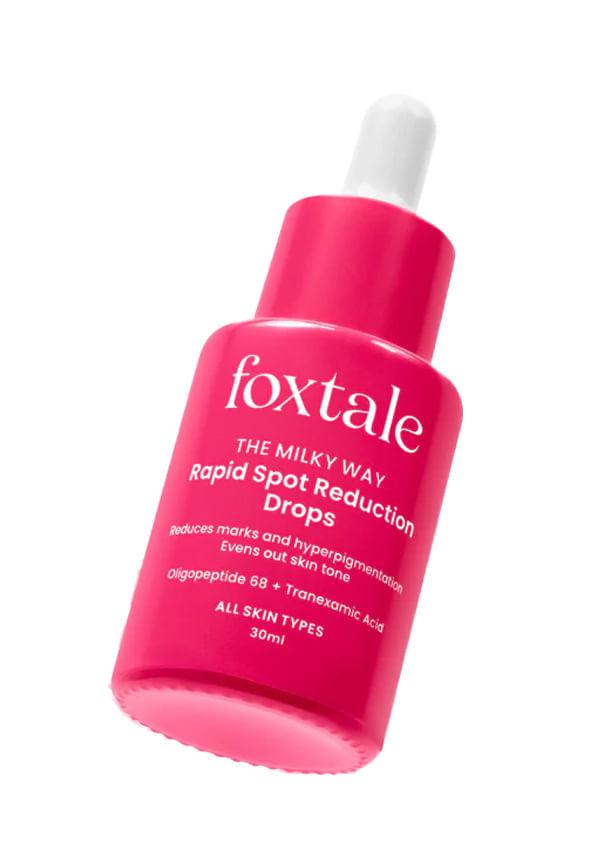 30 ml
30 ml3% Tranexamic Acid & Peptide Serum for Hyperpigmentation, Reduces Marks
Right, let's get to the good stuff—the actual comparison. When it comes to tranexamic acid vs alpha arbutin effectiveness, the winner depends entirely on what you're trying to achieve.
Speed of Results: Tranexamic acid typically shows results in 4-8 weeks, while alpha arbutin takes 8-12 weeks. If you're the impatient type (we get it), tranexamic acid might be your pick.
Pigmentation Type: Tranexamic acid excels at deep, hormonal pigmentation like melasma. Alpha arbutin is brilliant for surface-level sun damage and general skin brightening.
Irritation Risk: Alpha arbutin wins the gentleness game with very low irritation risk. Tranexamic acid is still relatively gentle but can cause mild irritation in some people.
Concentration Range: Tranexamic acid is typically used at 2-5% concentrations, while alpha arbutin is effective at 1-2%. Higher doesn't always mean better—it's about finding what works for your skin.
Clinical data shows that both ingredients are effective, but for different reasons. Tranexamic acid has shown up to 50% improvement in melasma severity in some studies, while alpha arbutin demonstrates consistent, gradual lightening of pigmentation over time.
Here's where we help you make the call. The choice between tranexamic acid and alpha arbutin isn't about which is objectively better—it's about which is better for you.
You're dealing with melasma or hormonal pigmentation that's been resistant to other treatments. If you've tried multiple dark spot correctors without success, tranexamic acid might be the game-changer you need.
You want faster results and can tolerate slightly stronger actives. If patience isn't your virtue and you're comfortable introducing new ingredients gradually, tranexamic acid could be worth a try.
You have sensitive skin or you're new to active ingredients. Alpha arbutin is like the friendly introduction to the world of skin brightening—effective but gentle.
Your pigmentation is recent, mild, or primarily from sun damage. For surface-level discoloration, alpha arbutin's gentle approach often delivers excellent results without the risk of irritation.
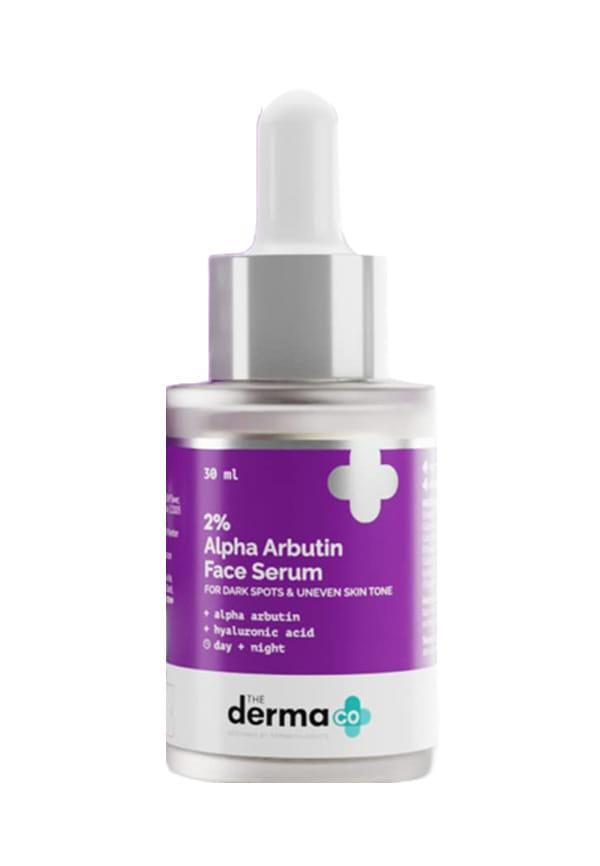 30 ml
30 ml2% Alpha Arbutin Face Serum
Plot twist: you don't always have to choose just one. Some people benefit from using both ingredients, either alternating them or using them at different times of day.
The key is introducing them slowly and monitoring your skin's response. Start with one ingredient, give it at least 6-8 weeks, then consider adding the other if needed. This approach can be particularly effective for stubborn pigmentation that hasn't responded to single-ingredient treatments.
Getting the application right is crucial for seeing results without irritation. Both tranexamic acid and alpha arbutin are generally well-tolerated, but there are still best practices to follow.
Start with lower concentrations and gradually build up. For tranexamic acid, begin with 2% formulations and increase if needed. With alpha arbutin, 1% is often sufficient for most people. Always patch test new ingredients—apply a small amount to your inner arm and wait 24-48 hours to check for reactions.
Timing matters too. Both ingredients can be used morning or evening, but if you're using them with other actives, evening application is often better. Always follow up with SPF during the day—hyperpigmentation treatment makes your skin more photosensitive.
Realistic expectations are key. Most people see initial improvements in 4-6 weeks, but significant changes often take 3-6 months. Consistency is more important than perfection—it's better to use your chosen ingredient regularly at a lower concentration than sporadically at a higher one.
Dermatologists generally favour both ingredients for different scenarios. Many recommend starting with alpha arbutin for mild pigmentation and moving to tranexamic acid for more stubborn cases.
The professional consensus is that both ingredients are safer alternatives to hydroquinone for long-term use. They're also more suitable for Indian skin tones, which can be prone to post-inflammatory hyperpigmentation from harsh treatments.
Red flags to watch for include persistent irritation, worsening pigmentation, or no improvement after 3 months of consistent use. If you experience any of these, it's time to reassess your approach or consult a dermatologist.
The beauty of skincare today is that you don't have to commit to full-size products without knowing if they'll work for you. Smytten is India's largest product discovery and trial platform, connecting consumers with top lifestyle, beauty, wellness, and grooming brands. At its core, Smytten offers curated trial packs—mini-sized products from over 1,500 trusted brands such as Cetaphil, Dot & Key, True Elements, Renee, Love, Beauty & Planet, and Bella Vita.
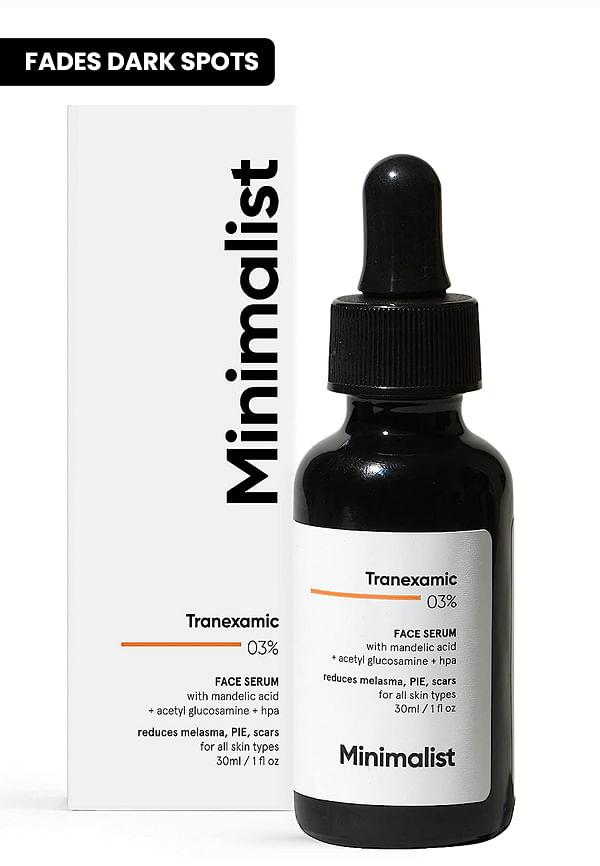 30 ml
30 ml3% Tranexamic Acid Face Serum
This approach is particularly valuable when choosing between tranexamic acid and alpha arbutin products. You can explore and experience different formulations before committing to full-size purchases. Each mini is linked with Trial Points, and users can get up to 8 minis for just ₹249. Plus, Smytten offers 100% cashback on the purchase of these minis, redeemable in the shop section for future orders, making product discovery both affordable and rewarding.
It depends on your specific type of hyperpigmentation. Alpha arbutin is better for mild, surface-level pigmentation and sensitive skin, while tranexamic acid is more effective for deep, hormonal pigmentation like melasma. For recent sun damage or gentle daily treatment, choose alpha arbutin. For stubborn, long-standing pigmentation, tranexamic acid might be more effective.
Yes, tranexamic acid typically shows results in 4-8 weeks compared to alpha arbutin's 8-12 week timeline. However, faster doesn't always mean better—alpha arbutin's gentler approach might be more suitable for sensitive skin or mild pigmentation. The speed also depends on the type and depth of your dark spots.
Yes, they can be used together safely. You can layer them in the same routine (alpha arbutin first, then tranexamic acid) or alternate them (one in the morning, one in the evening). Start with one ingredient first, then gradually introduce the second after 4-6 weeks to monitor your skin's tolerance.
Tranexamic acid is generally more effective for melasma treatment. Clinical studies show significant improvement in melasma severity with tranexamic acid, particularly for hormonal pigmentation. Alpha arbutin can help with melasma too, but tranexamic acid's anti-inflammatory properties make it more targeted for this specific condition.
Start with 2% tranexamic acid and 1% alpha arbutin. These concentrations are effective yet gentle enough for most skin types. You can gradually increase if needed, but many people see excellent results at these starting concentrations. Always patch test before applying to your entire face.
The tranexamic acid vs alpha arbutin effectiveness debate doesn't have a one-size-fits-all answer, and that's actually a good thing. Your skin is unique, and what works for your friend might not work for you. The key is understanding your specific pigmentation type and choosing the ingredient that targets it most effectively.
Remember, consistency trumps perfection every time. Whether you choose tranexamic acid for its faster results and effectiveness against stubborn pigmentation, or alpha arbutin for its gentleness and daily usability, stick with your choice for at least 3 months before making judgements.
With over 25 million users and 100 million trial minis delivered across 27,000+ pincodes, Smytten helps consumers make smarter, more confident choices. The platform's goal is to offer endless choices, ensuring that settling for less is never an option. After all, why settle for 'maybe' when you can Try It All and find exactly what your skin needs?
