Tranexamic Acid Skin FAQ: Your Complete Guide


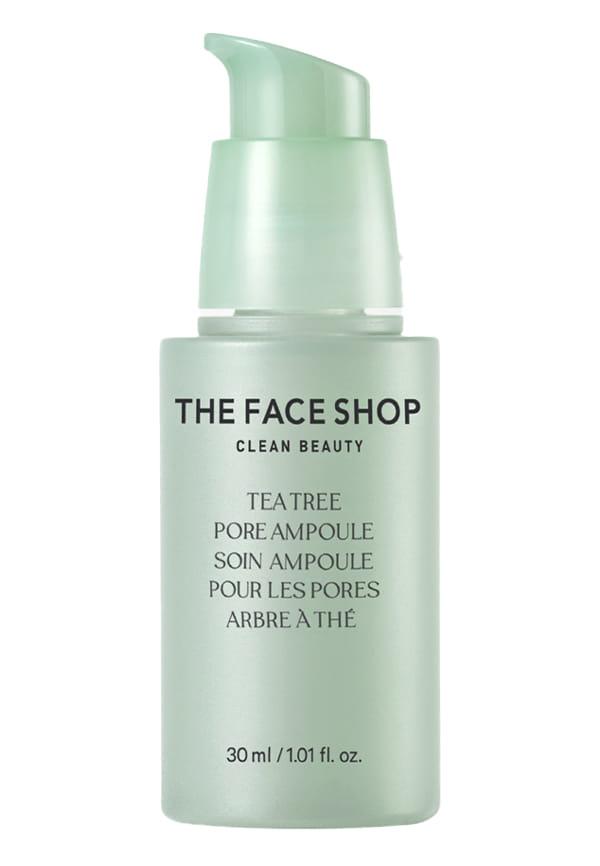
Tea Tree Pore Ampoule With AHA, Ip- BHA, PHA & Hyaluronic Acid,
You've been dealing with stubborn dark spots for months now, and every skincare ingredient you've tried seems to promise the world but deliver very little. Then someone mentions tranexamic acid, and suddenly you're wondering if this could be the answer you've been searching for. If you're curious about this increasingly popular ingredient but have questions about how it works, whether it's safe, and what results you can actually expect, you're in the right place.
Tranexamic acid is a synthetic amino acid derivative that was originally developed as a medication to prevent excessive bleeding. However, dermatologists discovered something fascinating: when applied topically, it has remarkable effects on hyperpigmentation and skin discolouration.
The magic happens at the cellular level. Tranexamic acid works by inhibiting the interaction between melanocytes (pigment-producing cells) and keratinocytes (skin cells). It blocks plasmin, an enzyme that triggers melanin production, effectively putting the brakes on excess pigmentation before it forms. Unlike some brightening ingredients that can be harsh, tranexamic acid also has anti-inflammatory properties, making it gentler on sensitive skin.
What sets tranexamic acid apart is its dual action. Whilst vitamin C primarily works as an antioxidant and niacinamide focuses on regulating oil production alongside brightening, tranexamic acid specifically targets the pathways that lead to melasma and hormonal pigmentation. Clinical studies show it's particularly effective for stubborn pigmentation that doesn't respond well to other treatments.
Real talk: tranexamic acid benefits extend far beyond basic brightening. This ingredient has been clinically proven to address some of the most challenging skin concerns that many of us face.
Tranexamic acid for melasma is where this ingredient truly shines. Those brown patches that appear during pregnancy or from hormonal changes can be incredibly stubborn. Studies show that tranexamic acid can reduce melasma severity by up to 40% when used consistently over 12 weeks.
If you're dealing with dark spots from old breakouts or sun damage, tranexamic acid can help fade these marks more effectively than many traditional brighteners. It's particularly good at preventing new pigmentation from forming whilst working on existing spots.
Here's something many people don't know: tranexamic acid for rosacea can be incredibly helpful. Its anti-inflammatory properties help reduce the redness and irritation associated with rosacea, making it a gentle option for sensitive skin types.
When you're comparing tranexamic acid for hyperpigmentation with other popular treatments, it's worth understanding the key differences. Hydroquinone, often considered the gold standard, can be effective but may cause irritation and rebound pigmentation. Tranexamic acid offers similar results with fewer side effects.
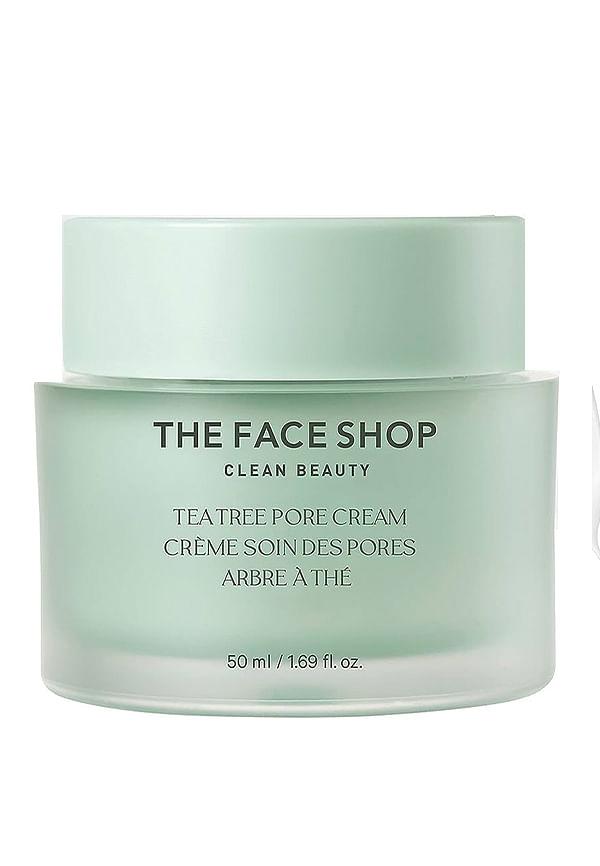
Tea Tree Pore Cream With AHA, Ip- BHA, PHA & Hyaluronic Acid
Compared to niacinamide, tranexamic acid is more targeted for pigmentation concerns, whilst niacinamide offers broader benefits for oil control and pore appearance. Many dermatologists now recommend using both ingredients together for comprehensive skin improvement.
The gentleness factor cannot be overstated. If you have sensitive skin or have experienced irritation from other brightening ingredients, tranexamic acid might be your answer. It's also pregnancy-safe when used topically, unlike some other pigmentation treatments.
Getting the most from your tranexamic acid serum requires understanding proper application and timing. The key is starting slowly and building up tolerance.
Look for serums containing 2-5% tranexamic acid. Higher concentrations aren't necessarily better and may increase the risk of irritation. Many effective formulations combine tranexamic acid with complementary ingredients like niacinamide or vitamin C.
Apply your tranexamic acid serum to clean, dry skin before heavier products like moisturisers. Start with 2-3 times per week and gradually increase to daily use as your skin adapts. Always follow with SPF during the day, as consistency with sun protection is crucial for preventing new pigmentation.
Tranexamic acid plays well with most skincare ingredients. You can safely use it with niacinamide, hyaluronic acid, and peptides. If you're using retinol or AHAs, consider alternating nights to prevent over-exfoliation.
Whilst tranexamic acid side effects are generally minimal, it's important to understand what to watch for. Most people tolerate it well, but some may experience mild irritation when first starting.
The most common side effects include slight redness or dryness during the initial adjustment period. These typically resolve within a week or two as your skin adapts. Unlike some other brightening ingredients, tranexamic acid doesn't typically cause photosensitivity, though sun protection remains essential.
If you have a history of blood clotting disorders or are taking blood-thinning medications, consult your doctor before using tranexamic acid products. Whilst topical application is generally considered safe, it's always better to err on the side of caution.
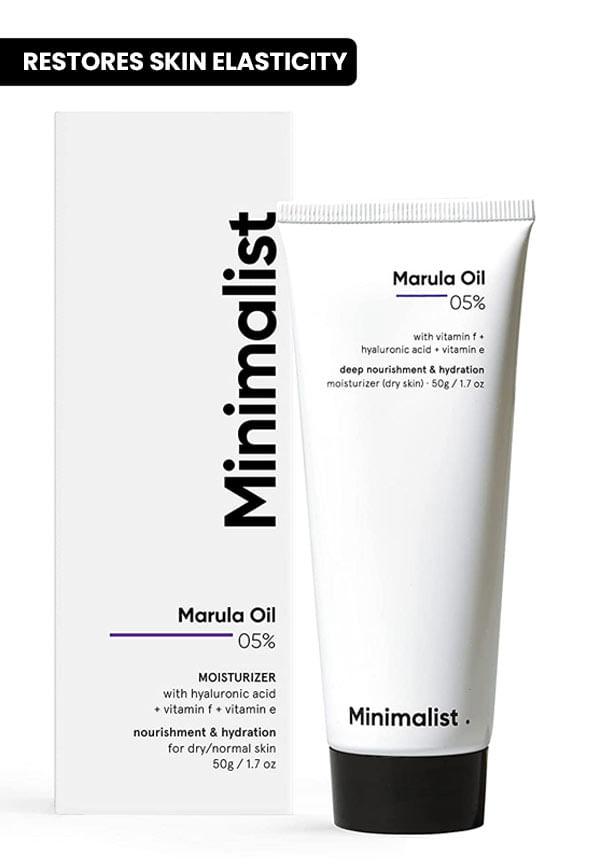
Marula Oil 5% Face Moisturizer For Dry Skin With Hyaluronic Acid
Understanding realistic tranexamic acid before and after expectations is crucial for staying motivated during your skincare journey. Unlike some ingredients that promise overnight results, tranexamic acid works gradually but effectively.
Weeks 1-2: Your skin may look slightly brighter, but major changes aren't visible yet. This is normal - your skin is adapting to the ingredient.
Weeks 3-4: You might notice that new breakouts aren't leaving as dark marks as before. Existing dark spots may appear slightly lighter.
Weeks 6-8: This is when most people see significant improvement. Hyperpigmentation becomes noticeably lighter, and overall skin tone appears more even.
Weeks 12+: Maximum benefits are typically seen around the 12-week mark, with continued improvement possible with consistent use.
Your results timeline can vary based on several factors: the severity of your pigmentation, your skin type, the concentration of tranexamic acid you're using, and how consistently you apply sun protection. Those with lighter pigmentation often see results faster than those dealing with deeper, more established dark spots.
Tranexamic acid doesn't permanently lighten your natural skin tone. Instead, it helps fade excess pigmentation and dark spots, revealing your skin's natural, even colour. The results can be long-lasting with consistent use and proper sun protection, but stopping treatment may allow pigmentation to gradually return.
Most people begin seeing subtle improvements around 3-4 weeks, with significant results typically visible by 6-8 weeks. For stubborn pigmentation like melasma, it may take 12 weeks or longer to see maximum benefits. Patience is key with this ingredient.
Yes, tranexamic acid can be safely combined with both retinol and vitamin C. However, if you're new to these ingredients, introduce them gradually. You might use vitamin C in the morning and tranexamic acid in the evening, or alternate nights with retinol.
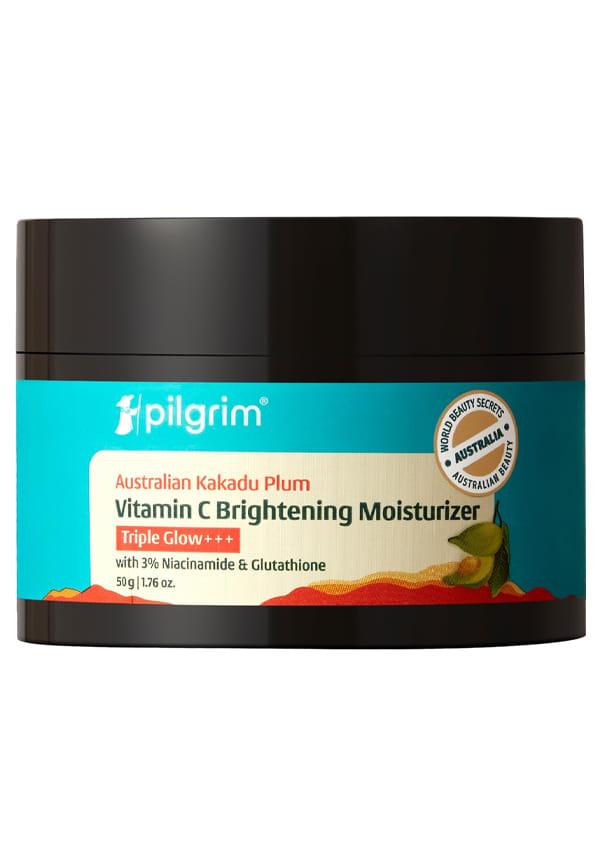
Australian Kakadu Plum Vitamin C Brightening Moisturizer
Tranexamic acid is generally well-tolerated by sensitive skin types due to its anti-inflammatory properties. It's often gentler than other brightening ingredients like hydroquinone or high-concentration vitamin C. Start with a lower frequency of use and patch test first.
Unlike AHAs or retinoids, tranexamic acid doesn't increase cell turnover, so it shouldn't cause purging. If you experience increased breakouts when starting tranexamic acid, it's likely due to a reaction to the formula rather than purging.
Tranexamic acid can be used long-term as a maintenance ingredient. Many dermatologists recommend using it consistently for at least 3-6 months to see full benefits, then continuing as needed to maintain results and prevent new pigmentation from forming.
Getting the best results from your tranexamic acid skincare routine requires more than just applying the serum. Here are some expert-backed strategies to enhance your results.
Layer your tranexamic acid serum under a good moisturiser to prevent dryness and enhance absorption. Consider using a niacinamide serum in the morning and tranexamic acid in the evening for comprehensive pigmentation control.
Never skip SPF - this cannot be emphasised enough. Even the best pigmentation treatment won't work if you're not protecting your skin from UV damage that triggers new dark spots.
Gentle exfoliation with AHAs once or twice weekly can help tranexamic acid penetrate better and speed up the fading of surface pigmentation. Vitamin C in the morning provides antioxidant protection whilst tranexamic acid works on existing pigmentation.
Take photos in consistent lighting every few weeks to track your progress. Sometimes changes are so gradual that you might not notice them day-to-day, but photos can reveal significant improvement over time.
Tranexamic acid represents a gentler, more targeted approach to addressing stubborn pigmentation concerns. Whether you're dealing with melasma, post-acne marks, or general skin discolouration, this ingredient offers proven results without the harsh side effects associated with some traditional treatments.
The key to success lies in patience, consistency, and realistic expectations. Your skin will notice the difference, but it takes time. Remember that skincare is a journey, not a destination, and finding the right products for your unique skin concerns is worth the investment.
If you're curious about trying tranexamic acid but want to test it before committing to a full-size product, platforms like Smytten offer an excellent way to explore different formulations from trusted brands. With over 28 million users discovering their perfect skincare matches, you can try minis from various brands before investing in full-size products that work for your skin.
