Tranexamic Acid Serum vs Cream: Which is Best for Hyperpigmentation?


 30 ml
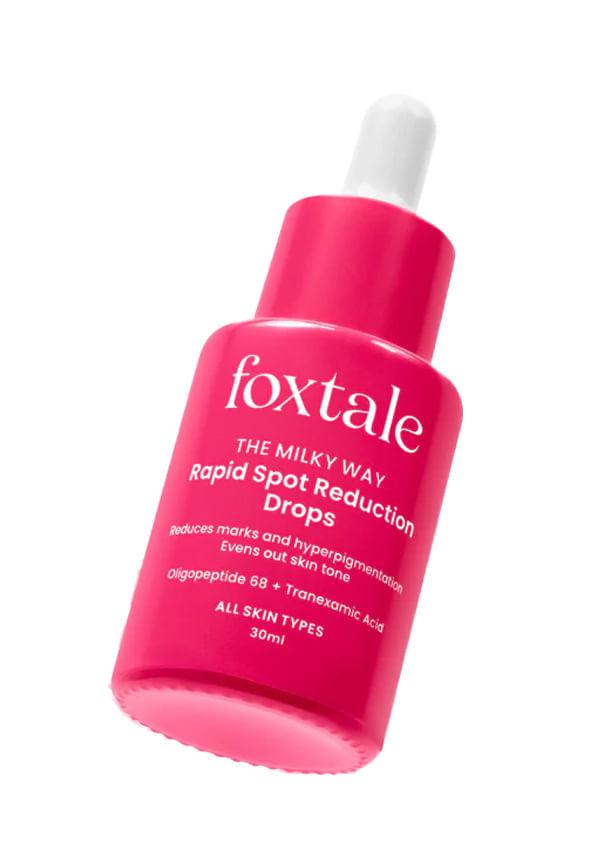
30 ml3% Tranexamic Acid & Peptide Serum for Hyperpigmentation, Reduces Marks
Dealing with stubborn dark spots, melasma, or post-acne marks? You've probably come across tranexamic acid as a promising solution. But here's where it gets tricky—should you go for a serum or cream? Both formats promise to tackle hyperpigmentation, but they work quite differently on your skin. Let's break down the tranexamic acid serum vs cream formats debate so you can make the right choice for your skin concerns.
Think of tranexamic acid as your skin's personal bouncer—it stops melanin from getting too comfortable in places it shouldn't be. Originally used to control bleeding in medical settings, this ingredient has found its way into skincare for good reason. The tranexamic acid benefits for your skin are pretty impressive when you understand how it works.
Unlike harsh bleaching agents, tranexamic acid for skin works by blocking the communication between melanocytes (pigment-producing cells) and keratinocytes (surface skin cells). It's like cutting off the phone line that tells your skin to keep making dark spots. This makes it particularly effective for treating melasma, post-inflammatory hyperpigmentation, and those annoying dark spots that just won't budge.
What makes topical tranexamic acid special is its gentle approach. Studies show it can reduce pigmentation by up to 50% over 12 weeks without the irritation that comes with stronger alternatives. Plus, it plays well with other ingredients, making it a solid addition to most skincare routines.
Here's where things get interesting—the format you choose can make or break your results. Both serums and creams deliver tranexamic acid, but they do it in completely different ways.
A tranexamic acid serum is like the sports car of skincare—sleek, fast, and gets straight to the point. These lightweight formulas typically pack higher concentrations (usually 2-5%) and absorb quickly into your skin.
Faster penetration means quicker results
Perfect for layering under moisturisers and SPF
Works brilliantly as a targeted skin brightening serum
Ideal for oily or combination skin types
Less likely to clog pores
A tranexamic acid cream is more like a luxury sedan—comfortable, reliable, and gives you a smooth ride. These richer formulas combine treatment with hydration, making them perfect for certain skin types and concerns.
Extended contact time allows for gradual absorption
Built-in moisturising benefits
Better for dry or sensitive skin
Often includes complementary ingredients like niacinamide or ceramides
Less likely to cause dryness or irritation
 30 gm
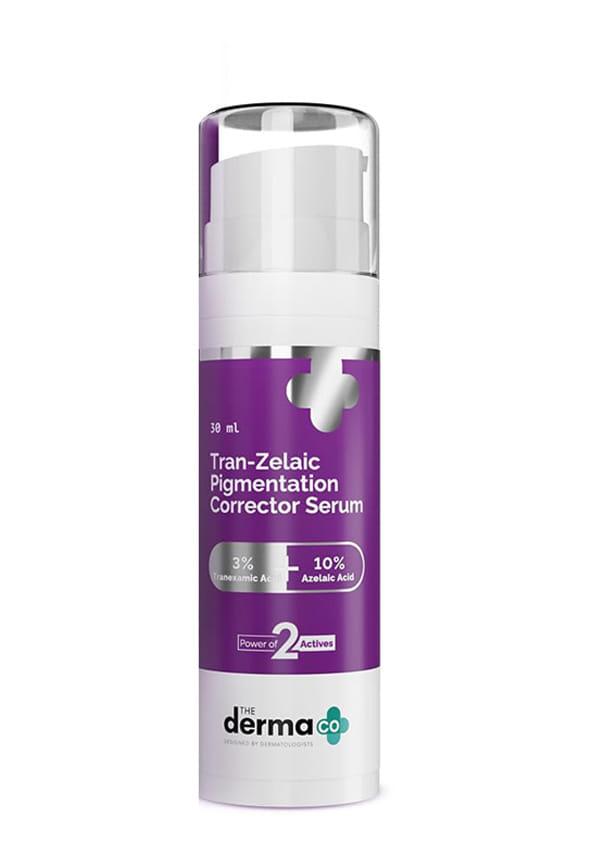
30 gmTran-Zelaic Pigmentation Corrector Serum with Tranexamic Acid & Azelaic Acid
When it comes to concentration, more isn't always better. Most effective formulations contain 2-5% tranexamic acid, which is the sweet spot for results without irritation. Some products boast 10% concentrations, but these should be approached with caution, especially if you have sensitive skin.
Your skin concern should drive your format choice. Let's get specific about what works best for different issues.
For stubborn melasma, serums often take the lead. Clinical studies suggest that the higher concentration and better penetration of serums make them more effective for this particular concern. The lightweight formula allows for better layering with other melasma treatment ingredients like vitamin C or niacinamide.
Your skin type plays a huge role in determining which format will work best for you.
Oily/Combination Skin: Serums are your best bet—they won't add extra oil or heaviness
Dry/Mature Skin: Creams provide the hydration your skin craves while treating pigmentation
Sensitive Skin: Start with a cream format for gentler delivery
Normal Skin: You can go either way based on your routine preferences
For post-acne marks, serums typically work better because they're less likely to clog pores. The lighter texture makes them perfect for acne-prone skin that's dealing with both active breakouts and leftover dark spots. Think of it as a dark spot corrector that won't interfere with your acne treatments.
Getting the application right is crucial for seeing results. Both formats have their own rules for maximum effectiveness.
Whether you choose serum or cream, consistency is key. Most people see the best results with evening application, though some formulas are gentle enough for twice-daily use.
 30 ml
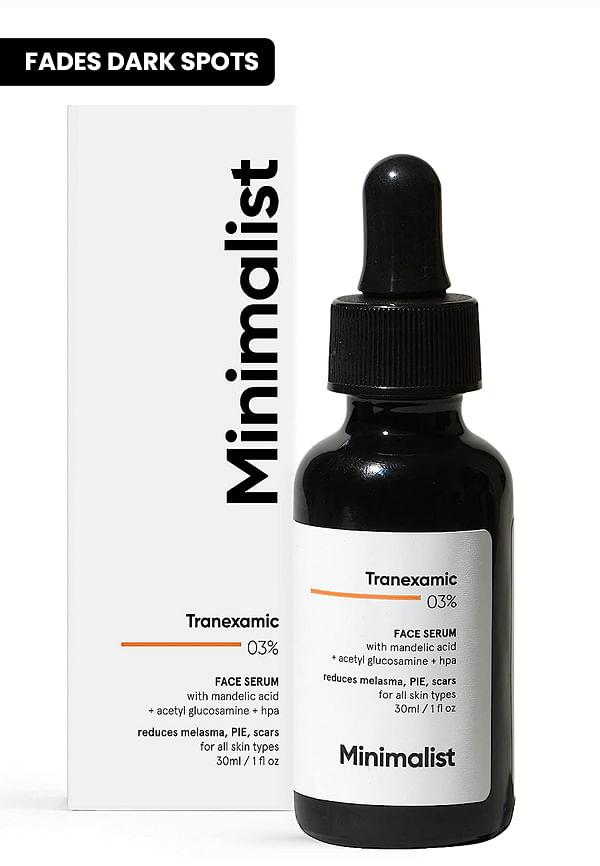
30 ml3% Tranexamic Acid Face Serum
Apply to clean, dry skin
Use gentle patting motions rather than rubbing
Allow 10-15 minutes before applying the next product
Always follow with SPF during the day
The beauty of tranexamic acid skincare is how well it plays with others. You can safely combine it with niacinamide, hyaluronic acid, and even vitamin C (though not necessarily at the same time). However, be cautious with strong actives like retinoids or AHAs—introduce them slowly to avoid irritation.
Real talk—tranexamic acid isn't an overnight miracle. Most people start seeing improvements around 4-6 weeks, with significant results becoming visible after 8-12 weeks of consistent use. Think of it as a marathon, not a sprint.
Dermatologists generally favour serums for targeted treatment of specific pigmentation issues, while recommending creams for those who want an all-in-one approach. The key is matching the format to your skin's needs and your lifestyle.
When shopping for tranexamic acid products, look beyond just the concentration. Check for complementary ingredients like niacinamide or kojic acid that can boost the hyperpigmentation treatment effects. Also, consider the packaging—dark or opaque containers protect the ingredient from light degradation.
Start simple. If you're new to tranexamic acid, begin with a lower concentration and use it every other night. Once your skin adjusts, you can increase frequency. Remember, this ingredient works best as part of a comprehensive routine that includes gentle cleansing, moisturising, and daily SPF.
This is where platforms like Smytten become incredibly valuable. With over 1,500 trusted brands offering trial-sized products, you can test different tranexamic acid formulations without committing to full-size purchases. Whether you want to try a serum from Dot & Key or a cream from another trusted brand, getting trial packs for just ₹249 lets you discover what works best for your skin. Plus, with 100% cashback on these trials, you're essentially exploring different formats risk-free.
 50 gm
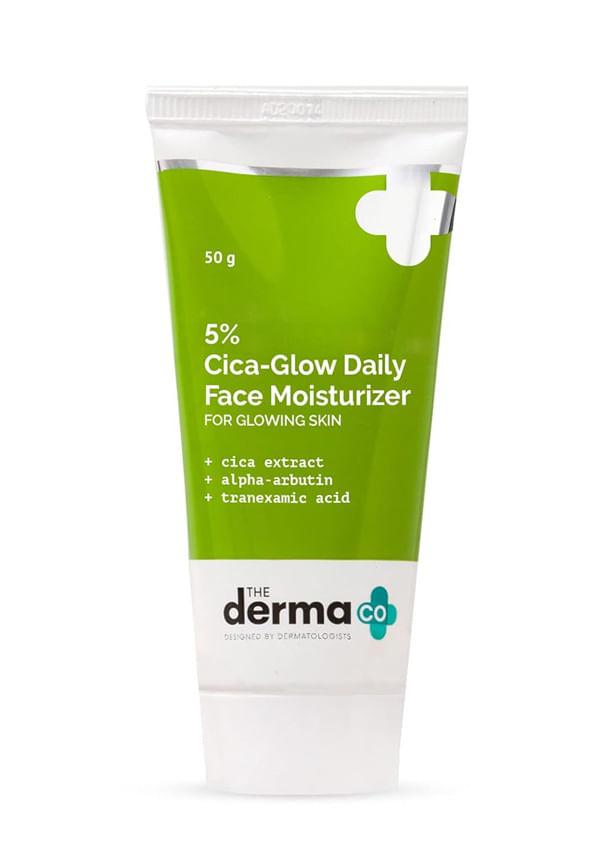
50 gm5% Cica-Glow Daily Face Moisturizer with Alpha Arbutin & Tranexamic Acid
Yes, tranexamic acid serums are particularly effective for melasma due to their higher concentration and better penetration. Clinical studies show significant improvement in melasma patches with consistent use over 8-12 weeks.
The optimal concentration is typically 2-5% for most skin types. This range provides effective results while minimising the risk of irritation. Beginners should start with 2-3% formulations.
While 10% formulations exist, they're quite strong and may cause irritation, especially for sensitive skin. It's better to start with lower concentrations and increase gradually if needed.
Generally, it's not necessary to use both formats simultaneously as this may lead to over-application. Choose one format based on your skin type and concerns, or alternate between them if your skin tolerates it well.
Most people notice initial improvements around 4-6 weeks, with significant results visible after 8-12 weeks of consistent use. Patience is key with this ingredient.
Evening application is generally recommended, though some gentle formulations can be used twice daily. Always follow with SPF during the day as tranexamic acid can increase photosensitivity.
Choosing between tranexamic acid serum and cream really comes down to your skin type, concerns, and personal preferences. Serums work brilliantly for targeted treatment and faster results, while creams offer a gentler, more hydrating approach. Neither format is inherently better—they're just different tools for the same job.
The real key to success with tranexamic acid is consistency and patience. Whether you choose a lightweight serum or a nourishing cream, stick with it for at least 8-12 weeks to see meaningful results. And remember, the best skincare routine is one you'll actually follow.
If you're still unsure which format might work best for your skin, consider trying both through trial sizes. With Smytten's extensive collection of skincare minis from trusted brands, you can experiment with different tranexamic acid formulations without the commitment of full-size purchases. After all, why settle for guessing when you can try it all and find what truly works for your unique skin needs?
