Tranexamic Acid for Combination Skin: Your Questions Answered


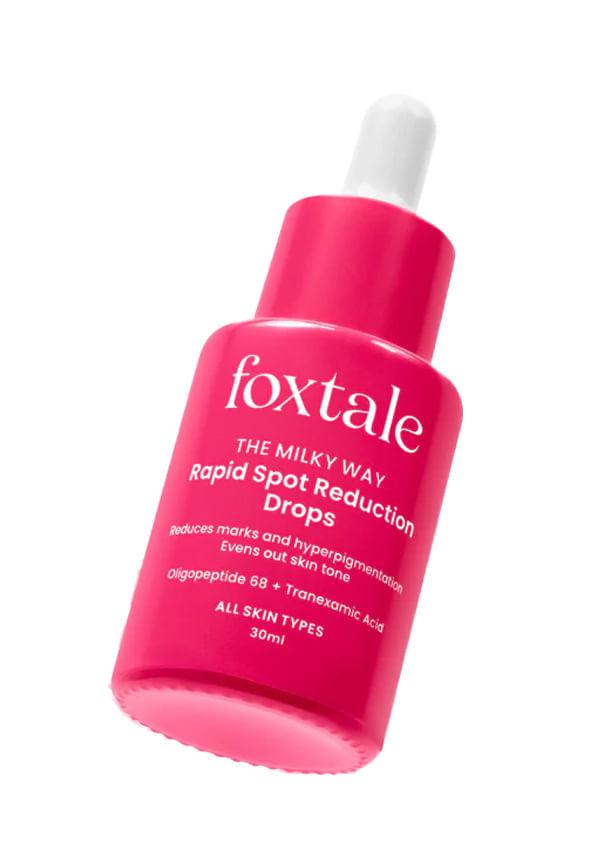 30 ml
30 ml3% Tranexamic Acid & Peptide Serum for Hyperpigmentation, Reduces Marks
Combination skin can feel like you're constantly playing a balancing act—oily T-zone, dry cheeks, and everything in between. When hyperpigmentation enters the chat, things get even trickier. Enter tranexamic acid for combination skin—your new skincare bestie that tackles dark spots without throwing your skin's delicate balance out of whack. This powerhouse ingredient is making waves in the skincare world, and for good reason. Let's dive into everything you need to know about this gentle yet effective brightening hero.
Tranexamic acid is a synthetic amino acid that was originally used in medicine to prevent excessive bleeding. But here's where it gets interesting—scientists discovered its incredible tranexamic acid benefits for skin brightening. Unlike harsh bleaching agents, this ingredient works by blocking the pathways that lead to melanin production, making it a gentler approach to tackling hyperpigmentation.
What makes tranexamic acid skin treatments so brilliant for combination skin is their anti-inflammatory properties. Your oily T-zone tends to be more prone to breakouts and subsequent dark spots, whilst your drier areas might struggle with uneven tone from environmental damage. Tranexamic acid addresses both concerns without over-drying or irritating either zone.
The science behind tranexamic acid uses is pretty fascinating. It inhibits plasmin, an enzyme that triggers inflammation and melanin production. This dual action means you're not just lightening existing dark spots—you're also preventing new ones from forming. Clinical studies show that tranexamic acid can reduce hyperpigmentation by up to 63% over 12 weeks, making it a proper game-changer for uneven skin tone.
Real talk—combination skin comes with its own set of challenges, and hyperpigmentation just adds another layer of complexity. The good news? Tranexamic acid skincare is uniquely suited to handle these mixed signals your skin sends out.
Tranexamic acid hyperpigmentation treatment works differently from traditional brightening ingredients like hydroquinone or kojic acid. Instead of aggressively stripping away pigment, it gently interrupts the melanin production process. This means your dry cheek areas won't become even more parched, whilst your oily zones get the brightening they need without excessive irritation.
The melanin suppression mechanism is quite clever—tranexamic acid blocks the interaction between melanocytes and keratinocytes, essentially stopping dark spots before they fully develop. This makes it particularly effective for preventing post-inflammatory hyperpigmentation, which is common in combination skin prone to breakouts.
If you've ever dealt with breakouts in your T-zone, you know the struggle of dark marks that linger long after the spot has healed. Tranexamic acid's anti-inflammatory properties make it brilliant for reducing post-inflammatory hyperpigmentation (PIH). It calms active breakouts whilst simultaneously working to prevent the dark marks that often follow.
The beauty of this approach is that you're tackling multiple concerns with one ingredient. Your combination skin gets the anti-inflammatory benefits for active breakouts, plus the brightening effects for existing dark spots. It's like having your cake and eating it too.
Tranexamic acid melasma treatment has shown remarkable results in clinical studies. Melasma, those stubborn patches of hyperpigmentation often triggered by hormonal changes, can be particularly challenging to treat. Tranexamic acid offers a gentler alternative to more aggressive treatments, making it suitable for the delicate balance of combination skin.
Research indicates that tranexamic acid can be as effective as hydroquinone for treating melasma, but with fewer side effects. This is particularly important for combination skin, which can react unpredictably to harsh treatments.
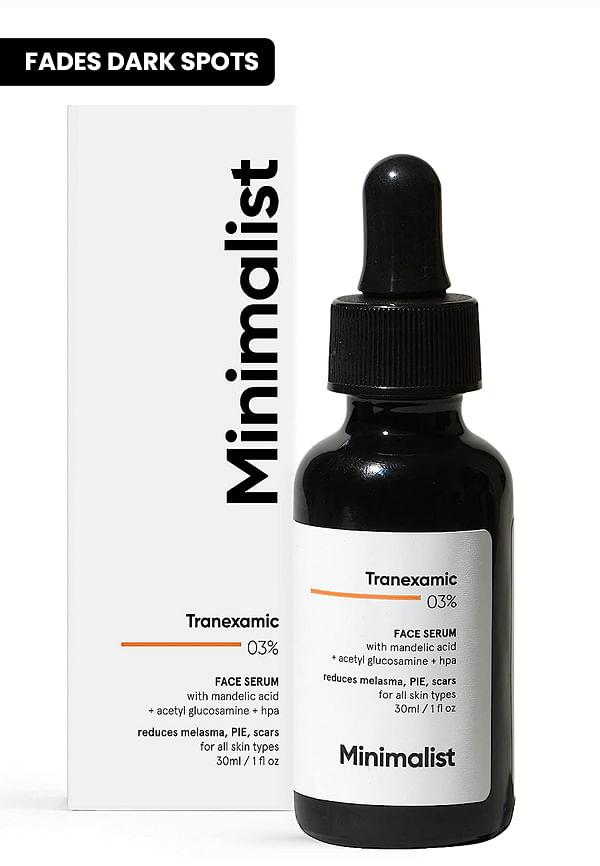 30 ml
30 ml3% Tranexamic Acid Face Serum
Getting your application technique right is crucial for maximising the benefits of tranexamic acid serum on combination skin. The key is understanding how to layer it properly and what concentration works best for your skin's unique needs.
Start with a clean face and apply your skin brightening serum containing tranexamic acid after cleansing but before heavier moisturisers. For beginners, a 2-3% concentration is ideal—it's effective enough to see results but gentle enough to avoid irritation. Apply 2-3 drops to your entire face, focusing on areas with hyperpigmentation.
Morning application is generally preferred as tranexamic acid can work synergistically with vitamin C and sunscreen. However, if you're using other active ingredients in the morning, evening application works just as well. The key is consistency—daily use will yield better results than sporadic application.
When incorporating tranexamic acid into your combination skin treatment routine, think about ingredient compatibility. It plays well with niacinamide, hyaluronic acid, and vitamin C. However, be cautious when combining with strong acids like glycolic or salicylic acid initially—your combination skin might need time to adjust.
A typical routine might look like: cleanser, tranexamic acid serum, niacinamide (if using), moisturiser, and sunscreen. Start by using the serum every other day for the first week, then gradually increase to daily use as your skin builds tolerance.
Choosing the right tranexamic acid serum for combination skin requires understanding what formulation features work best for your skin type. Not all serums are created equal, and combination skin has specific needs that should influence your choice.
Look for lightweight, non-comedogenic formulations that won't clog your pores or feel heavy on your oily T-zone. Water-based serums tend to work better than oil-based ones for combination skin. The ideal concentration for beginners is 2-3%, whilst experienced users can handle 3-5% concentrations.
Texture matters more than you might think. A serum that absorbs quickly without leaving a sticky residue will work better under makeup and won't interfere with your other skincare products. Some formulations include additional beneficial ingredients like niacinamide or hyaluronic acid, which can provide extra benefits for combination skin.
When shopping for tranexamic acid products, prioritise brands that provide clear concentration information and have undergone clinical testing. Look for formulations that are specifically designed for combination skin or are labelled as suitable for all skin types.
Price points can vary significantly, but remember that a higher price doesn't always mean better results. Focus on the concentration, additional ingredients, and brand reputation. Reading reviews from people with similar skin types can also provide valuable insights.
Managing expectations is crucial when starting any new skincare ingredient, especially for combination skin that can be unpredictable. Tranexamic acid benefits don't appear overnight, but the wait is worth it when you see the gradual improvement in your skin's tone and texture.
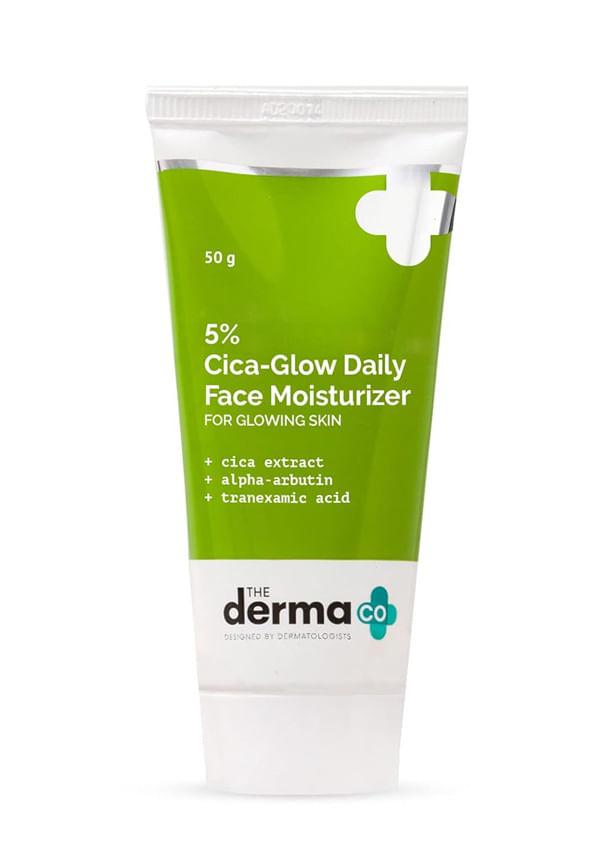 50 gm
50 gm5% Cica-Glow Daily Face Moisturizer with Alpha Arbutin & Tranexamic Acid
During the first two weeks, you might notice reduced inflammation and redness, particularly in areas prone to breakouts. Your skin might look calmer overall, even if you don't see dramatic brightening yet. This is the tranexamic acid's anti-inflammatory properties getting to work.
By weeks 4-6, you should start seeing lighter dark spots and a more even skin tone. The oily areas of your combination skin might show improvement first, as they tend to have faster cell turnover. Dry areas might take a bit longer to show visible changes.
The most dramatic results typically appear around the 12-week mark, with studies showing up to 63% reduction in hyperpigmentation. This timeline can vary based on the severity of your hyperpigmentation, consistency of use, and your skin's individual response.
Taking progress photos in consistent lighting can help you track improvements that might be subtle day-to-day. Many people underestimate their progress because the changes are gradual. Factors like sun exposure, hormonal fluctuations, and other skincare products can influence your results.
If you're not seeing results after 8-10 weeks of consistent use, consider adjusting your concentration or frequency. Sometimes combination skin needs a slightly different approach for different zones.
Whilst tranexamic acid is generally well-tolerated, especially compared to other brightening ingredients, there are some important safety considerations to keep in mind. Understanding these helps ensure you get the benefits without any unwanted surprises.
People with blood clotting disorders should consult their doctor before using tranexamic acid topically, even though systemic absorption from skincare products is minimal. Pregnant and nursing mothers should also exercise caution and seek medical advice before incorporating it into their routine.
If you're taking blood-thinning medications, it's worth discussing with your healthcare provider, though topical application is generally considered safe. Age isn't typically a limiting factor, but younger users (under 16) should use it under guidance.
The most common side effects are mild irritation, redness, or dryness, particularly when first starting. Combination skin might experience these effects differently in oily versus dry zones. Starting with a lower concentration and gradually increasing can help minimise these issues.
Unlike some brightening ingredients, tranexamic acid doesn't typically cause rebound hyperpigmentation when discontinued. However, increased sun sensitivity can occur, making daily SPF 30+ sunscreen absolutely essential. This is particularly important for combination skin, which might already be dealing with uneven pigmentation.
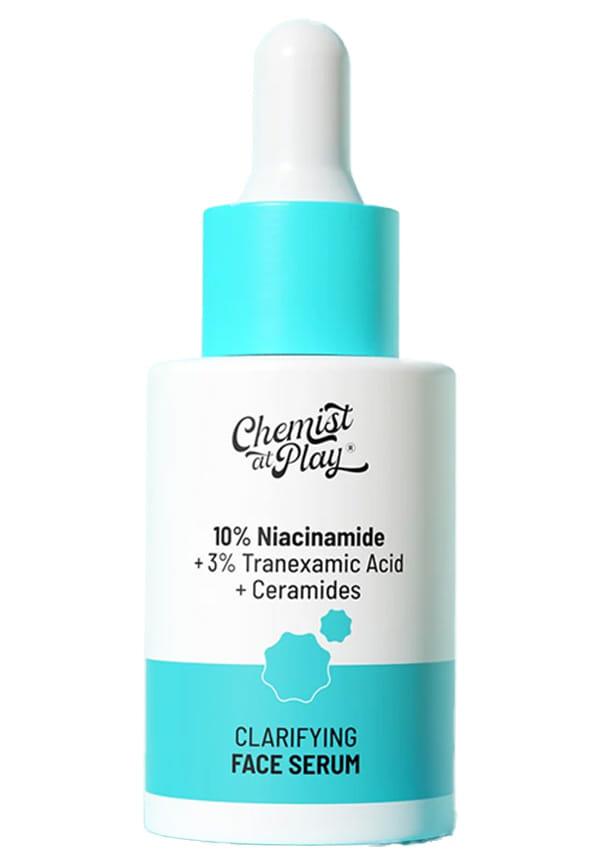 30 ml
30 mlClarifying Serum, 10% Niacinamide, 3% Tranexamic Acid, For Clear & Spotless Skin
Absolutely! Tranexamic acid's anti-inflammatory properties actually help with acne-related redness and prevent post-inflammatory hyperpigmentation without clogging pores. It's particularly beneficial for combination skin prone to breakouts in the T-zone.
You'll likely notice reduced inflammation within 2 weeks, with significant brightening visible after 4-6 weeks of consistent use. Optimal results typically appear after 12 weeks, though combination skin might show improvements in oily areas before dry areas.
When used correctly with proper sun protection, tranexamic acid does not cause rebound hyperpigmentation. It's actually considered safer than hydroquinone in this regard, making it a brilliant choice for long-term use on combination skin.
Start with 2-3% concentration to allow your skin to build tolerance. You can gradually increase to 5% as your combination skin adapts. Higher concentrations aren't always better—consistency matters more than strength.
Yes, but introduce them separately and use tranexamic acid in the morning and retinol at night to prevent irritation. Combination skin can be sensitive to multiple actives, so gradual introduction is key.
Absolutely essential! Tranexamic acid can increase photosensitivity, making SPF 30+ daily protection mandatory. This is particularly important for combination skin, which might already have uneven pigmentation from sun damage.
Whilst tranexamic acid's anti-inflammatory properties can help calm redness associated with rosacea, it's not a primary treatment. If you have rosacea alongside combination skin, consult a dermatologist before adding new actives to your routine.
Both are excellent for brightening, but tranexamic acid is generally gentler and less likely to cause irritation. They can actually be used together—tranexamic acid for targeted hyperpigmentation and vitamin C for overall antioxidant protection.
Navigating combination skin and hyperpigmentation doesn't have to feel like an uphill battle. Tranexamic acid for combination skin offers a gentle yet effective solution that respects your skin's unique needs whilst delivering real results. The key is patience, consistency, and finding the right formulation for your skin type.
Remember, skincare is deeply personal, and what works for others might need tweaking for your combination skin. Start slowly, listen to your skin, and don't forget that daily sunscreen—it's non-negotiable when you're working on brightening.
If you're curious about trying tranexamic acid but hesitant to commit to a full-size product, platforms like Smytten make it easier to explore new ingredients without the commitment. With curated trial packs from trusted skincare brands, you can test how your combination skin responds to tranexamic acid before investing in a full routine. After all, why settle for 'maybe' when you can try it all and find what truly works for your unique skin needs?
