Tranexamic Acid FAQ: Your Guide to Brighter Skin


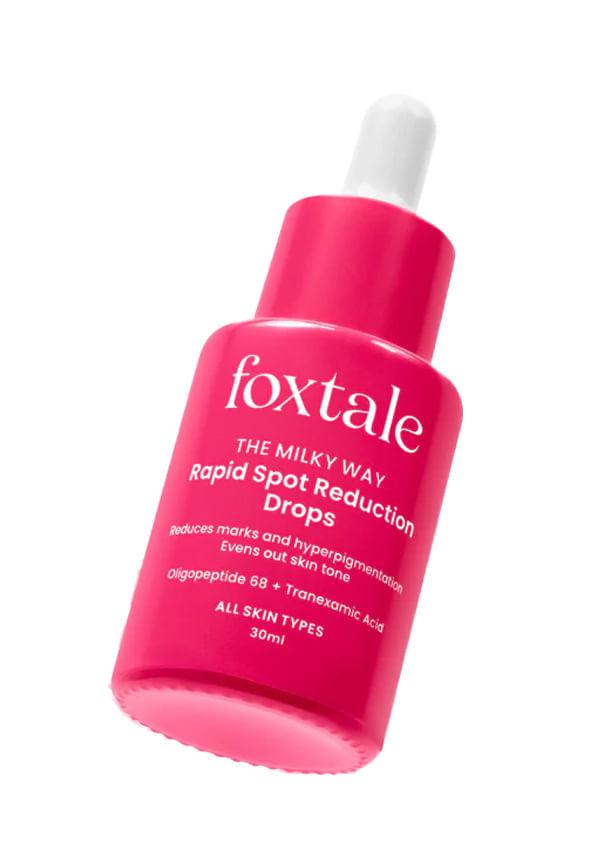 30 ml
30 ml3% Tranexamic Acid & Peptide Serum for Hyperpigmentation, Reduces Marks
Ever heard of tranexamic acid and wondered if it's worth the hype? This powerhouse ingredient has been making waves in skincare circles, and for good reason. Originally developed as a medical treatment to control bleeding, dermatologists discovered its incredible ability to tackle stubborn skin concerns like hyperpigmentation, melasma, and rosacea. Unlike its oral medication counterpart, topical tranexamic acid offers targeted skin benefits without systemic effects. Whether you're dealing with dark spots, uneven skin tone, or persistent redness, this ingredient might just become your new skincare obsession. Let's dive into everything you need to know about tranexamic acid and how it can transform your skin.
Think of tranexamic acid as your skin's personal bodyguard against discolouration and inflammation. This synthetic amino acid derivative has quite the journey—from hospital operating rooms to your skincare shelf. Understanding its dual nature helps explain why it's become such a game-changer in dermatology.
Tranexamic acid first made its mark in medicine as an anti-fibrinolytic agent, essentially helping blood clot properly during surgeries and heavy bleeding episodes. Dermatologists noticed something interesting when patients taking oral tranexamic acid for medical conditions experienced improvements in their melasma and hyperpigmentation. This observation led to extensive research into its topical applications, revealing that when applied directly to skin, it could target pigmentation issues without affecting the body's clotting mechanisms.
The magic happens at the cellular level through multiple pathways. Tranexamic acid interrupts the communication between skin cells and melanocytes (pigment-producing cells), essentially telling them to slow down melanin production. It also reduces inflammation by blocking certain inflammatory mediators and helps minimise the formation of new blood vessels that contribute to redness and rosacea symptoms.
Real talk—tranexamic acid benefits extend far beyond basic brightening. This ingredient tackles multiple skin concerns simultaneously, making it a versatile addition to any skincare routine. Let's break down exactly what it can do for your skin.
Tranexamic acid hyperpigmentation treatment works by inhibiting the tyrosinase enzyme, which is crucial for melanin synthesis. Clinical studies show significant improvement in dark spots within 8-12 weeks of consistent use. The best part? It works on both existing pigmentation and helps prevent new spots from forming, making it particularly effective for those prone to post-inflammatory hyperpigmentation.
Tranexamic acid melasma treatment has shown remarkable results, often outperforming traditional treatments like hydroquinone in terms of tolerability. Melasma, those stubborn brown patches often triggered by hormones or sun exposure, responds particularly well because tranexamic acid addresses both the pigmentation and underlying inflammation. Many dermatologists now consider it a first-line treatment for melasma, especially during pregnancy when other options are off-limits.
Tranexamic acid rosacea benefits stem from its anti-inflammatory and anti-angiogenic properties. It helps reduce the persistent redness and visible blood vessels characteristic of rosacea by calming inflammation and preventing new capillary formation. Users often notice reduced flushing and a more even skin tone within 4-6 weeks of regular use.
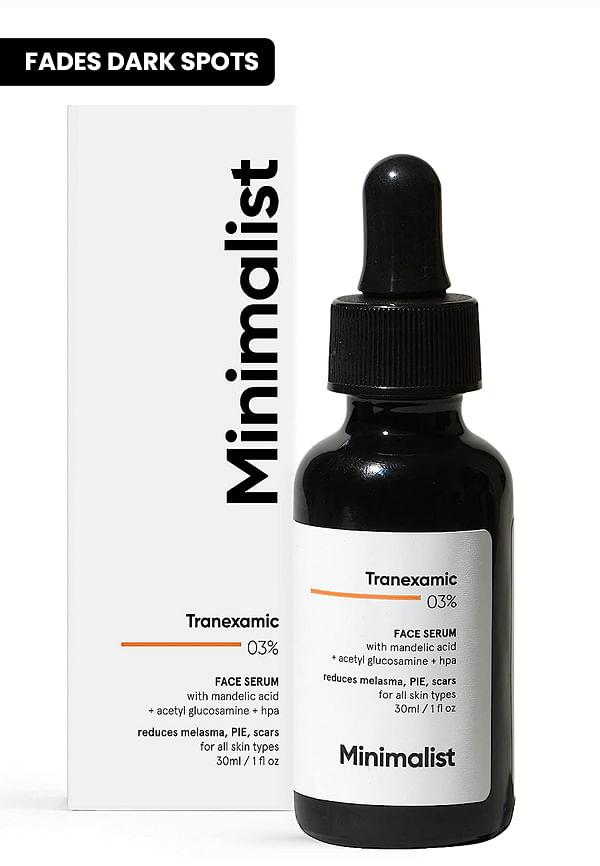 30 ml
30 ml3% Tranexamic Acid Face Serum
If you're dealing with tranexamic acid dark spots left behind by acne or other skin injuries, this ingredient excels at fading these marks. It works particularly well when combined with gentle exfoliants or retinoids, helping accelerate cell turnover whilst preventing new pigmentation from forming.
Choosing the right tranexamic acid serum or formulation can make all the difference in your results. Different textures and concentrations serve different skin types and concerns, so let's explore your options.
Serums typically contain 2-5% tranexamic acid and offer the most concentrated delivery. They're perfect for targeted treatment of specific areas or when you want maximum potency. Apply to clean skin before moisturiser, and always follow with SPF during the day since active ingredients can increase photosensitivity.
Creams and lotions with tranexamic acid often combine it with moisturising ingredients, making them ideal for dry or sensitive skin types. These formulations typically have lower concentrations (1-3%) but offer better tolerance for daily use. Some brands also offer combination products that pair tranexamic acid with complementary ingredients like niacinamide or vitamin C.
Getting the most from tranexamic acid usage requires strategic application and patience. Like most active ingredients, consistency trumps intensity when it comes to seeing real results.
Start with evening application 2-3 times per week, gradually increasing to daily use as your skin builds tolerance. Apply to clean, dry skin before heavier moisturisers but after lighter serums like hyaluronic acid. A pea-sized amount typically covers the entire face, though you can spot-treat specific areas if preferred.
Tranexamic acid plays well with most skincare ingredients. It pairs beautifully with vitamin C for enhanced brightening effects, niacinamide for additional anti-inflammatory benefits, and retinoids for accelerated cell turnover. However, avoid mixing it directly with strong acids like glycolic or salicylic acid in the same application to prevent irritation.
Patience is key with tranexamic acid. Initial improvements in skin texture and minor brightening may appear within 4-6 weeks, but significant changes in hyperpigmentation typically take 12-16 weeks of consistent use. For melasma and deeper pigmentation, some users see continued improvement for up to 6 months.
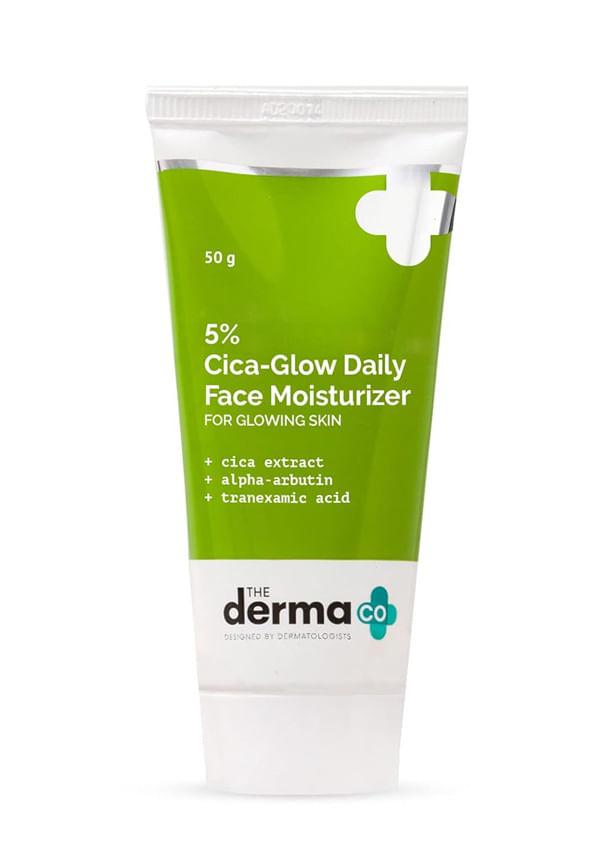 50 gm
50 gm5% Cica-Glow Daily Face Moisturizer with Alpha Arbutin & Tranexamic Acid
Understanding tranexamic acid side effects helps you use this ingredient safely and effectively. The good news? Topical tranexamic acid has an excellent safety profile with minimal adverse reactions reported.
Unlike oral tranexamic acid, which can affect blood clotting, topical applications don't enter systemic circulation in meaningful amounts. The most common reactions include mild irritation, redness, or dryness during the initial adjustment period. These effects typically subside within 1-2 weeks as skin acclimates to the ingredient.
Whilst topical tranexamic acid is generally safe, those with known allergies to the ingredient should avoid it. Pregnant and breastfeeding individuals should consult healthcare providers before use, though topical application is considered lower risk than oral forms. People with extremely sensitive skin should patch test before full application.
Topical tranexamic acid doesn't typically interact with medications since it doesn't achieve systemic levels. However, if you're taking oral anticoagulants or have bleeding disorders, discuss with your healthcare provider before adding any new active ingredients to your routine.
With so many tranexamic acid skincare options available, finding your perfect match requires knowing what to look for. Quality formulations make all the difference in both efficacy and tolerability.
Effective tranexamic acid products often include complementary ingredients like niacinamide for additional anti-inflammatory benefits, kojic acid for enhanced brightening, or ceramides for barrier support. Avoid products with high concentrations of fragrances or essential oils that might counteract the anti-inflammatory benefits.
Look for products in opaque or dark packaging to protect the ingredient from light degradation. Third-party testing and clear concentration listings indicate quality formulations. Price doesn't always correlate with effectiveness—some affordable options perform just as well as luxury alternatives.
When trying new tranexamic acid skin products, start slowly and monitor your skin's response. Platforms like Smytten make this exploration risk-free by offering trial-sized versions of products from trusted brands. This way, you can test how your skin responds to different formulations before committing to full-size purchases.
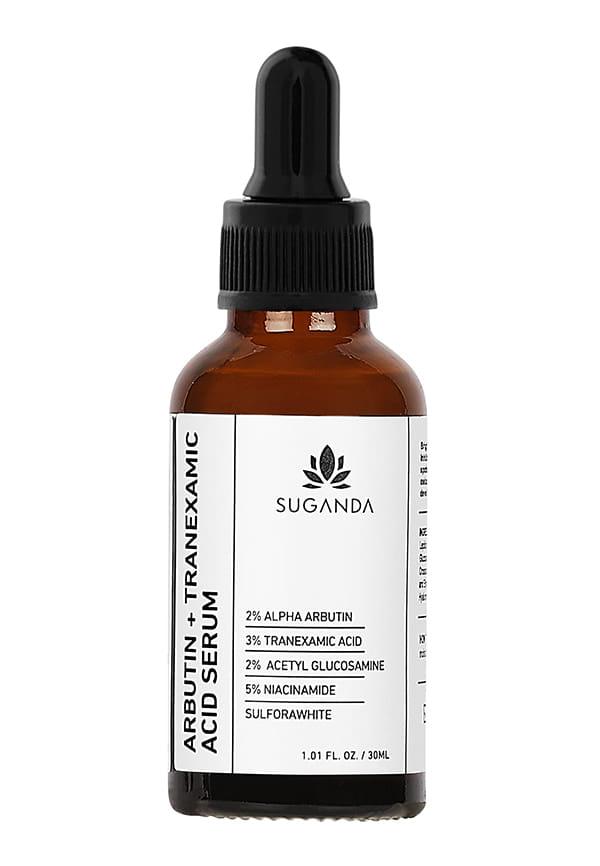 30 ml
30 mlArbutin + Tranexamic Acid Serum
Most people notice initial improvements within 4-6 weeks, with significant dark spot reduction occurring between 12-16 weeks of consistent daily use. Deeper pigmentation may take up to 6 months to show substantial improvement.
Both ingredients excel at different aspects of pigmentation control. Tranexamic acid specifically targets melanin production and inflammation, whilst vitamin C provides antioxidant protection and general brightening. Many dermatologists recommend using them together for comprehensive pigmentation management.
Yes, once your skin has adjusted to the ingredient. Start with 2-3 times per week and gradually increase to daily use. Most people can tolerate daily application without issues, but listen to your skin and reduce frequency if irritation occurs.
Either works, but many prefer evening application to avoid any potential photosensitivity. If using in the morning, always follow with broad-spectrum SPF. Some people use it twice daily for faster results, applying a lower concentration in the morning and higher at night.
Whilst topical tranexamic acid has minimal systemic absorption, pregnant individuals should consult their healthcare provider before use. Many dermatologists consider it safer than alternatives like hydroquinone during pregnancy, but professional guidance is always recommended.
Clinical studies show effectiveness with concentrations between 2-5%. Beginners should start with 2-3% formulations, whilst experienced users might benefit from 5% concentrations. Higher isn't always better—consistency matters more than concentration.
Mild irritation is possible during the initial adjustment period, typically manifesting as slight redness or dryness. This usually resolves within 1-2 weeks. Severe irritation is rare but indicates you should discontinue use and consult a dermatologist.
Yes, these ingredients complement each other well. However, introduce them gradually—start with tranexamic acid until your skin adjusts, then add retinol on alternate nights. Once tolerance is established, some people use both in the same routine without issues.
Tranexamic acid represents a significant breakthrough in addressing stubborn pigmentation and inflammatory skin concerns. Its gentle yet effective approach makes it suitable for most skin types, offering hope for those who've struggled with melasma, hyperpigmentation, or persistent redness. The key to success lies in consistent use, proper application, and realistic expectations about timelines.
Remember, skincare is deeply personal, and what works brilliantly for others might need adjustment for your unique skin. That's where Smytten's approach to product discovery becomes invaluable. With trial-sized options from trusted brands, you can explore different tranexamic acid formulations without the commitment of full-size purchases. This trial-and-discover method helps you find your perfect match whilst building confidence in your skincare choices. After all, why settle for uncertainty when you can try it all and find what truly works for your skin?
