Sunscreen White Cast on Indian Skin: Your FAQ Answered


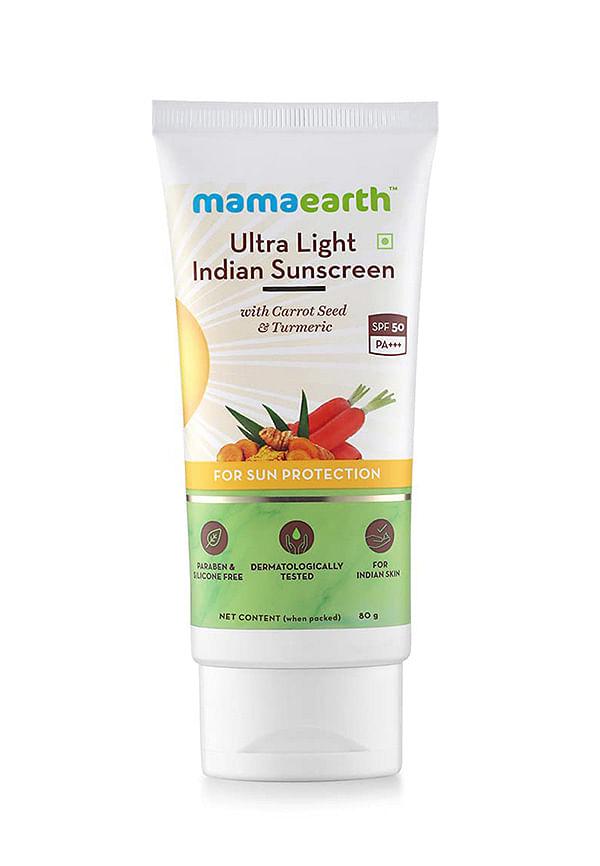
Ultra Light indian Sunscreen
You've just applied your SPF, looked in the mirror, and there it is – that telltale ashy, greyish tint that makes your beautiful brown skin look dull and chalky. If you're nodding along, you're definitely not alone. White cast is one of the most common sunscreen struggles for Indian skin tones, and it's exactly why so many of us end up skipping SPF altogether. But here's the thing: protecting your skin from UV damage doesn't have to mean compromising on how you look. Let's dive into everything you need to know about identifying, preventing, and fixing sunscreen white cast on Indian skin.
White cast isn't always obvious, especially if you're rushing through your morning routine. On Indian skin, it typically appears as an ashy, greyish, or chalky overlay that sits on top of your natural skin tone rather than blending seamlessly into it. Think of it as a thin veil that makes your skin look dull or washed out.
For fair to medium Indian skin tones, white cast might show up as a slight greyish tint that becomes more noticeable in natural light. On deeper skin tones, it's often more obvious – creating a stark contrast that can make your skin appear several shades lighter than it actually is.
The tricky part is that white cast can look different depending on lighting conditions. What seems fine in your bathroom mirror might be glaringly obvious once you step outside. Natural sunlight is your best friend for checking whether your sunscreen for Indian skin is truly blending well.
Always check your sunscreen application in natural light if possible. Indoor lighting can be forgiving, but step outside and you'll get the real picture. If you notice your skin looks ashy or several shades lighter than usual, that's white cast doing its thing.
Understanding why white cast happens is half the battle in preventing it. The main culprits are mineral sunscreen ingredients like zinc oxide and titanium dioxide. These physical blockers work by sitting on top of your skin and reflecting UV rays away – which is brilliant for protection but can create that visible white layer we're trying to avoid.
The particle size of these minerals makes a huge difference. Larger particles are more likely to leave visible residue, whilst micronised or nano-sized particles blend more seamlessly into the skin. However, even with smaller particles, the concentration and formulation can still cause issues on deeper skin tones.
Chemical sunscreens, on the other hand, absorb into the skin and convert UV rays into heat. They're generally more transparent but can sometimes cause irritation or sensitivity, especially if you have reactive skin.

SPF 40 Natural Sunscreen with Zinc Oxide, Green Tea & Aloe Vera | Broad Spectrum | No White cast
Your skin's melanin content affects how sunscreen appears on your complexion. Higher melanin levels create more contrast with white or light-coloured sunscreen residue, making white cast more noticeable on Indian skin tones compared to lighter complexions.
Finding the right sunscreen without white cast starts with understanding what to look for on ingredient lists. Micronised zinc oxide and titanium dioxide are your friends – they provide excellent protection whilst minimising visible residue. Iron oxides are another brilliant addition, as they add a subtle tint that helps the sunscreen blend better with brown skin tones.
SPF 30 to 50 is the sweet spot for daily wear. Higher SPF levels often mean thicker, more likely to leave residue formulations. For Indian skin, you also want to pay attention to PA ratings – PA+++ or PA++++ offers excellent UVA protection, which is crucial for preventing hyperpigmentation and dark spots.
Texture matters enormously. Gel-based sunscreens tend to be lighter and less likely to leave white cast, whilst cream formulations can be heavier. Tinted sunscreen for Indian skin is often a game-changer – the subtle colour helps match your skin tone whilst providing protection.
PA ratings measure UVA protection, which is particularly important for Indian skin as UVA rays are the primary cause of pigmentation and premature ageing. Look for PA+++ or PA++++ for comprehensive protection against the strong Indian sun.
Even the best non-greasy sunscreen can leave white cast if you're not applying it correctly. The key is in the technique. Start with clean, slightly damp skin – this helps the sunscreen spread more evenly and blend better.
Use the three-finger rule: squeeze sunscreen along the length of your index, middle, and ring fingers. This gives you roughly the right amount for your face and neck. Don't apply it all at once – work in sections, blending thoroughly as you go.
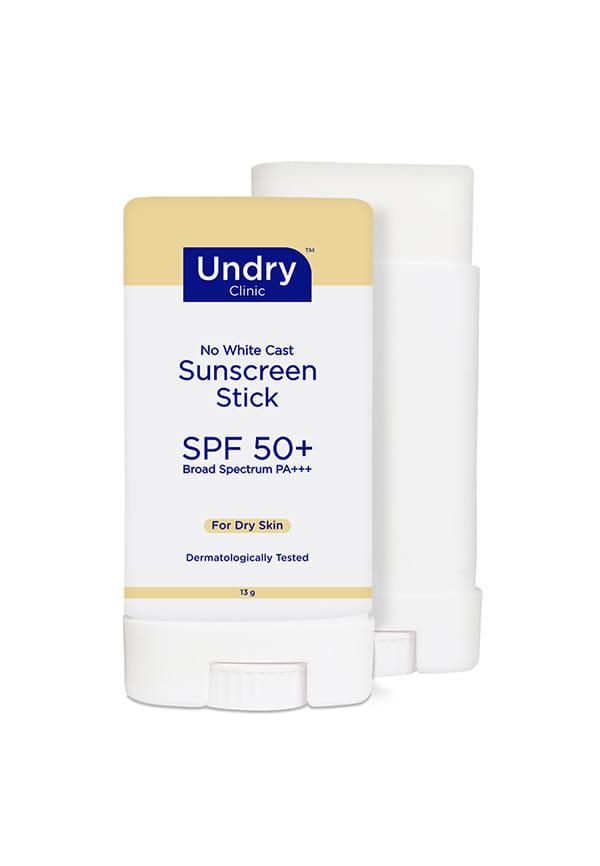
Sunscreen Stick SPF 50 for Face with Vitamin C; No White Cast
Warming the sunscreen between your palms before application makes a massive difference. It helps the product spread more easily and blend more naturally into your skin. Take your time with blending – rushing this step is often why white cast happens.
If you're wearing makeup, allow your sunscreen to fully absorb for at least 5-10 minutes before applying foundation or concealer. This prevents the products from mixing and creating that dreaded patchy, white appearance.
Don't panic if you've already applied sunscreen and noticed white cast. There are quick fixes you can try. Gently pat your skin with a damp beauty sponge or your fingertips to help blend any visible residue. Sometimes, a tiny drop of facial oil patted over the white cast can help it blend more naturally.
If you're at home, you can also try applying a very light layer of moisturiser over the sunscreen and blending it in. This can help reduce the appearance of white cast whilst maintaining your sun protection.
For future applications, consider mixing a tiny drop of your favourite facial oil with your sunscreen before applying. This can help create a more blendable texture, though be careful not to dilute the SPF too much.
When shopping for sunscreen for brown skin, look for formulations that include niacinamide. This powerhouse ingredient not only helps with oil control and pore appearance but also works beautifully under sunscreen without causing any interaction issues.
Hyaluronic acid is another brilliant addition – it provides hydration without greasiness, which is perfect for Indian climates where humidity can make heavy products feel uncomfortable. Antioxidants like vitamin C or vitamin E complement sun protection by providing additional defence against environmental damage.
Iron oxides deserve a special mention for Indian skin tones. These mineral pigments add a subtle tint that helps sunscreen blend more naturally with brown skin, effectively eliminating white cast whilst providing additional UV protection.
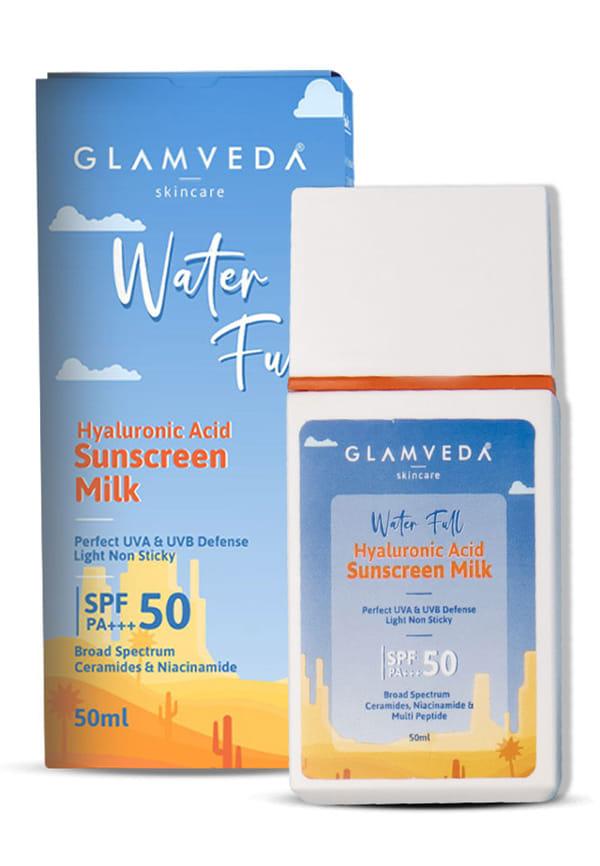
Ultra Light Water Sunscreen SPF 50 PA++++ with Ceramides & Hyaluronic, No White Cast
If you notice white cast after application, try gently patting your skin with a damp beauty sponge to blend the residue. You can also apply a tiny amount of facial oil over the affected areas and blend gently. For future applications, consider switching to a tinted or gel-based formula that's specifically designed for darker skin tones.
The 3-finger rule involves squeezing sunscreen along the length of your index, middle, and ring fingers. This typically provides about 1/4 teaspoon of product, which is the recommended amount for adequate face and neck coverage. Apply this amount evenly across your face, working in sections for better blending.
SPF measures protection against UVB rays. SPF 30 blocks about 97% of UVB rays, whilst SPF 50 blocks about 98%. For Indian skin, SPF 30-50 is generally sufficient for daily wear. Remember that proper application and reapplication every 2-3 hours is more important than choosing the highest SPF number.
Mineral sunscreens use zinc oxide and titanium dioxide to physically block UV rays. They're generally gentler but more likely to leave white cast. Chemical sunscreens absorb UV rays and convert them to heat. They're typically more transparent but may cause sensitivity in some people. Many modern formulations combine both for optimal protection and cosmetic elegance.
In India's climate, reapply sunscreen every 2-3 hours, especially if you're outdoors or sweating. If you're wearing makeup, use a setting spray with SPF or a powder sunscreen for touch-ups. On particularly hot or humid days, you might need to reapply more frequently.
Finding the right sunscreen for your Indian skin tone doesn't have to be a struggle. The key is understanding what causes white cast and choosing products formulated with your skin in mind. Look for micronised mineral ingredients, consider tinted formulations, and don't underestimate the importance of proper application technique.
Remember, protecting your skin from UV damage is one of the most important things you can do for long-term skin health. With over 28 million users discovering their perfect products, Smytten's curated selection includes sunscreens from trusted brands that work beautifully on Indian skin tones. If you're curious about trying different formulations before committing to full sizes, exploring minis can be a smart way to find your ideal match without the guesswork.
Your skin deserves protection that looks as good as it feels. With the right knowledge and products, you can enjoy comprehensive sun protection without compromising on how your skin looks – because beautiful, protected skin is always worth the effort.
