Sunscreen or Moisturizer First? Your Skincare Order FAQ


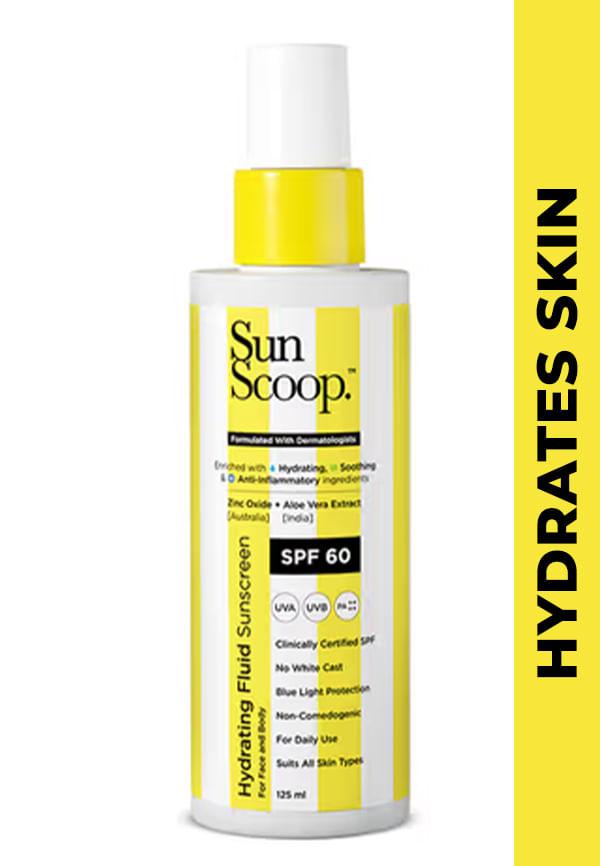
Hydrating Fluid Sunscreen For Face and Body, SPF 60 PA++++
You've got your moisturiser ready, your sunscreen within reach, but here's the question that stops you mid-routine: which one goes on first? If you've ever stood in front of your mirror, products in hand, genuinely unsure about the order, you're not alone. This confusion affects millions of people daily, and getting it wrong can compromise both your skin's hydration and UV protection. The good news? There's a clear, science-backed answer that works for most situations, plus some important exceptions you need to know about.
Here's your straightforward answer: apply moisturiser first, then sunscreen as your final step in 99% of cases. This order isn't arbitrary—it's rooted in how these products work on your skin. Your moisturiser hydrates and strengthens your skin barrier, creating the perfect foundation for sunscreen application. Meanwhile, your sunscreen needs to sit on top as the final protective layer, forming an effective barrier against UV rays.
Think of it like getting dressed for British weather. You wouldn't put your raincoat on first, then try to layer your jumper over it. Your moisturiser is like that essential base layer, whilst your sunscreen acts as your protective outer shell. When you reverse this order, you're essentially diluting your sunscreen's effectiveness and preventing your moisturiser from properly nourishing your skin.
The science behind this sequence is compelling. Moisturisers contain humectants like hyaluronic acid and glycerin that draw moisture into your skin, plus emollients that smooth and soften. These ingredients need direct contact with your skin to work effectively. Sunscreen, whether chemical or physical, creates a film on your skin's surface that blocks or absorbs UV radiation. Applying moisturiser over sunscreen disrupts this protective film and reduces your SPF protection.
When you follow the moisturiser-first rule, both products can perform their intended functions without interference. Your skin gets the hydration it needs, and your sunscreen can form an unbroken protective barrier. This approach also prevents the pilling and balling that often occurs when products are applied in the wrong order.
Now for the plot twist that changes everything for some sunscreen users. The moisturiser-first rule has one significant exception, and it depends entirely on whether you're using a chemical or physical sunscreen. Understanding this difference could be the key to maximising your sun protection.
Chemical sunscreens contain ingredients like avobenzone, octinoxate, or oxybenzone that absorb UV rays and convert them to heat. These formulas need direct contact with your skin to work effectively. If you're using a chemical sunscreen, apply it to freshly cleansed skin first, wait about two minutes for absorption, then follow with your moisturiser.
Physical sunscreens (also called mineral sunscreens) contain zinc oxide or titanium dioxide that sit on your skin's surface and reflect UV rays away. These formulas work best when applied as your final step, over your moisturiser. Most people use physical sunscreens, which is why the moisturiser-first rule applies to the majority of routines.
Check your sunscreen's ingredient list. If you see zinc oxide or titanium dioxide as the active ingredients, you're using a physical sunscreen. If you see chemical names like avobenzone, octinoxate, or homosalate, it's a chemical formula. Some sunscreens combine both types, and in these cases, treat them as physical sunscreens and apply them last.

Hydroboost Hydrating Fluid Sunscreen Moisturizer Spf 50
Getting the order right is just the beginning. Proper application technique and timing can make the difference between adequate protection and optimal results. Here's exactly how to layer your morning skincare for maximum effectiveness.
Start with freshly cleansed skin, then apply any serums you're using. Niacinamide serums, vitamin C, or hyaluronic acid should go on before your moisturiser. Wait about 30 seconds between each serum if you're using multiple products—this prevents pilling and ensures proper absorption.
Use about a dime-sized amount of moisturiser for your face and neck. Warm it between your palms, then press it gently into your skin using upward motions. Don't rub vigorously—this can irritate your skin and disrupt the product's distribution. Pay special attention to areas that tend to be drier, like around your eyes and the sides of your nose.
Here's where patience pays off. Wait about three minutes after applying your moisturiser before moving on to sunscreen. This waiting period allows your moisturiser to fully absorb and creates the ideal base for sunscreen application. You'll know your moisturiser has absorbed when your skin no longer feels tacky or wet to the touch.
Apply at least half a teaspoon of sunscreen to your face and neck—this is more than most people use, but it's essential for achieving the SPF protection listed on the bottle. Use gentle, downward strokes to avoid disrupting any makeup you might apply later. Don't forget often-missed areas like your ears, hairline, and the back of your neck.
Even with the right order, several common mistakes can undermine your skincare routine's effectiveness. The most frequent error is using insufficient sunscreen—studies show most people apply only 25-50% of the recommended amount, which dramatically reduces protection.
Another mistake is mixing your moisturiser and sunscreen together in your palm before application. Whilst this might seem efficient, it dilutes both products and creates uneven coverage. Each product is formulated to work independently, and combining them can alter their effectiveness.
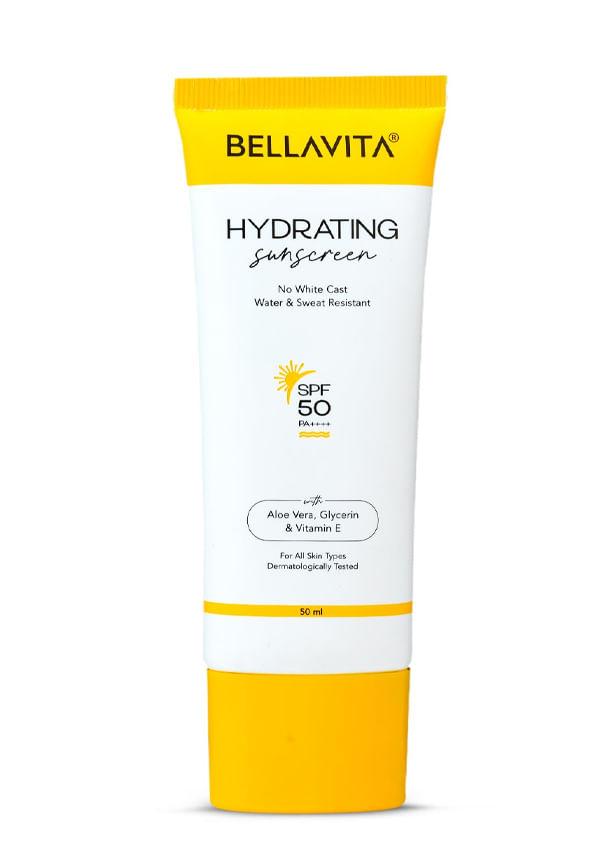
Water based Hydrating SPF 50 PA+++ UV Protection Sun Block Sunscreen
Many people apply sunscreen and immediately head outdoors, but most formulas need a few minutes to set properly. Chemical sunscreens especially benefit from this settling time. Additionally, relying solely on makeup with SPF isn't sufficient—these products typically don't provide enough coverage for adequate protection.
Some ingredient combinations can cause pilling, reduced effectiveness, or skin irritation. For example, certain retinol products can make your skin more sensitive to sunscreen ingredients. If you notice your products balling up or not absorbing properly, consider switching formulations or adjusting your routine timing.
Your skin type influences which products work best and how to apply them effectively. Oily and acne-prone skin benefits from lightweight, gel-based moisturisers that won't clog pores, followed by oil-free sunscreens. Look for non-comedogenic formulas and avoid heavy, cream-based products that might trigger breakouts.
If you have dry or dehydrated skin, you might need a richer moisturiser with ingredients like ceramides or shea butter. These skin types often do well with cream-based sunscreens that provide additional hydration. The key is ensuring your moisturiser fully absorbs before applying sunscreen to prevent a greasy finish.
Moisturisers with SPF can be convenient, but they have limitations. These combination products often require you to apply more than you would of a regular moisturiser to achieve the stated SPF protection. They work well for minimal sun exposure days, but dedicated sunscreen is still your best bet for extended outdoor time or intense UV conditions.
If you have sensitive skin, choose fragrance-free, hypoallergenic formulas for both your moisturiser and sunscreen. Physical sunscreens with zinc oxide are often gentler than chemical formulas. Patch test new products and introduce them gradually to avoid irritation.
Apply moisturiser first, then sunscreen as your final step for most situations. The exception is chemical sunscreens, which should go on clean skin first, followed by moisturiser after a two-minute wait.
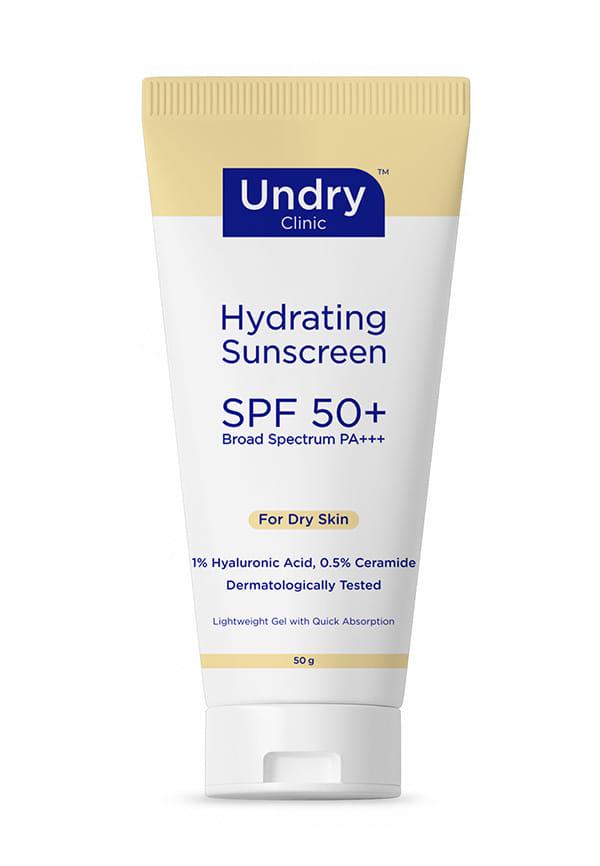
Hydrating Sunscreen for Dry Skin SPF 50
Wait 2-3 minutes between moisturiser and sunscreen application. This allows your moisturiser to fully absorb and creates the ideal base for sunscreen. Your skin should feel dry to the touch before applying sunscreen.
No, avoid mixing moisturiser and sunscreen together. This can dilute both products, create uneven coverage, and reduce the effectiveness of your sun protection. Apply them separately for optimal results.
Apply products from thinnest to thickest consistency: serums first, then moisturiser, then sunscreen. This ensures each product can penetrate properly and perform its intended function without interference.
Yes, reapply sunscreen every two hours for continued protection. You can apply it directly over makeup or moisturiser for reapplication—the initial layering order only matters for your morning routine.
Separate products typically provide better protection and hydration. Moisturisers with SPF can work for light daily use, but dedicated sunscreen offers more reliable protection, especially for extended sun exposure.
Getting your skincare order right isn't just about following rules—it's about maximising the effectiveness of every product in your routine. The moisturiser-first approach works for most people and most products, whilst the chemical sunscreen exception ensures you're getting optimal protection when using those specific formulas. Remember, consistency matters more than perfection, so find a routine that works for your lifestyle and stick with it.
Your skin's needs might change with seasons, age, or lifestyle factors, so don't be afraid to adjust your routine accordingly. What matters most is that you're protecting your skin daily and giving it the hydration it needs to stay healthy and resilient.
If you're curious about trying new moisturisers or sunscreens but hesitant to commit to full sizes, platforms like Smytten let you explore minis from trusted brands before making larger purchases. With over 28 million users discovering products through trial sizes, it's become a smart way to test what works for your unique skin before you invest in the full routine.
