Sunscreen on Cloudy Days India: Your FAQ Answered


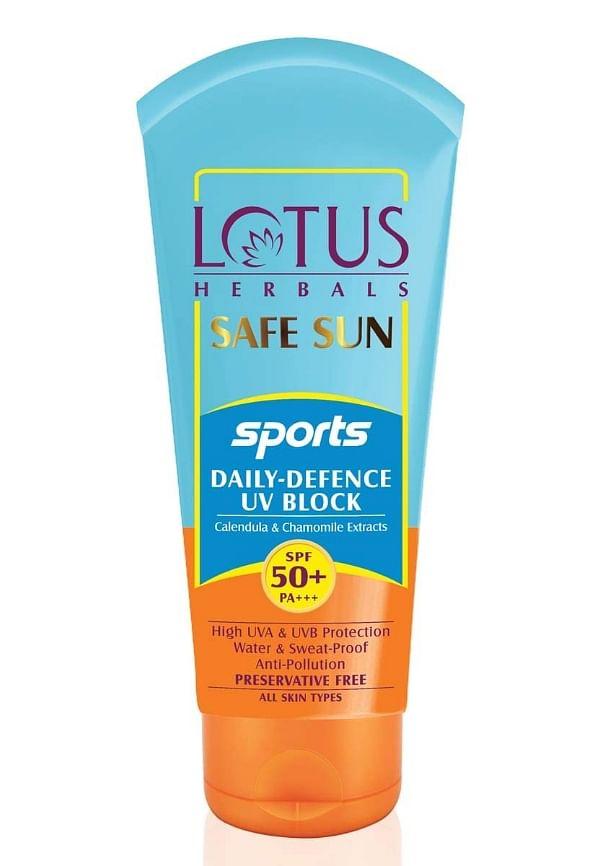
Safe Sun Sports Daily-Defence UV Block Sunscreen SPF 50+
You're rushing to work on a cloudy Mumbai morning, glancing at the grey sky through your window. The sun's nowhere to be seen, so you skip the sunscreen and dash out. Sound familiar? If you're nodding along, you're not alone. Many of us assume that overcast skies mean we're safe from UV damage. But here's the thing your skin wishes you knew: those clouds aren't the protective shield you think they are. In fact, up to 80% of harmful UV rays can penetrate through cloud cover, quietly working away at your skin even when the weather looks gloomy.
Let's talk about what's actually happening up there when clouds roll in. UV radiation doesn't simply disappear because the sky looks grey. Think of clouds as a sheer curtain rather than blackout blinds. They might dim the light, but they're surprisingly poor at blocking the invisible UV rays that cause real skin damage.
Research shows that clouds block only about 20% of UV radiation on average. This means that even on the gloomiest day, your skin is still exposed to roughly 80% of the UV rays it would receive on a clear day. Some thin clouds can actually scatter UV rays, potentially increasing your exposure in certain areas. It's like having an umbrella with holes in it during a drizzle.
India's location near the equator means we're dealing with particularly intense UV radiation year-round. Cities like Bangalore, Delhi, and Chennai experience high UV index levels even during cloudy periods. The closer you are to the equator, the more direct the sun's rays, regardless of cloud cover. Add in factors like altitude (hello, hill stations) and reflection from surfaces like water and sand, and you've got a recipe for significant UV exposure even when the sun's playing hide and seek.
Here's where things get interesting. Many people assume that monsoon season equals zero sun damage. Wrong. During India's monsoon months, UV rays are still very much present. The humidity might make the air feel different, but it doesn't create a magical UV barrier. In fact, wet surfaces can reflect UV rays, potentially increasing your exposure. Your skin doesn't get a three-month holiday just because the rains have arrived.
Skipping sunscreen in rainy weather might seem logical, but your future self won't thank you for it. The damage happening beneath the surface is real, even if you can't see it immediately.
UV exposure is the leading cause of premature ageing, responsible for up to 80% of visible facial ageing signs. Those fine lines, wrinkles, and dark spots don't appear overnight. They're the result of cumulative UV damage over time. When you skip sunscreen on cloudy days, you're essentially making regular deposits into your future wrinkle account. Hyperpigmentation is particularly common in Indian skin types, and UV exposure during monsoons can trigger or worsen existing dark spots.
Skin cancer rates are rising in India, and consistent UV exposure without protection plays a significant role. Even on cloudy days, UV-B rays (the ones that cause burning) and UV-A rays (the ones that penetrate deeper) are working away at your skin's DNA. The damage accumulates over time, increasing your risk of developing skin cancer later in life.
Ever noticed how your skin looks different after monsoon season? Many people attribute changes to humidity or lifestyle shifts, but unprotected UV exposure during those cloudy months often plays a bigger role than expected. Dark spots might appear more pronounced, and your skin might look duller or more uneven. This is your skin showing you the cumulative effects of those "harmless" cloudy days.
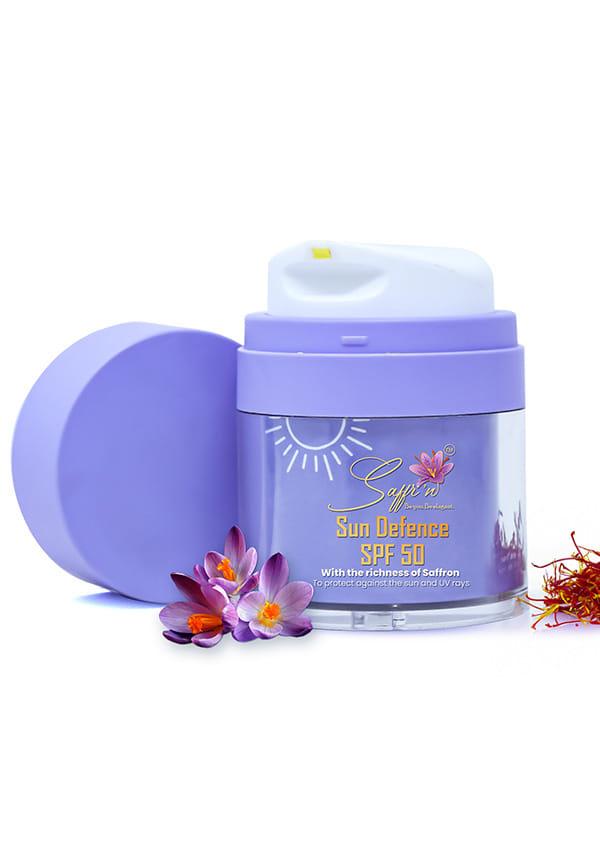
Sun Defence SPF 50
Making daily sunscreen a non-negotiable part of your routine, regardless of the weather forecast, is one of the best investments you can make in your skin's future.
Consistent sunscreen use creates a protective barrier that shields your skin from environmental damage beyond just UV rays. Modern sunscreens often include antioxidants and other protective ingredients that help defend against pollution and free radical damage. When you use sunscreen daily, you're essentially giving your skin a daily dose of protection against multiple aggressors.
Regular sunscreen use is your best defence against hyperpigmentation. For Indian skin types, which are more prone to post-inflammatory hyperpigmentation, daily sun protection can prevent existing dark spots from darkening further and reduce the likelihood of new ones forming. Think of it as a daily insurance policy for even-toned skin.
Studies consistently show that people who use sunscreen daily have significantly less skin ageing than those who don't. For Indian skin, which tends to show ageing differently than lighter skin types, consistent sun protection helps maintain skin elasticity and prevents the formation of fine lines and wrinkles. Your skin will thank you in your 40s and beyond.
Not all sunscreens are created equal, especially when you're dealing with India's humid, rainy climate. The key is finding formulations that work with your skin and lifestyle.
During monsoon season, water-resistant sunscreens become particularly important. These formulations are designed to maintain their protective properties even when exposed to water or sweat. Look for sunscreens that offer at least 40 minutes of water resistance. Remember, no sunscreen is truly waterproof, so reapplication is still necessary, especially after heavy sweating or getting caught in the rain.
Don't be tempted to drop down to a lower SPF just because it's cloudy. SPF 30 should be your minimum, providing protection against about 97% of UV-B rays. For Indian conditions, SPF 50 often makes more sense, especially if you're spending extended time outdoors or have a history of pigmentation issues. The difference in protection between SPF 30 and SPF 50 might seem small, but it can be significant over time.
Monsoon humidity can make oily skin feel even greasier, but that's no excuse to skip sunscreen. Look for gel-based or fluid formulations that absorb quickly without leaving a greasy residue. Ingredients like niacinamide in sunscreens can actually help control oil production while providing sun protection. Brands available on Smytten Shop offer excellent options for different skin types, from lightweight gels to mattifying formulas.
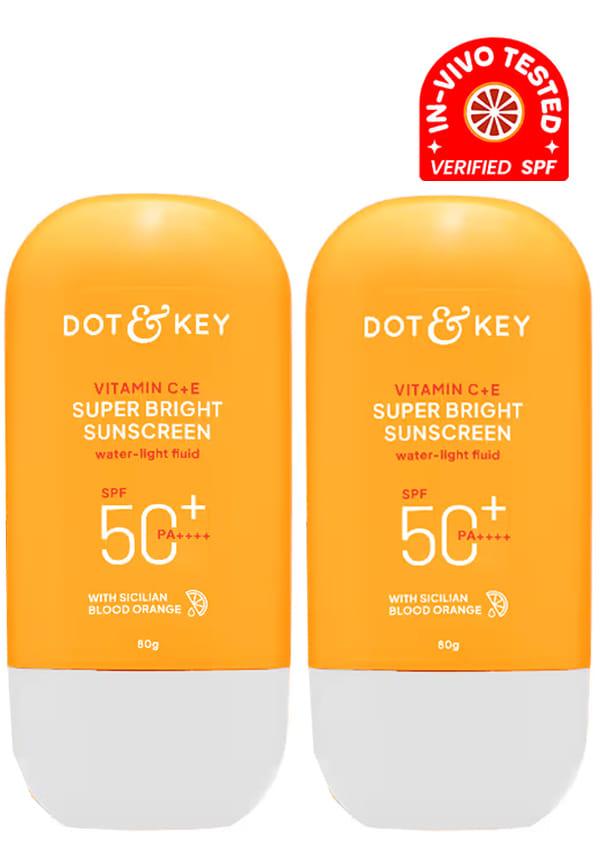
Vitamin C + E Sunscreen, IN-VIVO Tested SPF 50+ PA++++
Working from home doesn't mean you're completely safe from UV exposure. Your indoor environment might be exposing you to more UV than you realise.
Standard window glass blocks most UV-B rays but allows up to 75% of UV-A rays to pass through. If you're sitting near a window during the day, you're still getting UV exposure. This is particularly relevant for those working from home or spending long hours indoors near windows. UV-A rays are the ones responsible for deeper skin damage and premature ageing.
While the jury's still out on the long-term effects of blue light from screens, some sunscreens now include blue light protection. If you're spending hours in front of computers or phones, these formulations might offer additional benefits. Look for sunscreens that mention blue light or HEV (high-energy visible) light protection.
Your morning skincare routine shouldn't change just because you're not leaving the house. Apply sunscreen as the final step of your morning routine, even on days when you're working from home. It helps maintain the habit and ensures you're protected if you step outside unexpectedly.
Having the right sunscreen is only half the battle. Proper application technique ensures you're getting the protection you paid for.
The 3-finger rule is a simple way to ensure you're using enough sunscreen. Squeeze sunscreen along the length of your index, middle, and ring fingers. This amount should be sufficient for your face and neck. Most people use only about 25% of the recommended amount, which significantly reduces protection. Don't be stingy with sunscreen.
Reapplication becomes trickier during humid weather, but it's still crucial. If you're wearing makeup, consider powder sunscreens for touch-ups, or use a setting spray with SPF. For days when you're getting caught in sudden downpours, reapply sunscreen once you're dry. The general rule is every two hours, but increase frequency if you're sweating heavily or getting wet.
Sunscreen should always be the last step in your morning skincare routine, applied after moisturiser but before makeup. Allow each layer to absorb properly before applying the next. If you're using products with AHAs or retinoids, sunscreen becomes even more critical as these ingredients can increase sun sensitivity.
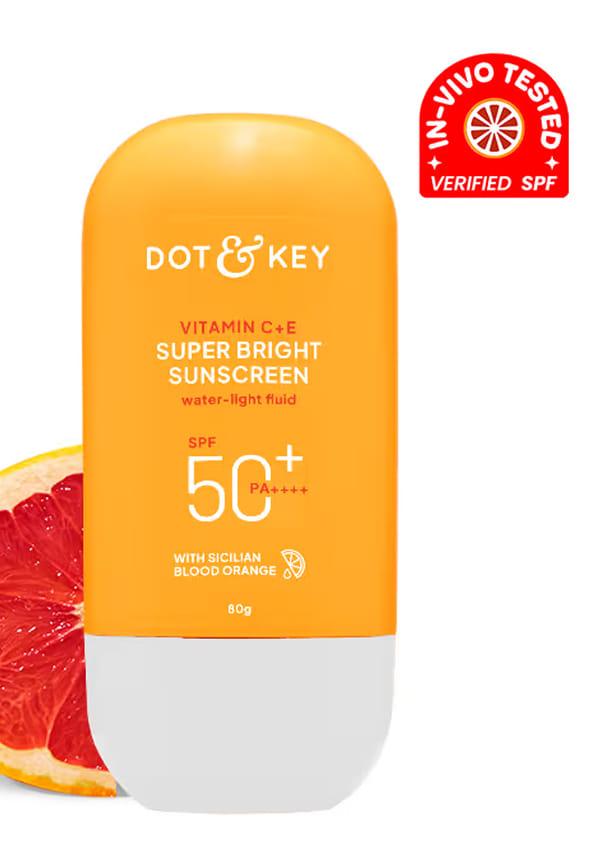
Vitamin C + E Sunscreen, IN-VIVO Tested SPF 50+ PA++++
Absolutely yes. Up to 80% of UV rays penetrate through clouds, meaning your skin is still exposed to significant UV radiation even during overcast and rainy weather. UV damage accumulates over time, so consistent protection is essential regardless of weather conditions.
The 3-finger rule involves squeezing sunscreen along the length of your index, middle, and ring fingers. This amount provides adequate coverage for your face and neck. Most people use far less sunscreen than recommended, which significantly reduces protection levels.
Yes, sunscreen is essential during monsoon season. UV rays don't disappear with rain clouds, and wet surfaces can actually reflect UV radiation, potentially increasing exposure. Consistent sunscreen use during rainy season helps prevent premature ageing, pigmentation, and long-term skin damage.
Definitely. UV rays are present year-round, and winter sun can be particularly damaging due to reflection from surfaces. Snow and even wet pavement can reflect UV rays, increasing your exposure. Daily sunscreen use should continue throughout winter months for optimal skin protection.
Sunscreen should be worn daily during daylight hours, regardless of season or weather. UV rays are present whenever there's natural light, even on cloudy days. The only time sunscreen isn't necessary is during complete darkness, but for practical purposes, daily application is the best approach for skin health.
Most sunscreens provide immediate protection upon application, though some chemical sunscreens may require 15-20 minutes to fully activate. For best results, apply sunscreen 15-30 minutes before sun exposure to ensure even distribution and optimal protection.
Reapply sunscreen every two hours, even on cloudy days. If you're sweating, swimming, or caught in rain, reapply immediately after drying off. Consistent reapplication maintains protection levels throughout the day, regardless of weather conditions.
Use at least SPF 30 on cloudy days, though SPF 50 is often better for Indian conditions due to our proximity to the equator and high UV intensity. Don't reduce SPF levels based on cloud cover, as UV penetration remains significant even during overcast weather.
Your skin doesn't distinguish between sunny and cloudy days when it comes to UV damage. Those seemingly harmless overcast mornings and drizzly afternoons are still opportunities for cumulative skin damage that shows up years later. The good news? Consistent sunscreen use is one of the most effective anti-ageing strategies available, and it's never too late to start.
Making sunscreen a daily habit, regardless of weather, is an investment in your skin's future. Whether you're dealing with existing pigmentation, trying to prevent premature ageing, or simply want to maintain healthy skin, daily sun protection is non-negotiable. The key is finding formulations that work with your skin type and lifestyle, then sticking with the routine.
Smytten Shop offers a curated selection of sunscreens from trusted brands, making it easier to find options that suit different skin types and preferences. With over 28 million users discovering products through the platform, you're in good company when exploring new skincare options. If you're curious about trying different sunscreen formulations before committing to full sizes, Smytten also offers minis from many brands, letting you test what works best for your skin before making a larger investment.
