Sunscreen Gel vs Cream India: Which is Best for Your Face?

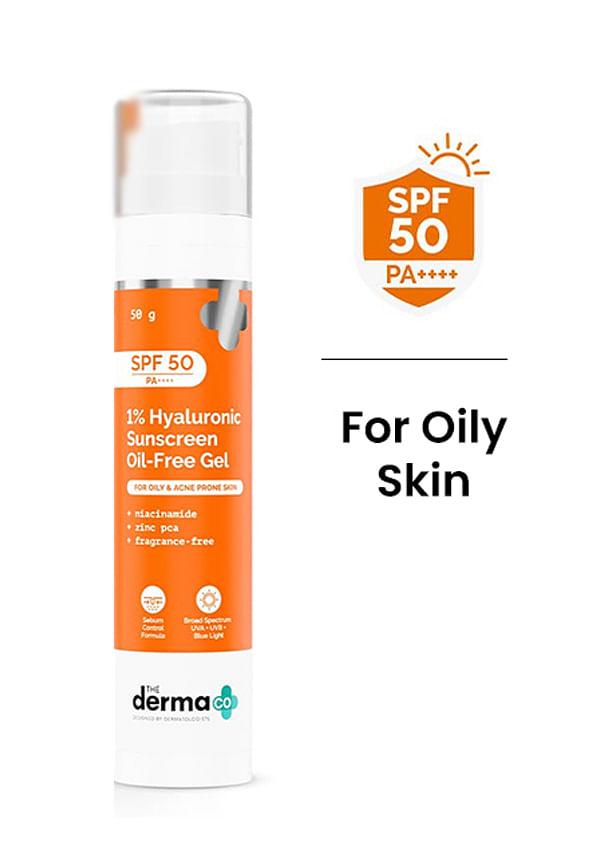 50g
50g1% Hyaluronic Sunscreen Oil-Free Gel
Let's be real—choosing between sunscreen gel vs cream in India's climate can feel like picking between your favourite chai and coffee. Both have their perks, but which one's actually going to work for your face? With humidity levels that could make you question your life choices and UV rays that don't mess about, finding the right sunscreen formula isn't just skincare—it's survival. Whether you're dealing with oily skin that turns into a slip-and-slide by noon or dry skin that drinks up moisture like a sponge, we're breaking down everything you need to know about sunscreen types to help you make the smartest choice for your skin.
The difference between sunscreen gel and sunscreen cream goes way beyond just texture—it's all about how they're formulated and what they bring to your skincare routine. Think of gels as the lightweight, water-based friend who never overstays their welcome, whilst creams are the rich, oil-based mate who's always got your back when things get rough.
Sunscreen gel formulations are typically water-based, which means they absorb quickly without leaving that heavy, sticky feeling. They're packed with humectants that help your skin stay hydrated without the grease factor.
Cream sunscreens lean into oil-based formulations that create a protective barrier on your skin. They're thicker, more moisturising, and perfect when your skin needs that extra bit of TLC.
Absorption rates: Gels disappear into skin within seconds, whilst creams take a minute or two to fully blend
Finish types: Gels give you that invisible, matte finish; creams might leave a slight sheen
SPF protection: Both can offer the same level of protection—it's the delivery that's different
Ingredient compatibility: Gels work brilliantly with chemical sunscreen ingredients, whilst creams can house both chemical and physical filters
Your skin type is basically the GPS for choosing between gel and cream formulations. India's diverse climate—from Mumbai's humidity to Delhi's dry heat—means your sunscreen needs to work overtime, and picking the wrong formula can leave you looking like you've been dunked in oil or feeling tight and uncomfortable.
If your skin produces enough oil to power a small vehicle, sunscreen for oily skin in gel form might just be your holy grail. These formulations are typically non comedogenic sunscreen options that won't clog your pores or add to the shine situation.
Oil-free formulations that control excess sebum
Lightweight texture that doesn't feel suffocating in humid weather
Quick absorption means no waiting around before applying makeup
Matte finish that keeps shine at bay for hours
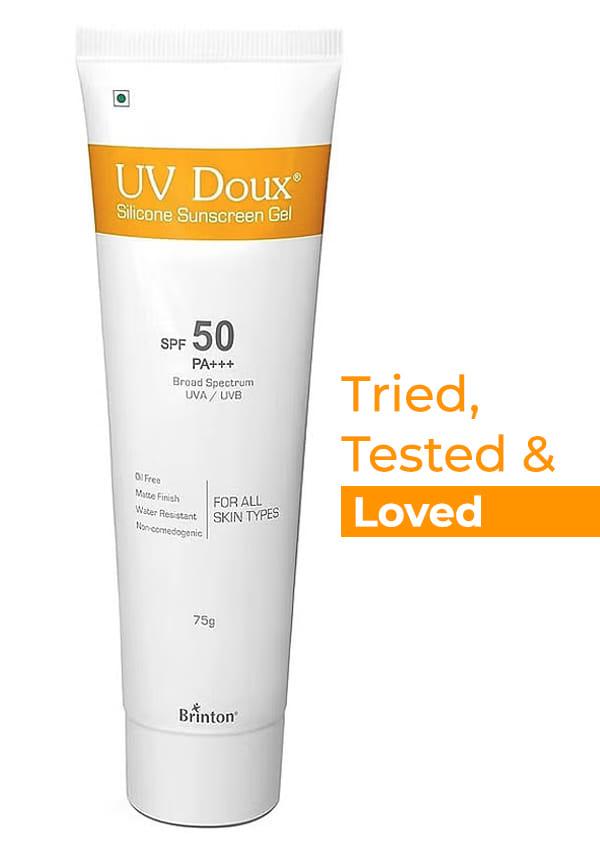 75gm
75gmSilicone Sunscreen Gel with SPF 50 PA +++
Sunscreen for sensitive skin often comes in cream formulations because they're gentler and more nourishing. If your skin feels like it's constantly thirsty or reacts to everything, creams offer that extra cushion of protection.
Built-in moisturising properties that hydrate whilst protecting
Thicker consistency creates a protective barrier against environmental stressors
Often formulated with soothing ingredients like ceramides or niacinamide
Less likely to cause irritation or stinging
Got combination skin? You're not alone—most of us are dealing with an oily T-zone and drier cheeks. You might want to try a lightweight cream or a hydrating gel that balances both needs without going overboard on either front.
India's climate is basically a year-round test for your sunscreen for face choices. From monsoon humidity that makes everything stick to your skin to summer heat that could melt your makeup, your sunscreen needs to be ready for anything. The sunscreen gel vs cream india debate gets real when you factor in regional weather patterns.
During monsoon months, humidity levels can hit 80-90%, which means your skin's already working overtime. Gel formulations tend to play nicer with high humidity because they don't add extra moisture that your skin doesn't need.
Gel sunscreens typically offer better sweat resistance in humid conditions
Cream formulations might feel heavy and uncomfortable when it's muggy
Water-resistant formulas in gel form stay put during unexpected rain showers
Reapplication is easier with gels—no pilling or clumping over existing product
Coastal cities like Mumbai and Chennai deal with constant humidity, making gels the practical choice. Inland areas like Delhi or Bangalore with drier heat might benefit from the extra hydration that cream formulations provide.
Understanding sunscreen ingredients helps you make smarter choices regardless of whether you go gel or cream. The sunscreen benefits you get depend heavily on what's actually in the bottle, and some ingredients work better in specific formulations.
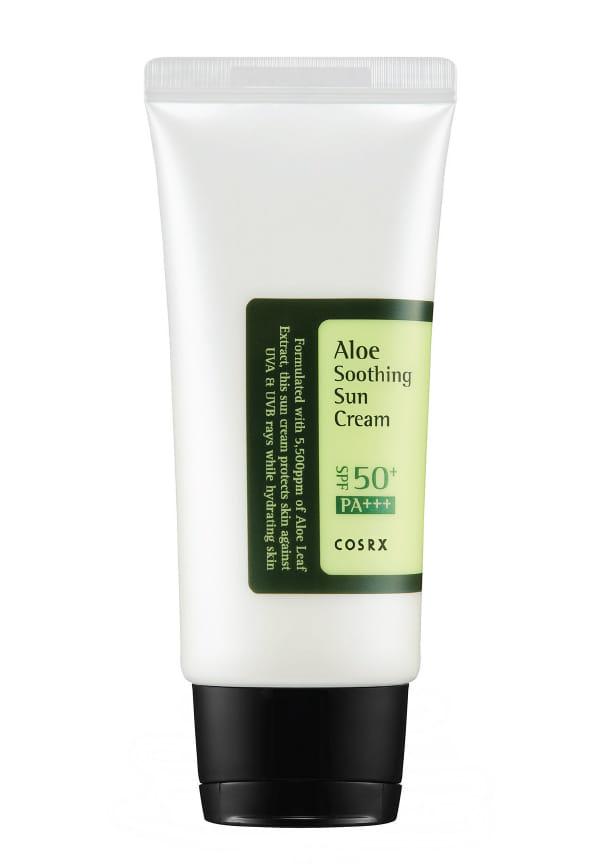 50 ml
50 mlAloe Soothing Sun Cream SPF 50 PA+++
Chemical filters like avobenzone, octinoxate, and oxybenzone absorb UV rays and convert them to heat. They work brilliantly in gel formulations because they blend seamlessly without leaving any residue.
Avobenzone: Excellent UVA protection, perfect for preventing premature ageing
Octinoxate: Great UVB coverage, helps prevent sunburn
Zinc oxide and titanium dioxide: Physical blockers that sit on skin's surface
Mineral sunscreens with zinc oxide and titanium dioxide work well in cream formulations. However, if you have deeper skin tones, look for micronised versions that minimise white cast—a common concern with physical sunscreens.
Niacinamide: Controls oil production and minimises pores
Hyaluronic acid: Provides hydration without heaviness
Antioxidants: Vitamin C and E offer additional protection against environmental damage
Ceramides: Strengthen skin barrier, especially beneficial in cream formulations
Getting your sunscreen application right is just as important as choosing the right formula. Whether you've picked a gel or cream, proper technique ensures you're getting the full sunscreen benefits without any of the common mistakes that leave you vulnerable to UV damage.
The three-finger rule works for both gels and creams—squeeze product along three fingers and apply to your entire face and neck. This gives you roughly the right amount for adequate protection.
Apply sunscreen as the last step in your skincare routine
Wait 2-3 minutes before applying makeup over gel formulations
Cream sunscreens might need 5 minutes to fully set
Pat, don't rub, to avoid pilling or uneven coverage
Reapplying sunscreen every 2-3 hours is non-negotiable, especially in India's intense UV conditions. Gel formulations make this easier since they layer well over makeup without disturbing your look.
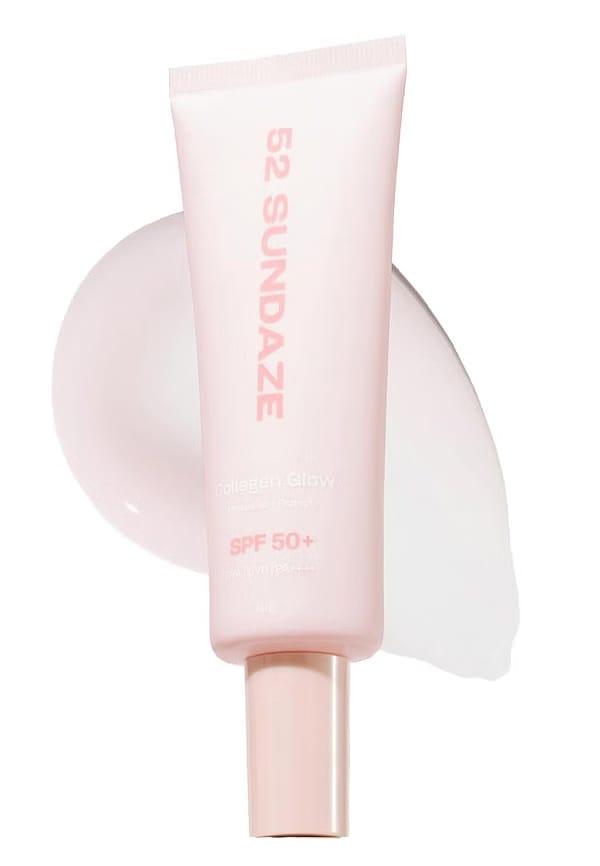 50 gm
50 gmSPF 50 Collagen Glow Sunscreen Cream PA++++
Finding your perfect best sunscreen india match doesn't have to involve buying full-size products and hoping for the best. With so many formulations available—from lightweight gels to nourishing creams—trying before committing makes complete sense. Smytten, India's largest product discovery platform, offers curated trial packs from over 1,500 trusted brands including skincare favourites like Cetaphil and Dot & Key. You can explore up to 8 minis for just ₹249, with 100% cashback redeemable for future purchases. This way, you can test different sunscreen types and find what actually works for your skin and lifestyle before investing in full-size products.
It depends on your skin type and local climate. Gel sunscreens work better in humid, coastal areas and for oily skin, whilst cream formulations are ideal for dry skin or air-conditioned environments. Both offer equal UV protection when applied correctly.
Yes, both gel and cream sunscreens can provide identical SPF protection. The difference lies in texture, absorption, and additional skincare benefits. Choose based on your skin's needs and comfort preferences.
Squeeze sunscreen along the length of three fingers (index, middle, and ring finger) and apply this amount to your entire face and neck. This ensures you're using roughly 1/4 teaspoon, which is the recommended amount for proper protection.
Look for oil-free, non-comedogenic gel formulations with chemical filters like avobenzone or octinoxate. These absorb quickly, control shine, and won't clog pores in India's humid climate.
Reapply every 2-3 hours, or immediately after sweating heavily, swimming, or towelling off. In India's humid conditions, gel formulations typically stay put longer than creams.
Sunscreen prevents further hyperpigmentation by blocking UV rays that trigger melanin production. However, it won't remove existing dark spots—you'll need targeted treatments for that. Consistent sunscreen use is essential for preventing new pigmentation.
The sunscreen gel vs cream india debate really comes down to understanding your skin's unique needs and your local climate. Gels win for oily skin, humid weather, and when you want that invisible finish, whilst creams are your go-to for dry or sensitive skin that needs extra nourishment. Remember, the best sunscreen is the one you'll actually use every single day—whether that's a lightweight gel that disappears into your skin or a nourishing cream that doubles as your moisturiser. Don't be afraid to experiment with different formulations until you find your perfect match. After all, protecting your skin from India's intense UV rays isn't negotiable, but finding a sunscreen you actually love using? That's the real game-changer for your skincare routine.
