Sunscreen for Dry Acne-Prone Skin FAQ: Your Questions Answered


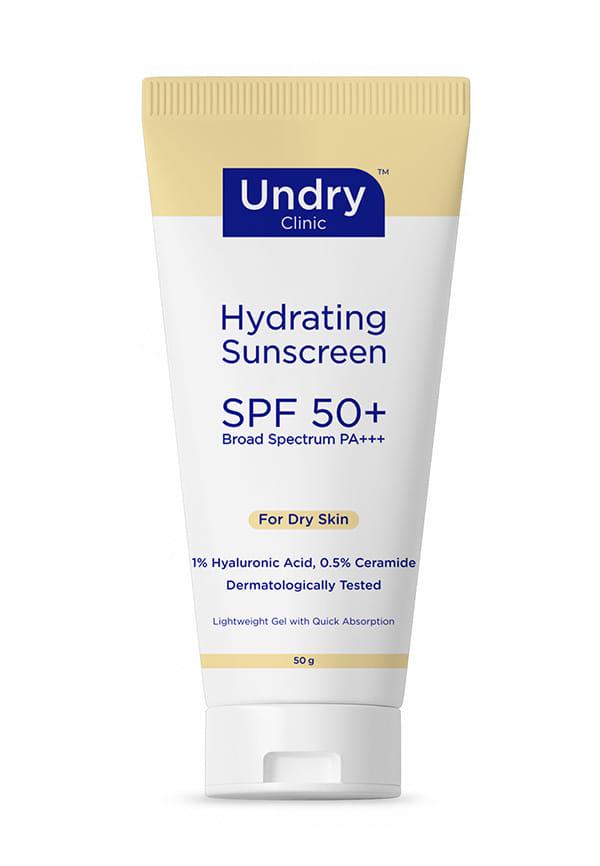
Hydrating Sunscreen for Dry Skin SPF 50
You've finally found a skincare routine that keeps your breakouts in check, but now you're dealing with that tight, flaky feeling around your chin and cheeks. Sound familiar? Managing dry acne-prone skin feels like walking a tightrope—too much moisture and you break out, too little and your skin barrier suffers. Add SPF to the mix, and suddenly you're wondering if there's actually a sunscreen for dry acne prone skin that won't leave you choosing between protection and clear skin.
Here's the thing about dry acne-prone skin—it's not an oxymoron, though it might feel like one. Your skin can absolutely be dehydrated and still prone to breakouts, especially around your T-zone or jawline. This happens when your skin barrier is compromised, leading to both moisture loss and clogged pores.
Traditional sunscreen for acne often focuses solely on being oil-free, which can leave already dry skin feeling even tighter. On the flip side, hydrating sunscreens designed for dry skin might contain heavy emollients that trigger breakouts. The key is finding that sweet spot—a formula that protects, hydrates, and won't clog your pores.
Your skin needs SPF that understands this delicate balance. Look for lightweight, water-based formulas that deliver hydration without the heaviness. The best sunscreen for sensitive skin often works well here too, as these formulas are typically gentler and less likely to irritate already compromised skin.
When you're shopping for non comedogenic sunscreen, the label is your first clue, but it's not the whole story. Non-comedogenic means the formula has been tested and shown not to clog pores, but different skin types react differently to the same ingredients.
Mineral sunscreen containing zinc oxide or titanium dioxide tends to be gentler on acne-prone skin compared to chemical filters. These physical blockers sit on top of your skin rather than absorbing into it, making them less likely to cause irritation or breakouts. Plus, zinc oxide has natural anti-inflammatory properties that can actually help calm existing blemishes.
SPF 30-50 for daily protection without unnecessary heaviness
Broad-spectrum coverage for both UVA and UVB rays
Water-based or gel-cream texture that absorbs quickly
PA++++ rating for comprehensive UVA protection
Fragrance-free formulation to avoid irritation
The best sunscreen for acne prone skin should feel like it disappears into your skin rather than sitting on top of it. If you're still feeling a film after five minutes, it's probably too heavy for your skin type.
Ingredient lists can feel overwhelming, but there are a few key players that work particularly well for dry acne-prone skin. Think of these as your skincare allies—ingredients that multitask to address both your hydration needs and acne concerns.
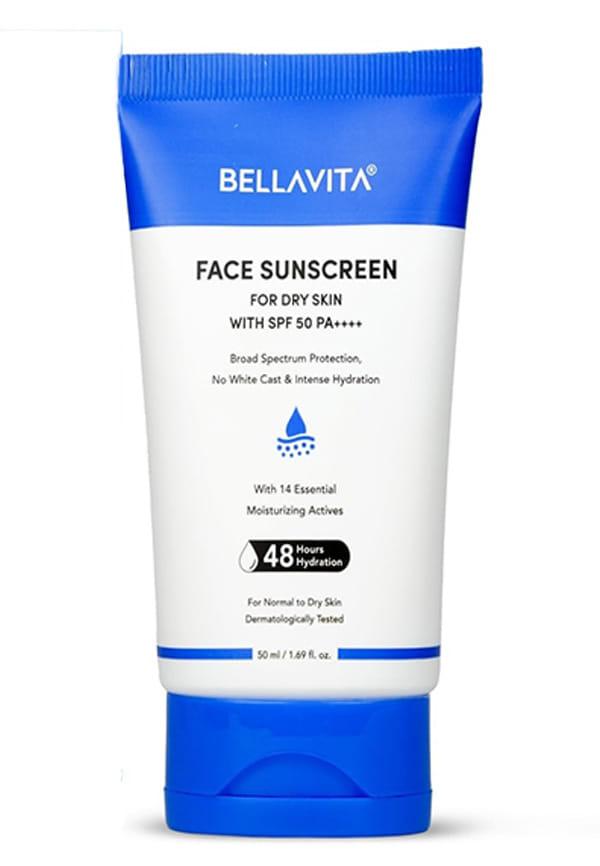
Sunscreen SPF 50 For Dry Skin
Hyaluronic acid is brilliant for dry acne-prone skin because it pulls moisture from the environment into your skin without adding oil or weight. Look for this in your hydrating sunscreen—it's like getting a drink of water for your skin along with your SPF protection.
Niacinamide is another multitasker worth seeking out. This form of vitamin B3 helps regulate oil production whilst strengthening your skin barrier. It's particularly helpful if you're dealing with post-acne marks, as it can help even out skin tone over time.
Ceramides help repair and maintain your skin barrier, which is crucial when you're dealing with dryness. A compromised barrier can actually make acne worse, so these lipids are essential for long-term skin health.
Heavy oils like coconut oil or shea butter might sound nourishing, but they can be too rich for acne-prone areas. Similarly, fragrances and essential oils can irritate sensitive skin and potentially trigger breakouts.
Alcohol-based formulas might seem appealing because they feel light, but they can actually strip your skin and trigger more oil production. Your gentle sunscreen should never leave your skin feeling tight or dry.
The way you apply your sunscreen for face matters just as much as which one you choose. Start with clean, slightly damp skin—this helps your sunscreen spread more evenly and can boost hydration.
Apply your sunscreen as the final step in your morning routine, after any serums or treatments but before makeup. Use about a quarter teaspoon for your face and neck, and don't forget often-missed spots like your ears and the area around your eyes.
If you're using other acne treatments like retinoids or acids, apply your sunscreen for dry skin after these have fully absorbed. This prevents pilling and ensures each product can do its job effectively.
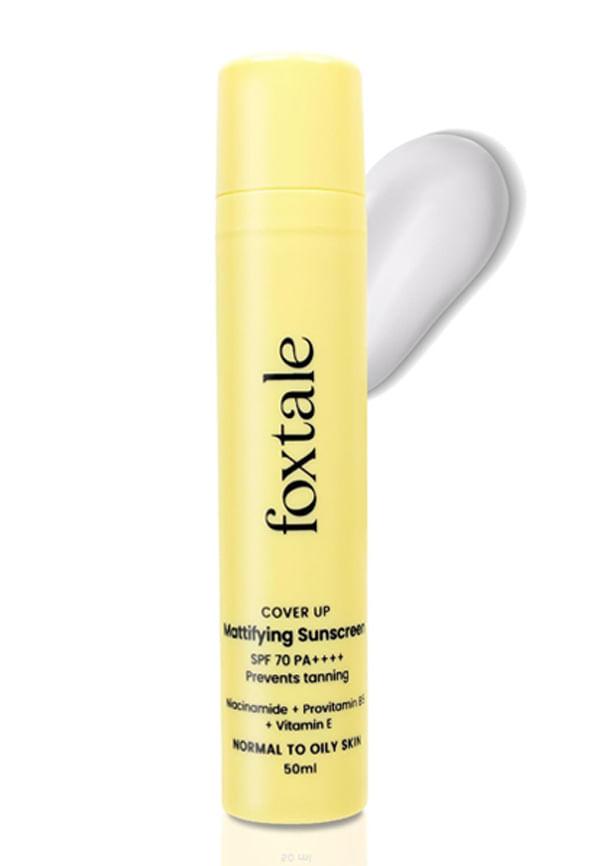
SPF 70 Matte Finish Sunscreen for Oily Skin
Look for lightweight, gel-cream formulas that contain hydrating ingredients like hyaluronic acid or glycerin alongside mineral UV filters. Brands like The Derma Co, Dr. Sheth's, and Fixderma offer excellent options specifically formulated for this skin type. The key is finding an oil free sunscreen that still provides adequate moisture.
It depends on your skin's needs and the season. During humid summer months, a hydrating sunscreen might provide enough moisture on its own. However, in air-conditioned environments or during winter, you'll likely need a separate moisturiser underneath your SPF. Pay attention to how your skin feels throughout the day—if you notice tightness or flaking, add a lightweight moisturiser to your routine.
New breakouts that appear within 1-2 weeks of starting a new sunscreen, especially in areas where you don't typically break out, could indicate the formula isn't right for your skin. Stop using the product and see if your skin clears up. When trying a new non comedogenic sunscreen, patch test on a small area first and introduce it gradually.
Mineral sunscreen with zinc oxide or titanium dioxide sits on top of your skin and physically blocks UV rays. These are generally gentler and less likely to cause breakouts. Chemical sunscreens absorb UV rays and can sometimes irritate sensitive or acne-prone skin, though newer formulations are much more tolerable than older versions.
Yes, reapplication is crucial for continued protection. Use a powder sunscreen or a setting spray with SPF for touch-ups over makeup. If you're spending time outdoors, you might need to remove and reapply your base makeup along with your sunscreen every two hours.
While sunscreen doesn't treat existing marks, it prevents them from getting darker and helps your skin heal more effectively. UV exposure can worsen post-inflammatory hyperpigmentation, so consistent SPF use is essential for anyone dealing with acne marks. Look for formulas with niacinamide for added skin-evening benefits.
Indian humidity and heat require sunscreens that won't feel heavy or sticky. Gel-based formulas work particularly well in tropical climates. Look for water-resistant options if you'll be sweating, and consider keeping blotting papers handy for oil control without disturbing your SPF protection.
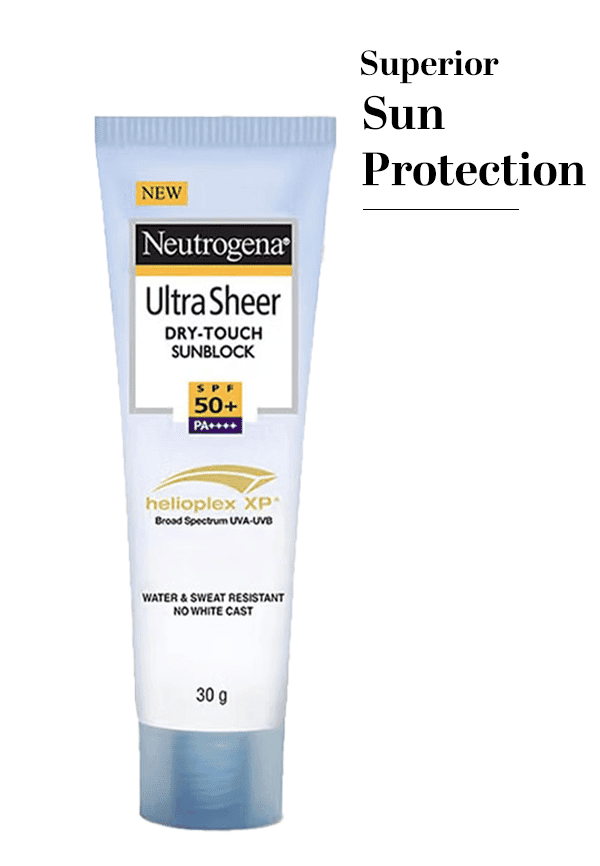
Ultra Sheer Sunscreen SPF 50+ - Ultra Light, For Oily And Dry Skin
Give your skincare products 2-3 minutes to absorb before applying sunscreen. This prevents pilling and ensures each product can penetrate properly. If you're using active ingredients like vitamin C or retinoids, this waiting period is especially important.
One of the biggest mistakes is choosing a sunscreen based solely on your acne concerns whilst ignoring your skin's dryness. Your skin needs both protection and hydration—you shouldn't have to choose between them.
Another common error is using too little product. Most people apply only half the recommended amount of sunscreen, which significantly reduces protection. Don't be afraid to use a generous amount—the right formula should absorb well even with proper application.
Avoid switching sunscreens too frequently when you're trying to find the right one. Give each product at least 2-3 weeks to see how your skin responds, unless you experience immediate irritation or breakouts.
Your sunscreen for dry acne prone skin works best as part of a thoughtful routine. Start with a gentle, hydrating cleanser that won't strip your skin. Follow with any treatment serums—perhaps a hyaluronic acid serum for hydration or niacinamide for oil control.
If your skin is particularly dry, add a lightweight moisturiser before your SPF. In the evening, consider using a gentle exfoliant like lactic acid once or twice a week to help with both dryness and clogged pores.
Remember that your skin's needs might change with the seasons. What works perfectly in humid summer weather might not provide enough moisture during winter months. Stay flexible and adjust your routine accordingly.
Finding the right sunscreen for dry acne-prone skin doesn't have to feel impossible. Focus on lightweight, hydrating formulas with gentle mineral filters, and don't be afraid to take your time finding what works for your unique skin. Your skin will notice the difference when you choose SPF that actually supports your skin health rather than working against it.
The beauty of modern skincare is that you no longer have to compromise between protection and comfort. With the right formula, your daily SPF can actually improve your skin's hydration and clarity over time. Worth adding to your routine? Absolutely.
If you're curious about trying different formulations before committing to full sizes, platforms like Smytten offer a smart way to test products from trusted brands. With access to minis from over 2,400 brands and the ability to earn cashback on your trials, you can discover what works for your skin without the guesswork. After all, your skin deserves products that truly understand its needs.
