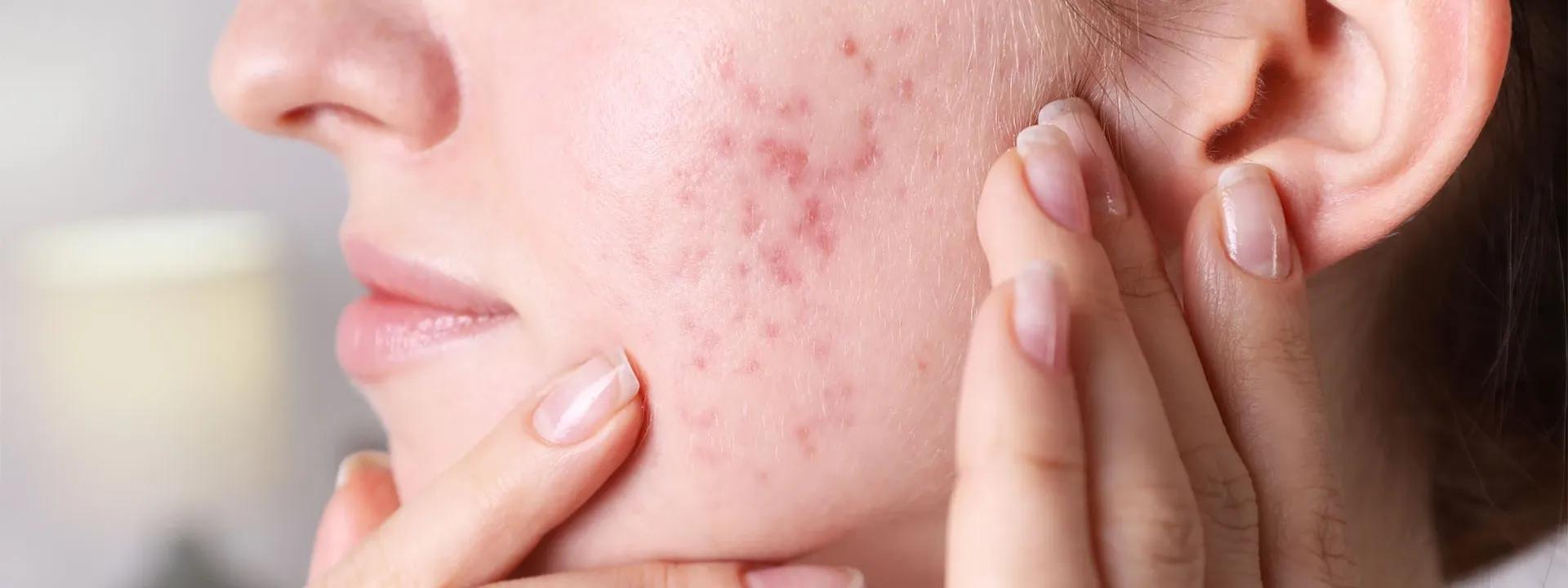
Let's be real—finding the right sunscreen when you're dealing with acne can feel like a proper challenge. One wrong move and you're facing a fresh crop of breakouts that make you want to hide indoors forever. But here's the thing: skipping sun protection isn't the answer. UV rays may worsen acne by potentially causing inflammation and hyperpigmentation that takes ages to fade. The good news? With the right approach and products, you can protect your skin without triggering those dreaded spots. This step-by-step guide will walk you through everything you need to know about choosing and using sunscreen for acne-prone skin, so you can step out confidently without worrying about your next breakout.
Understanding Sunscreen and Acne-Prone Skin
Here's what many people don't realise: sun exposure can potentially worsen acne in several ways. While a bit of sun might initially seem to dry out existing spots, prolonged UV exposure may trigger inflammation and could potentially thicken the outer layer of your skin, possibly leading to more clogged pores. Plus, if you're using acne treatments like retinoids (vitamin A derivatives) or AHAs (alpha hydroxy acids), your skin becomes extra sensitive to UV damage, making sun protection absolutely essential.
The challenge lies in finding sunscreen that's gentle on acne-prone skin without adding to your skincare woes. Traditional sunscreens often contain heavy oils and ingredients that can potentially clog pores. But when you choose the right formulation, sunscreen becomes your skin's best friend rather than its worst enemy.
Key Ingredients to Look For
When hunting for the perfect sunscreen, keep an eye out for zinc oxide and titanium dioxide—these mineral ingredients sit on top of your skin rather than soaking in, making them gentler for sensitive, acne-prone complexions. Non-comedogenic sunscreen formulations are your best bet, as they're specifically designed to be less likely to clog pores. Look for labels that mention "oil-free," "lightweight," or "suitable for blemish-prone skin."
Ingredients to Avoid
Steer clear of heavy oils like coconut oil, cocoa butter, or lanolin—these can potentially clog pores. Fragrances and alcohol-based formulas might also irritate already-sensitive skin. If you see ingredients like isopropyl myristate or sodium lauryl sulfate on the label, it's worth giving that product a miss as these can potentially trigger breakouts in some people.
Step 1: Choosing the Right Sunscreen for Acne-Prone Skin
The secret to successful protection for acne-prone skin lies in understanding what your skin actually needs. Not all sunscreens are created equal, and what works for your friend's normal skin might not be suitable for your sensitive complexion. The key is looking beyond just the SPF number and focusing on the formulation that'll work well with your existing skincare routine.
Your ideal sunscreen should feel like it's barely there while still providing robust protection. Think of it as finding that perfect foundation shade—when you get it right, everything just clicks.
Non-Comedogenic Formulations
Non-comedogenic sunscreen is essentially your skin's security blanket. These formulas are designed to be less likely to clog your pores or trigger breakouts. They're typically lighter in texture and absorb more readily into the skin. When shopping, this should be your non-negotiable requirement—no exceptions.
Oil-Free Sun Protection Options
Oil-free sun protection is a game-changer for anyone dealing with oily or combination skin. These formulas often have a more gel-like or lotion consistency that won't leave you looking overly shiny. They provide the coverage you need without adding extra shine or heaviness that could potentially lead to clogged pores.

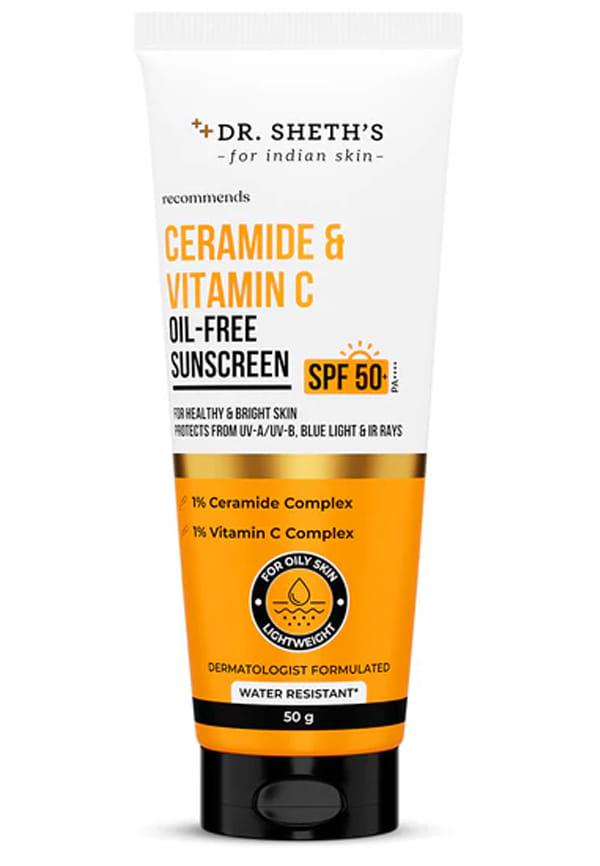 50gm
50gm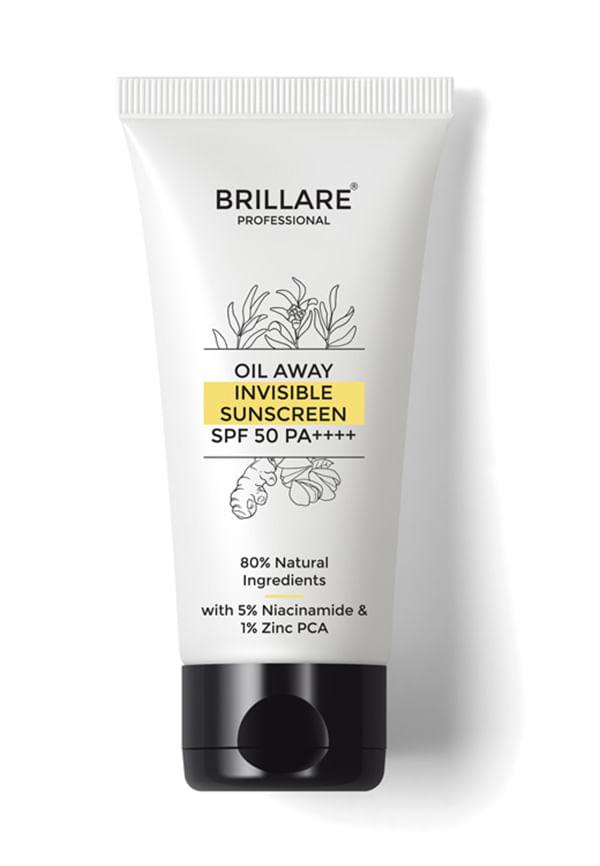 50ml
50ml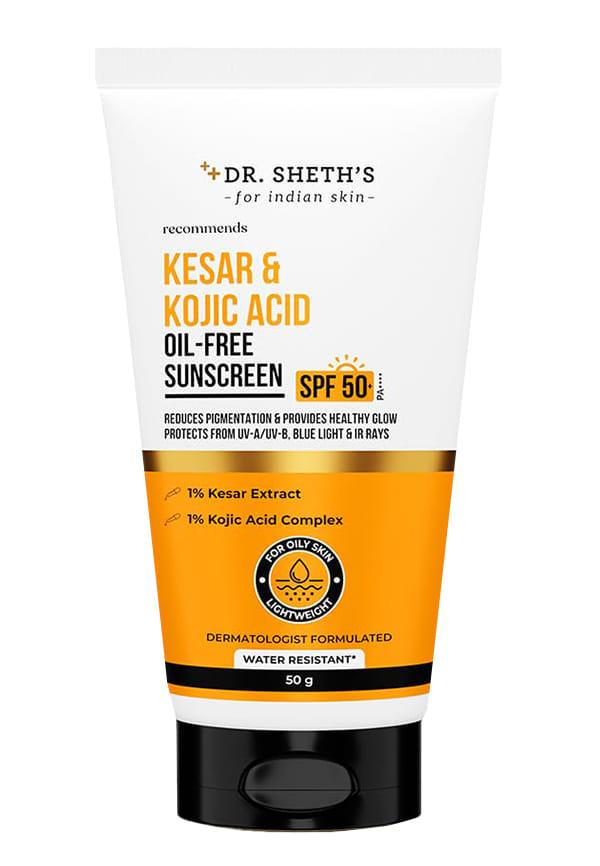 50gm
50gm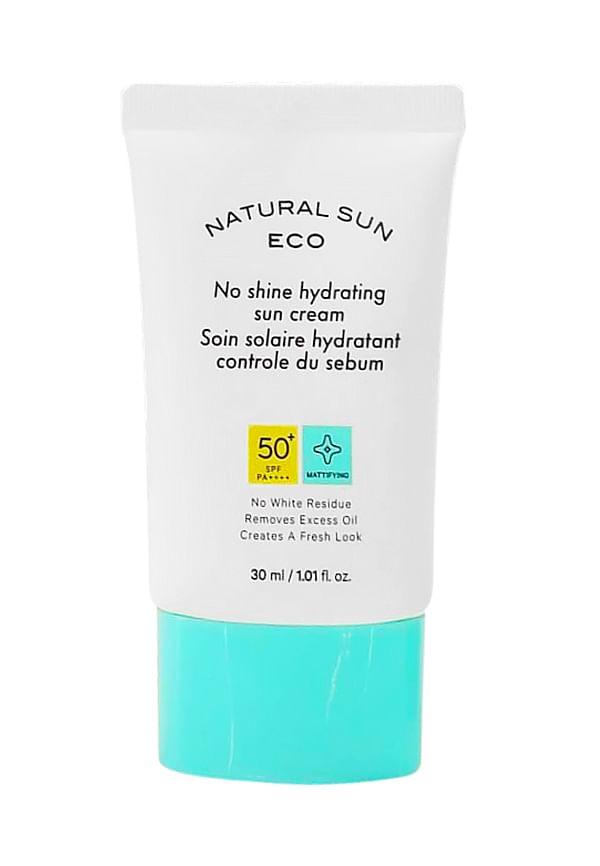 30ml
30ml