Sun Protection for Oily Skin FAQ: Your Questions Answered

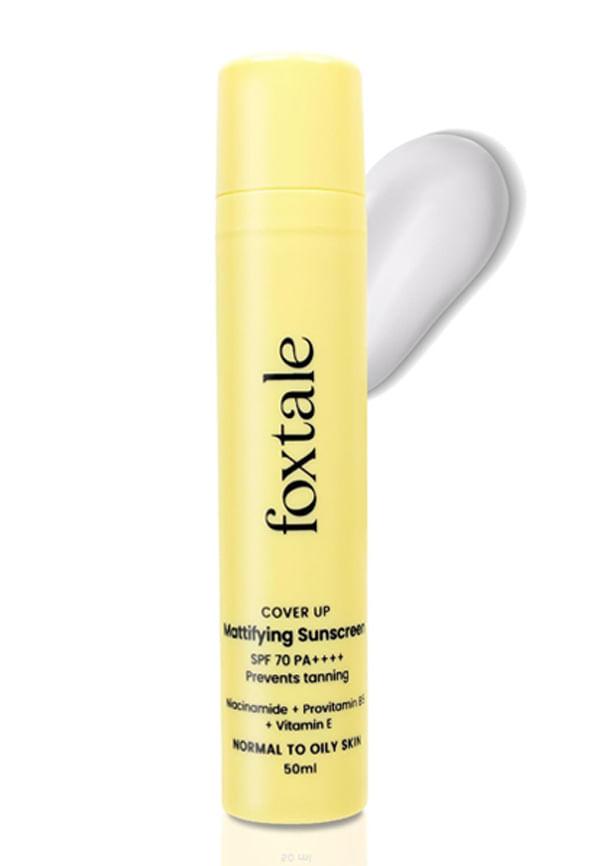 50 ml
50 mlSPF 70 Matte Finish Sunscreen for Oily Skin
You've just stepped out of an air-conditioned office into Mumbai's blazing afternoon sun, and within minutes, your face feels like an oil slick. Sound familiar? If you have oily skin, you've probably wondered whether slathering on sunscreen will make things worse. The truth is, skipping sun protection because you're worried about greasiness is like avoiding umbrellas because you don't want to carry one in the rain. Your skin needs that UV shield, especially when excess sebum and enlarged pores make you more prone to hyperpigmentation and acne scarring. Let's sort through the confusion and find sun protection that actually works with your skin, not against it.
Oily skin comes with its own set of rules, and sun protection is no exception. When your sebaceous glands are already working overtime, the last thing you want is a heavy, greasy sunscreen adding to the chaos. But here's what many people don't realise: oily skin is actually more vulnerable to certain types of sun damage.
UV rays can trigger your oil glands to produce even more sebum, creating a cycle where sun exposure leads to more breakouts. Plus, when you do get spots, the inflammation combined with UV exposure often results in stubborn post-inflammatory hyperpigmentation that can take months to fade. Those dark marks left behind after a pimple heals? Sun exposure makes them darker and more persistent.
The enlarged pores that often come with oily skin can also trap sunscreen if you choose the wrong formula, leading to clogged pores and more breakouts. This is why the "one-size-fits-all" approach to sunscreen simply doesn't work. Your skin needs formulas that understand its unique behaviour.
Not all sunscreen ingredients are created equal, especially when you're dealing with excess oil and breakout-prone areas. The key is finding formulas that offer protection whilst actually helping your skin concerns, rather than making them worse.
Zinc oxide and titanium dioxide are the gold standard for oily, sensitive skin. These mineral ingredients sit on top of your skin rather than absorbing into it, which means they're less likely to clog pores. Zinc oxide has the added benefit of being naturally anti-inflammatory, which can help calm existing breakouts whilst protecting against future sun damage.
Chemical sunscreens can work well too, but they require more careful selection. Look for newer-generation chemical filters that are specifically formulated to be non-comedogenic. The key is avoiding heavy, occlusive formulas that might trap oil and bacteria in your pores.
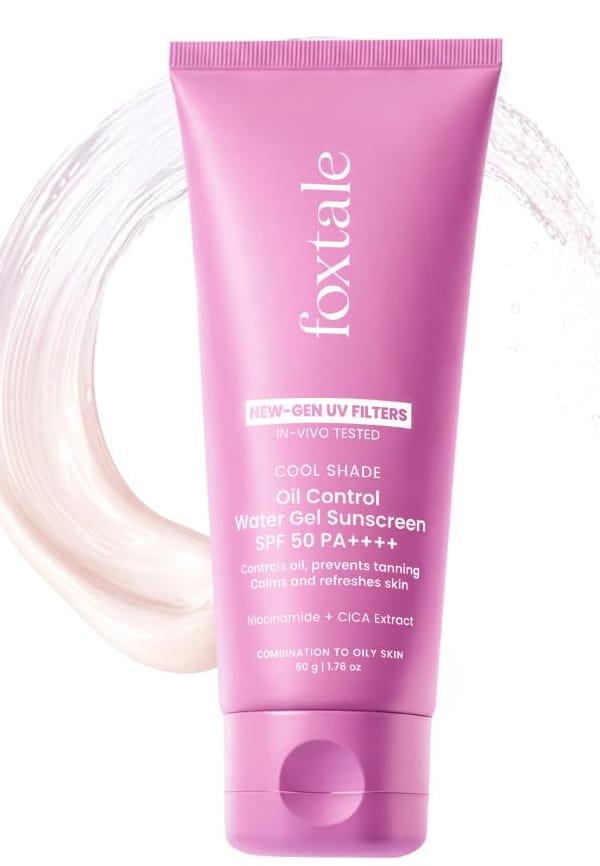 50 gm
50 gmIn-Vivo Tested Lightweight Aqua-Gel Sunscreen for Oily Skin | SPF 50 PA++++
The best sunscreens for oily skin don't just protect—they actively help manage your skin concerns. Niacinamide is a superstar ingredient that regulates oil production whilst providing antioxidant protection against UV damage. Many people find their skin looks less shiny throughout the day when using niacinamide-containing sunscreens.
Salicylic acid in sunscreen formulas can help prevent clogged pores whilst you're getting UV protection. It's particularly helpful if you're prone to congestion around your T-zone or jawline. Just remember to start slowly if you're not already using salicylic acid in your routine.
Walking down the sunscreen aisle can feel overwhelming when every bottle promises to be "perfect for all skin types." Here's how to cut through the marketing and find what actually works for oily skin.
For daily wear, SPF 30 to 50 offers excellent protection without the heavy feel that often comes with higher SPF formulas. Anything above SPF 50 typically requires more occlusive ingredients that can feel heavy on oily skin. Make sure you're choosing broad-spectrum protection—this protects against both UVA rays (which cause ageing and hyperpigmentation) and UVB rays (which cause burning).
Gel-based and fluid formulations tend to work best for oily skin. They absorb quickly and don't leave that sticky residue that can make your skin feel suffocated. Water-based formulas are another excellent option, especially during humid months when your skin is already producing more oil.
Mattifying sunscreens contain ingredients like silica or clay that help absorb excess oil throughout the day. These can be game-changers if you struggle with shine, but be careful not to over-dry your skin. Even oily skin needs some moisture to function properly.
Tinted sunscreens can be brilliant for oily skin because they often have a more matte finish than clear formulas. Plus, the slight coverage can help even out your complexion whilst protecting against UV damage. Look for shades that match your skin tone—a mismatched tint will be obvious and unflattering.
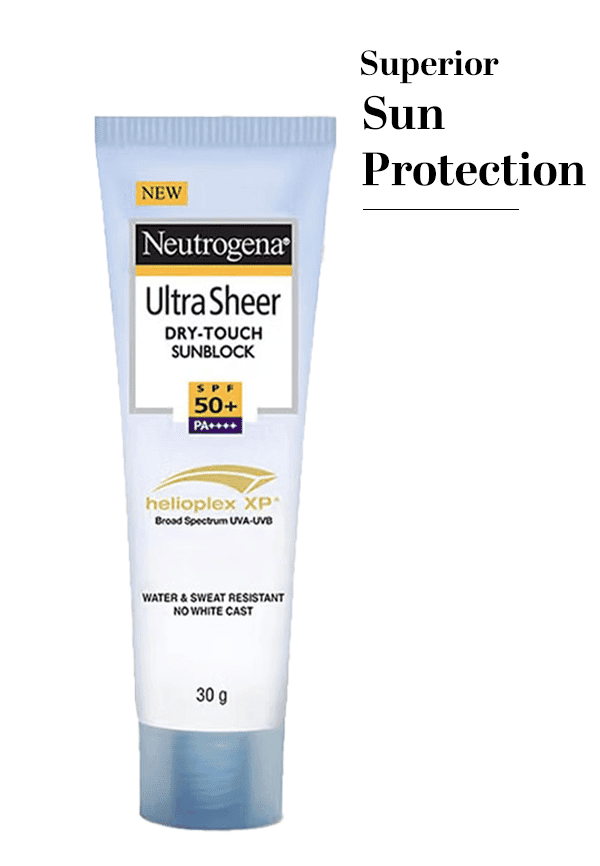 30 ml
30 mlUltra Sheer Sunscreen SPF 50+ - Ultra Light, For Oily And Dry Skin
Having the right sunscreen is only half the battle. How you apply it and integrate it into your routine makes all the difference between protection that works and protection that feels like a burden.
Start with a gentle cleanser that removes overnight oil buildup without stripping your skin. If you're using active ingredients like retinol or AHAs, apply them before your sunscreen but allow a few minutes for absorption. Sunscreen should always be your final skincare step before makeup.
The amount matters more than you think. Most people use about half the amount they need for proper protection. For your face and neck, you need roughly a quarter teaspoon of product—that's more than you probably think. Don't worry if it feels like a lot at first; your skin will adjust.
Reapplying sunscreen over makeup doesn't have to ruin your look. Powder sunscreens are excellent for touch-ups, especially if you have oily skin that tends to get shiny throughout the day. Gently blot away excess oil with a tissue first, then apply the powder sunscreen with a fluffy brush.
If you prefer liquid formulas, pat—don't rub—the sunscreen over your makeup. Use gentle pressing motions to avoid disturbing your foundation underneath.
Not if you choose the right formula. Look for products labelled non-comedogenic and avoid heavy, oil-based formulations. Mineral sunscreens with zinc oxide are often the safest choice for acne-prone skin. Remember, the sun damage from skipping sunscreen will cause more long-term skin issues than a well-chosen sunscreen ever could.
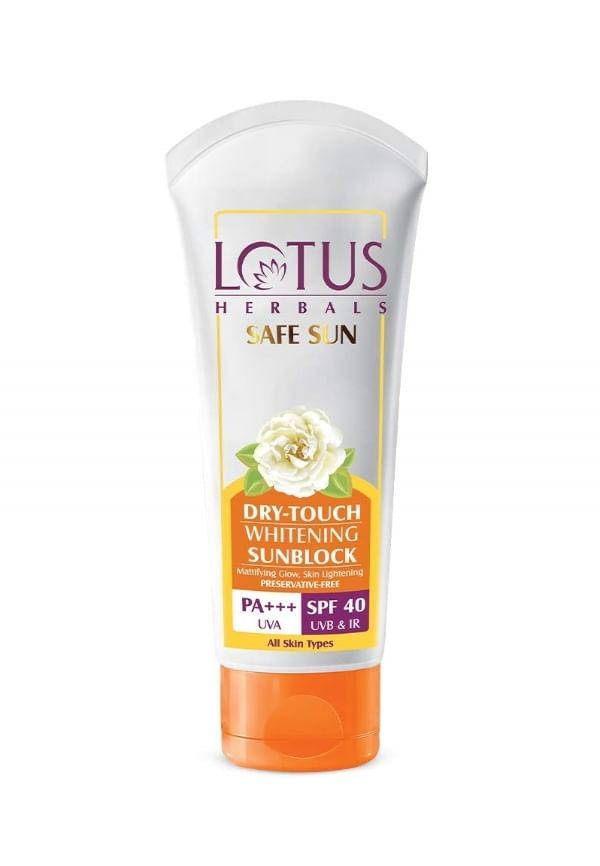 100 gm
Safe Sun Dry-Touch Whitening Sunscreen SPF 40 PA+++
White cast happens when mineral particles sit on top of your skin rather than blending in. Choose tinted formulas or mineral sunscreens specifically formulated for your skin tone. Apply in thin layers and blend thoroughly. Some newer zinc oxide formulations are micronised to reduce white cast significantly.
Your skin's needs change with the seasons. During humid summer months, you might prefer lighter, more mattifying formulas. In winter, especially in air-conditioned environments, you might need something slightly more hydrating. Having two different sunscreens for different seasons is perfectly reasonable.
Your face is more exposed to daily UV rays and tends to be more sensitive than your body. A dedicated facial sunscreen is usually worth the investment because it's formulated for the delicate skin on your face. Body sunscreens can be more economical and don't need to be as cosmetically elegant.
Give your skincare products about 5-10 minutes to absorb before applying sunscreen. This prevents pilling and ensures each product can work effectively. If you're using multiple active ingredients, patience in your morning routine pays off in better skin protection.
Double cleansing is your friend. Start with an oil-based cleanser or micellar water to break down the sunscreen, then follow with your regular gel or foam cleanser. This ensures you're removing all traces of sunscreen and daily grime without over-stripping your skin.
Finding the right sun protection for oily skin isn't about settling for heavy, greasy formulas that make you want to skip sunscreen altogether. It's about understanding that your skin has specific needs and choosing products that work with those needs, not against them. The right sunscreen for oily skin should feel like a natural part of your routine, not a daily struggle.
Remember, consistency trumps perfection every time. A lightweight sunscreen that you'll actually use daily is infinitely better than a "perfect" formula that sits unused in your bathroom drawer. Your future self will thank you for the protection, and your current self will appreciate not having to deal with the greasiness and breakouts that come from sun damage.
If you're curious about trying different formulations before committing to full-size products, Smytten offers minis from many trusted skincare brands. It's a smart way to test how different sunscreens work with your specific skin concerns before making a larger investment. After all, finding your perfect sun protection match is worth taking the time to get right.
