Sun Exposure & Premature Aging on Indian Skin: FAQ


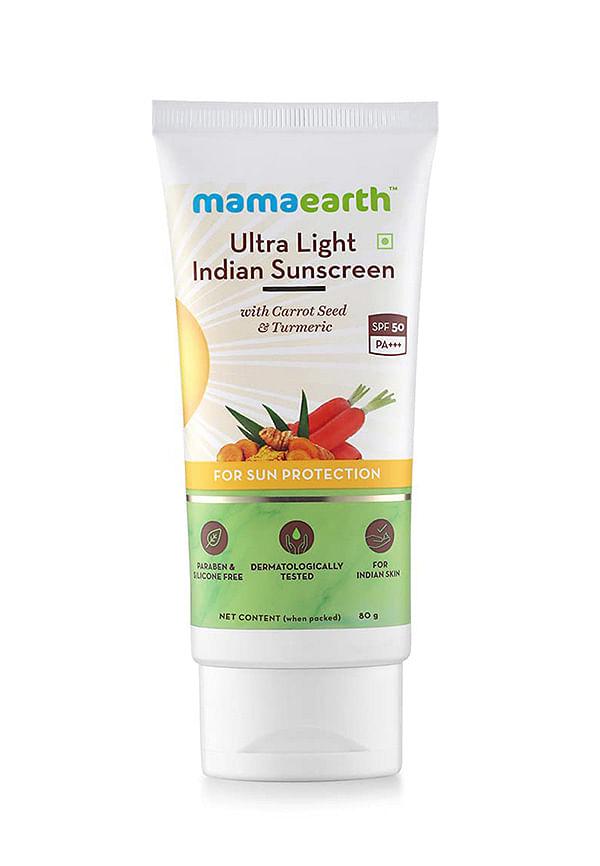
Ultra Light indian Sunscreen
You've probably heard that most visible ageing isn't actually from getting older—it's from the sun. In fact, up to 90% of what we call 'ageing' is really photoageing caused by UV exposure. For those of us in India, where intense sunlight is a year-round reality, this statistic hits differently. Whether you're commuting through Mumbai traffic, working in Delhi's blazing afternoons, or simply hanging washing in your garden, your skin faces constant UV bombardment. The question isn't whether sun exposure affects Indian skin—it's understanding exactly how it happens and what you can do about it.
When we talk about sun exposure skin ageing, we're really discussing a complex biological process that starts the moment UV rays hit your skin. Think of it as invisible damage happening in real-time, even on cloudy days. The science behind this process helps explain why some people seem to age faster than others, and why prevention truly is better than cure.
UVA and UVB rays affect Indian skin differently, but both contribute to premature ageing. UVB rays cause immediate burning—that painful redness after a day at the beach. But UVA rays are the silent agers, penetrating deeper into your skin and causing long-term damage without obvious immediate signs. In India's climate, both types are intense year-round, unlike temperate countries where UV exposure varies seasonally.
Your skin cells contain DNA that gets damaged every time UV rays penetrate. This damage accumulates over years, leading to mutations that affect how your skin produces collagen and elastin—the proteins that keep skin firm and bouncy. The breakdown happens gradually, which is why sun damage often becomes noticeable in your thirties, even though the damage started much earlier.
UV exposure triggers free radical formation in your skin—unstable molecules that damage healthy cells. Think of free radicals as tiny vandals running through your skin, breaking down the structures that keep it looking youthful. This process, called oxidative stress, accelerates when combined with pollution, which is particularly relevant for urban Indian environments.
Your melanocytes—the cells that produce pigment—also go into overdrive when exposed to UV. While this creates a protective tan, chronic exposure leads to uneven pigmentation, dark spots, and melasma. The very mechanism designed to protect you can become a source of cosmetic concern over time.
Indian skin has both protective advantages and specific vulnerabilities when it comes to sun damage. Understanding these helps explain why certain ageing patterns are more common in our skin types, and why generic skincare advice doesn't always apply to us.
Most Indian skin falls into Fitzpatrick skin types III to V, which means we have more natural melanin protection than lighter skin types. This melanin acts like a built-in SPF, providing some defence against UV damage. However, this protection isn't unlimited, and it comes with trade-offs.
While we're less likely to develop deep wrinkles early, we're more prone to pigmentation changes. Indian skin tends to respond to any inflammation—including sun damage—by producing excess melanin. This means that even minor sun exposure can lead to dark spots, uneven tone, and persistent pigmentation that's difficult to fade.
India's unique climate adds another layer of complexity. The combination of intense heat, high humidity, and urban pollution creates a perfect storm for accelerated ageing. AC-induced dryness indoors followed by humid heat outdoors puts constant stress on your skin barrier.
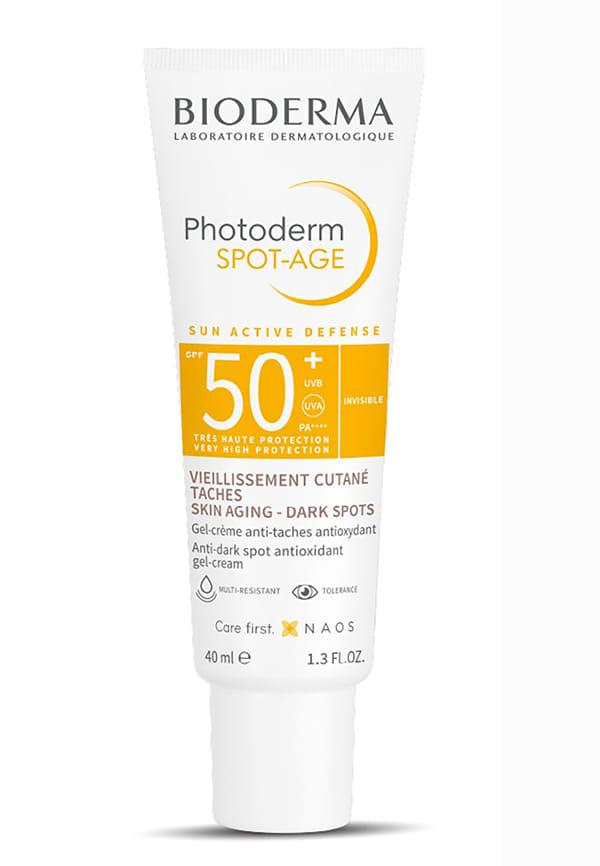
Photoderm Spot Age SPF 50+ Reduces Spots And Wrinkles Antioxidant Boosted Suncare
The first signs of sun-induced skin damage in Indian skin often aren't wrinkles—they're pigmentation changes. You might notice dark spots appearing on your cheeks, forehead, or upper lip area. These areas get the most direct sun exposure and show damage first.
Fine lines typically appear around the eyes first, where skin is thinnest and most vulnerable. The constant squinting in bright sunlight accelerates this process. You might also notice changes in skin texture—that smooth, plump feeling gradually gives way to rougher, less elastic skin.
Understanding the difference between immediate and cumulative effects of sun on skin helps put daily sun protection into perspective. What you see today is just the tip of the iceberg—most damage is happening beneath the surface.
Immediate sun damage includes sunburn, which is essentially skin inflammation. Even if you don't burn easily due to your skin type, inflammation is still occurring at a cellular level. You might notice your skin feeling tight, looking slightly darker, or developing small bumps after intense sun exposure.
Your skin barrier also takes an immediate hit from UV exposure. This leads to increased water loss, making your skin feel dehydrated and look dull. If you've ever noticed your skin looking tired and lacklustre after a day in the sun, this barrier disruption is likely the cause.
The real concern lies in cumulative damage that builds over years. Research shows that chronic sun exposure can reduce collagen production by up to 60% in severely sun-damaged skin. This isn't just about vanity—collagen is essential for skin structure, wound healing, and overall skin health.
Deep wrinkles, permanent pigmentation changes, and loss of skin elasticity are all results of this chronic damage. Perhaps most concerning is the increased risk of skin cancer, which, while less common in darker skin types, still poses a real threat with cumulative UV exposure.
Effective Indian skin sun protection requires understanding our specific climate and lifestyle challenges. Generic advice often falls short because it doesn't account for India's intense year-round UV levels and unique environmental factors.
For Indian conditions, SPF 30 is the absolute minimum, but SPF 50 is more realistic for daily use. The intense UV levels mean that lower SPF simply isn't adequate. Broad-spectrum protection is non-negotiable—you need defence against both UVA and UVB rays.
Reapplication is where most people fail. In India's climate, you need to reapply sunscreen every 2-3 hours, especially if you're outdoors or sweating. This might seem excessive, but it's the difference between effective protection and false security.
Don't forget often-missed areas: your ears, neck, hands, and the area around your eyes. These spots often show the first signs of ageing because they're frequently exposed but rarely protected adequately.

Soorya Kawach Sunscreen
Avoiding peak UV hours (10 AM to 4 PM) when possible makes a significant difference. If you must be outdoors during these times, seek shade whenever available and wear protective clothing. Wide-brimmed hats and UV-protective sunglasses aren't just accessories—they're essential tools for preventing premature ageing.
Consider indoor UV exposure too. Sitting near windows, especially during long commutes or office hours, exposes you to UVA rays that penetrate glass. This low-level chronic exposure adds up over time.
While prevention is ideal, it's never too late to start protecting your skin and addressing existing damage. The key is understanding what works for Indian skin types and what might cause more harm than good.
Retinoids are gold standard for stimulating collagen production and improving skin texture. However, Indian skin can be sensitive to retinoids, especially when combined with sun exposure. Start slowly and always use them at night with proper sun protection during the day.
Vitamin C serums provide antioxidant protection and can help with pigmentation over time. Look for stable forms like magnesium ascorbyl phosphate, which work well in India's humid climate. Niacinamide is another excellent option for Indian skin—it helps with pigmentation, oil control, and barrier repair.
Chemical peels can be effective for Indian skin but require careful selection. Lighter peels with glycolic or lactic acid can help with pigmentation and texture, but deeper peels carry risks of post-inflammatory hyperpigmentation in darker skin types.
Always consult a dermatologist familiar with Indian skin before starting any professional treatments. What works for other skin types might not be appropriate for yours, and the risk of worsening pigmentation is real if treatments aren't chosen carefully.
UV radiation damages skin DNA, breaks down collagen and elastin fibres, and triggers chronic inflammation. In Indian skin, this process often manifests as pigmentation changes before wrinkles appear. The constant year-round UV exposure in India accelerates this damage compared to seasonal climates.
Indian skin contains more melanin, which provides natural protection against deep wrinkles but makes it more prone to pigmentation changes. The skin responds to UV damage by producing excess melanin, leading to dark spots and uneven tone rather than immediate wrinkling.
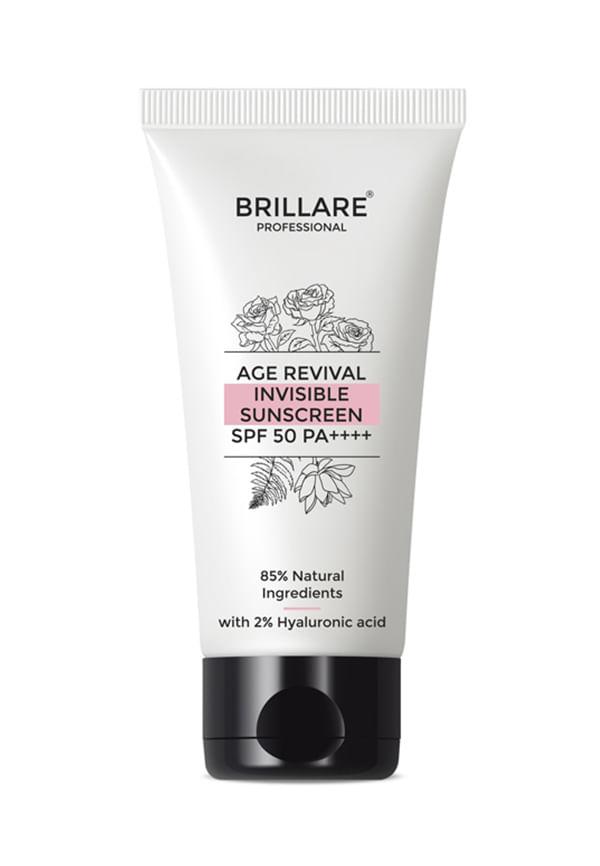
Age Revival INVISIBLE Sunscreen
Some sun damage can be improved with consistent treatment, but complete reversal isn't always possible. Pigmentation changes often respond well to targeted treatments, while structural damage like deep wrinkles is harder to reverse. Prevention of further damage is always more effective than attempting reversal.
SPF 30 is the minimum, but SPF 50 is more appropriate for India's intense UV levels. Broad-spectrum protection is essential, and reapplication every 2-3 hours is crucial for maintaining effectiveness, especially in humid conditions where sunscreen can wear off quickly.
Sun protection should begin in childhood, but it's beneficial to start at any age. The earlier you begin, the more damage you prevent. Even if you're already seeing signs of sun damage, consistent protection prevents further deterioration and allows existing damage to potentially improve.
Pollution creates additional free radicals that compound UV damage, accelerating the ageing process. Urban environments in India expose skin to both intense UV radiation and high pollution levels, creating a double burden that requires comprehensive protection strategies.
Strong acids and high-concentration retinoids can cause irritation and post-inflammatory hyperpigmentation in Indian skin. Hydroquinone, while effective for pigmentation, should only be used under dermatological supervision. Always patch test new products and introduce them gradually.
Pigmentation changes may start improving in 6-8 weeks with consistent treatment, while structural improvements take 3-6 months. Patience is key—Indian skin often takes longer to show results but responds well to gentle, consistent care.
Understanding how sun exposure causes premature ageing on Indian skin empowers you to make informed decisions about protection and treatment. The key insight is that our skin's natural advantages—higher melanin content and thicker dermis—come with specific vulnerabilities that require tailored approaches.
Your daily sun protection routine is an investment in how your skin will look and feel decades from now. While the damage from years of unprotected exposure can't be completely undone, consistent protection prevents further deterioration and often allows existing damage to improve gradually.
Remember that effective skincare for Indian skin isn't about following trends—it's about understanding your skin's unique needs and responding appropriately. Whether you're dealing with early signs of sun damage or working to prevent future issues, the right approach makes all the difference.
If you're curious about trying new sun protection products or treatments but hesitant to commit to full sizes, Smytten offers an excellent way to test products from trusted brands before investing. With over 28 million users discovering products through trial-sized options, it's a smart approach to finding what works for your specific skin needs without the guesswork.
