Sun Damage Hyperpigmentation vs Hormonal Melasma: Key Differences

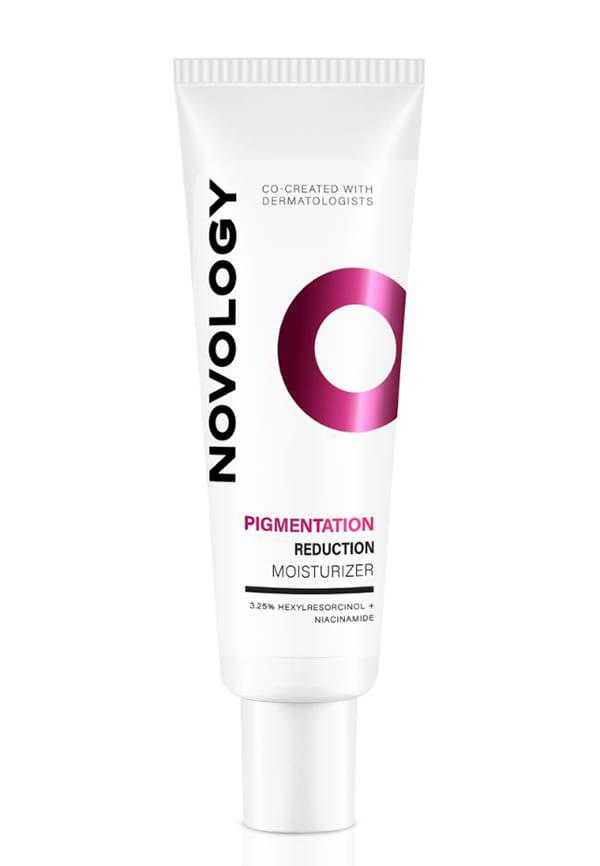
Pigmentation Moisturiser, Face Cream for Hyperpigmentation & Dark Spots
Dark spots on your face can be seriously confusing. One day you're dealing with what looks like sun damage, the next you're wondering if it's something hormonal. The truth is, hyperpigmentation due to sun damage vs hormonal melasma differences are more significant than you might think. These two conditions look similar but have completely different root causes, patterns, and treatment approaches. Understanding which one you're dealing with is the first step towards finding the right solution for your skin.
Let's start with the basics. Your skin produces melanin production through specialised cells called melanocytes. Think of melanin as your skin's natural umbrella—it's supposed to protect you from UV damage by creating that lovely tan. But sometimes, this system goes a bit haywire.
When melanocytes get overstimulated, they start pumping out melanin like there's no tomorrow. This creates those frustrating dark patches that seem to appear overnight. The triggers can be anything from sun exposure to hormonal changes, inflammation, or even certain medications.
Some people are naturally more prone to pigmentation issues. If you've got olive or darker skin tones, your melanocytes are already pretty active. Add in factors like genetics, age, or hormonal fluctuations, and you might find yourself dealing with uneven skin tone more often than your fair-skinned mates.
Sun damage hyperpigmentation is exactly what it sounds like—dark spots caused by too much UV exposure over time. These spots are your skin's way of saying "remember all those beach holidays without proper SPF?"
UV radiation literally damages your melanocytes, causing them to produce melanin unevenly. The result? Those scattered dark spots on face, hands, shoulders, and anywhere else that's seen too much sun. You might hear them called age spots, sunspots, or solar lentigines—they're all the same thing.
Sun damage typically shows up as:
Small, round or oval spots
Brown or black colour
Scattered randomly across sun-exposed areas
More prominent on hands, face, and décolletage
Gradually darkening with continued sun exposure
The timeline for sun damage development can span decades. Those spots you're seeing now might be the result of sun exposure from years ago. It's like your skin has a memory, and unfortunately, it doesn't forget those sunburns from your teens.
Melasma is a completely different beast. This condition is driven by hormonal melasma causes, particularly fluctuations in oestrogen and progesterone. It's often called the "pregnancy mask" because it commonly appears during pregnancy, but it can affect anyone experiencing hormonal changes.
Unlike sun damage, melasma creates larger, more symmetrical patches of discolouration. It loves to appear on your forehead, cheeks, nose, and upper lip—basically creating a mask-like pattern across your face. About 90% of melasma cases occur in women, thanks to hormonal fluctuations from pregnancy, birth control, or hormone replacement therapy.
The main culprits behind melasma include:
Pregnancy hormones
Oral contraceptives
Hormone replacement therapy
Thyroid dysfunction
Genetic predisposition
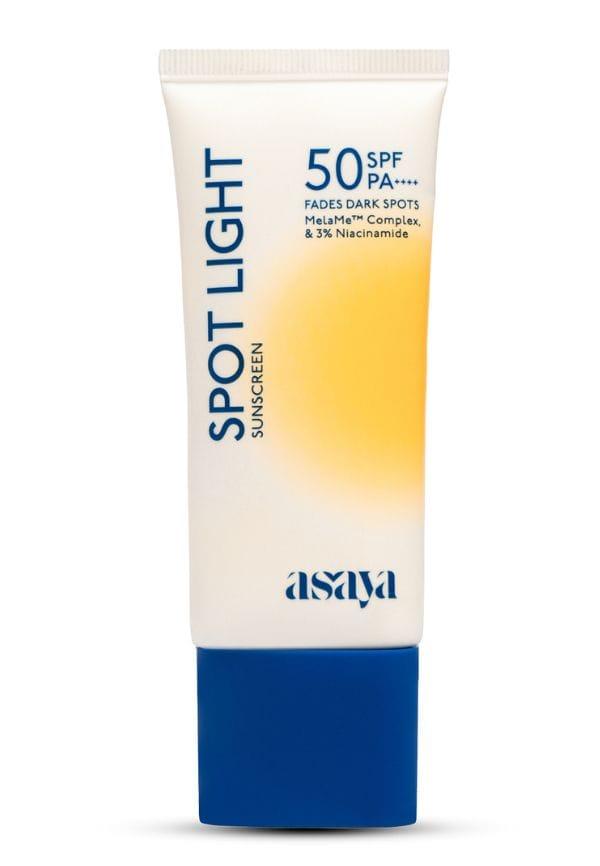
Spot Light Sunscreen SPF 50 PA++++
Interestingly, melasma often has a genetic component. If your mum or grandmother dealt with it, there's a good chance you might too. The condition can also be triggered or worsened by sun exposure, which is why many people confuse it with sun damage.
Now for the million-pound question: how do you tell melasma vs sunspots apart? The differences are actually quite clear once you know what to look for.
Melasma appears in symmetrical patterns, often mirroring on both sides of your face. Sun damage, on the other hand, shows up randomly wherever you've had the most UV exposure.
Sun damage typically appears as brown or black spots. Melasma can range from brown to grey or even blue-grey, depending on how deep the pigmentation sits in your skin.
Sun spots are usually small and round. Melasma creates larger, irregular patches that can cover significant areas of your face.
Here's a telling difference: melasma often gets darker in summer and lighter in winter. Sun damage tends to be more consistent year-round, though it can darken with additional exposure.
Understanding the hyperpigmentation due to sun damage vs hormonal melasma differences means looking at what's happening beneath the surface. These conditions have completely different triggers and mechanisms.
Sun damage is straightforward—it's cumulative UV exposure over time. Every sunburn, every day at the beach without proper protection, every walk in the sun adds up. Your skin essentially keeps a tally, and eventually, those damaged melanocytes start producing pigment irregularly.
The process involves:
UV radiation penetrating skin layers
DNA damage in melanocytes
Irregular melanin production
Cumulative damage over years
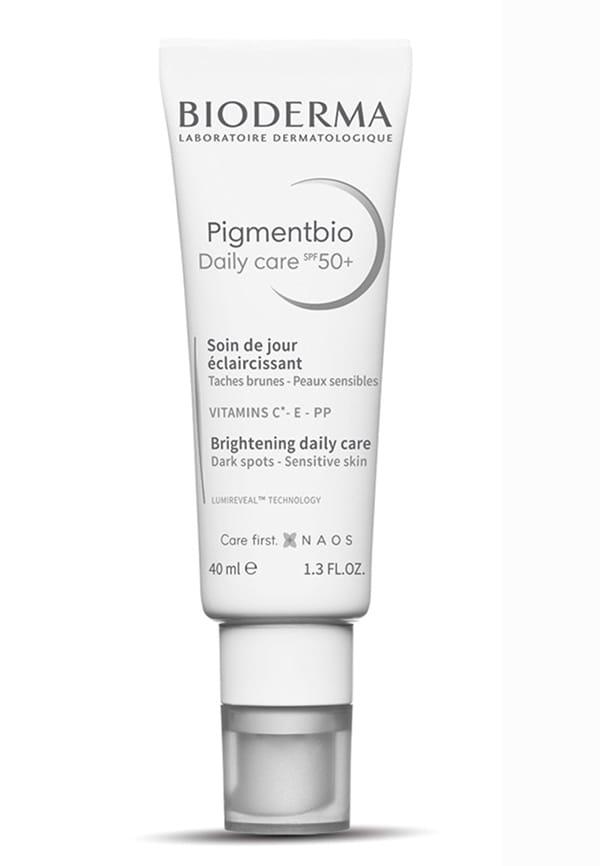
Pigmentbio Daily Care SPF 50+ Brightening Cream for Dark Spots & Senstive Skin
Melasma works differently:
Hormonal fluctuations trigger melanocyte activity
Increased sensitivity to UV exposure
Deeper pigmentation in skin layers
Often reversible when hormones stabilise
The tricky part is that sun exposure can worsen melasma, which is why many people think they're dealing with sun damage when it's actually hormonal. This overlap makes proper diagnosis crucial for effective treatment.
When it comes to hyperpigmentation treatment, one size definitely doesn't fit all. What works brilliantly for sun damage might be too harsh for melasma, and vice versa.
The key is understanding that these conditions need different approaches. Sun damage responds well to more aggressive treatments, while melasma requires a gentler, more consistent approach.
For sun damage, you can be more aggressive with your skin brightening products:
Vitamin C serums for antioxidant protection
Retinoids to increase cell turnover
Chemical peels for surface exfoliation
Laser treatments for stubborn spots
Hydroquinone for targeted lightening
Melasma needs a more delicate touch:
Gentle acids like kojic acid or arbutin
Consistent sunscreen use (non-negotiable)
Hormone regulation when possible
Patience—treatments take longer to show results
Avoiding inflammatory treatments
This is where platforms like Smytten become invaluable. With access to trial packs from trusted brands like Dot & Key and Cetaphil, you can test different pigmentation solutions without committing to full-size products. Finding the right treatment often involves trial and error, and Smytten's approach lets you explore various options affordably.
Sometimes you're dealing with both conditions simultaneously. In these cases, you'll need a layered approach that addresses both sun damage and hormonal triggers. Start gentle and build up your routine gradually.
While understanding the differences between these conditions is helpful, professional diagnosis is often necessary for proper treatment. A dermatologist can use specialised tools to determine the depth and type of pigmentation you're dealing with.
Consider professional help if you notice sudden changes in your pigmentation, spots that are growing or changing colour, or if over-the-counter treatments aren't working after several months of consistent use.
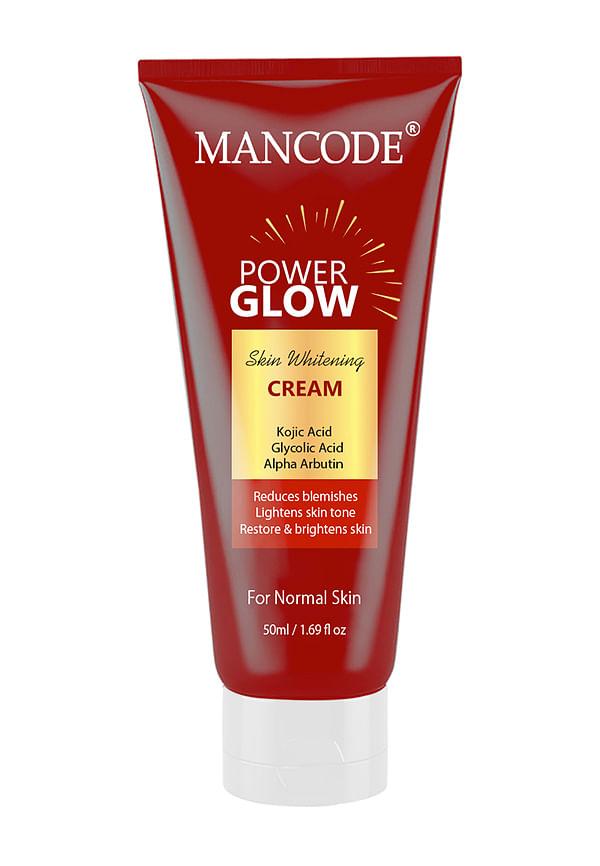
Power Glow Skin Whitening Cream Reduces Dark Spots
Your dermatologist might use:
Wood's lamp examination to see deeper pigmentation
Dermoscopy for detailed spot analysis
Medical history review for hormonal triggers
Biopsy in rare cases of suspicious spots
Professional diagnosis ensures you're treating the right condition with the right approach, potentially saving you months of ineffective treatments.
Look at the pattern and timing. Melasma appears symmetrically on both sides of your face and often coincides with hormonal changes like pregnancy or starting birth control. Sun damage appears randomly on sun-exposed areas and develops gradually over years of UV exposure.
Melasma is primarily caused by hormones, but sun exposure can trigger and worsen it. Think of hormones as loading the gun and sun exposure as pulling the trigger. This is why melasma often appears during pregnancy but gets darker in summer.
Absolutely. Many people have both conditions simultaneously, which can make treatment more complex. You might have underlying sun damage from years of UV exposure, with melasma patches overlaying certain areas due to hormonal changes.
Sun damage typically responds more predictably to treatment, while melasma can be more stubborn and prone to recurrence. However, melasma sometimes improves on its own when hormones stabilise, such as after pregnancy or stopping birth control.
Consistent sunscreen use is crucial for both. For melasma, managing hormonal triggers when possible and being extra vigilant about sun protection during hormonal changes can help prevent flare-ups.
Understanding the differences between sun damage hyperpigmentation and hormonal melasma is crucial for effective treatment. While both conditions can be frustrating, knowing what you're dealing with helps you choose the right approach and set realistic expectations.
Remember, treating pigmentation is often a marathon, not a sprint. Whether you're dealing with years of sun damage or hormone-triggered melasma, consistency is key. Start with gentle products, protect your skin religiously, and be patient with the process.
Smytten's trial platform makes this journey easier by letting you test various skin discoloration remedies from over 1,500 trusted brands without the commitment of full-size purchases. With trial packs available for just ₹249 and 100% cashback on your purchase, you can explore different treatments until you find what works for your specific type of pigmentation. After all, why settle for 'maybe' when you can Try It All and find the perfect solution for your skin?
