Stress and Skin Health: Your Questions Answered
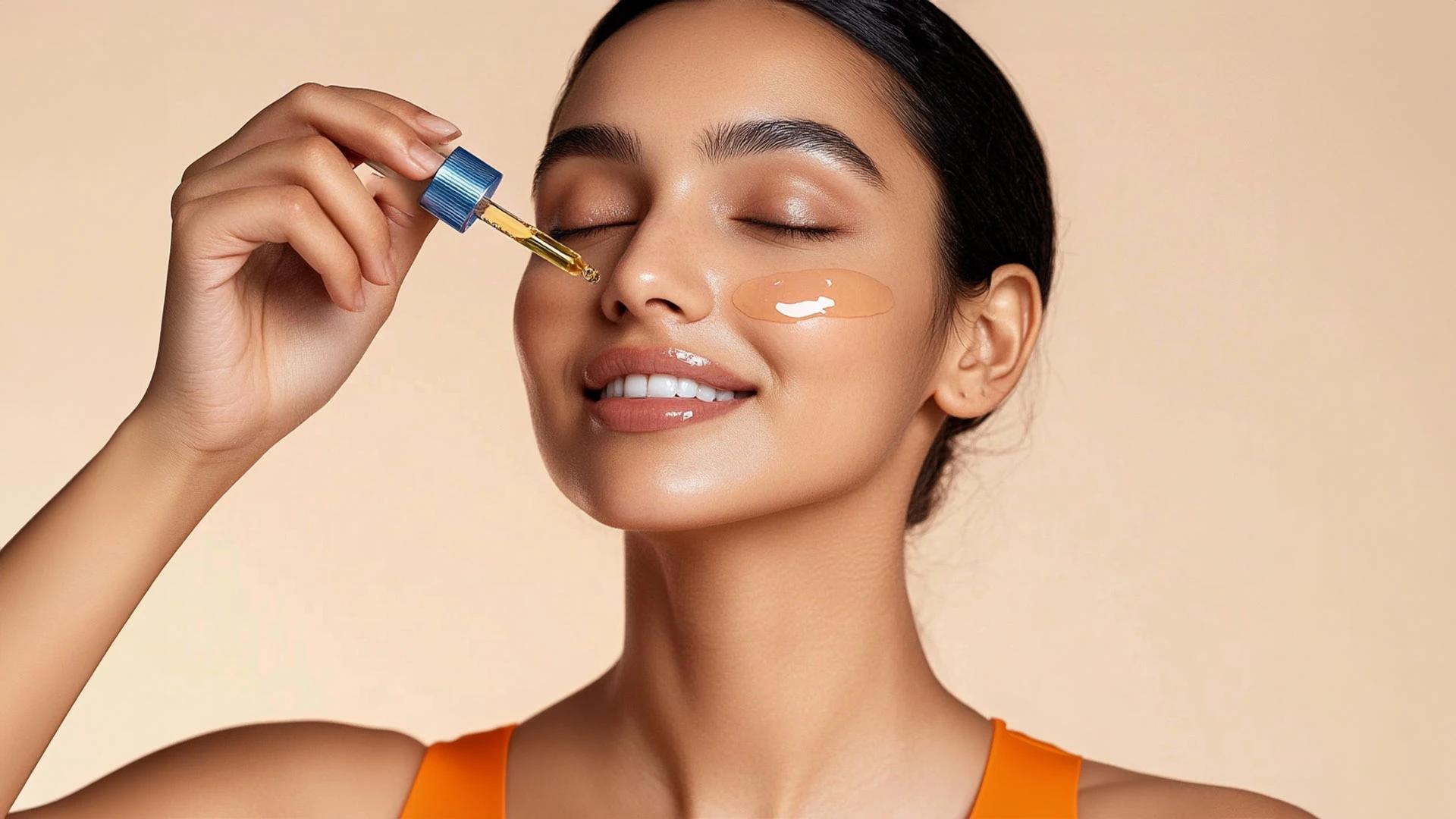

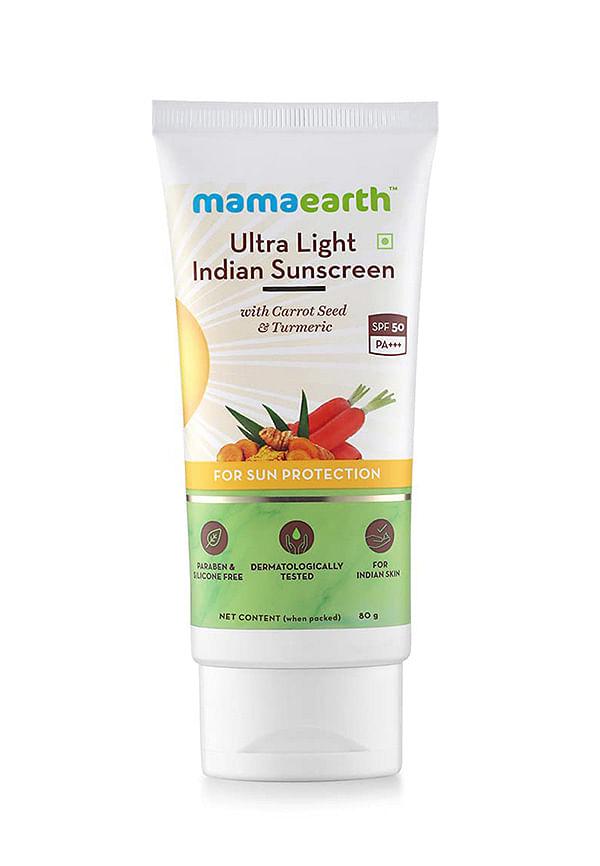
Ultra Light indian Sunscreen
Ever noticed how your skin seems to break out right before a big presentation or develops mysterious red patches during exam season? You're not imagining things. The connection between your mental state and your skin is real, scientifically proven, and more common than you might think. When stress levels spike, your skin often becomes the first casualty, displaying everything from stubborn breakouts to unexplained rashes. Understanding this intricate relationship between stress and skin health can help you better manage both your mental wellbeing and your complexion.
Your brain and skin are more connected than you might realise. This fascinating relationship, known as the brain-skin axis, explains why emotional stress can manifest as physical skin problems. When you're stressed, your body releases cortisol and other stress hormones that directly impact your skin's function and appearance.
The process begins in your brain's hypothalamic-pituitary-adrenal axis, which responds to stress by flooding your system with hormones. These hormones don't just affect your mood—they travel through your bloodstream and influence every organ in your body, including your skin. Cortisol, often called the stress hormone, is particularly problematic for skin health as it triggers inflammation and disrupts your skin's natural barrier function.
When cortisol levels remain elevated due to chronic stress, your skin suffers in multiple ways. This hormone increases oil production by stimulating your sebaceous glands, leading to clogged pores and stress acne. Additionally, cortisol breaks down collagen and elastin—the proteins responsible for keeping your skin firm and youthful—accelerating the ageing process.
The inflammatory response triggered by stress hormones also compromises your skin's ability to heal and regenerate. This means that existing skin conditions like eczema or psoriasis often worsen during stressful periods, whilst new issues like sensitivity and irritation become more common.
Immediate stress responses can appear within hours, manifesting as flushing, increased sensitivity, or the beginning of a breakout. However, chronic stress effects develop over weeks or months, leading to more persistent issues like premature ageing, ongoing acne, or chronic inflammatory conditions.
Recognising the signs of stress on your skin is the first step towards addressing the underlying causes. Your skin often serves as an early warning system, displaying stress-related symptoms before you might even realise you're overwhelmed.
Stress acne is perhaps the most common and recognisable sign. Unlike hormonal acne that typically appears along the jawline, stress-induced breakouts often cluster around the T-zone—your forehead, nose, and chin. These breakouts tend to be inflammatory, appearing as red, painful bumps rather than simple blackheads.
Stress rash is another immediate reaction that can appear anywhere on your body. These rashes often manifest as red, itchy patches or small bumps, particularly on areas like your chest, neck, or arms. The skin may feel warm to the touch and appear blotchy or uneven in colour.
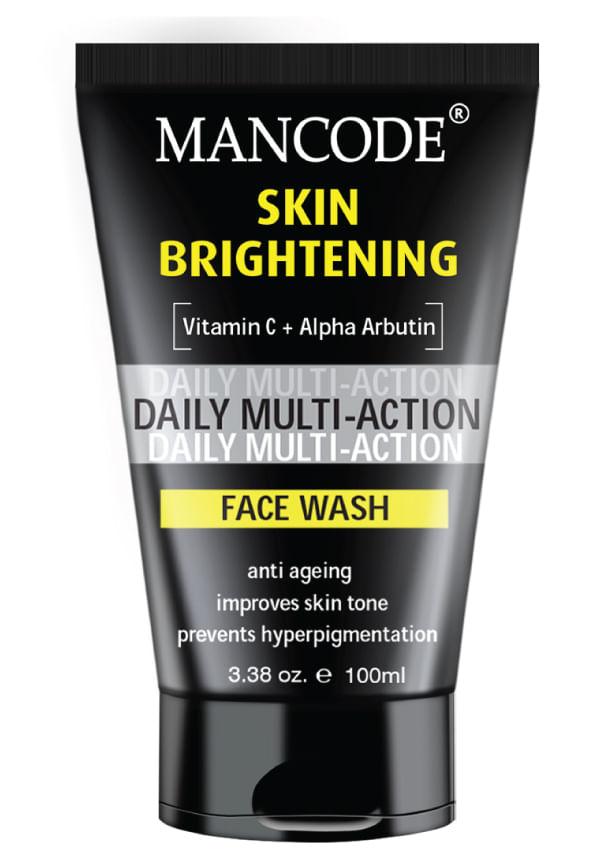
Skin Brightening Face Wash Anti Ageing Improves Skin Tone Multi Double Action Skin Purifying Face Wash
Increased skin sensitivity is also common during stressful periods. Products that normally don't bother your skin might suddenly cause stinging, burning, or irritation. Your skin may also take longer to heal from minor cuts, scratches, or existing blemishes.
Long-term stress creates more persistent changes in your skin's appearance and health. You might notice a dull, tired complexion that lacks its usual radiance. This happens because stress disrupts your skin's natural renewal process, causing dead skin cells to accumulate on the surface.
Dehydration is another common issue, as stress hormones can impair your skin's ability to retain moisture. This leads to increased flakiness, rough texture, and the appearance of fine lines. Dark circles and puffiness around your eyes often become more pronounced, as stress affects your sleep quality and circulation.
Stress doesn't just cause temporary skin issues—it can trigger or worsen existing skin conditions. Understanding these stress-related skin conditions helps you identify when your skin problems might be connected to your mental state rather than external factors like products or environmental irritants.
Psoriasis is particularly sensitive to stress triggers. Many people with psoriasis report that their flare-ups coincide with periods of high stress, work pressure, or emotional upheaval. The inflammatory nature of stress hormones can cause existing psoriatic plaques to become redder, more scaly, and more extensive.
Eczema and atopic dermatitis often worsen during stressful times. The compromised skin barrier function caused by elevated cortisol makes your skin more susceptible to irritants and allergens. This creates a cycle where stress worsens eczema, and the discomfort of eczema creates more stress.
Rosacea is another condition that frequently flares during stressful periods. The facial flushing and inflammation characteristic of rosacea can be triggered by the same stress hormones that affect other aspects of your skin health.
Your scalp isn't immune to stress-related problems either. Many people wonder, "Can stress cause sores on scalp?" The answer is yes—stress can lead to various scalp conditions including increased dandruff, seborrheic dermatitis, and even stress-related hair loss. The scalp's sebaceous glands respond to stress hormones similarly to facial skin, leading to increased oil production and potential inflammation.
The good news is that managing stress for healthy skin is entirely possible with the right approach. Since the connection between stress and skin is bidirectional, improving your stress management can lead to noticeable improvements in your complexion.
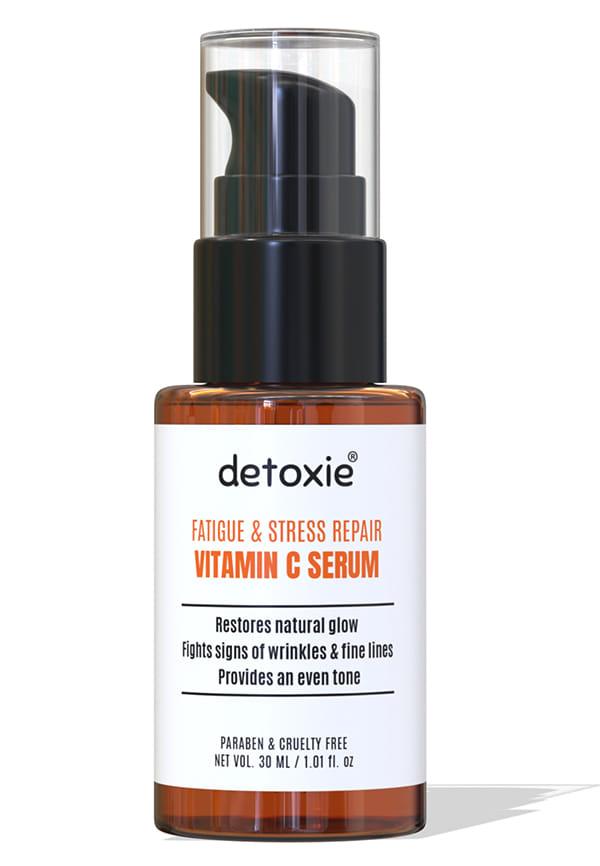
Fatigue & Stress Repair Vitamin C face Serum
Effective stress management begins with identifying your personal stress triggers and developing healthy coping mechanisms. Regular exercise is particularly beneficial as it helps reduce cortisol levels whilst improving circulation, which benefits your skin's health and appearance.
Meditation and mindfulness practices have been shown to reduce cortisol levels and improve skin conditions. Even just 10-15 minutes of daily meditation can help regulate your stress response and reduce inflammation throughout your body, including your skin.
Quality sleep is crucial for both stress management and skin health. During sleep, your body repairs and regenerates skin cells whilst reducing stress hormone production. Aim for 7-9 hours of consistent, quality sleep to support your skin's natural healing processes.
Your diet plays a significant role in both stress management and skin health. Foods rich in omega-3 fatty acids, antioxidants, and vitamins can help reduce inflammation and support your skin's barrier function. Avoiding excessive caffeine and sugar can also help stabilise your stress response.
Creating a calming skincare routine can serve as a form of self-care that benefits both your mental state and your skin. Choose gentle, soothing products and take time to enjoy the ritual of caring for your skin.
When your skin is compromised by stress, it requires extra gentle care and targeted ingredients. Building a skincare routine specifically designed for stress-affected skin can help accelerate recovery and prevent further damage.
Focus on gentle, non-irritating products that support your skin's barrier function. Ingredients like niacinamide, ceramides, and hyaluronic acid can help calm inflammation and restore moisture balance. Avoid harsh scrubs, strong acids, or aggressive treatments when your skin is in a stressed state.
Look for products containing calming ingredients like centella asiatica, chamomile, or green tea extract. These botanicals have anti-inflammatory properties that can help reduce redness and sensitivity. Peptides can also help support collagen production and skin repair processes that may be compromised by stress.
For stress acne, choose gentle salicylic acid or benzoyl peroxide treatments rather than harsh scrubs. These ingredients can help unclog pores without over-drying or irritating already sensitive skin.
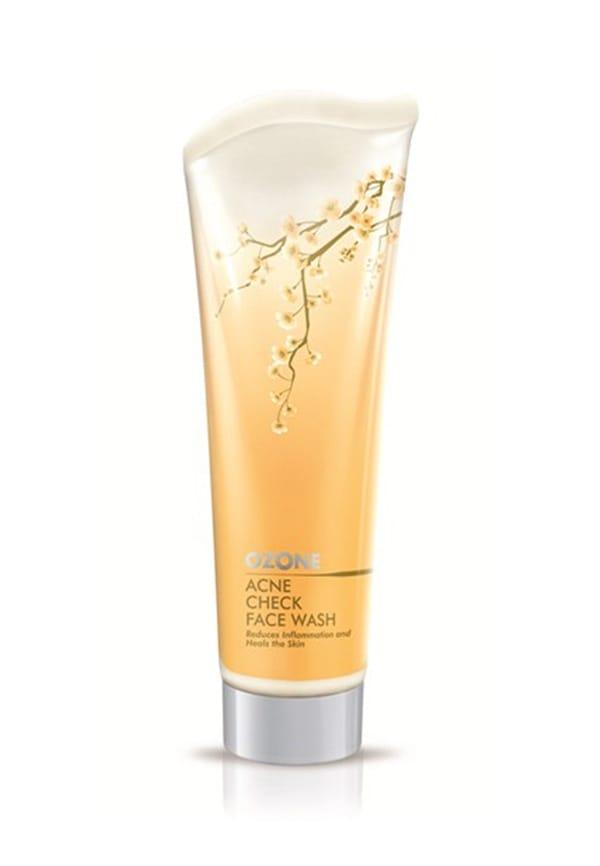
Acne Check Face Wash for Acne-Prone & Oily Skin
The most common signs include stress acne (particularly in the T-zone), increased sensitivity, stress rash appearing as red patches or bumps, dull complexion, dehydration, delayed healing of blemishes, and dark circles. You might also notice that existing skin conditions like eczema or psoriasis worsen during stressful periods.
Stress acne typically appears 2-7 days after a stressful event. This delay occurs because it takes time for stress hormones to stimulate oil production and for clogged pores to develop into visible breakouts. However, if you're dealing with chronic stress, you might notice ongoing breakouts rather than isolated incidents.
Stress acne most commonly appears in the T-zone area—your forehead, nose, and chin. This differs from hormonal acne, which typically appears along the jawline and lower face. Stress breakouts often manifest as inflamed, red bumps rather than simple blackheads or whiteheads.
Yes, stress rash can appear anywhere on your body, though it's most common on the chest, neck, arms, and face. These rashes often appear as red, itchy patches or small bumps and may feel warm to the touch. The rash typically resolves once stress levels decrease and proper skincare is maintained.
Recovery time varies depending on the severity and duration of stress exposure. Acute stress-related issues like sensitivity or minor breakouts may resolve within 1-2 weeks of stress reduction. However, chronic stress effects like premature ageing or persistent acne may take several months of consistent stress management and proper skincare to improve significantly.
While most stress-related skin issues are reversible, chronic, long-term stress can contribute to permanent changes like premature ageing, loss of skin elasticity, and persistent hyperpigmentation from repeated breakouts. However, with proper stress management and skincare, you can prevent further damage and improve your skin's overall health and appearance.
Understanding the connection between stress and skin health empowers you to take a holistic approach to skincare. Rather than simply treating symptoms, addressing the underlying stress can lead to more effective, long-lasting improvements in your skin's health and appearance.
Remember that managing stress-induced skin issues requires patience and consistency. Both stress management techniques and skincare routines take time to show results, but the benefits extend far beyond your complexion to your overall wellbeing.
If you're looking to rebuild your skincare routine after stress-related damage, Smytten's curated selection includes gentle, effective products from trusted brands that can help restore your skin's health. With over 28 million users discovering products that work for their unique needs, you can find targeted solutions for stress-affected skin. The platform's trial options also let you test products before committing to full sizes, ensuring you find the right ingredients for your skin's recovery journey.
