SPF 50 vs SPF 30: What Indian Skin Needs in Summer


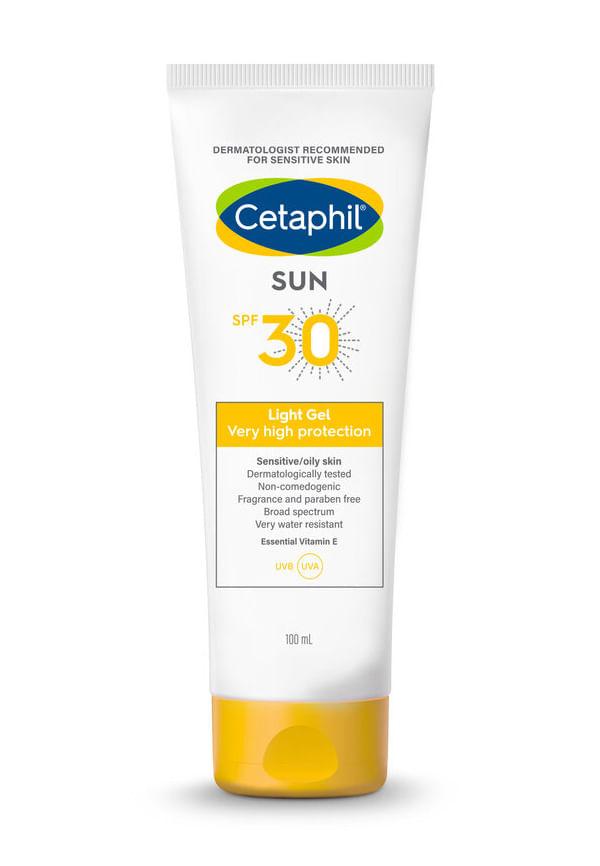 100 ml
Sun Spf 30+ Gel
Summer in India hits different, doesn't it? With UV index levels soaring between 8-11+ across most cities, choosing the right sunscreen becomes less about preference and more about survival. The age-old debate of SPF 50 vs SPF 30 gets even more crucial when you factor in India's intense heat, humidity, and year-round sun exposure. Let's break down what your skin actually needs to stay protected without the confusion.
Here's the thing about sun protection factor – it's not just a random number slapped on bottles. SPF measures how well a sunscreen protects against UVB rays, the ones responsible for sunburn and skin cancer. SPF 30 blocks about 97% of UVB rays, while SPF 50 blocks around 98%. That 1% difference might seem tiny, but in India's blazing summers, every bit of protection counts.
India's geographic location puts us right in the UV danger zone. Cities like Delhi, Mumbai, and Bangalore regularly see UV index readings that would make dermatologists everywhere nervous. The closer you are to the equator (looking at you, Chennai and Kochi), the more intense that UV exposure becomes. Factor in reflection from concrete, sand, and water, and you're dealing with UV levels that can cause damage in as little as 10-15 minutes without protection.
Real talk – our summers aren't just hot, they're UV intense. The combination of high altitude in places like Shimla and Darjeeling, plus the tropical climate in coastal areas, creates a perfect storm for UV damage. Even during monsoons, up to 80% of UV rays can penetrate clouds, so that overcast day isn't giving your skin the break you think it is.
Let's get mathematical for a second. SPF 30 allows 3.3% of UVB rays to reach your skin, while SPF 50 allows just 2%. In percentage terms, SPF 50 provides 50% more protection than SPF 30. When you're dealing with India's intense UV levels, that extra protection translates to significantly more time before your skin starts taking damage.
The duration factor is where things get interesting. Theoretically, if your skin would burn in 10 minutes without protection, SPF 30 extends that to 300 minutes, and SPF 50 to 500 minutes. But here's the catch – sweat, humidity, and constant touching reduce this protection significantly. In Indian summers, you're looking at reapplication every 2 hours regardless of SPF level.
Yes, SPF 50 typically costs more than SPF 30, but we're talking about a difference of maybe ₹100-200 for most best sunscreen for summer options. When you consider the cost of treating sun damage, hyperpigmentation, or premature ageing later, that extra investment makes perfect sense.
Your skin type plays a huge role in determining which SPF level works best for you. Indian skin comes with its own set of challenges – from dealing with excess oil in humid conditions to managing sensitivity from pollution and heat.
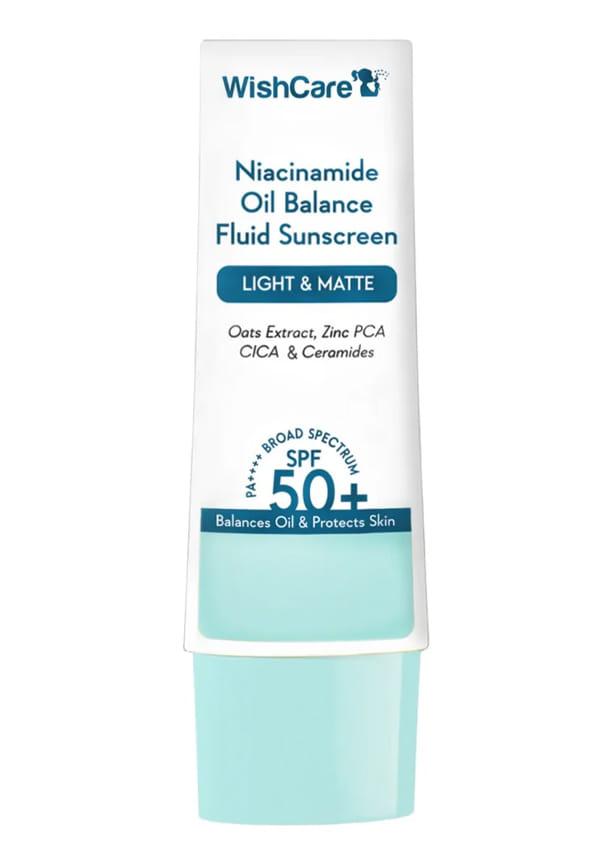 50 gm
50 gmWishCare Niacinamide Oil Balance Sunscreen SPF 50 PA++++ - In-Vivo Tested
For those with combination to oily skin (which, let's be honest, describes most of us during summer), the texture of your sunscreen matters as much as the SPF level. A heavy SPF 50 cream that makes you look like a ghost and feel sticky defeats the purpose if you won't use it consistently.
Gel-based and water-based formulations work brilliantly for oily skin types. Look for sunscreen for oily skin that's non-comedogenic and contains ingredients like niacinamide or zinc oxide that help control excess sebum while protecting.
If your skin throws tantrums at the slightest provocation, mineral sunscreens with zinc oxide or titanium dioxide are your friends. These physical blockers sit on top of your skin rather than absorbing into it, making them perfect for sunscreen for sensitive skin needs.
SPF only tells half the story – it measures UVB protection but says nothing about UVA rays. This is where broad spectrum sunscreen becomes non-negotiable. UVA rays penetrate deeper into skin, causing premature ageing and contributing to skin cancer risk.
Look for the PA++++ rating on your sunscreen. This Japanese system measures UVA protection, and the more plus signs, the better. In India's intense sun, you want maximum UVA protection alongside your SPF 50.
Chemical sunscreens absorb UV rays and convert them to heat, while physical sunscreens reflect them away from your skin. For Indian conditions, a combination of both often works best – chemical filters for elegant application and physical blockers for reliable protection.
Modern sunscreens do more than just protect. Antioxidants like vitamin C and E help neutralise free radicals, while hyaluronic acid keeps skin hydrated in air-conditioned environments. Niacinamide helps control oil production – perfect for Indian summers.
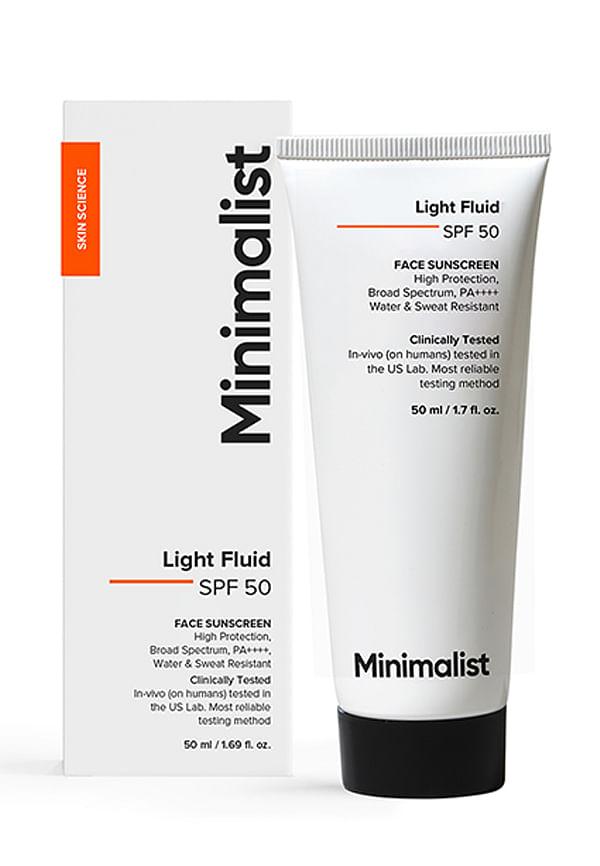 50 ml
50 mlLight Fluid SPF 50 Face Sunscreen
The golden rule for daily sunscreen use is application amount – you need about a teaspoon for your face and neck. Most people use way less, which dramatically reduces protection. A ₹500 sunscreen used correctly is infinitely better than a ₹2000 one used sparingly.
Apply sunscreen 15-30 minutes before stepping out. This gives chemical filters time to bind to your skin properly. In Indian summers, reapplication every 2 hours isn't just recommended – it's essential for maintaining protection.
Using retinoids, AHAs, or BHAs? Your skin is more photosensitive, making SPF 50 non-negotiable. These ingredients increase cell turnover, leaving newer, more vulnerable skin exposed to UV damage.
The sunscreen benefits extend far beyond preventing sunburn. Consistent sunscreen use is the single most effective anti-ageing strategy you can adopt. It prevents the breakdown of collagen and elastin, keeping your skin looking younger for longer.
For Indian skin tones, sunscreen is crucial for preventing post-inflammatory hyperpigmentation. That acne spot that turns into a dark mark? Proper sun protection significantly reduces this risk. Even though melanin provides some natural protection, it's not enough against India's intense UV levels.
Your sunscreen should be the last step in your morning skincare routine, applied over moisturiser but under makeup. If you're using multiple skincare products, wait a few minutes between each application to avoid pilling.
Finding the right sunscreen often involves trial and error. What works for your friend might not work for your skin type or lifestyle. This is where platforms like Smytten become invaluable – you can try mini versions of different sunscreens from trusted brands like Cetaphil and Dot & Key before committing to full-size purchases. With over 1,500 brands available and the ability to get up to 8 minis for just ₹249, you can experiment with different formulations to find your perfect match without the financial commitment.
For brief outdoor exposure (under 30 minutes), SPF 30 can suffice. However, given India's high UV index levels, SPF 50 is recommended for any extended outdoor activities or if you're using active skincare ingredients.
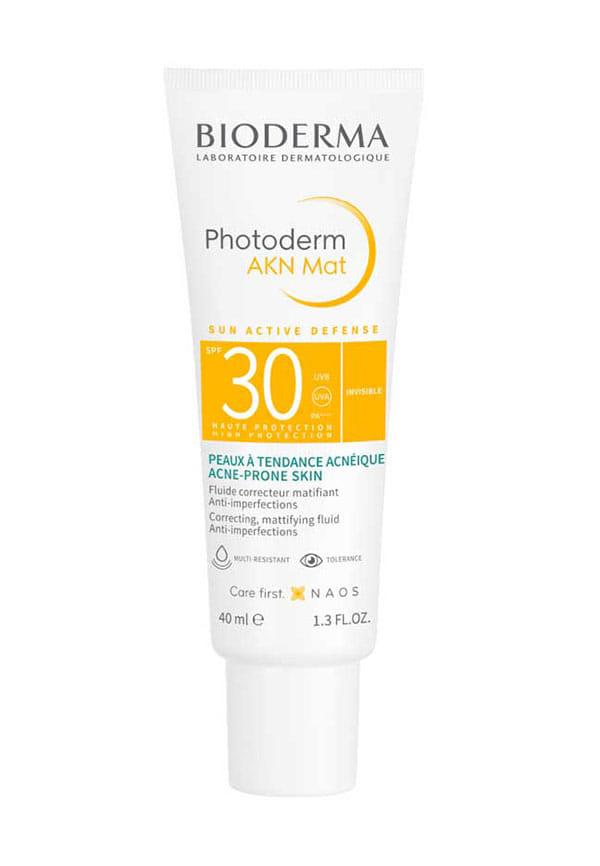 40 ml
40 mlPhotoderm Akn Mat Fluide Spf 30
SPF 30 blocks 97% of UVB rays while SPF 50 blocks 98%. Though it seems minimal, SPF 50 actually provides 50% more protection than SPF 30, which becomes significant in India's intense UV conditions.
Absolutely, but focus on the formulation rather than just the SPF number. Look for gel-based or water-based SPF 30 sunscreens that won't clog pores or feel heavy on oily skin.
Every 2 hours when outdoors, regardless of whether you're using SPF 30 or SPF 50. Sweat, humidity, and touching your face all reduce sunscreen effectiveness.
Generally yes. Mineral sunscreens with zinc oxide or titanium dioxide are less likely to cause irritation as they sit on top of skin rather than absorbing into it.
If you're near windows or spend time in areas with significant natural light, yes. UVA rays can penetrate glass, contributing to premature ageing over time.
When it comes to SPF 50 vs SPF 30 what Indian skin needs in summer, the answer leans heavily towards SPF 50. India's intense UV levels, combined with factors like pollution, humidity, and year-round sun exposure, make that extra protection worthwhile. However, the best sunscreen is the one you'll actually use consistently.
Focus on finding a broad spectrum sunscreen with the right texture for your skin type. Whether it's SPF 30 or SPF 50, consistent daily application and proper reapplication matter more than the number on the bottle. Remember, skincare is personal, and what works for others might not work for you. The key is experimenting with different formulations until you find your perfect match – one that protects your skin while fitting seamlessly into your daily routine.
