SPF 50 vs SPF 30 India: Which Sunscreen is Better for Your Skin?


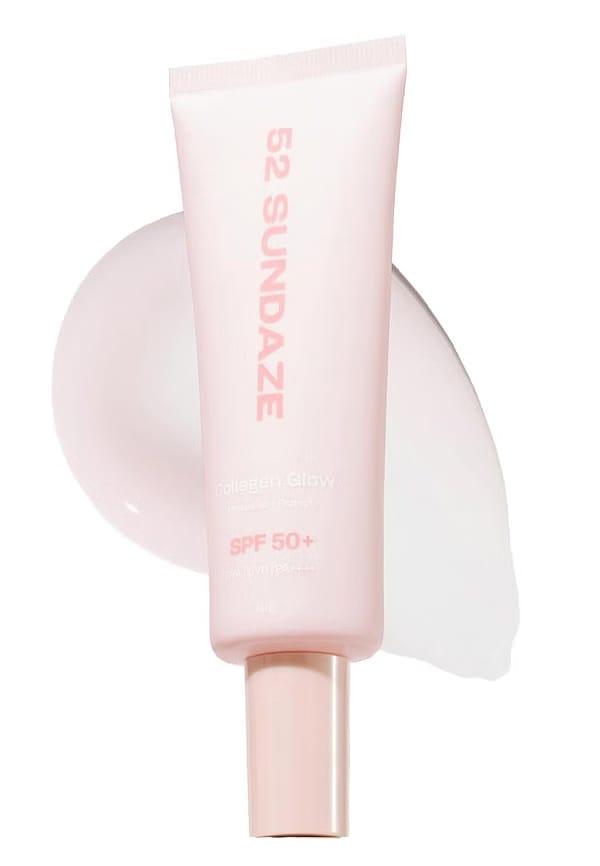 50 gm
50 gmSPF 50 Collagen Glow Sunscreen Cream PA++++
Let's be real—choosing between SPF 50 vs SPF 30 India feels like picking between two seemingly identical products with confusing numbers. With India's intense UV rays beating down year-round, getting your sun protection factor right isn't just about avoiding sunburn. It's about protecting your skin from premature ageing, dark spots, and long-term damage that could show up years later. The thing is, most of us have been told higher SPF equals better protection, but the science behind sunscreen comparison tells a different story. Whether you're commuting through Mumbai's blazing heat or working from your balcony in Bengaluru, understanding which SPF works best for your lifestyle could be the difference between healthy, protected skin and dealing with sun damage down the line.
Here's where things get interesting—SPF doesn't actually stand for how long you can stay in the sun. The sun protection factor measures how much UVB radiation your skin can handle before it starts to burn compared to unprotected skin. So if your skin normally burns after 10 minutes, SPF 30 theoretically gives you 300 minutes of protection.
But real talk, that's not how it works in practice. SPF 30 blocks about 96.7% of UVB rays, while SPF 50 blocks around 98%. That's only a 1.3% difference, which sounds tiny but can matter depending on your skin type and sun exposure.
UVB rays cause sunburn and contribute to skin cancer, which is what SPF measures. UVA rays penetrate deeper, causing premature ageing and dark spots. This is why broad spectrum sunscreen matters more than just the SPF number—it protects against both types of harmful rays.
Myth one: SPF 50 gives you twice the protection of SPF 25. Nope, it's not linear like that. Myth two: Higher SPF means you can skip reapplication. Wrong again—every sunscreen needs reapplying every two hours, regardless of SPF level.
When you break down the actual sunscreen comparison numbers, SPF 30 blocks 96.7% of UVB rays while SPF 50 blocks 98%. Mathematically, that's a small difference, but in real-world terms, SPF 50 gives you a bit more forgiveness if you don't apply enough product or forget to reapply on time.
The cost difference between SPF 30 and SPF 50 products in India can range from ₹100 to ₹500, depending on the brand. For daily use, that 1.3% extra protection might not justify the higher price tag for everyone.
If you're spending extended time outdoors, have very fair skin, or are dealing with hyperpigmentation issues, that extra 1.3% protection can add up over time. Think of it as insurance for your skin.
SPF 50 is more forgiving when you don't apply the recommended 2mg per square centimetre (which, let's face it, most of us don't). If you tend to apply sunscreen lightly, SPF 50 might give you better actual protection than SPF 30.
India's UV index varies dramatically—from moderate levels in hill stations to extreme levels in coastal and desert regions. Cities like Chennai, Mumbai, and Hyderabad regularly see UV index levels of 8-11, which is considered very high to extreme. This means your best sunscreen India choice needs to account for these intense conditions.
Humidity plays a massive role too. In places like Kolkata or coastal Karnataka, high humidity can make sunscreen feel heavy and greasy, leading to inadequate application or complete avoidance.
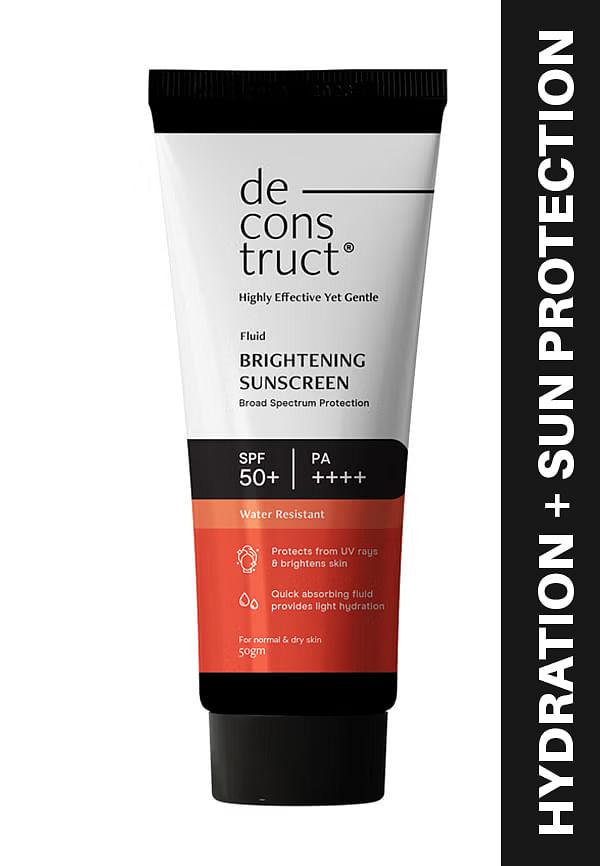 50 gm
50 gmFluid Brightening Sunscreen for Dry Skin with Spf 50+ And Pa++++
Northern plains during summer can hit UV index 12+, making SPF 50 more sensible. Hill stations like Shimla or Darjeeling might be fine with SPF 30 most of the year, except during peak summer months.
While darker skin tones have natural protection equivalent to about SPF 13, this doesn't mean skipping sunscreen. Indian skin is particularly prone to post-inflammatory hyperpigmentation, making consistent sun damage prevention crucial regardless of your natural skin tone.
Your skin type and specific concerns should heavily influence your SPF choice. Let's break down what works best for different scenarios you might be dealing with.
If you're dealing with oily skin, the texture of your SPF for face matters more than the exact number. Many SPF 50 formulations can feel heavier, potentially clogging pores or making your skin look greasy by midday.
Look for gel-based or water-based SPF 30 formulations that won't interfere with your skincare routine. The key is consistent daily use rather than occasional heavy protection.
Dry skin often benefits from the moisturising ingredients found in higher SPF formulations. Many SPF 50 products include additional hydrating ingredients that can double as your morning moisturiser.
Sensitive skin needs gentle, mineral-based options. Both SPF 30 and 50 are available in zinc oxide or titanium dioxide formulations that won't irritate reactive skin.
If you're dealing with dark spots, melasma, or post-acne marks, SPF 50 might be worth the investment. Even minimal sun exposure can worsen hyperpigmentation, and that extra 1.3% protection can help prevent setbacks in your treatment.
Dermatologists often recommend SPF 50+ for patients using retinoids, vitamin C, or other photosensitising ingredients.
Your lifestyle and daily routine should guide your SPF choice more than abstract protection percentages. Here's how to think about it practically for Indian conditions.
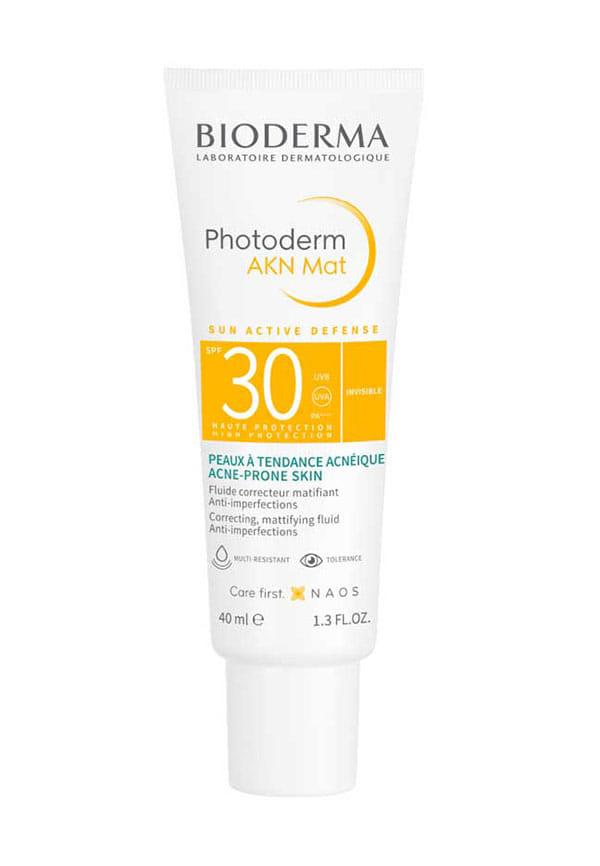 40 ml
40 mlPhotoderm Akn Mat Fluide Spf 30
If you're mostly indoors with brief outdoor exposure for commuting, SPF 30 applied properly gives you adequate protection. The key is consistent daily use and reapplication if you step out for lunch or meetings.
Beach days, trekking, outdoor sports, or any activity involving 2+ hours of direct sun exposure calls for SPF 50. The sunscreen benefits of that extra protection become significant with prolonged exposure.
During Indian summers (April-June), when UV index peaks, consider upgrading to SPF 50 regardless of your usual routine. Monsoon months might allow you to switch back to SPF 30, though UV rays penetrate clouds more than you'd think.
Hill stations and high-altitude areas have thinner atmosphere, meaning more UV exposure. Places like Leh, Manali, or even Ooty during peak season warrant SPF 50, even if the temperature feels cool.
Getting your application right matters more than choosing between SPF 30 and 50. Most people apply only 25-50% of the recommended amount, which dramatically reduces protection regardless of the SPF number.
For your face, you need about half a teaspoon of product. That might seem like a lot, but under-application is the biggest reason sunscreen fails to protect adequately.
Indian humidity and sweating mean reapplication every 2 hours is non-negotiable. Carry a small tube or consider powder sunscreens for touch-ups over makeup.
Store your sunscreen for skin in cool, dry places. Car dashboards and bathroom cabinets can reach temperatures that break down active ingredients, reducing effectiveness.
Apply sunscreen as the last step in your morning skincare routine, but before makeup. Wait 15 minutes before applying foundation to let the sunscreen set properly.
With over 1,500 trusted brands available, finding the right sunscreen for your specific needs doesn't have to involve expensive trial and error. Smytten, India's largest product discovery platform, offers curated trial packs from brands like Cetaphil, Dot & Key, and Love, Beauty & Planet, letting you test different SPF formulations before committing to full-size purchases. You can explore up to 8 minis for just ₹249, with 100% cashback redeemable for future orders, making it easy to discover whether SPF 30 or 50 works better for your skin type and lifestyle.
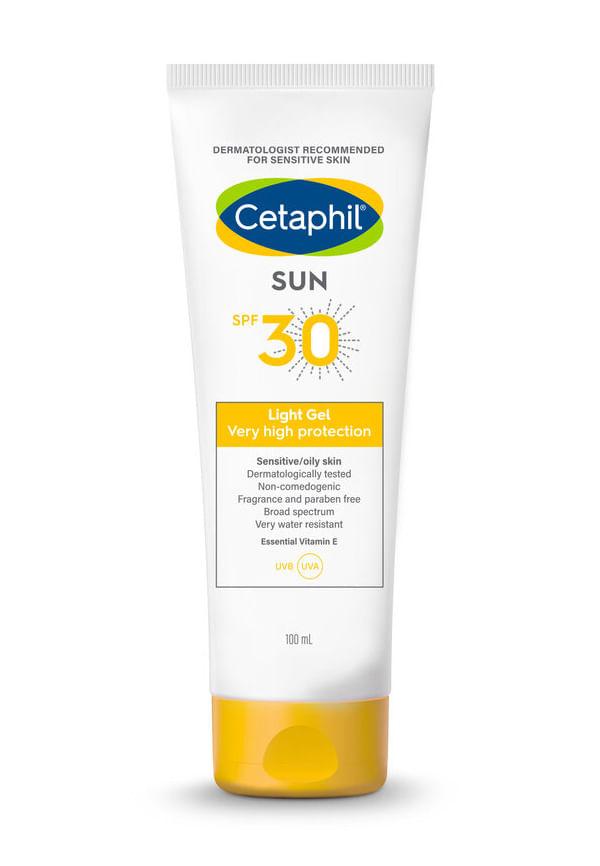 100 ml
Sun Spf 30+ Gel
For most people in India, SPF 30 applied properly and reapplied regularly provides adequate protection for daily activities. SPF 50 is better for extended outdoor exposure, very fair skin, or if you tend to apply sunscreen lightly.
Yes, SPF 50 is more than adequate for Indian conditions when applied correctly. The key is proper application (half teaspoon for face) and reapplication every 2 hours, especially during outdoor activities.
SPF 30 is often better for oily skin as it typically comes in lighter, gel-based formulations that don't feel heavy or greasy. Focus on finding a non-comedogenic formula rather than higher SPF numbers.
SPF 50 is perfectly safe for daily use. The main considerations are texture preference and cost. If you prefer lighter formulations or want to save money, SPF 30 used consistently is better than SPF 50 used sporadically.
Both SPF 30 and SPF 50 need reapplication every 2 hours when outdoors, regardless of the SPF number. Sweating and humidity in Indian conditions make reapplication crucial for maintaining protection.
Absolutely. SPF 30 often works better under makeup as it tends to be lighter and less likely to cause pilling or interfere with foundation application. Just ensure you're applying enough product for adequate protection.
Both SPF 30 and 50 work well for all Indian skin tones. Darker skin has some natural protection but still needs sunscreen to prevent hyperpigmentation and premature ageing. Choose based on your sun exposure and skin concerns rather than skin tone.
The SPF 50 vs SPF 30 India debate isn't really about which number is objectively better—it's about finding what works consistently for your lifestyle, skin type, and budget. SPF 30 applied properly and reapplied regularly beats SPF 50 used inconsistently every single time.
For most Indians with typical daily routines involving limited direct sun exposure, SPF 30 from a trusted brand provides excellent protection. If you're frequently outdoors, have very fair skin, or are treating hyperpigmentation, the extra protection from SPF 50 might be worth the investment.
Remember, the best sunscreen is the one you'll actually use every day. Whether that's SPF 30 or 50, consistency trumps perfection. With platforms like Smytten making it easier than ever to try different formulations before committing, there's no reason to settle for a sunscreen that doesn't feel right for your skin. After all, why settle for 'maybe' when you can try it all and find your perfect match?
