Slugging Skincare FAQ: Your Questions Answered


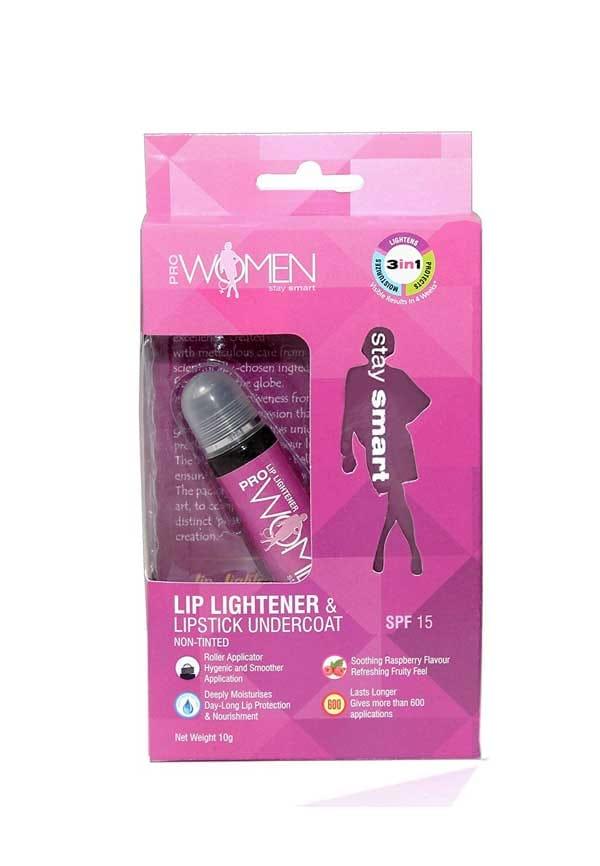
Lip Lightener for Smokers
You've probably seen those glossy, dewy faces on your Instagram feed and wondered if coating your skin in petroleum jelly could really be the secret to glass skin. Slugging has taken the skincare world by storm, but with India's diverse climate and skin types, you're right to question whether this K-beauty trend actually works for us. Let's dive into everything you need to know about slugging, from the science behind it to whether your skin will thank you or break out.
Slugging is exactly what it sounds like - applying a thick layer of petroleum jelly or similar occlusive product as the final step in your nighttime skincare routine, leaving your face with that characteristic slug-like sheen. This technique originated in Korean beauty routines, where the focus has always been on maintaining optimal skin hydration through multiple layers of products.
The name comes from the glossy, wet appearance your skin takes on after application - think of how a slug's trail catches the light. But there's serious science behind this seemingly simple technique. Occlusive skincare works by creating a physical barrier on your skin's surface, preventing water loss and allowing your skin to repair itself overnight.
When you apply an occlusive layer, you're essentially wrapping your skin in a protective seal. This prevents transepidermal water loss (TEWL), which is how moisture naturally evaporates from your skin throughout the day and night. By blocking this process, slugging helps your skin maintain its natural hydration levels and can even boost the effectiveness of the products you've applied underneath.
Slugging for dry skin makes perfect scientific sense. When your skin barrier is compromised or naturally lacks sufficient oil production, moisture escapes more readily. Research shows that occlusive ingredients like petrolatum can reduce water loss by up to 99%, making them incredibly effective for severely dehydrated skin.
The slugging benefits extend beyond simple moisture retention. When your skin is properly hydrated, it can focus on repair processes rather than constantly trying to prevent water loss. This means better cell turnover, improved texture, and a stronger skin barrier over time. Dermatologists often recommend occlusive treatments for conditions like eczema and dermatitis, where the skin barrier needs extra support.
Clinical studies have shown that regular use of occlusive moisturisers can improve skin barrier function within just a few weeks. Your skin produces natural moisturising factors (NMFs) and ceramides more effectively when it's not constantly losing water. This creates a positive cycle where your skin becomes better at maintaining its own hydration levels.
Indian skin types, typically ranging from Fitzpatrick III to V, have unique characteristics that affect how slugging skincare works. Our skin tends to produce more melanin and often has different oil production patterns compared to East Asian skin types where slugging originated. This doesn't mean slugging won't work, but it does mean we need to adapt the technique.
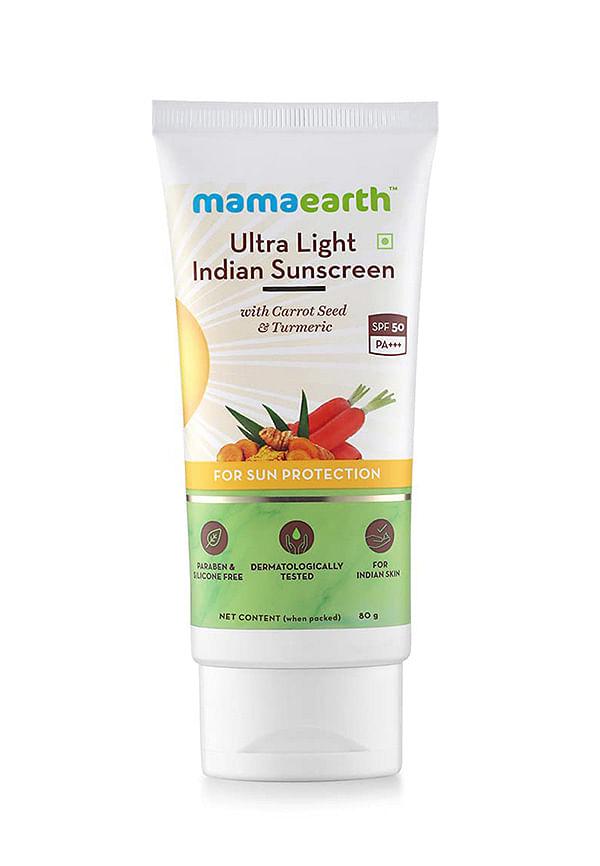
Ultra Light indian Sunscreen
India's diverse climate zones create another layer of complexity. In humid coastal cities like Mumbai or Chennai, slugging might feel overwhelming during monsoon season, whilst in drier regions like Rajasthan or during winter months, it could be exactly what your skin needs. The key is understanding your local environment and adjusting accordingly.
Traditional Indian skincare has always included occlusive elements - think of how our grandmothers used ghee or coconut oil on their skin. Slugging is essentially a modern take on these time-tested practices. The difference lies in the specific formulation and application method, but the principle of creating a protective barrier remains the same.
For a successful skincare routine for Indian skin, consider starting slugging during cooler months or in air-conditioned environments where your skin might be losing more moisture than usual. Pay attention to how your skin responds and adjust frequency accordingly.
The question "is slugging good for acne" deserves a nuanced answer. If you have active breakouts or very oily, acne-prone skin, slugging can potentially trap bacteria and sebum, leading to more congestion. However, if your acne is caused by over-drying from harsh treatments, slugging might actually help by restoring your skin barrier.
Common slugging side effects include milia (small white bumps), increased breakouts, and a feeling of heaviness on the skin. These typically occur when slugging is done too frequently, with too much product, or on skin that's not properly cleansed. If you have naturally oily skin, you might find that slugging works better as a weekly treatment rather than a nightly routine.
Avoid slugging if you have infected skin, open wounds, or are using active ingredients like retinoids or acids that need to penetrate the skin. The occlusive barrier can interfere with how these treatments work. Also, if you're prone to fungal acne or live in an extremely humid environment, slugging might not be the best choice for your skin.
A proper nighttime skincare routine with slugging follows a specific order to maximise benefits. Start with your usual cleansing routine, then apply any serums or treatments you normally use. Follow with your regular moisturiser, and only then apply a thin layer of petroleum jelly for skin or your chosen occlusive product.
The key to successful occlusive skincare is using the right amount. You need just enough to create a light, even layer - not so much that you're leaving residue on your pillowcase. Warm the product between your palms first, then gently press it onto your skin rather than rubbing it in. Focus on areas that tend to be drier, like your cheeks and around your eyes.
Start with slugging just once or twice a week to see how your skin responds. Some people find that every other night works perfectly, whilst others prefer to slug only when their skin feels particularly dry or after using exfoliating treatments. Listen to your skin and adjust accordingly.
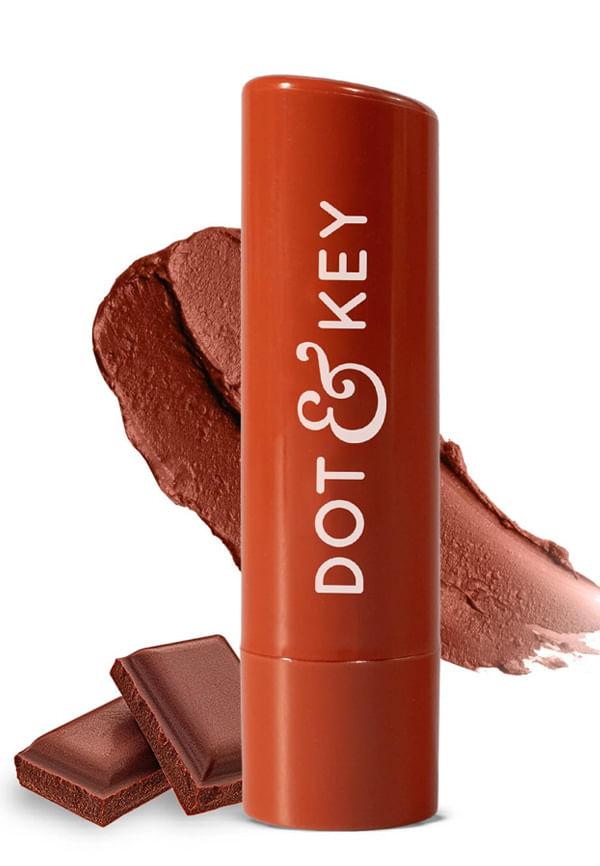
Barrier Repair Hydrating Lip Balm Spf 50
Whilst petroleum jelly is the classic slugging product, there are plenty of alternatives for those who prefer different textures or ingredients. Ceramide-based occlusives offer similar barrier protection with added skin-repairing benefits. Look for products containing ingredients like squalane, shea butter, or dimethicone for effective moisturising skincare without the heavy feel of traditional petroleum jelly.
Plant-based options include products with candelilla wax, carnauba wax, or thick plant oils like jojoba or argan oil. These might feel more comfortable in humid climates whilst still providing occlusive benefits. Some brands now make hybrid products specifically designed for slugging, combining occlusive ingredients with hydrating elements like hyaluronic acid.
For Indian consumers, budget-friendly options are readily available at local pharmacies, whilst premium alternatives can be found through platforms that let you explore different brands and formulations. The key is finding what works for your skin type, climate, and personal preferences.
Dermatologists generally recommend slugging for dry, dehydrated, or compromised skin barriers. However, it's not suitable for everyone. Those with very oily skin, active acne, or fungal skin conditions should consult a dermatologist before starting slugging. The technique works best when tailored to individual skin needs and environmental factors.
Daily slugging isn't necessary or recommended for most people. Starting with 1-2 times per week allows you to assess how your skin responds. Some people with very dry skin might benefit from nightly slugging during harsh weather, but most find that 2-3 times per week provides optimal benefits without overwhelming the skin.
Slugging can potentially cause breakouts in very humid conditions, especially if you have naturally oily skin. During monsoon season or in coastal areas, consider reducing frequency or switching to lighter occlusive alternatives. Air-conditioned environments often make slugging more comfortable and effective.
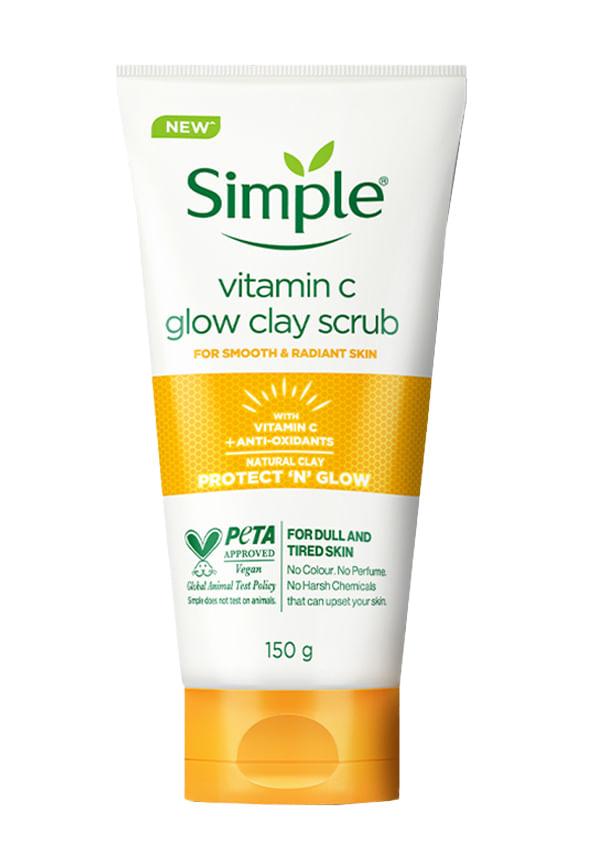
Protect N Glow Vitamin C Glow Clay Scrub
Most people notice improved skin hydration within a few days of starting slugging. Significant improvements in skin texture and barrier function typically become apparent after 2-4 weeks of consistent use. Results vary based on your starting skin condition and how frequently you slug.
Yes, but with modifications. Focus slugging on the drier areas of your face, typically the cheeks and around the eyes, whilst avoiding the oilier T-zone. You can also alternate nights or use a lighter occlusive product on combination skin areas.
Teenagers can practice slugging, but should be especially cautious if they have acne-prone skin. Starting with once-weekly application and monitoring for any increase in breakouts is recommended. Teens with very dry skin from acne treatments might find slugging particularly beneficial.
Regular moisturisers contain humectants and emollients that add moisture to the skin. Slugging uses occlusive ingredients to prevent moisture loss rather than adding hydration. It's best used as the final step after your regular moisturiser to seal everything in.
Slugging can be an effective addition to your skincare routine, especially if you struggle with dry or dehydrated skin. The key is understanding your skin type, climate, and individual needs rather than following trends blindly. Start slowly, pay attention to how your skin responds, and adjust your approach accordingly.
Remember that skincare is highly individual, and what works for someone else might not work for you. Whether you choose traditional petroleum jelly or explore modern alternatives, the goal is finding products that support your skin's natural barrier function without causing congestion or irritation.
If you're curious about trying different occlusive products but not ready to commit to full sizes, Smytten offers an excellent way to explore various brands and formulations through their curated selection. With over 28 million users discovering products through trial sizes, it's a smart approach to finding what truly works for your unique skin needs before making larger investments.
