Sleep Quality and Skin Cell Regeneration: Your Questions Answered


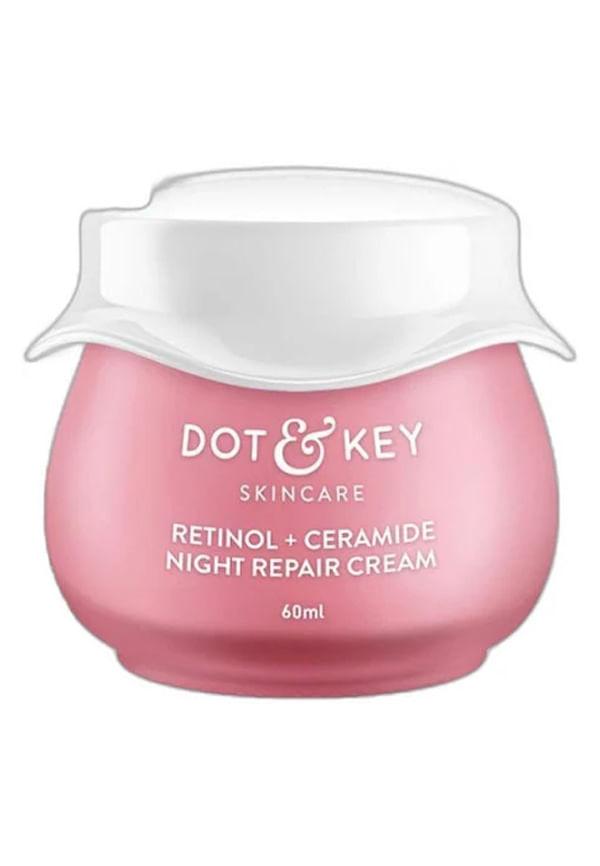
Night Reset Retinol + Ceramide Sleep Treatment Cream
Ever wondered why your skin looks dull after a restless night, or why that post-holiday glow seems to fade when you're burning the candle at both ends? The connection between sleep quality and skin cell regeneration runs deeper than those under-eye circles. While you're dreaming, your skin is working overtime—repairing damage, producing collagen, and essentially hitting the reset button for tomorrow. Real talk: your pillow time might be the most underrated step in your skincare routine.
Your skin doesn't just rest when you do—it gets busy. Skin regeneration during sleep follows your body's natural circadian rhythm, with cellular repair processes ramping up significantly once the lights go out. During deep sleep stages, your body releases growth hormone, which triggers increased cell division and collagen production.
Research shows that skin cell turnover rates actually double during nighttime hours compared to daytime. This isn't coincidence—it's evolution. Your skin has learned to maximise repair time when it's not dealing with environmental stressors like UV rays, pollution, and daily wear.
The molecular mechanisms behind skin repair at night are fascinating. Blood flow to your skin increases during sleep, delivering oxygen and nutrients whilst carrying away toxins. Your skin's natural antioxidant systems also work more efficiently in darkness, helping to neutralise free radical damage from the day.
Temperature regulation plays a role too. Your core body temperature drops slightly during sleep, which actually enhances certain enzymatic processes involved in DNA repair and cellular regeneration. This is why how sleep affects skin goes beyond just looking refreshed—it's about genuine cellular renewal.
When you skimp on sleep, your skin pays the price in ways you might not immediately notice. Poor sleep skin effects start at the hormonal level—inadequate rest triggers cortisol release, which breaks down collagen and elastin. These are the proteins that keep your skin firm and bouncy.
Sleep deprivation skin health issues extend to your skin barrier function. Studies have found that people who sleep fewer than six hours nightly show impaired keratinocyte function—these are the cells that form your skin's protective barrier. A compromised barrier means increased water loss, making your skin appear dull and dehydrated.
The inflammation connection is real too. Lack of sleep skin aging accelerates because chronic sleep debt increases inflammatory markers throughout your body. This systemic inflammation shows up as increased sensitivity, slower healing, and yes—more visible signs of aging like fine lines and uneven skin tone.
Your skin's microbiome also suffers when you're sleep-deprived. The beneficial bacteria that help maintain healthy skin become imbalanced, potentially leading to increased breakouts and sensitivity. It's like your skin's natural defence system is running on empty.
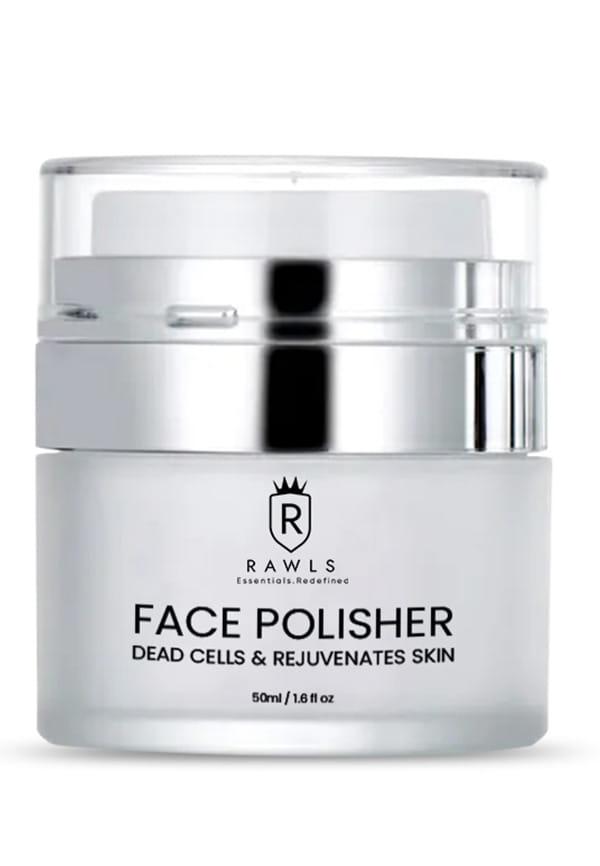
Face Polisher - Dead Cells and Rejuvenates Skin
The term "beauty sleep benefits" isn't just marketing speak—there's genuine science behind it. Between 11 PM and 4 AM, your skin experiences peak collagen production. This is when those fine lines get their best chance at natural repair.
Nighttime skin recovery involves multiple processes happening simultaneously. Your skin's cellular renewal accelerates, with new cells forming to replace damaged ones. Blood circulation to facial tissues increases by up to 50%, which is why you might notice that healthy glow after a good night's rest.
Hydration levels also restore themselves during sleep. Your skin's natural moisturising factors work more effectively when you're horizontal and relaxed. This is partly why you might wake up with plumper-looking skin after quality sleep.
Your skin's DNA repair mechanisms are most active during deep sleep phases. This cellular housekeeping helps prevent the accumulation of damage that leads to premature aging. Think of it as your skin's nightly maintenance routine—essential for long-term health.
The relationship between sleep quality skincare and aging isn't just about tomorrow's appearance—it's about how your skin ages over decades. Chronic sleep deprivation creates a cascade of effects that accelerate visible aging.
Research comparing people who consistently get 7-9 hours of quality sleep versus those who don't shows striking differences. The well-rested group maintains better skin elasticity, fewer wrinkles, and more even pigmentation as they age. It's like they're aging in slow motion compared to their sleep-deprived counterparts.
The inflammation factor becomes crucial here. Chronic sleep debt keeps your body in a low-grade inflammatory state, which breaks down collagen faster than it can be replaced. Over time, this shows up as sagging skin, deeper wrinkles, and that tired look that no amount of concealer can fix.
DNA damage accumulation is another long-term concern. When your skin doesn't get adequate repair time night after night, cellular damage builds up. This can manifest as age spots, uneven texture, and increased cancer risk over time.
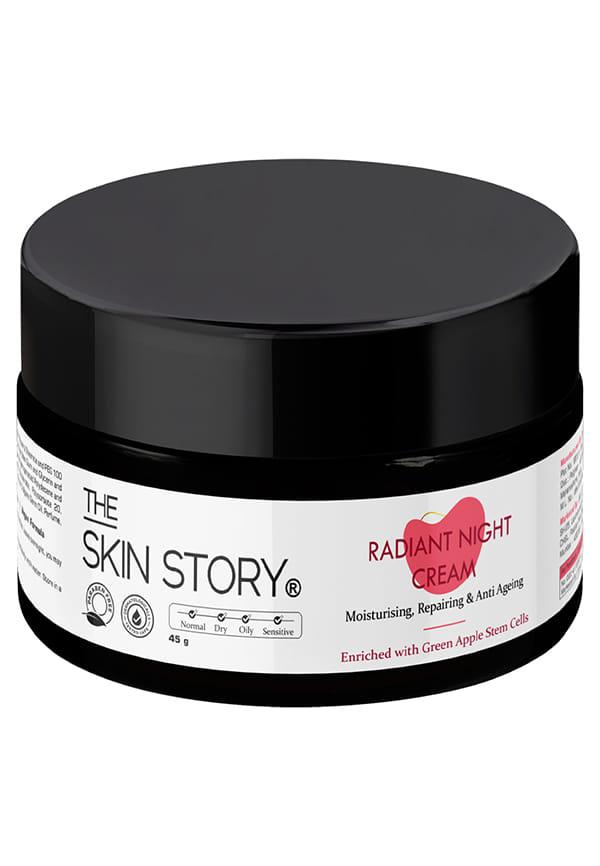
Radiant Night Cream Enriched With Green Apple Stem Cells For Anti Aging | Repairs & Moisturizes Skin
Getting the most from your sleep and skin connection requires more than just hitting the pillow. The sweet spot for most people is 7-9 hours of quality sleep, but timing matters too. Your skin's repair processes are most active when you're asleep between 10 PM and 2 AM.
Your sleep environment plays a bigger role than you might think. Keep your bedroom cool (around 18-20°C) and humid enough to prevent skin dehydration. Silk or satin pillowcases can reduce friction that leads to sleep lines and hair breakage.
Pre-sleep skincare timing is crucial. Apply your nighttime products 20-30 minutes before bed to allow proper absorption. This is when ingredients like retinol, peptides, and niacinamide can work most effectively alongside your skin's natural repair processes.
Hydration strategy matters too. Drink enough water throughout the day, but taper off 2-3 hours before bed to avoid sleep disruptions. Your skin will thank you for consistent hydration levels.
Yes, sleep is when your skin undergoes its most intensive cellular regeneration. During deep sleep phases, cell division rates increase significantly, and growth hormone release triggers repair processes. Your skin essentially rebuilds itself whilst you rest, replacing damaged cells with fresh ones and producing new collagen.
Seven hours can be sufficient for some people, but 7-9 hours is the optimal range for most adults. The quality of sleep matters as much as quantity—deep, uninterrupted sleep is more beneficial than longer periods of restless sleep. Individual needs vary based on age, lifestyle, and overall health.
Your skin has remarkable recovery abilities, especially from short-term sleep deprivation. After a few nights of quality sleep, you'll notice improved hydration and reduced puffiness. However, chronic sleep debt can cause lasting damage that takes weeks or months to fully reverse. The key is consistency in good sleep habits.
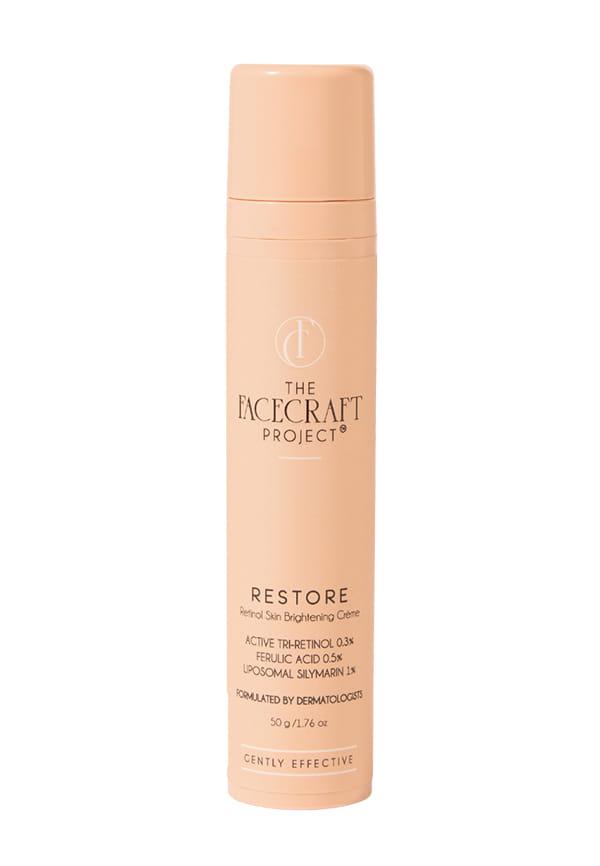
RESTORE Retinol Night Cream
Sleep deprivation can affect your skin tone in several ways. Poor circulation from inadequate rest can make your complexion appear duller, whilst dehydration can emphasise shadows and uneven pigmentation. Under-eye darkness is particularly common due to blood vessel dilation and fluid retention when you're tired.
Peak cellular regeneration happens during deep sleep phases, typically between 11 PM and 4 AM. This is when growth hormone levels are highest and your body temperature is at its lowest, creating optimal conditions for repair processes. Collagen production specifically peaks around midnight to 3 AM.
Poor sleep increases cortisol levels, which can trigger excess oil production and inflammation—both contributors to acne. Sleep deprivation also impairs your immune system's ability to fight acne-causing bacteria. Additionally, dirty pillowcases and touching your face during restless sleep can introduce bacteria to your skin.
You can still use active ingredients, but they work best when your skin has adequate repair time. If you're consistently sleep-deprived, start with gentler formulations and build up slowly. Your skin may be more sensitive when it's not getting proper rest, so listen to how it responds.
The connection between sleep quality and skin health isn't just about avoiding tired-looking skin—it's about giving your largest organ the time it needs for essential repair and regeneration. Your skin works hardest whilst you sleep, making those 7-9 hours some of the most productive time in your entire skincare routine.
Worth adding to your routine: treating sleep as seriously as you treat your morning and evening skincare steps. The benefits compound over time, showing up as healthier, more resilient skin that ages more gracefully. Real talk—no serum can replace the regenerative power of quality sleep.
If you're exploring new nighttime skincare products to support your skin's natural repair processes, Smytten's curated selection includes trusted brands with proven ingredients for overnight skin recovery. From gentle retinol formulations to hydrating overnight masks, you can discover what works best for your skin before committing to full sizes. After all, your skin deserves the same thoughtful approach to product discovery as it does to sleep quality.
