Skincare Routine Order FAQ: Morning & Night Steps Answered



Daily Regime I Facial Cleanser, Toner, Moisturizer
Ever applied your skincare products in what felt like the right order, only to find them pilling up or not absorbing properly? You're not alone. The way you layer your skincare can make or break your routine's effectiveness. Getting the sequence wrong doesn't just waste your products—it can actually prevent your skin from getting the benefits you're paying for. Whether you're dealing with stubborn breakouts that won't budge or dryness that persists despite using multiple hydrating products, the issue might not be what you're using, but how you're using it. The good news? Once you understand the logic behind proper skincare routine order, everything clicks into place.
Understanding why skincare application order matters starts with knowing how your skin actually absorbs products. Your skin barrier is selective about what it lets through, and the molecular size of ingredients plays a huge role in penetration. Smaller molecules, like those found in toners and lightweight serums, can slip through more easily than larger ones found in creams and oils. pH levels also influence how well products work together. Your skin's natural pH sits around 5.5, and when you apply products in the wrong order, you can disrupt this balance. For instance, using an alkaline cleanser followed immediately by a vitamin C serum (which works best at a lower pH) can reduce the serum's effectiveness.
The most reliable guide for layering skincare products is texture. Start with the thinnest, most water-like consistency and work your way up to the thickest, most occlusive products. This ensures each layer can penetrate properly without being blocked by heavier formulations. Water-based products should always go before oil-based ones. Think of it like this: oil repels water, so if you apply a face oil before your niacinamide serum, that serum won't be able to reach your skin effectively.
Your morning skincare routine should focus on protection and preparation for the day ahead. The goal is to cleanse away overnight buildup, deliver targeted treatments, and create a protective barrier against environmental stressors.
Cleanser comes first, even in the morning. While you might think your skin is clean from the night before, you've actually accumulated oils, dead skin cells, and product residue overnight. A gentle cleanser removes this buildup without stripping your skin. Toner follows to balance your skin's pH and prep it for the products that follow. Look for hydrating toners with ingredients like hyaluronic acid or glycerin rather than harsh, alcohol-based formulas. Serum is where you apply your morning actives. Vitamin C is a morning favourite because it provides antioxidant protection against free radical damage from pollution and UV exposure. Apply it to clean, slightly damp skin for better absorption. Eye cream addresses the delicate under-eye area with targeted ingredients. The skin here is thinner and more prone to showing signs of fatigue and ageing, so it needs special attention. Moisturiser locks in all the previous layers while providing essential hydration. Even oily skin needs moisture—skipping this step can actually trigger more oil production. SPF is non-negotiable and always goes last in your morning routine. This creates a protective film on your skin's surface, so nothing should be applied over it except makeup.
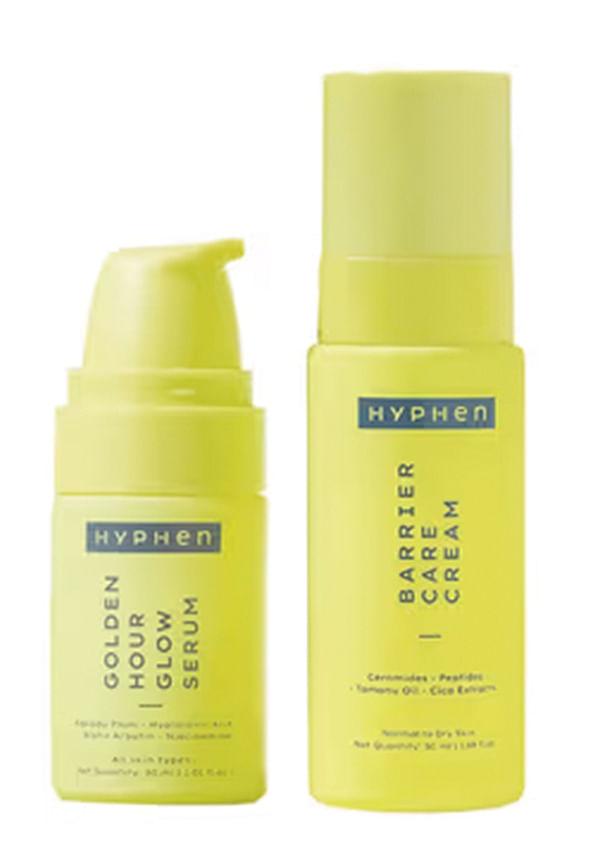
Daily Night-Care Routine for Normal to Dry Skin with Face Serum & Barrier Care Cream
Your night skincare routine is when the real repair work happens. Your skin goes into recovery mode while you sleep, making it the perfect time for more intensive treatments and richer formulations.
Makeup remover or oil cleanser starts your evening routine, especially if you wear makeup or SPF. This first cleanse dissolves makeup, sunscreen, and oil-based impurities that water-based cleansers can't tackle alone. Water-based cleanser follows for a thorough second cleanse. This removes any remaining impurities and ensures your skin is properly clean for the treatments that follow. Toner rebalances your skin's pH after cleansing and provides the first layer of hydration. Evening toners can be slightly more active than morning ones, with gentle AHAs or hydrating ingredients. Treatment serums are where you apply your most potent actives. Retinol, acids, and targeted treatments work best at night when your skin isn't exposed to UV light. Start slowly with active ingredients and build up tolerance gradually. Eye cream for evening should be richer than your morning formula, focusing on repair and hydration. Look for ingredients like peptides and ceramides that support overnight skin renewal. Moisturiser or night cream provides deep hydration and supports your skin's natural repair processes. Night formulations are typically richer and more occlusive than day creams. Face oil is optional but beneficial for dry skin types. Applied as the final step, it seals in all the previous layers and provides additional nourishment.
While the basic correct skincare order remains consistent, you might need to adjust products and techniques based on your skin's specific needs.
For oily skin, focus on lightweight, non-comedogenic formulations that won't clog pores. Salicylic acid works well in the evening routine, applied after toner but before moisturiser. Niacinamide can be used morning or evening to help regulate oil production and minimise pore appearance. Skip heavy creams in favour of gel-based moisturisers, and consider using a lighter eye cream to avoid milia around the delicate eye area.
Dry skin benefits from multiple hydrating layers. You might use a hydrating essence after toner, followed by a hydrating serum, then moisturiser. Hyaluronic acid works beautifully in this routine, applied to slightly damp skin to maximise water retention. Face oils become more important for dry skin types, providing essential fatty acids and creating a protective barrier to prevent water loss overnight.
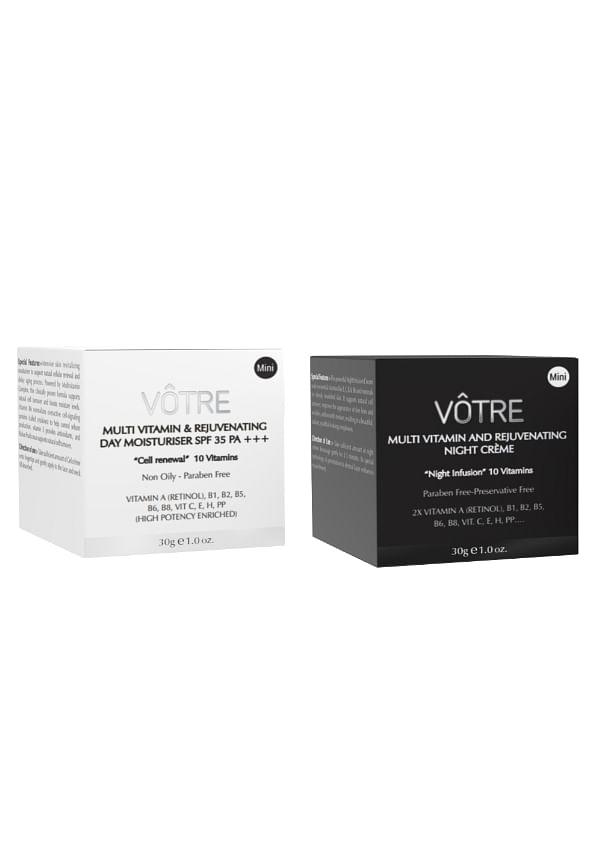
Mini Multivitamin & Rejuvenating Day & Night Cream Combo
Sensitive skin requires a gentler approach with fewer active ingredients. Focus on barrier-repair ingredients like ceramides and avoid layering multiple actives. Introduce new products one at a time and always patch test first.
Even with the right products, poor application technique can sabotage your results. One of the biggest mistakes is using too much product—a little goes a long way with most skincare formulations.
Vitamin C and retinol shouldn't be used together as they can irritate skin and reduce each other's effectiveness. Use vitamin C in the morning and retinol at night for optimal results. Certain AHAs and BHAs can increase sensitivity when combined with other actives. If you're using multiple acids, alternate them on different nights rather than layering them.
Rushing through your routine prevents proper absorption. Allow 30-60 seconds between lightweight products and 2-3 minutes after applying actives like retinol or vitamin C. This gives each layer time to penetrate before adding the next. Apply products with gentle upward motions, avoiding tugging or harsh rubbing that can irritate skin and cause premature ageing.
Follow the thinnest-to-thickest rule: cleanser, toner, serum, eye cream, moisturiser, then SPF in the morning or face oil at night. This ensures proper absorption and maximum effectiveness of each product.

Glow Kit I Mask, Serum, Moisturiser
Yes, you can layer multiple serums, but apply them from thinnest to thickest consistency. Ensure the ingredients are compatible and allow absorption time between each application. Start with hydrating serums, then move to treatment serums.
Wait 30-60 seconds between lightweight, water-based products to allow absorption. After applying actives like retinol, vitamin C, or acids, wait 2-3 minutes before applying the next layer to prevent irritation and ensure effectiveness.
Morning routines focus on protection with antioxidants and SPF, while night routines emphasise repair with actives like retinol and richer moisturisers. The basic layering principle remains the same, but product choices and intensity differ.
Toner always comes before serum in the correct application order. Toner prepares your skin by balancing pH and providing initial hydration, creating the optimal environment for serum absorption.
While consistency matters most, you can adapt your routine based on your skin's daily needs. However, never skip cleanser and moisturiser, and always use SPF during the day. Other steps can be adjusted based on time constraints or skin sensitivity.
Mastering your skincare routine order doesn't happen overnight, but understanding these fundamentals sets you up for success. Remember that consistency trumps perfection—a simple routine done correctly will always outperform a complex one done haphazardly. Start with the basics and gradually introduce new products, paying attention to how your skin responds. What works for your friend might not work for you, and that's perfectly normal. Your skin's needs will also change with seasons, hormones, and age, so stay flexible and adjust accordingly. The beauty of platforms like Smytten Shop is discovering what works for your unique skin through their curated selection of trusted brands. With over 28 million users finding their perfect products, you're in good company on this skincare journey. If you're curious about trying new brands or formulations but hesitant to commit to full sizes, exploring minis can be a smart way to test before you invest. Your skin deserves products that work harmoniously together, applied in the right order to maximise their benefits. Trust the process, be patient with results, and remember—great skin is a marathon, not a sprint.
