Skin Purging vs Breakout FAQ: What's the Difference?


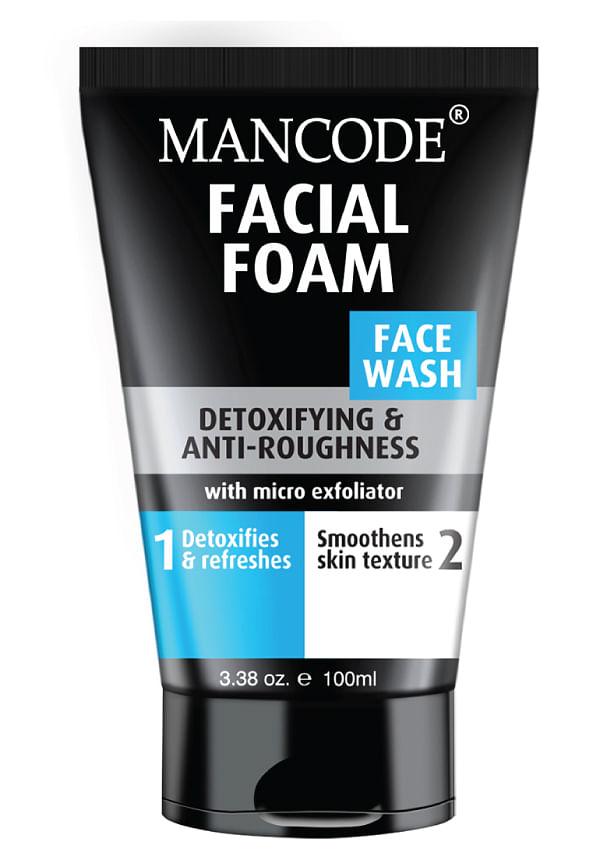
Face Wash Detoxifying & Anti Roughness with Micro Exfoliator Skin Purifying Face Wash
You've just started a new retinol serum and suddenly your skin looks worse than before. Tiny bumps are appearing exactly where you usually break out, and you're wondering if this expensive product is actually making things worse. Before you toss it in the bin, take a breath. What you're experiencing might not be a breakout at all — it could be skin purging, and understanding the difference could save your skincare routine.
Skin purging happens when active ingredients accelerate your skin's natural cell turnover process. Think of it as your skin fast-forwarding through its renewal cycle, bringing underlying congestion to the surface more quickly than usual. This process typically occurs with ingredients like retinoids, AHAs, BHAs, and vitamin C. A product breakout, on the other hand, is your skin's negative reaction to a new product. This could be due to comedogenic ingredients, sensitivity, or simply incompatibility with your skin type. Unlike purging, breakouts from products represent new irritation rather than accelerated clearing. This distinction matters enormously for your skincare success. Many people abandon effective products during the purging phase, missing out on the long-term benefits. Conversely, continuing with a product that's genuinely causing breakouts can worsen your skin condition. Understanding which reaction you're experiencing helps you make informed decisions about your routine. The most common misconception is that any worsening of skin means the product isn't working. In reality, some of the most effective skincare ingredients cause temporary purging before delivering remarkable results. However, not every negative skin reaction is purging — and knowing the difference protects both your skin and your wallet.
The timing of your skin's reaction provides the first crucial clue. Skin purging typically begins 2-6 weeks after starting an active ingredient, as your skin adjusts to the increased cell turnover rate. Product breakouts usually appear much sooner — often within days or even hours of first use — as your skin immediately reacts to incompatible ingredients. Location tells another important story. Purging occurs in areas where you normally experience congestion or breakouts. If you typically get spots on your chin and forehead, that's where purging will appear. Breakouts from product irritation, however, often show up in new areas where you don't usually have skin issues, indicating a reaction rather than accelerated clearing. The type of blemishes differs significantly between the two processes. Purging typically manifests as blackheads, whiteheads, and small pustules — essentially the same type of congestion you normally experience, just appearing faster. Product breakouts often present as inflamed cystic acne, red bumps, or irritated patches that look different from your usual skin concerns. Duration provides another telling difference. Skin purging follows a predictable timeline, usually resolving within 4-6 weeks as your skin adjusts to the new routine. Product breakouts tend to persist or worsen as long as you continue using the offending product, with no clear improvement timeline. Finally, consider the product correlation. Purging specifically occurs with active ingredients that increase cell turnover — retinoids, glycolic acid, salicylic acid, and similar compounds. Any product can potentially cause breakouts, including gentle cleansers, moisturisers, or makeup if they contain ingredients your skin doesn't tolerate.
During the skincare purging process, your skin might look temporarily worse before it improves. You'll notice an increase in the type of blemishes you normally get, appearing in your usual problem areas. The skin around these spots typically isn't severely inflamed — instead, you're seeing accelerated versions of your regular congestion patterns. The purging timeline follows distinct phases. The initial phase begins 2-3 weeks after starting your new active ingredient, with increased breakout activity in familiar areas. The peak phase occurs around weeks 4-6, when purging activity is most noticeable. Finally, the resolution phase sees gradual improvement as your skin adjusts to its new turnover rate. Inflammation levels during purging remain relatively controlled. While you might see more blemishes, they shouldn't be dramatically more inflamed than your usual breakouts. Severe redness, burning, or painful cysts suggest irritation rather than normal purging. Facial areas most commonly affected during purging include the T-zone, chin, and any areas where you typically experience congestion. If you normally break out along your jawline, that's where you'll see purging activity. New breakouts in areas like your cheeks or temples, where you don't usually have issues, suggest product incompatibility. When purging indicates your product is working, you'll notice that individual blemishes resolve more quickly than usual, even though more are appearing. This faster resolution time shows that your increased cell turnover is effectively clearing congestion, even if the initial appearance seems concerning.
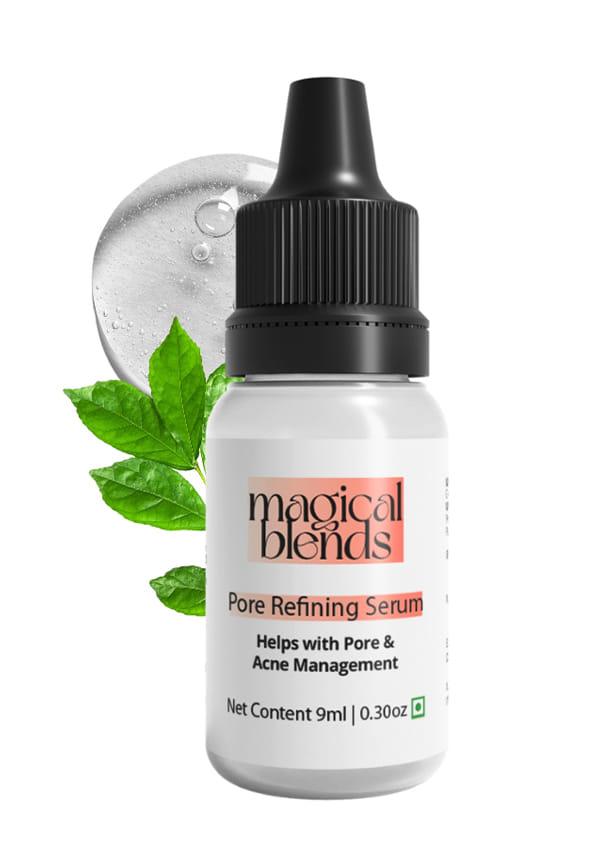
Pore Refining Serum
Recognising product breakout symptoms helps you distinguish between beneficial purging and harmful reactions. True product breakouts often present as inflamed, painful bumps that differ from your normal acne patterns. These might appear as deep cystic lesions, widespread small bumps, or angry red patches that feel hot to the touch. Allergic reactions manifest differently from typical acne breakouts. You might experience immediate redness, itching, burning, or stinging sensations. Some people develop contact dermatitis, characterised by red, scaly patches or small fluid-filled bumps that appear shortly after product application. Comedogenic ingredient reactions create specific patterns of congestion. Heavy oils or pore-clogging ingredients typically cause widespread blackheads and whiteheads, particularly in areas where the product was applied most heavily. This type of reaction usually develops gradually over several weeks of consistent use. Over-exfoliation symptoms include persistent redness, flaking, burning sensations, and increased sensitivity to other products. Your skin might feel tight, look shiny, or develop a raw appearance. Unlike purging, over-exfoliation doesn't improve with continued use — it typically worsens until you reduce or eliminate the offending product. You should discontinue a product immediately if you experience severe burning, widespread rash, significant swelling, or any signs of allergic reaction. Trust your instincts — if something feels wrong beyond normal adjustment discomfort, it probably is.
Contact dermatitis presents as red, inflamed patches that may ooze or develop crusts. This allergic reaction requires immediate product discontinuation and possibly medical attention. Unlike purging, contact dermatitis affects the skin's surface rather than just increasing underlying congestion. Chemical burns from actives create persistent redness, peeling, and sensitivity that doesn't improve with time. If your skin feels raw or looks significantly redder than usual after several days of product use, you're likely experiencing irritation rather than normal purging. Sensitivity reactions involve stinging, burning, or tingling that persists beyond the first few applications. While some actives cause mild tingling initially, ongoing discomfort suggests your skin cannot tolerate the product concentration or formulation.
If you've determined you're experiencing legitimate purging, continuing with your product usually yields the best long-term results. However, you can modify your approach to minimise discomfort while maintaining progress. Consider reducing application frequency — using your active ingredient every other night instead of daily can slow the purging process while still delivering benefits. Supporting your skin barrier during purging becomes crucial for comfort and effectiveness. Focus on gentle, hydrating products that won't interfere with your active ingredients. A simple routine with a mild cleanser, hydrating serum containing hyaluronic acid or ceramides, and a protective moisturiser helps your skin navigate the adjustment period. Complementary products can minimise purging discomfort without stopping your progress. Niacinamide helps regulate oil production and reduce inflammation, making it an excellent companion to purging-inducing actives. Gentle hydrating masks once or twice weekly provide extra moisture and comfort during the adjustment phase. Adjusting product frequency or concentration offers another management strategy. If purging feels overwhelming, temporarily reduce your active ingredient usage to every third night, then gradually increase frequency as your skin adapts. Some people benefit from starting with lower concentrations and building up tolerance over time. Monitor your skin's response throughout the process. Purging should show signs of improvement by week 6-8. If your skin continues worsening beyond this timeframe, or if you develop new types of breakouts, reconsider whether you're experiencing true purging or product incompatibility.
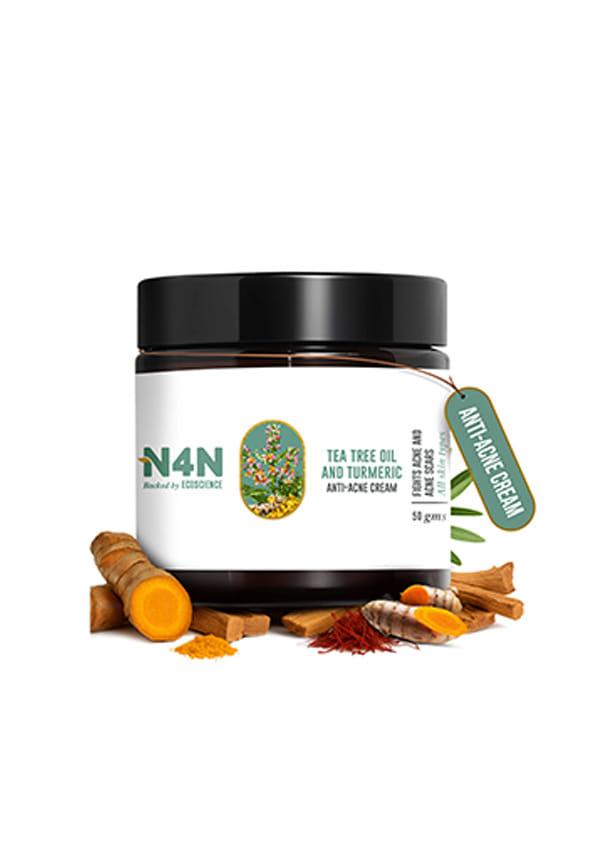
Anti Acne Cream | Tea Tree Oil And Turmeric | Fights Acne & Acne Scars
Generally, no — if you're experiencing true purging from an active ingredient, pushing through typically yields the best results. However, you should adjust usage frequency if purging feels overwhelming. Reduce application to every other night or every third night until your skin adapts. Stop immediately if you experience severe irritation, burning, or signs of allergic reaction.
No, these are fundamentally different processes. Purging occurs when active ingredients accelerate your skin's natural cell turnover, bringing existing congestion to the surface faster. Product breakouts represent new irritation or sensitivity to ingredients your skin cannot tolerate. Purging happens in areas where you normally break out, while product breakouts often appear in new areas.
Typical purging lasts 4-6 weeks, though this varies based on your skin's natural cell turnover rate and the specific active ingredient. Retinoids might cause longer purging periods (up to 12 weeks) because they create more dramatic changes in cell turnover. If your skin hasn't improved by week 8-10, you're likely experiencing product incompatibility rather than purging.
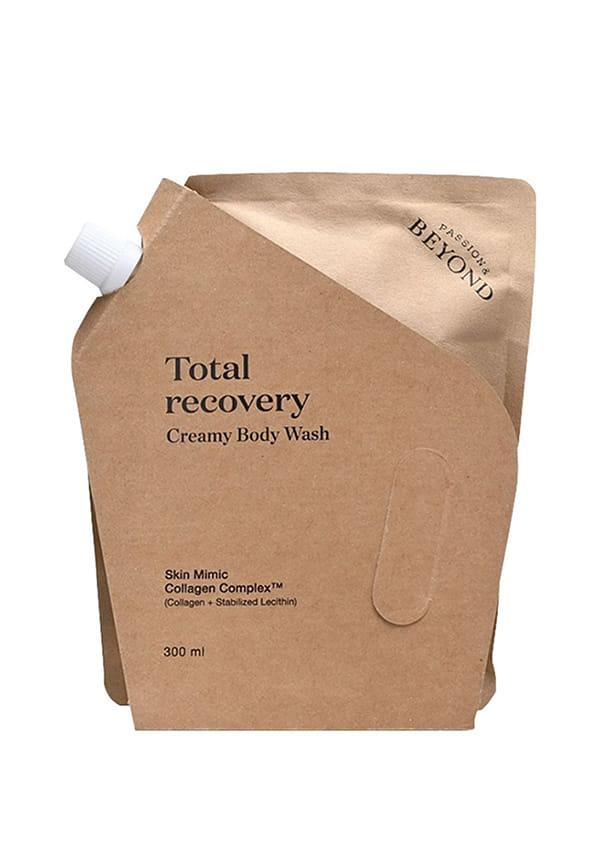
BEYOND Total Recovery Intense Body Emulsion
Purging represents accelerated clearing of existing congestion due to increased cell turnover from active ingredients. It appears in your usual problem areas with familiar types of blemishes that resolve quickly. Product breakouts are negative reactions to incompatible ingredients, often appearing in new areas with different types of inflammation that persist or worsen with continued use.
No, traditional moisturisers don't cause purging because they don't contain ingredients that increase cell turnover. If you're breaking out from a new moisturiser, it's likely due to comedogenic ingredients, sensitivity, or incompatibility with your skin type. However, some moisturisers contain active ingredients like retinol or AHAs that could potentially cause purging.
Look at timing (purging starts 2-6 weeks after beginning actives), location (purging occurs in usual problem areas), blemish type (purging creates familiar breakouts that resolve quickly), and product correlation (purging only occurs with cell turnover-increasing ingredients). If breakouts appear immediately in new areas with severe inflammation, you're likely experiencing product incompatibility.
Severe skin reactions require professional evaluation, especially if you experience widespread rash, significant swelling, or signs of infection. If your skin shows no improvement after 8-10 weeks of consistent active ingredient use, a dermatologist can help determine whether you're experiencing prolonged purging or product incompatibility. Persistent issues beyond normal timelines warrant professional attention. While some people experience longer purging periods, ongoing worsening after 12 weeks suggests your current approach needs modification. A dermatologist can adjust concentrations, recommend alternative ingredients, or identify underlying skin conditions affecting your response. Professional treatments can support problematic purging when home management isn't sufficient. Gentle chemical peels, LED therapy, or prescription medications might help your skin navigate the adjustment period more comfortably while maintaining the benefits of your active ingredients. Building an effective skincare routine with expert guidance ensures you're using appropriate products for your skin type and concerns. A dermatologist can help you introduce active ingredients gradually, choose compatible supporting products, and develop realistic expectations for your skin's response timeline.
Understanding the difference between skin purging and product breakouts empowers you to make informed decisions about your skincare routine. Remember that purging, while temporarily frustrating, often signals that your active ingredients are working effectively to improve your skin's long-term health and appearance. The key lies in careful observation — noting timing, location, blemish types, and your skin's overall response pattern. When in doubt, reduce usage frequency rather than abandoning potentially beneficial products entirely. Your skin's adjustment period requires patience, but the results often justify the temporary discomfort. For those exploring new skincare ingredients, platforms like Smytten offer an excellent way to test products before committing to full sizes. With access to curated trial packs from trusted brands, you can experiment with active ingredients and observe your skin's response without significant financial investment. This approach helps you build confidence in your product choices while minimising the risk of purchasing incompatible full-size products.
