Skin Pigmentation FAQ: Causes, Prevention & Treatment

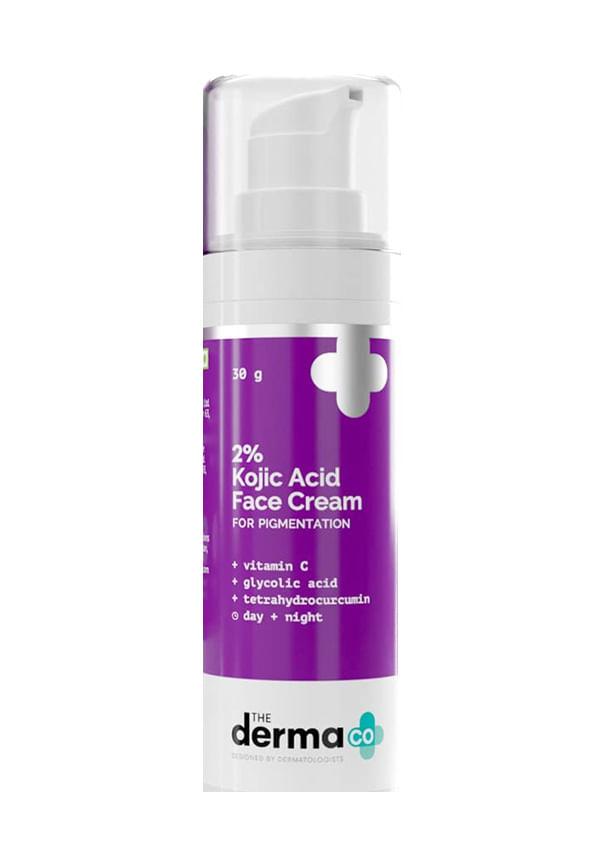 30 gm
30 gm2% Kojic Acid Cream for Pigmentation
Ever noticed how that one stubborn dark spot seems to appear overnight, yet takes forever to fade? You're not alone. Skin pigmentation affects nearly everyone at some point, whether it's post-acne marks that linger for months or those sneaky age spots that seem to multiply after a beach holiday. The good news? Understanding what causes uneven skin tone is the first step towards preventing it—and there are proven ways to keep your complexion clear and even.
Before diving into prevention, let's get clear on what's actually happening beneath your skin's surface. Skin pigmentation occurs when your skin produces too much melanin—the natural pigment that gives your skin its colour. Think of melanin as your skin's internal umbrella, designed to protect you from UV damage. Sometimes, though, this protective mechanism goes into overdrive.
Melanin production happens in specialised cells called melanocytes, which live in your skin's deepest layer. When these cells detect threats like UV rays, inflammation, or hormonal changes, they pump out extra melanin. This process is meant to shield your DNA from damage, but it can result in those frustrating dark patches we're all trying to avoid. Normal melanin production creates your natural skin tone. Excessive melanin production, however, leads to hyperpigmentation—those concentrated areas of darkness that stand out against your regular complexion. The tricky part is that once melanin clusters in certain spots, it can take months to naturally fade.
Not all dark spots are created equal. Post-inflammatory hyperpigmentation (PIH) appears after acne, cuts, or any skin trauma—it's your skin's way of healing, but the extra melanin sticks around longer than welcome. Melasma shows up as symmetrical patches, usually triggered by hormonal changes during pregnancy or from birth control pills. Age spots develop from years of sun exposure, typically appearing on areas that see the most UV—your face, hands, and shoulders. Then there's drug-induced pigmentation, which can occur as a side effect of certain medications, particularly antimalarials and some antibiotics.
UV radiation remains the biggest culprit behind skin discoloration. Even brief, daily sun exposure adds up over time, creating cumulative damage that eventually surfaces as dark spots. Hormonal fluctuations—whether from pregnancy, contraceptives, or menopause—can trigger melanin overproduction, particularly in women. Inflammation from acne, eczema, or even aggressive skincare treatments can leave lasting marks. Your genetic makeup also plays a role; some people simply produce more melanin in response to triggers. Environmental factors like pollution and blue light from screens are emerging as new contributors to pigmentation concerns.
Prevention truly is better than cure when it comes to pigmentation. The most effective approach combines daily sun protection with targeted skincare ingredients that keep melanin production in check. Real talk: consistency matters more than perfection here.
Broad-spectrum SPF isn't negotiable if you're serious about preventing pigmentation. Choose SPF 30 or higher and reapply every two hours—yes, even when you're indoors near windows. Look for formulas with zinc oxide or titanium dioxide for reliable protection. Tinted sunscreens containing iron oxides offer extra defence against visible light, which can worsen melasma and other pigmentation types. Physical barriers like wide-brimmed hats and UV-protective clothing provide additional coverage, especially during peak sun hours between 10 AM and 4 PM. Don't forget often-missed spots: your ears, neck, and the backs of your hands. These areas are particularly prone to age spots because they're frequently exposed but often overlooked during sunscreen application.
Vitamin C serums work as your skin's daily antioxidant shield, neutralising free radicals before they can trigger excess melanin production. Apply vitamin C in the morning, followed by your sunscreen for maximum protection. Niacinamide helps regulate melanin transfer from melanocytes to skin cells, effectively preventing dark spots from forming. It's gentle enough for daily use and plays well with other ingredients. Gentle cleansing prevents the inflammation that can lead to post-inflammatory hyperpigmentation—harsh scrubbing often does more harm than good. Controlled chemical exfoliation with AHAs or BHAs helps prevent melanin buildup by encouraging healthy cell turnover. Start slowly—once or twice weekly—and build tolerance gradually.
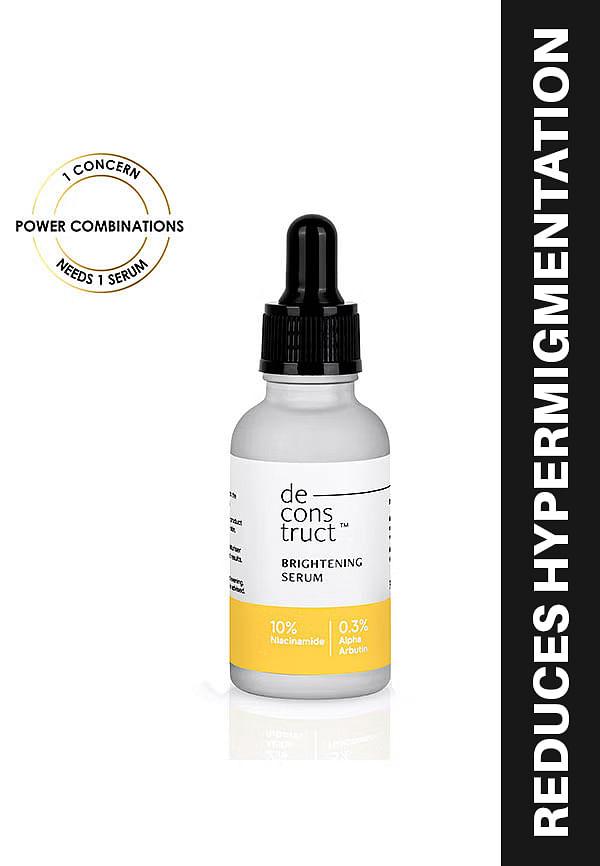 30 ml
30 mlBrightening Face Serum for Pigmentation & Dark Spots Removal
Managing hormonal fluctuations through stress reduction and proper sleep supports balanced melanin production. An anti-inflammatory diet rich in antioxidants—think berries, leafy greens, and omega-3 fatty acids—provides internal support for healthy skin. Proper wound care prevents PIH from developing after cuts, acne, or other skin injuries. Keep wounds clean, avoid picking, and consider using silicone gels or patches to minimise scarring and pigmentation.
When prevention isn't enough, professional treatments can effectively target existing pigmentation. Understanding your options helps you make informed decisions about which approach might work best for your specific concerns.
Hydroquinone remains the gold standard for melanin reduction, available in 2-4% concentrations by prescription. It works by inhibiting the enzyme responsible for melanin production, but requires careful monitoring due to potential side effects with long-term use. Tretinoin and other retinoids accelerate cell turnover, helping pigmented cells shed more quickly whilst preventing new dark spots from forming. Azelaic acid offers a gentler alternative, particularly effective for post-inflammatory hyperpigmentation and safe for sensitive skin. Chemical peels using glycolic, salicylic, or TCA remove pigmented surface layers, revealing fresher skin underneath. Professional-strength peels achieve faster results than at-home options but require proper aftercare.
Laser therapy targets melanin deposits with precise energy, breaking them apart for natural elimination. Different laser types address various pigmentation depths and skin tones. IPL treatments use broad-spectrum light to target multiple pigmentation types simultaneously. Microneedling combined with brightening serums enhances ingredient penetration whilst stimulating natural skin renewal. Cryotherapy freezes isolated age spots, causing them to peel away over several days.
Realistic expectations are crucial for treatment success. Most professional treatments require 3-6 months to show significant results, with maintenance sessions needed to prevent recurrence. Combination approaches often work better than single treatments, but patience is essential—rushing the process can worsen pigmentation.
Natural ingredients can support pigmentation prevention and treatment, though results typically develop more slowly than clinical options. These gentler alternatives work well for sensitive skin or as maintenance between professional treatments.
Kojic acid, derived from fermented rice, inhibits melanin production similarly to hydroquinone but with fewer side effects. Arbutin from bearberry extract provides gentle melanin reduction, particularly effective for age spots. Licorice root extract contains glabridin, which helps prevent UV-induced pigmentation whilst soothing inflammation. Turmeric and its active compound curcumin offer anti-inflammatory benefits that can prevent post-inflammatory hyperpigmentation.
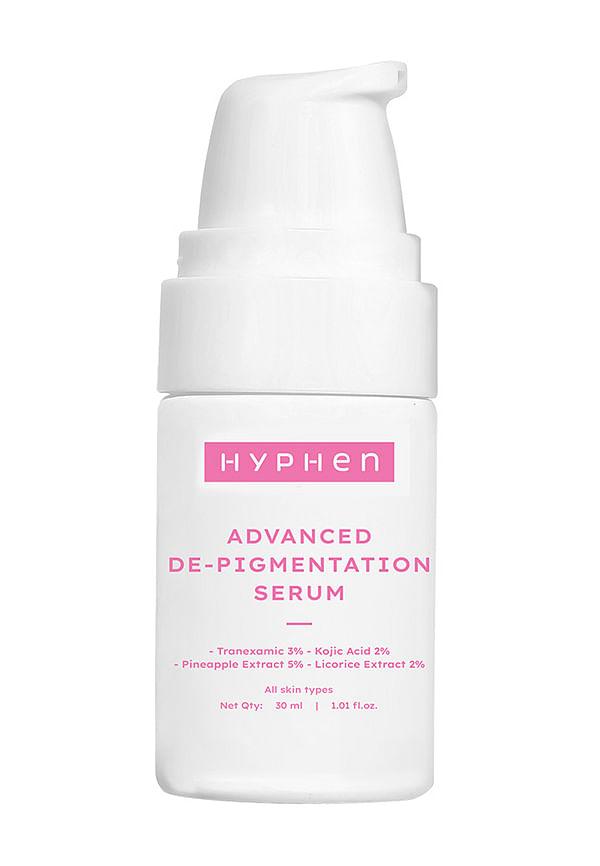 30 ml
30 mlAdvanced De-Pigmentation Serum For Hyperpigmentation, Melasma, Dark Spots & Scars
Vitamin E oil supports skin healing and may help fade existing marks when used consistently. Green tea extract provides antioxidant protection that can prevent new pigmentation from forming. Papaya enzyme masks offer gentle exfoliation, helping remove pigmented surface cells. Glutathione-rich foods like spinach and avocados support internal antioxidant levels, though topical application is more effective for pigmentation concerns.
Always patch test natural ingredients before full application—natural doesn't automatically mean safe for everyone. Some natural lighteners can increase photosensitivity, making sun protection even more critical. Set realistic expectations; natural remedies typically require months of consistent use for visible results.
Existing sun damage requires a strategic approach combining antioxidants, cell renewal accelerators, and barrier repair ingredients. The key is addressing damage at multiple levels whilst preventing further harm.
Vitamin C and E combinations work synergistically to neutralise free radical damage whilst supporting collagen production. Ferulic acid stabilises these vitamins, enhancing their effectiveness against pigmentation. Peptide treatments signal skin repair processes, helping restore normal melanin distribution. Ceramide restoration strengthens the skin barrier, preventing further damage whilst supporting natural healing processes.
Immediate cooling with cold compresses or aloe vera can minimise inflammation that leads to pigmentation. Apply anti-inflammatory ingredients like niacinamide or chamomile extract whilst skin is still recovering. Focus on barrier repair with hyaluronic acid and ceramides to prevent long-term damage.
Modern skincare offers sophisticated ingredients that target pigmentation through multiple pathways. Understanding how these work helps you build an effective routine tailored to your specific concerns.
Alpha hydroxy acids (AHAs) like glycolic and lactic acid accelerate cell turnover, helping pigmented cells shed more quickly. Salicylic acid (BHA) penetrates pores to prevent post-acne pigmentation whilst gently exfoliating surface discoloration. Tranexamic acid shows particular promise for melasma treatment, working by reducing inflammation and melanin production. Bakuchiol offers retinol-like benefits for pigmentation without the photosensitivity, making it suitable for daytime use.
Morning routines should focus on antioxidants and sun protection—vitamin C, niacinamide, and broad-spectrum SPF. Evening routines can incorporate stronger actives like retinoids or AHAs when sun exposure isn't a concern. Consider pH requirements when layering ingredients. Vitamin C works best at lower pH levels, whilst niacinamide prefers neutral pH. Allow time between applications for optimal absorption and effectiveness.
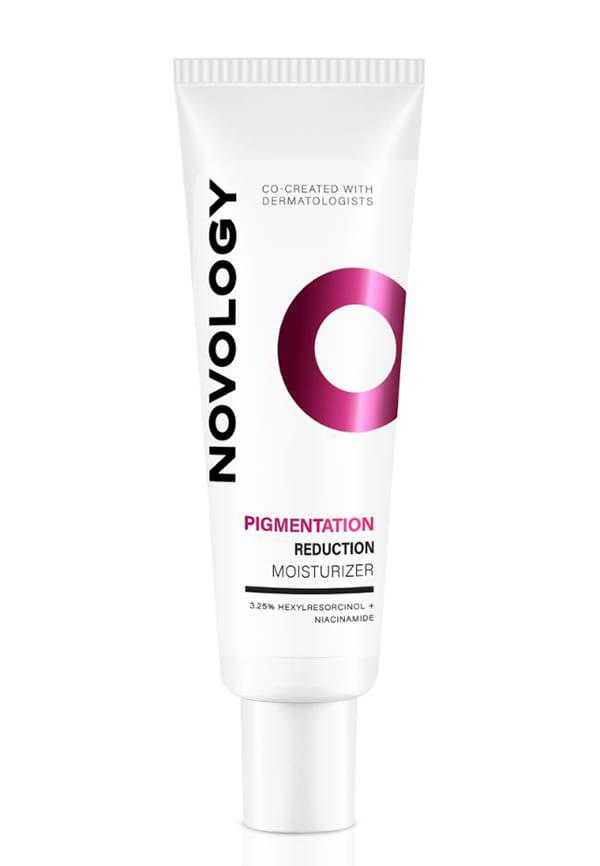 50 g
50 gPigmentation Moisturiser, Face Cream for Hyperpigmentation & Dark Spots
Consistent daily sunscreen use (SPF 30+), vitamin C serums, gentle skincare practices, and professional treatments when needed create the most effective prevention strategy. The key is starting prevention before pigmentation appears and maintaining protective habits long-term.
Vitamin C helps prevent new pigmentation and gradually lightens existing spots through antioxidant action and melanin synthesis inhibition, but requires 8-12 weeks of consistent use for visible results. It works best as part of a comprehensive routine rather than a standalone treatment.
Natural melanin reduction methods include kojic acid, arbutin, licorice extract, consistent sun protection, and antioxidant-rich foods, though results develop slower than clinical treatments. Patience and consistency are essential with natural approaches.
UV radiation exposure is the primary cause, triggering excess melanin production, followed by hormonal changes, inflammation, and genetic factors. Even brief daily sun exposure accumulates over time, eventually manifesting as visible pigmentation.
Permanent removal requires professional laser treatments or chemical peels combined with strict sun protection, as pigmentation can return without proper prevention measures. Multiple treatment sessions are typically needed for lasting results.
Unexplained darkening may result from hormonal changes, medication side effects, underlying health conditions, or accumulated sun damage becoming visible over time—consult a dermatologist for proper diagnosis. Sometimes pigmentation develops gradually, making the cause less obvious.
Preventing skin pigmentation is far easier than treating it, but both require patience and consistency. The most effective approach combines daily sun protection with targeted ingredients that support healthy melanin production. Remember that your skin's needs may change with seasons, hormones, and age—what works now might need adjustment later. Building a routine around prevention doesn't mean avoiding the sun entirely. It means being smart about protection and choosing products that support your skin's natural balance. Whether you're dealing with existing pigmentation or working to prevent future spots, the key is finding products and treatments that work for your specific skin type and concerns. Smytten Shop offers curated selections from trusted brands specialising in pigmentation prevention and treatment, with options for every budget and skin type. The platform's 28M+ users have access to everything from gentle vitamin C serums to professional-grade treatments. If you're curious about trying new pigmentation-fighting ingredients but not ready to commit to full sizes, Smytten also lets you explore minis from many of these brands before making larger investments.
