Skin Barrier FAQ: Understanding Its Function and Protection

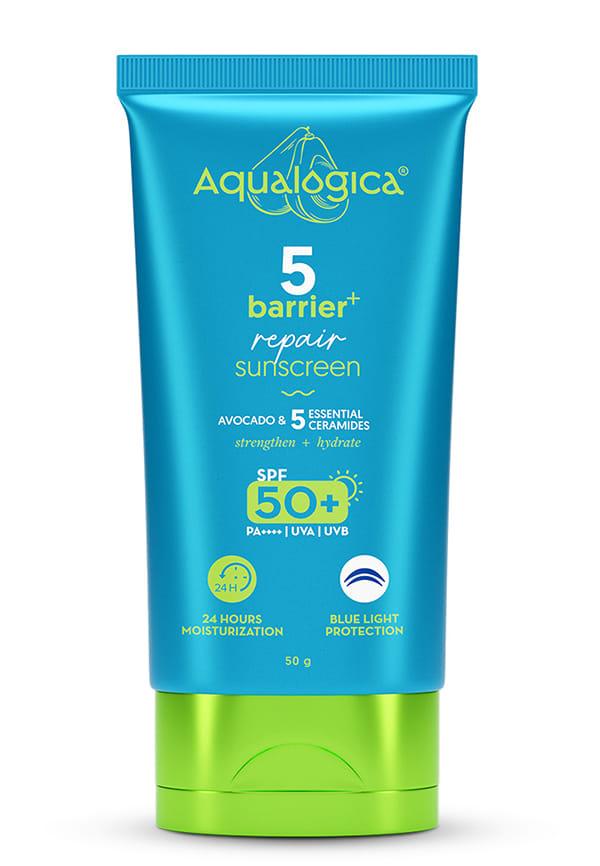
Barrier+ Repair Sunscreen
Ever wondered why your skin feels tight after washing your face, or why that new serum suddenly stings when it never used to? Your skin barrier might be trying to tell you something. This protective layer works tirelessly to keep moisture in and irritants out, but when it's compromised, your skin can feel sensitive, dry, and generally unhappy. Understanding how your skin barrier functions—and why protecting it matters—is the foundation of any effective skincare routine.
Your skin barrier, scientifically known as the stratum corneum, is the outermost layer of your skin. Think of it as your skin's security system—a sophisticated structure that determines what gets in and what stays out. This barrier isn't just a simple wall; it's more like a carefully constructed fortress with multiple layers of protection.
The structure works on what dermatologists call the "brick and mortar" principle. The "bricks" are dead skin cells called corneocytes, whilst the "mortar" is a mixture of skin barrier lipids—primarily ceramides, cholesterol, and fatty acids. These lipids fill the spaces between cells, creating a waterproof seal that's both flexible and strong.
Ceramides make up about 50% of the lipids in your skin barrier, which explains why they're such a buzzword in skincare. These waxy molecules help maintain the barrier's integrity and prevent trans-epidermal water loss (TEWL). When your ceramide levels are optimal, your skin feels plump, smooth, and comfortable.
Your healthy skin barrier also regulates pH levels, keeping your skin slightly acidic (around 5.5) to prevent harmful bacteria from thriving. This acidic environment supports beneficial microorganisms whilst deterring pathogens that could cause infections or inflammation.
Your skin barrier is essentially your body's first line of defence against the outside world. Every day, it faces pollution, UV rays, harsh weather, and countless potential irritants. When this barrier is functioning properly, it keeps your skin hydration levels stable whilst blocking environmental aggressors from penetrating deeper layers.
The barrier's role in moisture retention cannot be overstated. A compromised barrier allows water to escape rapidly, leading to dehydration that shows up as tightness, flakiness, and dullness. This isn't just about comfort—chronic dehydration can accelerate signs of ageing and make your skin more susceptible to damage.
When your barrier is damaged, you're more likely to experience skin sensitivity and inflammatory conditions. Research shows that people with eczema, dermatitis, and rosacea often have impaired barrier function. The barrier can't effectively keep irritants out, leading to a cycle of inflammation and further damage.
Even if you don't have a diagnosed skin condition, a weakened barrier can make your skin reactive to products that previously caused no issues. That favourite serum might suddenly sting, or your usual cleanser might leave your skin feeling stripped and tight.
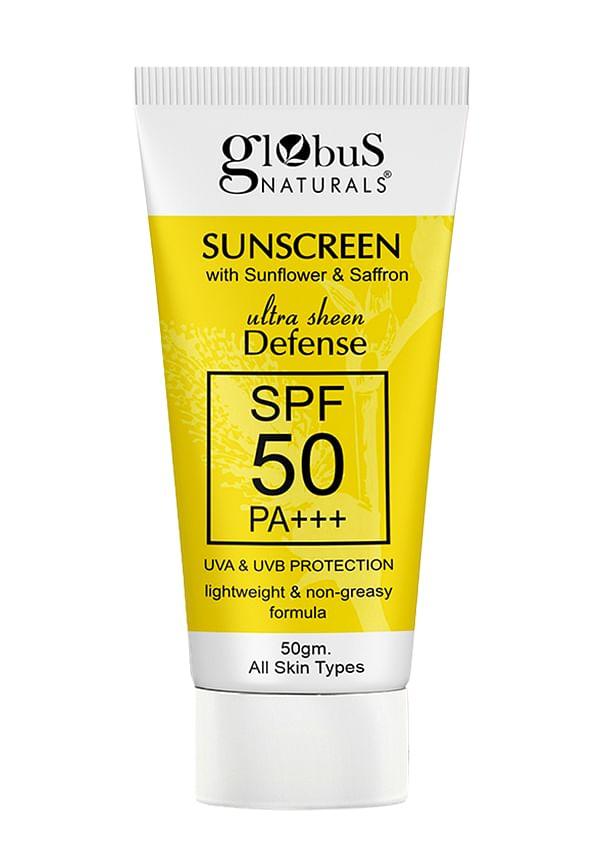
Sunscreen with Ultra Sheen Defense, SPF 50 PA+++, UVA & UVB Protection
Recognising the signs of a damaged skin barrier early can help you adjust your routine before the problem worsens. Your skin has several ways of signalling that its protective function is compromised, and learning to read these signals is crucial for maintaining skin health.
The most obvious sign is persistent dryness that doesn't improve with regular moisturising. If you're applying cream multiple times a day but your skin still feels tight and uncomfortable, your barrier likely needs attention. This type of dryness often comes with visible flaking or rough patches that feel different from your skin's normal texture.
Increased skin sensitivity is another telltale sign. Products that never bothered you before might suddenly cause stinging, burning, or redness. Your skin might also become more reactive to environmental factors like wind, air conditioning, or even water temperature changes.
Frequent breakouts or skin infections can also indicate barrier damage. When the protective function is compromised, bacteria can more easily penetrate the skin, leading to inflammatory responses. You might notice that cuts or minor irritations take longer to heal than usual.
Understanding what damages your skin barrier helps you make informed choices about your skincare routine and lifestyle. Over-exfoliation is one of the most common culprits—using harsh scrubs, multiple acids, or exfoliating too frequently can strip away the protective lipid layer faster than your skin can replace it.
Environmental factors play a significant role in barrier health. UV exposure breaks down skin barrier lipids, whilst pollution creates free radicals that damage cellular structures. Extreme weather conditions—whether it's harsh winter winds or dry indoor heating—can also compromise barrier function over time.
Your internal health directly affects your skin barrier. Chronic stress elevates cortisol levels, which can impair the skin's ability to produce and maintain protective lipids. Poor sleep quality affects cellular repair processes, whilst nutritional deficiencies can limit your skin's access to the building blocks it needs for barrier maintenance.
Certain medications and medical treatments can also impact barrier function. Topical retinoids, whilst beneficial for many skin concerns, can initially compromise the barrier as your skin adjusts. Similarly, treatments like chemical peels or laser procedures temporarily disrupt barrier function as part of their mechanism of action.
Skin barrier repair requires patience and a gentle approach. The first step is often simplifying your routine and removing any potentially irritating products. Focus on gentle cleansing with pH-balanced cleansers that won't strip your skin's natural oils.
Moisturising becomes crucial during the repair process, but not just any moisturiser will do. Look for formulations that contain ceramides for skin barrier repair, along with other barrier-supporting ingredients like cholesterol and fatty acids. These ingredients help replenish what your skin has lost and support the natural repair process.
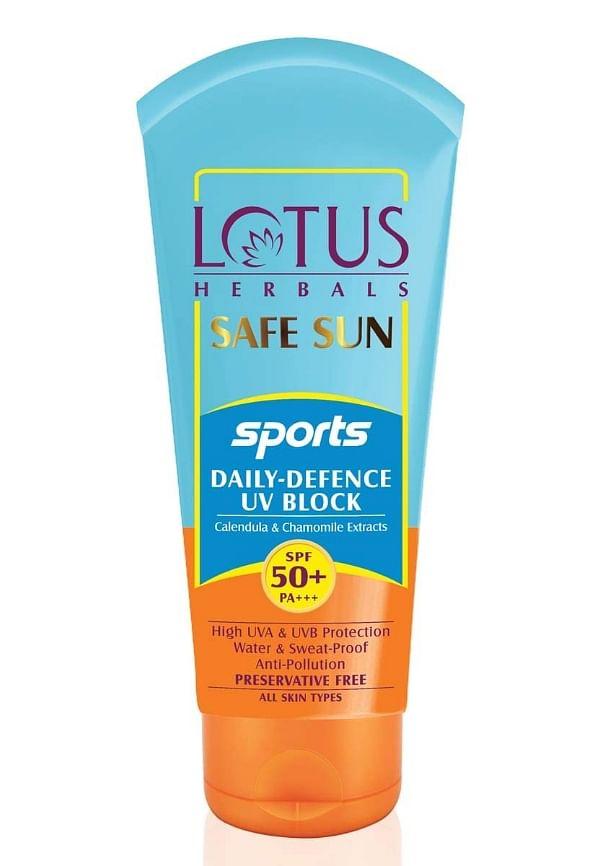
Safe Sun Sports Daily-Defence UV Block Sunscreen SPF 50+
Occlusive ingredients like petrolatum, shea butter, or squalane can provide immediate relief by creating a protective seal over your skin. This prevents further water loss whilst your barrier rebuilds itself. Many people find that applying a thin layer of a barrier repair cream before bed helps accelerate the healing process.
Recovery time varies depending on the extent of damage, but most people notice improvements within 2-4 weeks of consistent barrier-focused care. During this time, it's important to avoid introducing new active ingredients or treatments that might further compromise your skin's protective function.
Ceramides are perhaps the most important ingredient for barrier health, as they're naturally found in healthy skin and can be depleted when the barrier is damaged. Topical ceramides help restore the lipid matrix and improve the skin's ability to retain moisture. Look for products that contain multiple types of ceramides for the most comprehensive support.
Niacinamide is another powerhouse ingredient for barrier function. This form of vitamin B3 helps increase ceramide production, reduces inflammation, and can improve the skin's tolerance to other active ingredients. It's particularly beneficial for those dealing with sensitivity issues related to barrier damage.
Hyaluronic acid supports barrier health by attracting and holding moisture in the skin. When used in conjunction with occlusive ingredients, it can significantly improve skin hydration levels. Glycerin works similarly, drawing moisture from the environment and deeper skin layers to the surface.
For those dealing with inflammatory conditions like eczema, ingredients like colloidal oatmeal, allantoin, and panthenol can provide soothing relief whilst supporting the repair process. These ingredients help calm irritation without interfering with the skin's natural healing mechanisms.
Tretinoin and other retinoids can initially compromise barrier function as your skin adjusts to the ingredient. This is why many people experience dryness, peeling, and sensitivity when starting retinoid treatment. However, this effect is usually temporary. To minimise barrier disruption, start with a low concentration, use it every other night initially, and always follow with a barrier-supporting moisturiser. If you're experiencing significant irritation, consider reducing frequency or taking a break to allow your barrier to recover.
Alpha arbutin is generally well-tolerated, even by sensitive skin, but when your barrier is compromised, it's best to focus on repair first. A damaged barrier can make any active ingredient more likely to cause irritation. Once your barrier is restored (usually after 2-4 weeks of gentle care), you can gradually reintroduce alpha arbutin. Start with a low concentration and monitor your skin's response carefully.

Safe Sun Sports Pro-Defence Sunblock SPF 100+| PA+++
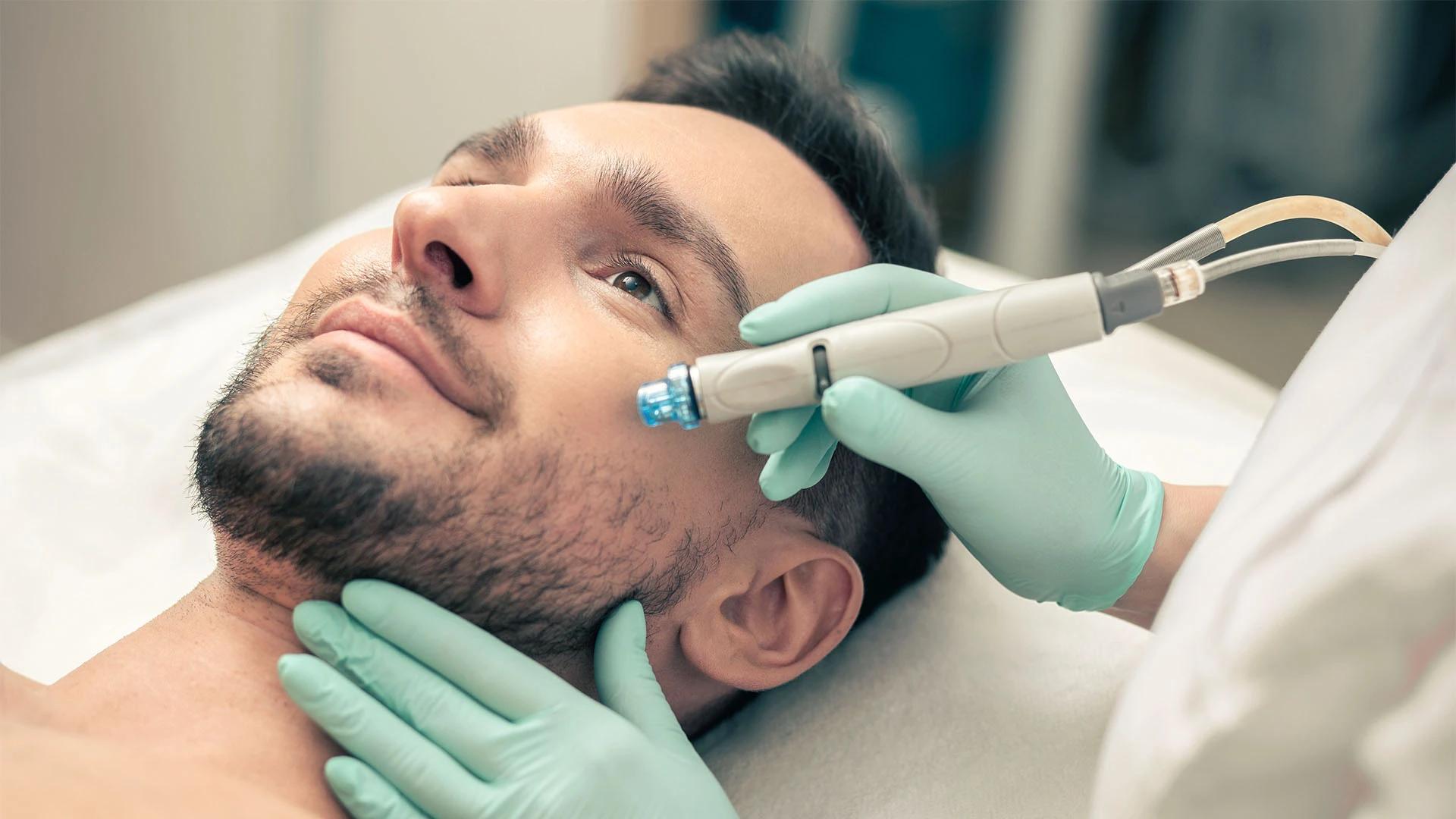
Microneedling temporarily disrupts the skin barrier by creating controlled micro-injuries. This is actually part of how the treatment works—it triggers the skin's healing response and can improve product absorption. However, proper aftercare is crucial. Your skin will be more vulnerable to irritation and infection for several days post-treatment. Use gentle, barrier-supporting products and avoid active ingredients until your skin has fully healed.
When you suspect barrier damage, immediately simplify your routine. Use a gentle, pH-balanced cleanser and focus on moisturising with ceramide-rich products. Avoid exfoliation, active ingredients, and any products that sting or burn. Protect your skin from environmental stressors with sunscreen during the day and consider using a humidifier at night. Most importantly, be patient—barrier repair takes time, but consistency with gentle care will yield results.
Natural approaches to barrier healing include using gentle oils like jojoba or rosehip seed oil, which contain fatty acids that support barrier function. Honey has antimicrobial and humectant properties that can soothe irritated skin. Oatmeal baths or masks can provide anti-inflammatory benefits. However, remember that "natural" doesn't always mean better—some natural ingredients can be irritating to compromised skin. Focus on proven barrier-supporting ingredients whether they're natural or synthetic.
Barrier repair typically takes 2-6 weeks, depending on the extent of damage and your skin's natural healing capacity. You might notice improvements in comfort and hydration within the first week, but full restoration takes longer. Factors like age, overall health, and environmental conditions can affect healing time. Consistency with gentle, barrier-supporting care is more important than trying to speed up the process with intensive treatments.
Whilst rare, it's possible to disrupt your skin's natural functions with excessive moisturising, particularly if you're using very heavy, occlusive products that don't allow your skin to breathe. However, most people err on the side of under-moisturising rather than over-moisturising. The key is finding products that support your skin's natural barrier function rather than replacing it entirely. If your skin feels congested or develops small bumps, you might need to adjust your moisturising routine.
Your skin barrier is working around the clock to protect and maintain your skin's health. Understanding its function and recognising when it needs support can transform your skincare experience. Remember that barrier repair is a gradual process that requires patience and consistency rather than quick fixes.
The most effective approach combines gentle skincare practices with barrier-supporting ingredients like ceramides, niacinamide, and hydrating compounds. Whether you're dealing with sensitivity, dryness, or inflammatory conditions, prioritising barrier health often addresses multiple concerns simultaneously.
If you're curious about trying barrier-supporting products but want to test them first, Smytten's curated selection includes minis from trusted brands that specialise in gentle, effective formulations. With over 28 million users discovering products through trial sizes, it's a smart way to find what works for your skin without committing to full-size products. After all, your skin barrier deserves the best care, and finding the right products shouldn't involve guesswork.
