Salicylic Acid vs. Benzoyl Peroxide: Your Acne Treatment FAQ


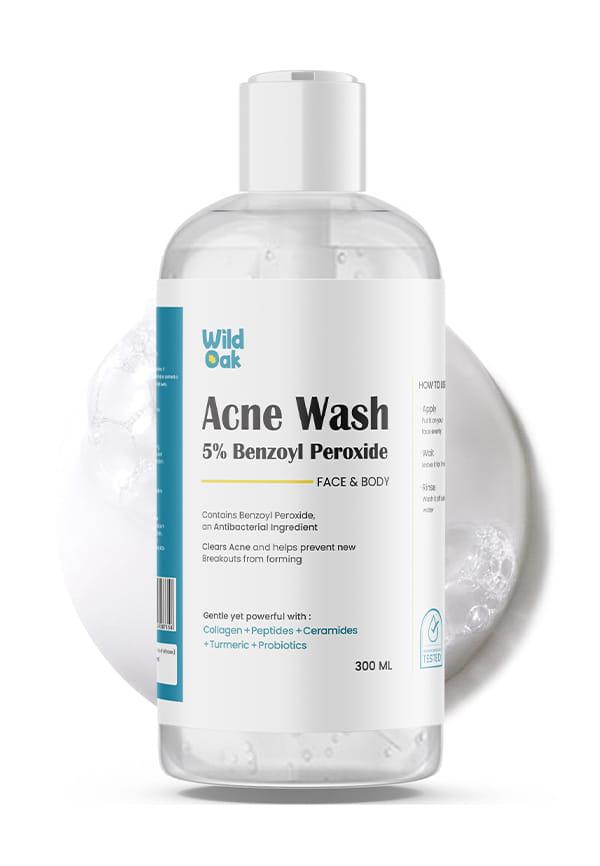
5% Benzoyl Peroxide Acne Wash for Face & Body
You've been battling breakouts for months, and every time you walk down the skincare aisle, you're faced with the same dilemma: salicylic acid or benzoyl peroxide? Both promise clearer skin, both have devoted followers, and both seem to work for different people. If you've ever stood there reading ingredient lists, wondering which one will finally give you the results you're after, you're not alone. The difference between salicylic acid and benzoyl peroxide isn't just about chemistry—it's about understanding what your skin actually needs and how these two powerhouse ingredients tackle acne in completely different ways.
Before diving into which acne treatment works best for you, let's get clear on what these skincare ingredients actually are and how they function. Both are proven acne medication options, but they approach the problem from entirely different angles.
Salicylic acid is a beta hydroxy acid (BHA) that works by gently dissolving the bonds between dead skin cells. Think of it as a microscopic cleaner that gets deep into your pores, clearing out the oil, dead skin, and debris that can lead to blackheads and whiteheads. You'll typically find it in concentrations ranging from 0.5% to 2% in over-the-counter products, with 2% being the most common strength for effective treating acne.
Benzoyl peroxide takes a different approach entirely. It's an antimicrobial agent that works by releasing oxygen into your pores, creating an environment where acne-causing bacteria simply can't survive. Available in strengths from 2.5% to 10%, it's particularly effective at tackling the inflammatory side of acne—those red, angry spots that seem to appear overnight.
Understanding the benzoyl peroxide vs salicylic acid debate comes down to recognising how differently these ingredients work and what type of acne you're dealing with. Your skin's specific needs will determine which ingredient becomes your new best friend.
Salicylic acid is all about prevention and maintenance. It works by exfoliating inside your pores, breaking down the sticky mixture of oil and dead skin cells that can clog them in the first place. This makes it brilliant for keeping your skin clear and preventing future breakouts. Benzoyl peroxide, on the other hand, is more of an active fighter. It goes straight after the bacteria that cause inflammation, making it excellent for treating existing breakouts quickly.
Here's where the real difference becomes clear. Salicylic acid excels at dealing with non-inflammatory acne—those stubborn blackheads, whiteheads, and general congestion that make your skin look dull and bumpy. Benzoyl peroxide is your go-to for inflammatory acne—the red, swollen spots that hurt to touch and seem to have a life of their own.
The salicylic acid benefits extend far beyond just clearing existing breakouts. This ingredient is particularly loved by those who want to maintain clear skin without the potential irritation that can come with stronger treatments.
Salicylic acid offers deep pore cleansing that you can actually see working. Within a few weeks of consistent use, you'll notice fewer blackheads, smoother skin texture, and that general congested feeling starting to lift. It also has anti-inflammatory properties, which means it can help calm existing breakouts whilst preventing new ones from forming. For many people, it becomes the backbone of their daily routine—gentle enough for everyday use but effective enough to make a real difference.
If your main concerns are blackheads, whiteheads, and general skin congestion, salicylic acid is likely your best bet. It's also the better choice if you have sensitive skin that doesn't respond well to stronger treatments. For daily maintenance and prevention, particularly if you're prone to clogged pores from makeup or environmental factors, salicylic acid works brilliantly as part of your regular routine.
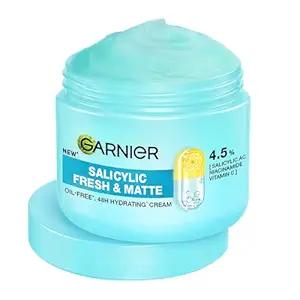
The Garnier Fresh & Matte Salicylic Acid Sorbet Moisturiser Cream is an excellent example of how this ingredient can be incorporated into daily skincare. This lightweight formula delivers the pore-clearing benefits of salicylic acid whilst providing essential hydration, making it perfect for those who want to maintain clear skin without the drying effects often associated with acne treatments. The sorbet texture absorbs quickly, leaving skin feeling fresh and matte—ideal for oily, acne-prone skin types.
The benzoyl peroxide benefits shine brightest when you're dealing with active, inflamed breakouts that need immediate attention. This ingredient doesn't mess about—it gets to work quickly and delivers visible results.
Benzoyl peroxide is unmatched when it comes to rapid bacteria elimination. It can significantly reduce the bacteria count in your pores within days, which translates to less inflammation and faster healing of existing spots. Unlike antibiotics, bacteria can't develop resistance to benzoyl peroxide, making it a reliable long-term option for those with persistent acne.
When you're dealing with those deep, painful spots that seem to take forever to come to a head, benzoyl peroxide is your friend. It's particularly effective for hormonal acne flare-ups—those monthly breakouts that appear around your jawline and chin. As a spot treatment, it can help bring down inflammation quickly, though it's also effective as an all-over treatment for moderate to severe acne.
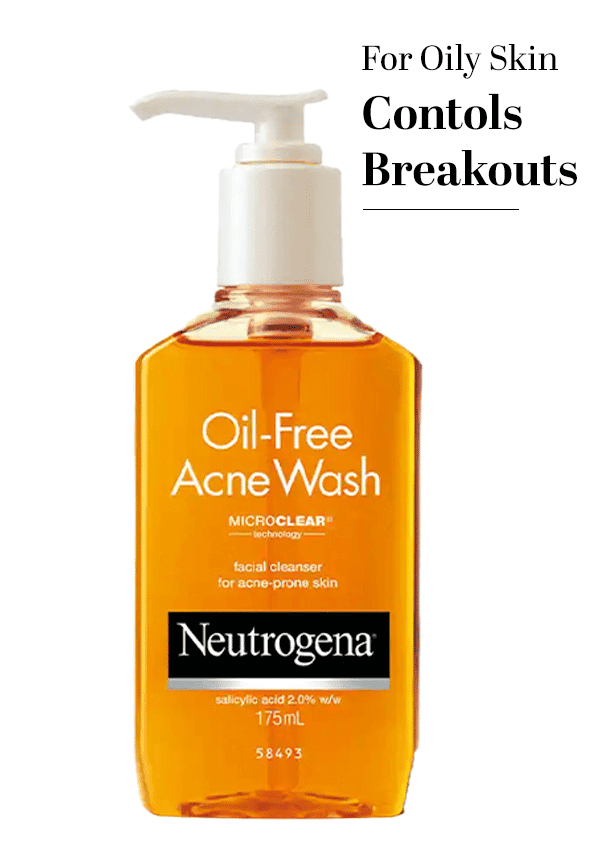
Oil Free Acne Wash For Acne Prone Skin With Salicylic Acid
This is one of the most common questions in skincare for acne, and the answer is yes—but with some important caveats. Combining these two powerhouse ingredients can be incredibly effective, but it requires a thoughtful approach.
The safest way to use both ingredients is to alternate them—perhaps using salicylic acid in the morning and benzoyl peroxide in the evening, or alternating days. Start with lower concentrations of both and pay close attention to how your skin responds. Some people find success using salicylic acid as their daily maintenance ingredient and bringing in benzoyl peroxide as needed for active breakouts.
The main risk of combining these ingredients is over-drying and irritation. Both can be drying on their own, and together they can compromise your skin barrier if you're not careful. Signs you're overdoing it include excessive dryness, redness, peeling, or increased sensitivity. Always prioritise moisturising and consider scaling back if your skin feels tight or uncomfortable.
The truth is, there's no universal winner in the benzoyl peroxide vs salicylic acid debate. The best choice depends entirely on your specific skin concerns, acne type, and how your skin responds to different treatments.
For hormonal acne—those deep, cystic breakouts that appear monthly—benzoyl peroxide often takes the lead due to its powerful antibacterial action. However, salicylic acid plays an important supporting role by keeping pores clear and preventing the buildup that can make hormonal breakouts worse. Many people find the most success using salicylic acid for daily maintenance and benzoyl peroxide for treating active flare-ups.
Both ingredients are available in wash-off and leave-on formulations, but their effectiveness varies by format. Salicylic acid works well in both formats, though leave-on treatments tend to be more effective for ongoing pore maintenance. Benzoyl peroxide is generally more effective as a leave-on treatment, as wash-off formulations don't give it enough contact time to work effectively against bacteria.
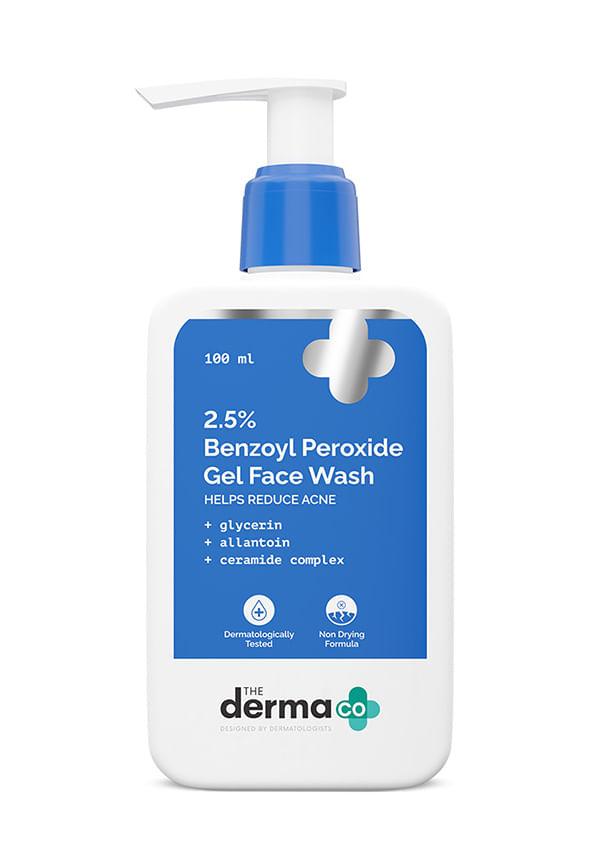
2.5% Benzoyl Peroxide Gel Face Wash
For body acne, both ingredients can be effective, but practical considerations matter. Salicylic acid body washes are excellent for daily use and can help prevent body acne without the bleaching concerns that come with benzoyl peroxide. Benzoyl peroxide can be brilliant for treating existing body breakouts, but be aware that it can bleach clothing and bedding.
Neither ingredient is universally "better"—it depends on your specific acne type and skin needs. Salicylic acid excels at preventing breakouts and clearing blackheads and whiteheads, whilst benzoyl peroxide is more effective for treating active, inflamed breakouts. Many people find the best results using both ingredients strategically rather than choosing just one.
You can substitute one for the other, but they work differently, so you might not get the same results. If you're switching from salicylic acid to benzoyl peroxide, you might notice less prevention of blackheads and whiteheads but better treatment of inflammatory breakouts. The reverse is true when switching from benzoyl peroxide to salicylic acid.
Clinical studies show both ingredients are effective, but for different types of acne. Benzoyl peroxide tends to show faster results for inflammatory acne, whilst salicylic acid is more effective for long-term prevention and maintenance. The most effective approach often involves using both ingredients as part of a comprehensive skincare routine.
Benzoyl peroxide typically shows results faster, with improvements in inflammatory acne visible within 1-2 weeks. Salicylic acid works more gradually, with noticeable improvements in skin texture and blackhead reduction appearing after 4-6 weeks of consistent use. Both ingredients require patience and consistent use for best results.
Retinoids (like tretinoin) are often considered the gold standard for acne treatment and can be more effective than either salicylic acid or benzoyl peroxide alone. However, they require a prescription and come with more potential side effects. For over-the-counter options, combining salicylic acid and benzoyl peroxide often provides better results than using either ingredient alone.
Understanding the difference between salicylic acid and benzoyl peroxide empowers you to make informed decisions about your acne treatment journey. Rather than viewing it as an either-or choice, consider how both ingredients might fit into your routine based on your specific skin needs. Salicylic acid excels at prevention and maintenance, whilst benzoyl peroxide tackles active breakouts head-on.
Remember that effective skincare for acne is rarely about finding one miracle ingredient—it's about building a routine that addresses your skin's unique needs. Whether you choose one ingredient or both, consistency is key, and patience is essential. Your skin will thank you for taking the time to understand what it truly needs rather than jumping from product to product.
If you're curious about trying products with these ingredients but aren't ready to commit to full sizes, platforms like Smytten offer an excellent way to test different formulations and brands. With access to trial-sized versions from trusted brands, you can discover what works for your skin without the investment risk. It's a smart approach to building your perfect acne-fighting routine—one that's based on real results rather than guesswork.
